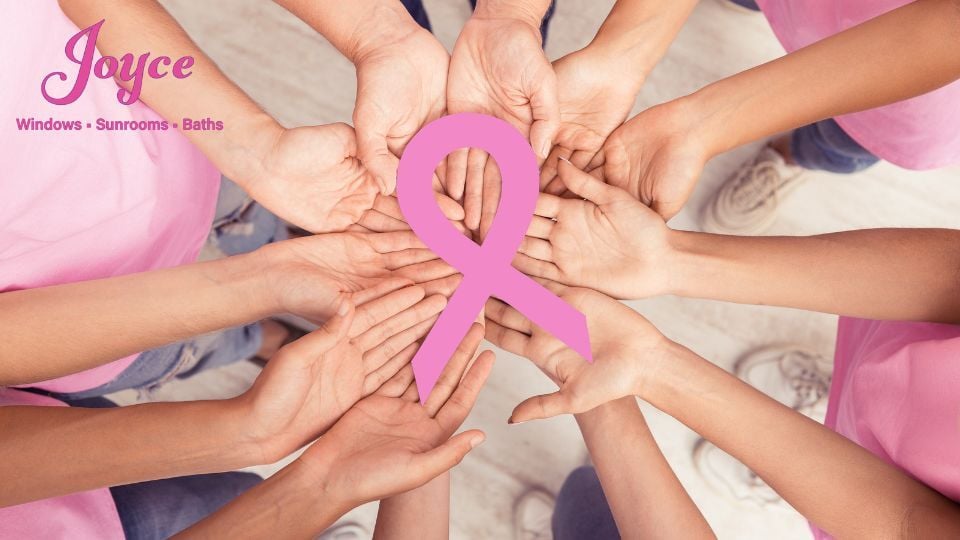

Every October, pink seems to appear everywhere.
Store displays turn pink. Sports teams wear pink. Companies change their logos. Social media fills with ribbons, fundraising posts, and reminders about Breast Cancer Awareness Month.
After seeing the same color and message year after year, it is understandable that some people start to tune it out. Even breast cancer organizations acknowledge that October can feel complicated. For some people, the month is supportive and energizing. For others, especially those living with breast cancer or grieving someone they lost, the constant pink reminders can feel exhausting or disconnected from the realities of the disease.
So maybe the goal should not be to make October more pink.
Maybe it should be to make the awareness behind it more meaningful.

Why Is Everything Pink in October?
Breast Cancer Awareness Month began in the 1980s as an effort to increase awareness and encourage screening. The pink ribbon later became the movement's most recognizable symbol, gaining national visibility in the early 1990s.
Over the years, that small ribbon grew into something much larger. It became a way for individuals, communities, sports organizations, nonprofits, and businesses to show support.
That visibility helped make breast cancer a disease people talked about openly.
But visibility alone is not the finish line.
Is Pink Fatigue Real?
It can be.
When the same awareness message appears every October for decades, it can start blending into the background. A pink ribbon can become something we recognize without really stopping to think about what it represents.
There is also increasing scrutiny of what organizations actually do when they use breast cancer imagery. The term pinkwashing has been used to describe some cause-marketing campaigns that promote breast cancer awareness without meaningfully supporting the people or organizations working on the disease.
That does not mean every pink campaign is meaningless.
It does mean people have become more thoughtful about an important question:
What happens after the ribbon goes up?
That may be the most useful way to think about Breast Cancer Awareness Month today.
Awareness should lead somewhere.
Does Breast Cancer Awareness Month Still Matter?
Yes, when awareness encourages action.
One important example is screening.
The U.S. Preventive Services Task Force currently recommends that women at average risk receive a mammogram every two years from ages 40 through 74. Individual circumstances can affect screening decisions, so anyone with questions about personal risk, family history, dense breasts, previous breast cancer, or other risk factors should talk with a healthcare professional about the screening plan that is appropriate for them.
The recommendation to begin screening at age 40 is relatively recent. The Task Force changed its guidance after evidence showed increasing breast cancer rates among women in their 40s and greater potential benefit from earlier screening.
That is the kind of information an awareness campaign can help bring back to the surface.
October becomes less about remembering that breast cancer exists and more about asking:
Am I due for a screening?
Do I know my family history?
Is there someone in my life who needs support?
Do I know where the money goes when I donate?
Those questions have far more value than simply noticing that something is pink.
5 Ways to Go Beyond the Pink Ribbon
1. Schedule the Appointment You've Been Putting Off
If you are due for a mammogram or have a health concern you have been meaning to discuss, October can simply be the reminder that gets it onto the calendar.
For average-risk women ages 40 through 74, the USPSTF recommends mammography every two years. People with additional risk factors may need different guidance from their healthcare provider.
One appointment is more meaningful than a dozen pink social posts.
2. Learn Your Family Health History
Knowing whether breast or ovarian cancer has occurred in your family can help inform conversations with your healthcare provider about risk.
You do not need to turn Thanksgiving dinner into a medical interrogation. But knowing the basics of your family's health history can provide valuable information when discussing screening and risk.
3. Help Someone Going Through Treatment
Support does not always need to be dramatic.
Sometimes it means:
- Bringing dinner
- Driving someone to an appointment
- Watching their children
- Helping with errands
- Mowing the lawn
- Sitting with them during treatment
- Sending a message without expecting an immediate reply
One of the most meaningful things you can ask is simply:
“What would make this week easier?”
Then listen to the answer.

4. Give With Intention
If you donate during Breast Cancer Awareness Month, take a few minutes to learn about the organization receiving your contribution.
Different organizations focus on different needs, including research, screening access, patient assistance, education, advocacy, and support services.
Understanding where your money goes turns a symbolic gesture into an informed choice.
5. Share Something Useful
If you are going to share something during October, consider making it something another person can actually use.
That might be:
- Current screening guidance
- A link to a mammography provider
- Information about financial assistance
- A local support organization
- A reminder to talk with a doctor about family history or personal risk
A ribbon might catch someone's eye.
Useful information might help them take the next step.
The Pink Ribbon Was Never Supposed to Be the Destination
The pink ribbon became powerful because it made breast cancer visible.
But after decades of awareness campaigns, visibility alone is no longer enough.
Breast Cancer Awareness Month can still have tremendous value when it prompts people to pay attention to their health, support someone facing the disease, fund meaningful work, or have conversations that might otherwise never happen.
The color gets our attention.
What happens next is what matters.
What Joyce Is Doing This October
At Joyce Windows, Sunrooms & Baths, Breast Cancer Awareness Month has become an opportunity to connect our October home improvement promotion with support for the fight against breast cancer.
In recognition of National Breast Cancer Awareness Month, Joyce is supporting Susan G. Komen. When you make a personal donation of $100 or more to Susan G. Komen, Joyce will take 3% off your project contract through 10/31/26. At the end of our campaign, Joyce will make a company donation to Susan G. Komen to support their mission. Your home improvement project will make your home better, and your donation will help fund critical breast cancer programs and research.
Rather than adding pink simply for decoration, we want our participation to have a purpose and give homeowners another way to support the cause while completing projects they were already considering.
Make the Pink Mean Something
If October has begun to feel overwhelmingly pink, maybe the answer is not another ribbon.
Make the reminder useful.
Schedule the appointment.
Learn your family history.
Check on the friend.
Support an organization doing work you believe in.
Share information someone else may need.
Have the conversation.
Because Breast Cancer Awareness Month matters most when awareness becomes action.
Topics: