
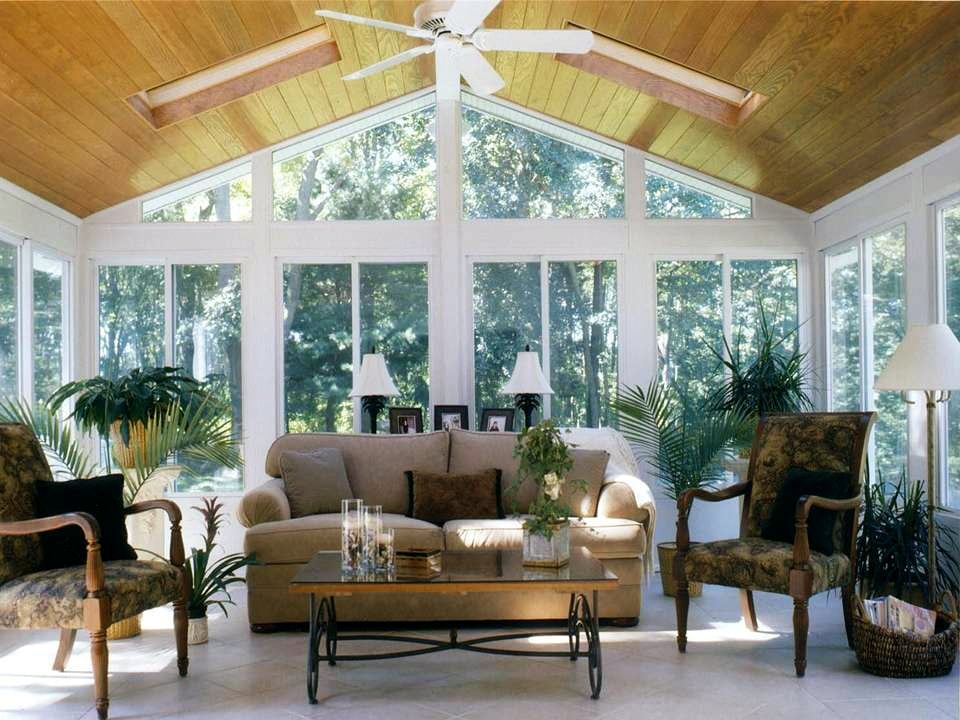
If you have a patio or deck in Columbia that sits unused during the hottest summer afternoons or gets overtaken by mosquitoes each evening, you are not alone. The Midlands climate offers long stretches of warm weather, but humidity, insects, and sudden afternoon storms can make outdoor living less comfortable than the calendar suggests. A custom patio enclosure or sunroom gives Columbia homeowners a way to reclaim that outdoor space and use it more consistently throughout the year.
This guide walks you through the main types of enclosures available, what factors affect design and installation in South Carolina, how to evaluate contractors, and what questions to ask before committing to a project. By the end, you should have a clearer picture of what makes sense for your home, your budget, and the way you want to live.
Key Takeaways: Custom Patio Enclosures in Columbia SC for 2026
- Patio enclosures range from screen rooms for bug-free breezes to insulated four-season sunrooms for year-round use.
- Columbia's heat, humidity, and sudden storms make material selection and ventilation planning especially important.
- Enclosing an existing patio or deck often costs less than building a standalone addition from the ground up.
- Joyce Windows, Sunrooms & Baths offers factory-direct custom enclosures with a single point of accountability from design through installation.
- A clear written agreement covering scope, materials, warranties, and installation timelines protects your investment.

What Is a Custom Patio Enclosure?
A custom patio enclosure is a structure that encloses an existing outdoor space, such as a patio, deck, or porch, with walls, screens, or windows. Unlike prefabricated kits, custom enclosures are designed to fit your home's specific dimensions, roofline, and architectural style.
The goal is to create a more comfortable, protected living area that still feels connected to the outdoors. Depending on the type of enclosure you choose, you may gain protection from insects, rain, wind, or even cold weather.
For homeowners in Columbia, SC, enclosures address common pain points: mosquitoes that make evening gatherings miserable, summer heat that drives everyone inside, and unpredictable afternoon thunderstorms that cut outdoor time short.
Types of Patio Enclosures and Sunrooms
Choosing the right type of enclosure depends on how you plan to use the space, your local climate conditions, and your budget. Here are the primary categories Columbia homeowners should consider.
Screen Rooms and Screened-In Patios
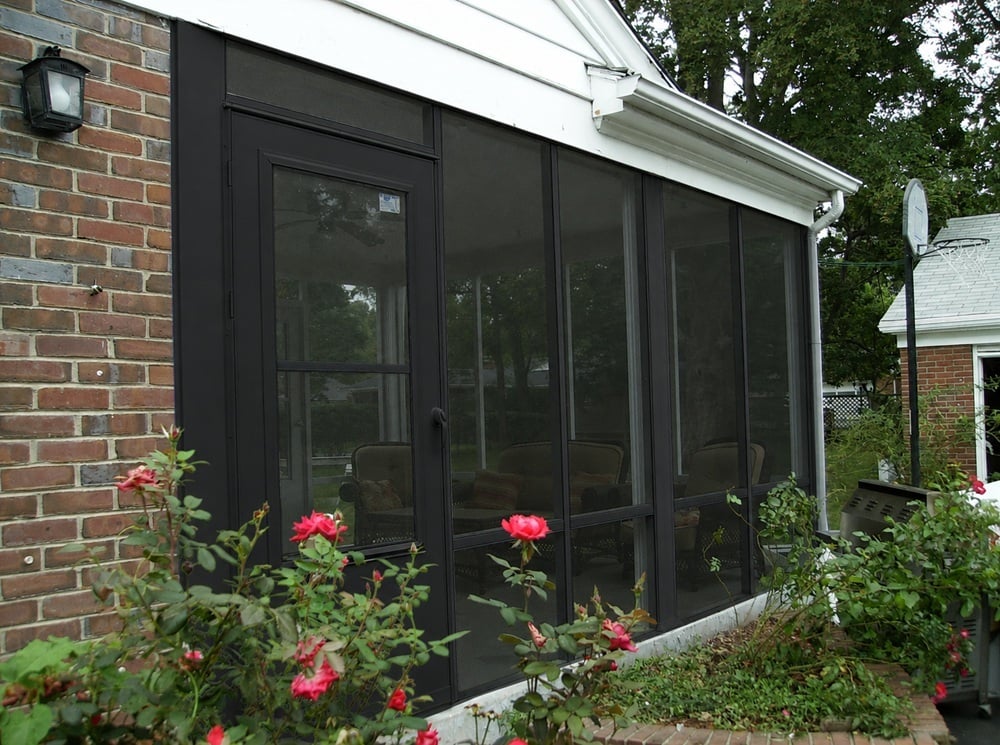
A screen room encloses your patio with mesh screening that allows airflow while keeping insects out. This is an affordable option for homeowners who want to enjoy fresh air without swatting mosquitoes or gnats. Our latest color addition, black screen rooms, allows for either a modern or farmhouse look. But, always
Screen rooms work well in Columbia's spring and fall months, and they can extend evening outdoor use during summer. They do not offer protection from rain or temperature extremes, so plan accordingly if you want year-round comfort.
Three-Season Sunrooms
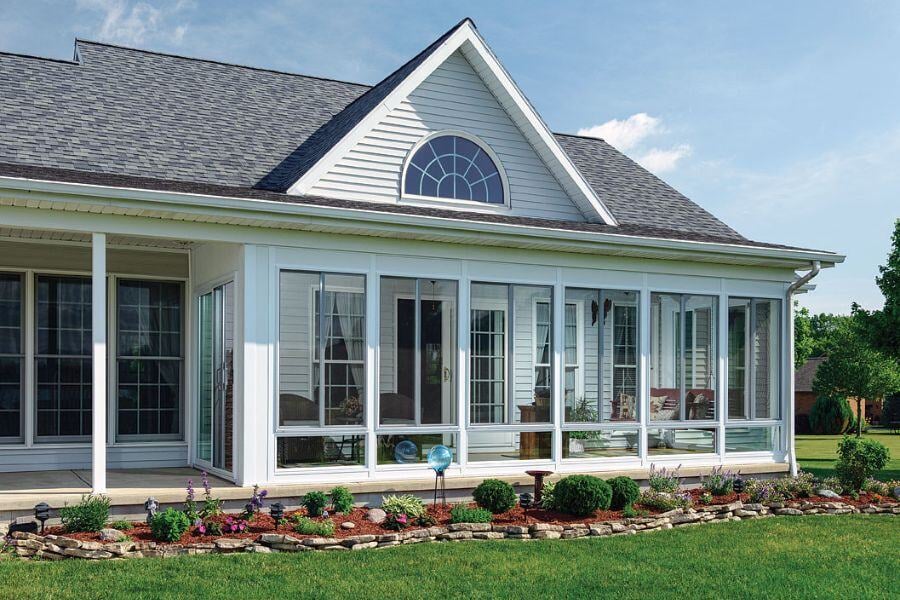
A three-season sunroom adds vinyl windows to your enclosure, offering protection from rain, wind, and moderate temperature swings. These rooms typically do not connect to your home's HVAC system, so they remain most comfortable during spring, summer, and fall.
For Columbia homeowners, three-season rooms make sense if you want a bright, protected space for the majority of the year without the investment of full insulation and climate control.
Four-Season Sunrooms
A four-season sunroom is insulated and designed for year-round use. These rooms can be heated or cooled through their own HVAC system (mini-split), allowing you to use the space even during South Carolina's occasional cold snaps or the peak of summer heat.
Four-season sunrooms typically require more structural work, including proper foundation support and compliance with local building codes for conditioned living space.
Patio Covers
A patio cover adds a roof structure over your outdoor space without enclosing the sides. This option provides shade and some rain protection while keeping the area open to breezes.
Patio covers can serve as a first step toward a full enclosure. If you install footers and a roof designed to support future walls, you can add screen or glass panels later.
Why Columbia SC Homeowners Choose Patio Enclosures
The decision to enclose a patio or deck usually comes down to a combination of factors specific to your property, your lifestyle, and your local climate. In Columbia, several conditions make enclosures particularly valuable.
Extended Living Space Without a Major Addition
A patio enclosure converts an existing outdoor area into usable square footage. Because you are building on an existing footprint, the project often requires less foundation work and fewer permits than a traditional room addition.
This approach gives you more functional space for entertaining, relaxing, or working from home without the cost and disruption of expanding your home's foundation.
Protection from Insects
Mosquitoes thrive in Columbia's warm, humid environment. A screen room or enclosed sunroom creates a barrier between you and these pests, allowing you to enjoy outdoor views without the constant annoyance of biting insects.
Weather Protection
Columbia's weather patterns include sudden afternoon thunderstorms, especially during summer months. An enclosed patio protects outdoor furniture from water damage and gives you a place to continue enjoying the outdoors even when rain moves through.
Increased Home Value
A well-designed sunroom or patio enclosure can add appeal to your home if you decide to sell. Buyers often appreciate the additional living space and the flexibility an enclosed outdoor room provides.
How Columbia's Climate Affects Patio Enclosure Design
Climate plays a major role in determining which materials, glass packages, and ventilation options make sense for your project. South Carolina's Midlands region presents specific challenges worth addressing during the design phase.
Heat and Humidity Considerations
Summer temperatures in Columbia regularly exceed 90 degrees Fahrenheit, and humidity levels can make even shaded areas feel uncomfortable. If you are considering a sunroom with significant glass, ask about Low-E coatings that help reflect solar heat and reduce interior temperature buildup.
Ventilation matters as well. Operable windows, ceiling fans, and transom vents allow hot air to escape and fresh breezes to circulate, making the room more comfortable during shoulder seasons.
Rain and Moisture Management
Proper drainage and waterproofing are essential for any enclosed structure in the Midlands. Confirm that your contractor plans for water management around the foundation, roof, and any transitions between the enclosure and your existing home.
Moisture intrusion can lead to mold, rot, and structural damage if not addressed during construction.
Wind and Storm Resistance
South Carolina building codes include requirements for wind resistance, particularly in coastal and transitional zones. Even in Columbia, strong storms can produce significant wind gusts. Make sure your enclosure design meets local code requirements for structural integrity.
Questions to Ask Before Choosing a Patio Enclosure Contractor
Selecting the right contractor is one of the most important decisions you will make during this project. The company you choose will affect the quality of materials, the accuracy of installation, and your experience if issues arise later. Here are key questions to ask before signing a contract.
Who Performs the Actual Installation Work?
Some companies subcontract installation to third-party crews. Others, like Joyce Windows, Sunrooms & Baths, use factory-trained installation teams who work directly for the company. Knowing who will be on your property helps you understand accountability if problems occur.

What Does the Written Agreement Include?
Ask for a detailed written scope that identifies materials, product names, installation responsibilities, project timelines, and payment schedules. Avoid relying on verbal promises for anything that affects price, design, or warranty coverage.
How Are Permits and Inspections Handled?
Most patio enclosures and sunrooms in Columbia require building permits. Confirm whether the contractor handles permit applications and scheduling inspections, or whether those responsibilities fall to you.
What Warranties Apply to the Project?
Ask about both product warranties and labor warranties. Product warranties typically come from the manufacturer and cover defects in materials. Labor warranties cover installation workmanship. Understand whom you contact if a problem arises and what documentation you need to file a claim.
What Affects the Cost of a Custom Patio Enclosure?
Sunroom and patio enclosure pricing varies widely based on the type of room, size, materials, and site conditions. Understanding the main cost drivers helps you compare estimates more accurately.
Room Type and Construction Level
A screen room typically costs less than a three-season sunroom, which costs less than a fully insulated four-season room. The more protection and comfort you want, the more materials, labor, and engineering the project requires.
Size and Layout Complexity
Larger rooms require more materials and labor. Complex layouts with multiple corners, roof transitions, or custom features add to the cost compared to straightforward rectangular designs.
Foundation and Structural Requirements
If your existing patio or deck needs reinforcement to support an enclosure, those costs add to the project total. Some decks cannot carry the additional weight of a full sunroom without upgrades to beams, joists, or footers.
Glass and Window Selections
Higher-performance glass packages with Low-E coatings, insulated units, or impact-resistant options cost more than standard single-pane glass. The glass you choose affects both comfort and long-term energy costs.
Electrical, HVAC, and Finishing Details
Adding electrical outlets, ceiling fans, lighting, or HVAC connections increases project scope and cost. Discuss these options early so they are included in your estimate rather than added later as change orders.
How to Evaluate and Compare Patio Enclosure Estimates
When you receive estimates from multiple contractors, resist the temptation to compare only the bottom-line numbers. A lower price may reflect a smaller scope, different materials, or fewer warranty protections.
Compare What Is Included
Create a checklist of key items: foundation work, framing materials, glass type, roofing, electrical, permits, and warranties. Compare each estimate against this list to identify gaps or differences.
Ask About Potential Change Order Scenarios
Change orders occur when the scope expands beyond the original agreement. Ask each contractor what situations might trigger additional charges and how those charges would be handled.
Verify Licensing and Insurance
Confirm that each contractor holds the appropriate South Carolina contractor license and carries liability insurance. Request documentation before signing any agreement.
The Installation Process for Patio Enclosures
Understanding what to expect during installation helps you prepare your property and reduces surprises. While timelines vary based on project complexity, here is a general overview of the process.
Site Preparation
Before construction begins, the contractor evaluates your existing patio or deck structure. If reinforcement is needed, that work happens first. The area around the project may require clearing, and you should plan for limited access to the space during construction.
Framing and Structural Work
The framing phase establishes the shape and support structure of your enclosure. This includes posts, beams, and the connection to your existing roof or home exterior.
Roofing and Weatherproofing
Once framing is complete, the roof is installed and weatherproofing details are addressed. Proper flashing and sealing at transitions prevent water intrusion.
Wall and Window Installation
Screen panels, glass windows, or vinyl wall systems are installed according to your design. This is when your enclosure begins to take its final shape.
Electrical and Finishing
If your project includes electrical work, outlets, switches, and fixtures are installed after the walls are in place. Interior finishing touches, such as trim and paint, complete the project.
Final Inspection and Walkthrough
Most projects require a final building inspection. Your contractor should schedule this and walk you through the completed project, explaining how to operate windows, doors, and any mechanical systems.
How Joyce Windows, Sunrooms & Baths Approaches Custom Enclosures
Joyce Windows, Sunrooms & Baths has served homeowners since 1955, designing and manufacturing custom sunrooms, patio enclosures, screen rooms, and patio covers. The company operates on a factory-direct model, which means Joyce designs, manufactures, and installs its own products without relying on third-party intermediaries.
This approach offers several benefits for Columbia homeowners. You work with one company from the initial design consultation through final installation. If questions or concerns arise during the project or after completion, you contact Joyce directly rather than navigating between separate sales, manufacturing, and installation entities.
Joyce offers free in-home design consultations, allowing you to explore options based on your specific home, property, and goals. You can review product samples, discuss layout possibilities, and receive a project estimate tailored to your scope.
Common Mistakes to Avoid When Planning a Patio Enclosure
Learning from the experiences of other homeowners can help you sidestep problems during your own project. Here are pitfalls worth avoiding.
Skipping the Permit Process
Building without required permits can result in fines, forced removal, or complications when you sell your home. Always confirm permit requirements with your contractor or local building department.
Underestimating Ventilation Needs
A sunroom without adequate ventilation can become unbearably hot during Columbia summers. Plan for operable windows, fans, or other airflow options from the start.
Choosing Based on Price Alone
The lowest estimate may not include the same scope, materials, or protections as higher bids. Compare what is included before making a decision based solely on cost.
Ignoring Foundation Conditions
If your existing patio or deck cannot support the added weight of an enclosure, problems will surface later. Invest in proper structural evaluation before construction begins.
Failing to Get Everything in Writing
Verbal promises are difficult to enforce if disputes arise. Make sure all project details, including materials, timelines, costs, and warranties, appear in your written agreement.
How to Prepare Your Home for a Patio Enclosure Project
Taking a few steps before construction begins helps the project proceed more smoothly and protects your property.
Clear the Work Area
Remove furniture, plants, grills, and other items from your patio or deck. Provide space for materials storage and crew access.
Discuss Access and Parking
Confirm where installation crews will park and how they will access your property. If you have pets or children, discuss safety protocols with your contractor.
Plan for Disruption
Construction creates noise and limits access to parts of your home. Set expectations with your household about the project timeline and any temporary inconveniences.
Communicate with Neighbors
A quick heads-up to neighbors about upcoming construction can prevent misunderstandings about noise, parking, or property access.
Maintaining Your Patio Enclosure After Installation
Proper maintenance extends the life of your enclosure and keeps it looking its best. Most patio enclosures require minimal upkeep, but a few regular tasks make a difference.
Clean Glass and Screens Periodically
Rinse glass panels and screens with water to remove pollen, dust, and debris. For stubborn buildup, use a mild soap solution and a soft cloth or sponge.
Inspect Seals and Weatherstripping
Check the seals around windows and doors annually. Replace any weatherstripping that shows signs of wear, cracking, or compression.
Clear Drainage Paths
Make sure water drains away from your enclosure's foundation. Remove debris from gutters, downspouts, and any drainage channels around the structure.
Address Issues Promptly
If you notice water intrusion, difficult-to-operate windows, or damaged screens, contact your contractor or manufacturer before small problems become larger repairs.
Is a Patio Enclosure or Sunroom Right for Your Columbia Home?
A custom patio enclosure makes sense for homeowners who want to use their outdoor space more often and more comfortably. If insects, heat, or weather currently limit how much time you spend outside, an enclosure can change that equation.
Consider your goals for the space. A screen room may be sufficient if you want bug-free outdoor evenings during warmer months. A three-season or four-season sunroom offers more protection and versatility if you want a space that functions closer to an indoor room.
Take time to research your options, compare contractors, and understand what each estimate includes. A well-planned enclosure project can add comfort, function, and value to your Columbia home for years to come.
FAQs about Custom Patio Enclosures in Columbia SC for 2026
How long does it take to build a custom patio enclosure in Columbia SC?
Project timelines depend on the type of enclosure, size, and site conditions. Simple screen rooms may take a few days to install, while four-season sunrooms with electrical work and HVAC connections can take several weeks. Joyce Windows, Sunrooms & Baths controls manufacturing and installation, which helps reduce delays compared to companies that rely on multiple third parties.
Do I need a permit for a patio enclosure in Columbia SC?
Most patio enclosures and sunrooms require building permits in South Carolina. Your contractor should confirm local requirements and handle permit applications on your behalf. Building without permits can create complications during resale or if issues arise later.
What is the difference between a three-season and four-season sunroom?
A three-season sunroom offers protection from rain, wind, and insects but typically does not connect to your home's heating and cooling system. A four-season sunroom is insulated and designed for year-round comfort, including conditioned air during hot summers and cold winter days. Joyce offers both options to match your budget and how you plan to use the space.
Can I enclose an existing deck in Columbia SC?
Yes, many decks can be enclosed with a screen room or sunroom. However, your deck may need structural reinforcement to support the additional weight. A Joyce design consultant can evaluate your deck and explain what modifications, if any, are required before construction begins.
How do I choose between a screen room and a sunroom?
Consider how you plan to use the space. A screen room provides bug-free outdoor comfort with open airflow, making it ideal for spring through fall use. A sunroom offers more weather protection and can extend your usable season further into winter. Joyce Windows, Sunrooms & Baths helps Columbia homeowners compare options during a free in-home consultation so you can make an informed decision based on your goals.
What maintenance does a patio enclosure require?
Patio enclosures generally need minimal maintenance. Periodically clean glass and screens, inspect weatherstripping and seals annually, and keep drainage paths clear. Address any operational issues or water intrusion promptly to prevent larger problems.
