

Executive Summary
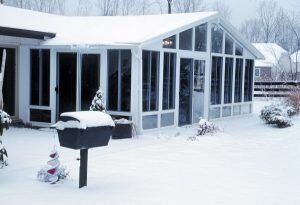
The best way to heat a sunroom depends on how the room was built and how often you plan to use it.
For regular winter use, a professionally sized ductless mini-split heat pump is often one of the most practical options because it can provide both heating and cooling without extending the home’s existing ductwork.
Other options include extending the central HVAC system, electric baseboard heat, radiant floor heating, a through-wall heat pump, or a portable electric heater for occasional supplemental warmth.
Before selecting equipment, confirm:
- Whether the room is a three-season or four-season sunroom
- How well the roof, walls, floor, windows, and doors are insulated
- The room’s electrical capacity
- Whether the existing HVAC system can handle another space
- Local permit and code requirements
- The equipment size required for the room’s actual heating load
Joyce offers custom three-season and four-season sunrooms with glass, insulation, and on-demand heating and cooling options selected around the homeowner’s climate and intended use.
Planning a sunroom you want to use through more of the year? Book a Design Consultation.

Can You Heat a Sunroom in Winter?
Yes, but how comfortable the room becomes depends on more than the heater.
A sunroom contains a larger proportion of glass than most rooms. Heat can move through the glass, roof, floor, wall system, doors, and gaps around the structure. A powerful heater may still struggle if the room was designed mainly for mild-weather use.
Start by identifying the type of room.
Related Article: Three Season vs Four Season Sunroom
Three-Season Sunroom
A three-season sunroom is generally intended for spring, summer, and fall. It may experience wider indoor temperature changes during winter because it does not usually have the same insulation and comfort-focused construction as a year-round room.
A portable heater may make a three-season room more comfortable during mild cold weather, but it may not make the room perform like conditioned living space during freezing temperatures.
Four-Season Sunroom
A four-season or year-round sunroom is built with more insulation and energy-performance features. Joyce describes its four-season rooms as using comfort-focused glass, roofing, insulation packages, and optional on-demand heating and cooling.
This type of room is generally a better starting point when the goal is consistent winter use.
Sunroom Heating Options at a Glance
| Heating option | Best use | Main advantage | Main consideration |
|---|---|---|---|
| Ductless mini-split heat pump | Regular year-round use | Heating and cooling from one system | Requires professional sizing and installation |
| Extended central HVAC | Fully integrated addition | Uses the home’s existing system | Existing equipment and ductwork must support the added load |
| Electric baseboard heater | Dedicated zoned heat | Simple thermostat control | Operating costs may be higher than a heat pump |
| Radiant floor heating | Planned new construction or flooring work | Warm, even comfort underfoot | Installation can be difficult after the room is finished |
| Through-wall heat pump | Smaller rooms with an exterior wall | Independent heating and cooling | Creates a wall opening and may be noisier |
| Portable electric heater | Occasional supplemental use | Low upfront cost and portability | Requires careful placement and direct wall connection |
1. Ductless Mini-Split Heat Pump
A ductless mini-split consists of an outdoor unit and one or more indoor units connected by refrigerant lines.
It can heat the room during winter and cool or dehumidify it during summer. The U.S. Department of Energy describes air-source and ductless mini-split heat pumps as options that transfer heat rather than producing all warmth through electric resistance.
Why a Mini-Split Can Work Well
A mini-split may provide:
- Independent temperature control
- Both heating and cooling
- No need for a full duct extension
- Consistent comfort during regular use
- A wall-mounted unit with a relatively small footprint
- Better operating efficiency than electric resistance heat in many conditions
What to Consider
The equipment should be sized for the room’s heating and cooling load. A unit selected only by square footage may not account for:
- Total glass area
- Window orientation
- Roof construction
- Insulation
- Ceiling height
- Air leakage
- Local winter temperatures
- Shading
- How the room connects to the house
Oversized equipment may cycle too frequently, while undersized equipment may run continuously without maintaining comfort.
Best for: Homeowners who expect to use an insulated sunroom regularly throughout the year.
2. Extend the Home’s Existing HVAC System
In some homes, the central heating and cooling system may be extended into a new sunroom.
This can make the room feel more connected to the rest of the home, but adding a supply vent is not automatically enough.
An HVAC professional should determine:
- Whether the existing furnace, air conditioner, or heat pump has enough capacity
- Whether the duct system can deliver and return enough air
- Whether a return-air path is needed
- How the room will affect airflow in the rest of the home
- Whether zoning controls are appropriate
- Whether the addition meets applicable code requirements
Joyce notes that its sunrooms are not intended for projects where the homeowner wants a completely open room fully integrated into the home’s main HVAC system without separation. Project suitability should be discussed during design.
Advantages
- One main heating and cooling system
- Familiar thermostat operation
- Fewer visible indoor units
- A more integrated appearance
Limitations
- The existing system may not have enough capacity
- New ducts can be difficult or expensive to install
- The sunroom may have different heating needs than the main house
- Poorly planned extensions can reduce comfort elsewhere
Best for: A properly insulated room when an HVAC professional confirms that the existing system and ductwork can support the added load.
3. Electric Baseboard Heating
Electric baseboard heaters use electric resistance to produce heat near floor level.
They can provide simple, dedicated zone heating and are often controlled by a wall thermostat.
Advantages
- Straightforward operation
- No ductwork
- Quiet performance
- Independent room control
- Relatively simple equipment
Limitations
- Furniture and curtains must be kept clear
- Long units take up wall space
- Electricity use can make operating costs higher than with a properly selected heat pump
- They provide heat but no cooling
- Electrical service may need to be evaluated
Electric resistance heaters convert electricity directly into heat. That does not necessarily make them the least expensive option to operate. A heat pump can often supply more heating energy than the electrical energy it consumes because it moves heat rather than creating all of it through resistance.
Best for: Smaller insulated sunrooms, supplemental heat, or situations where ductwork is impractical.
4. Radiant Floor Heating
Radiant floor heating warms the room from beneath the finished flooring.
Electric systems use heating cables or mats. Hydronic systems circulate heated water through tubing.
Advantages
- Even warmth across the floor
- Comfortable surface underfoot
- No visible heater occupying wall space
- Quiet operation
- Useful beneath some tile or stone floors
Limitations
- Easier to install during construction than after the room is complete
- Not every flooring material is compatible
- The system may respond more slowly than forced-air heat
- Repairs can be disruptive
- It does not provide cooling
- Installation and operating costs vary by system
Radiant heating should be coordinated with the foundation, subfloor, flooring, insulation, electrical work, and thermostat location before construction is completed.
Best for: New sunroom projects where warm floors are a priority and the system can be planned early.
Related Article: Best Sunroom Flooring Options
5. Through-Wall Heat Pump
A through-wall heat pump is installed in an exterior wall and can provide both heating and cooling.
It is similar in concept to equipment used in some hotels and apartments.
Advantages
- Independent temperature control
- Heating and cooling from one unit
- No conventional duct system
- Lower installation complexity than some central-system extensions
Limitations
- Requires a large opening through the wall
- May be more noticeable inside and outside
- Operating sound varies by model
- Efficiency and cold-weather performance vary
- Condensate drainage must be planned
- Furniture placement may be limited
Do not confuse a through-wall heat pump with a basic window air conditioner that provides cooling only.
Best for: Smaller sunrooms where a mini-split is not preferred and an appropriate exterior wall is available.
6. Portable Electric Space Heater
A portable electric heater may provide short-term supplemental warmth in a sunroom used only occasionally.
Advantages
- Low upfront cost
- Portable
- No permanent installation
- Useful for mild cold weather or short periods
Safety Considerations
Portable heaters should be treated as supplemental equipment, not as a substitute for proper room design or permanent heating when regular winter use is expected.
Follow the manufacturer’s instructions and:
- Plug the heater directly into a suitable wall outlet
- Do not use an extension cord or power strip
- Keep it away from curtains, furniture, rugs, and combustible materials
- Place it on a stable surface
- Do not leave it operating unattended
- Keep children and pets away
- Replace damaged plugs or cords
- Confirm that the electrical circuit can support the load
A portable heater may be unable to keep up during severe cold, especially in a lightly insulated three-season room.
Best for: Occasional, supervised supplemental heat.
Should You Use a Fireplace to Heat a Sunroom?
A fireplace may add atmosphere, but the type of fireplace and venting arrangement matter.
Electric Fireplace
An electric fireplace is essentially an electric resistance heater with a decorative flame effect. It may be useful for supplemental warmth but should be evaluated like any other electrical heating appliance.
Vented Gas Fireplace
A professionally installed, properly vented gas fireplace may provide significant heat. It requires fuel access, combustion-air and venting considerations, clearances, permits, and professional installation.
Vent-Free Gas Fireplace
The original article recommended a ventless gas fireplace. That recommendation should not be made broadly.
Vent-free combustion equipment releases combustion byproducts and moisture into the room. Local rules, product restrictions, ventilation requirements, and homeowner health considerations vary. Consult the local building authority and a qualified HVAC or fireplace professional before considering this option.
For many homeowners, a heat pump or properly vented system provides a clearer path to controlled heating and cooling.
Why Is My Sunroom Still Cold With the Heat On?
Heating equipment cannot fully overcome every construction problem.
Common reasons a sunroom feels cold include:
The Room Was Designed for Seasonal Use
A three-season room may not have the insulation or glass performance needed for consistent winter comfort.
The Heater Is Too Small
Equipment must be sized for the room’s heating load, not selected only by appearance or a general square-foot estimate.
The Floor or Foundation Is Cold
An uninsulated slab, exposed deck, or poorly insulated floor can make the whole room feel uncomfortable.
Air Is Leaking
Gaps around windows, doors, wall connections, roof joints, and the connection to the home can allow heated air to escape.
The Glass Package Is Not Suited to Winter Use
Different window and glass packages provide different levels of thermal performance.
The Thermostat Is Poorly Located
Direct sunlight, drafts, or placement near the heater can cause inaccurate temperature readings.
Warm Air Is Collecting Near the Ceiling
Ceiling fans operated at a low speed in the appropriate direction may help redistribute warm air in rooms with higher ceilings.
Have the room and heating system evaluated rather than continuing to add portable heaters.
How Can You Make a Sunroom Easier to Heat?
Reducing heat loss can improve comfort and may allow the heating system to work more effectively.
Consider:
Choose the Right Room Type
When planning a new project, choose a four-season room when regular cold-weather use is important. Joyce distinguishes four-season rooms by their additional insulation and comfort-focused construction.
Select Appropriate Glass and Insulation
The roof, window system, doors, wall structure, floor, and foundation all affect comfort.
Joyce notes that sunroom cost and performance are influenced by glass packages, insulation, electrical needs, foundation conditions, and room type.
Use Insulated Window Treatments
Suitable shades or blinds may reduce nighttime heat loss and help manage direct sunlight. Confirm that the treatment does not interfere with ventilation, heater clearances, or window operation.
Seal Air Leaks
Have gaps and weatherstripping inspected. Do not block designed drainage or ventilation paths with caulk.
Add Floor Comfort
An insulated floor, compatible area rug, or planned radiant heating system may make the room feel warmer.
Use a Ceiling Fan Carefully
A low-speed ceiling fan can help move warm air away from the ceiling. Confirm the appropriate seasonal setting for the fan.
How Do You Choose the Right Heater Size?
Proper equipment sizing requires a heating-load calculation.
A professional may consider:
- Room dimensions
- Ceiling height
- Number and size of windows
- Glass performance
- Roof and wall insulation
- Floor and foundation construction
- Room orientation
- Air leakage
- Local design temperatures
- Connection to the main house
- Expected occupancy
- Desired indoor temperature
A general online calculator may provide a rough starting point, but it should not replace a room-specific evaluation for permanent HVAC equipment.
Does a Sunroom Heater Need a Permit?
Permit, inspection, and licensing requirements depend on the location and the work involved.
Permanent electrical circuits, HVAC equipment, fuel lines, structural wall openings, duct changes, and gas appliances may require permits or licensed trades.
Before work begins, ask:
- Who obtains the permit?
- Is a licensed electrician required?
- Is a licensed HVAC contractor required?
- Will the work be inspected?
- Does the equipment meet local code?
- Will the installation affect the sunroom or equipment warranty?
Joyce notes that sunroom planning can involve electrical requirements, local building codes, permits, and installation conditions.
What Is the Best Heating Option for a Three-Season Sunroom?
For occasional use during mild cold weather, a portable electric heater may provide temporary supplemental warmth.
For more frequent use, a professionally sized mini-split or other permanent system may help, but heating equipment alone does not convert a three-season room into a true year-round room.
If regular winter comfort is the goal, evaluate whether the room’s glass, roof, walls, floor, doors, and insulation are suitable before investing in permanent heating.
What Is the Best Heating Option for a Four-Season Sunroom?
A ductless mini-split is often a strong option because it can provide independent heating and cooling.
Extending the central HVAC system may also work when:
- The room is designed for year-round comfort
- The existing equipment has enough capacity
- Ductwork can be installed correctly
- The system is professionally balanced
- Local requirements are met
Radiant floors or baseboard heaters may supplement these approaches depending on the design.
Plan Heating Before You Build
Heating and cooling should be part of the sunroom design—not an appliance added after every other decision has been made.
Early planning helps coordinate:
- Room type
- Glass package
- Roof and wall insulation
- Floor construction
- Electrical service
- Equipment location
- Condensate drainage
- Thermostat placement
- Doors and furniture
- Permits
- Project cost
Joyce designs, manufactures, and installs custom three-season and four-season sunrooms, patio enclosures, screen rooms, and patio covers. Joyce sunrooms can include insulation packages and on-demand heating and cooling options based on the climate and the homeowner’s intended use.
Create a Sunroom You Can Enjoy Through More of the Year
The right heating system begins with the right room.
A portable heater may be enough for occasional use. Electric baseboards can provide dedicated zone heat. Radiant flooring can improve underfoot comfort. Central HVAC may work in some homes. For regular heating and cooling, a professionally sized mini-split is often a practical choice.
The most important step is evaluating the complete space rather than selecting a heater in isolation.
Book a Design Consultation to discuss a Joyce sunroom designed around your home, climate, comfort goals, and budget.
You can also:

Frequently Asked Questions About Heating a Sunroom
What is the most efficient way to heat a sunroom?
A properly sized heat pump can be an efficient option because it transfers heat rather than generating all warmth through electric resistance. Actual performance depends on the climate, room construction, equipment, installation, and operating conditions.
Can a mini-split heat a sunroom?
Yes. A ductless mini-split can provide both heating and cooling when it is correctly sized for the room and local climate.
Can I extend my furnace ducts into a sunroom?
Possibly. An HVAC professional must confirm that the existing equipment and duct system have enough capacity and that the extension complies with applicable requirements.
Can a space heater warm a sunroom?
A portable heater may add temporary warmth to a small or insulated room. It may not maintain comfort during severe cold or in a lightly insulated three-season sunroom.
Is electric baseboard heat good for a sunroom?
Baseboard heat can provide simple, quiet zone heating. It takes up wall space, provides no cooling, and may cost more to operate than a suitable heat pump.
Can you use radiant floor heat in a sunroom?
Yes. Radiant floor heating can be incorporated into some sunroom projects when the subfloor, flooring, insulation, electrical or hydronic system, and controls are planned together.
Can a three-season sunroom be heated in winter?
It can often be made warmer, but heating equipment does not automatically turn it into a year-round room. Its glass, insulation, floor, roof, and overall construction determine how well it performs in cold weather.
Do four-season sunrooms need a heater?
A four-season room may still need a dedicated heating source to maintain the desired temperature. The requirement depends on the climate, room construction, glass, insulation, sunlight, and intended use.
Should I use a ventless gas fireplace in a sunroom?
Do not install one without checking local rules and consulting qualified professionals. Vent-free appliances release combustion products and moisture indoors, and restrictions vary by location.
When should sunroom heating be planned?
Heating should be discussed during the design stage so the room structure, insulation, glass, electrical service, equipment location, drainage, permits, and finishes can be coordinated.