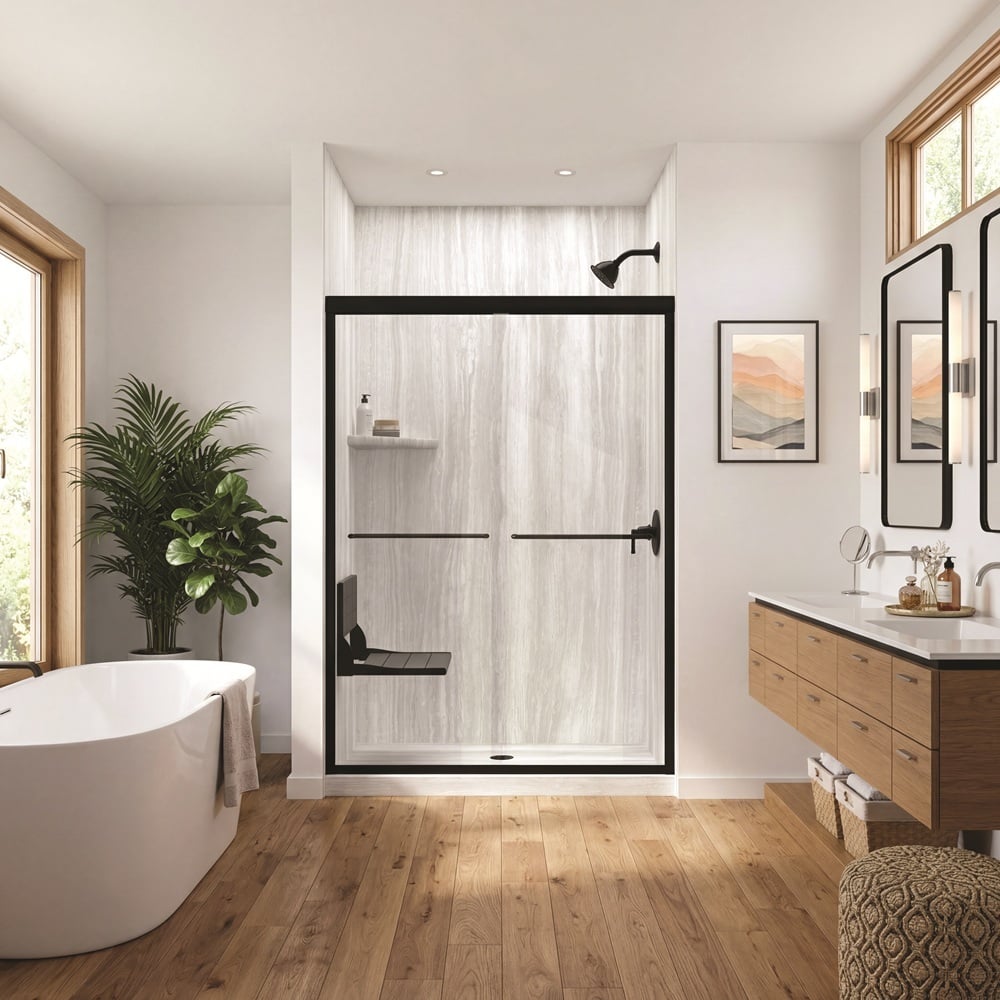
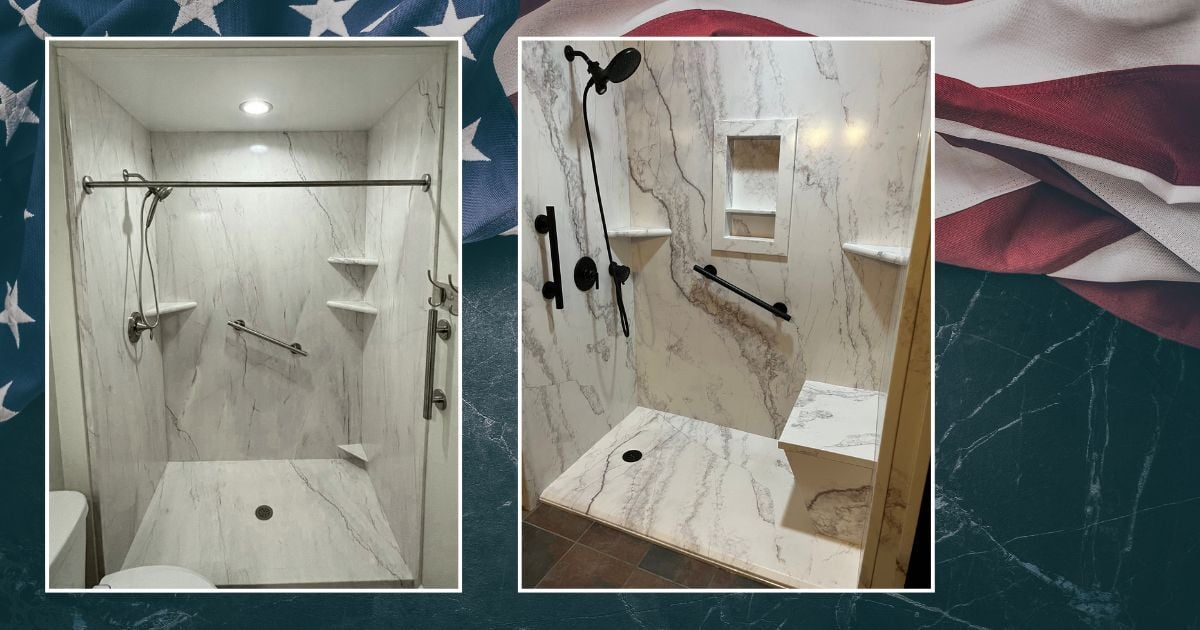
Choosing an aging-in-place bathroom remodeling contractor is not the same as hiring someone to make a bathroom look newer. The right contractor should understand how people actually move through a bathroom: stepping over a tub wall, reaching for balance, turning in a tight space, sitting down, standing up, using a handheld shower, and navigating wet flooring when footing is less certain.
A strong aging-in-place bath contractor should be able to explain five things clearly:
- Which bathroom safety upgrades make sense for your mobility needs now and in the future?
- How the design supports accessibility without making the bathroom feel clinical.
- What products, wall systems, flooring, toilets, vanities, and fixtures will be installed?
- What the total project price includes, and what could change it.
- What warranty support will you have after installation?
For homeowners in the Carolinas, Ohio, and Pennsylvania, the best contractor is usually one that combines local installation experience, accessible bathroom design knowledge, transparent pricing, durable materials, and a clear warranty. At Joyce, our bathroom remodeling team helps homeowners evaluate the full space, not just the tub or shower, so the finished bathroom is safer, easier to use, and better suited for long-term comfort.
Why Aging-in-Place Bathroom Remodeling Requires a Different Kind of Contractor
A typical bathroom remodel often starts with style: color, fixtures, wall surrounds, vanity finishes, and flooring. Aging-in-place bathroom remodeling starts with movement.
Can someone enter the shower without stepping over a high tub wall? Is there a safe place to sit? Can the shower controls be reached without standing directly under the water? Is there blocking behind the wall for grab bars? Is the floor slippery? Is the toilet height comfortable? Is the vanity usable for someone with changes in balance, strength, or mobility?
Those questions change the entire project.
A contractor who treats aging-in-place upgrades as an accessory list may miss the point. Grab bars, shower seats, handheld showerheads, low-threshold entries, comfort-height toilets, slip-resistant flooring, and better lighting are not isolated features. They need to work together in the room. A bathroom is a tiny choreography box, and every fixture either helps or interrupts the dance.
What Should You Look for in an Aging-in-Place Bath Contractor?
The best contractor should be able to talk about safety, design, installation, price, and service without turning the consultation into a fog machine.
Here is the short version:
|
What to Evaluate |
What a Good Contractor Should Explain |
Warning Sign |
|
Safety expertise |
Where support, seating, entry, flooring, and lighting matter most |
Only recommends grab bars without discussing the layout |
|
Accessible design knowledge |
How the bathroom can work for changing mobility needs |
Treats accessibility as “medical-looking” or one-size-fits-all |
|
Installation quality |
How walls, floors, thresholds, plumbing, and waterproofing will be handled |
Vague answers about who installs the project |
|
Pricing clarity |
What is included, optional, excluded, and changeable |
High-pressure discounts or unclear line items |
|
Warranty support |
Product warranty, labor coverage, and who to call after installation |
“The manufacturer handles that” with no local support plan |
How Do You Know if a Contractor Understands Bathroom Safety Upgrades?
A contractor who understands bathroom safety upgrades will ask about how the bathroom is used, not just what color you want.
They may ask:
- Is the current tub difficult to step into?
- Has anyone slipped or felt unsteady in the bathroom?
- Is the remodel for current mobility needs, future planning, or both?
- Will the bathroom be used by a walker, a cane, a wheelchair, or a caregiver?
- Is standing for a full shower becoming tiring?
- Is there enough room around the toilet and vanity?
- Do you need a full bathroom refresh, or is the wet area the main concern?
Aging-in-place bathroom remodeling is not only about age. It is about safer daily use. A homeowner in their 60s may want to avoid future disruption. An adult child may be helping a parent prepare the home after a fall. A couple may want a single bathroom that works for both of them, even if their needs differ.
A good contractor should connect recommendations to specific risks. For example:
- A low-threshold shower can reduce the need to step over a tub wall.
- Grab bars can provide support when entering, exiting, turning, or standing.
- A built-in or fold-down seat can reduce fatigue during bathing.
- A handheld showerhead can make seated bathing easier.
- Slip-resistant flooring can improve footing on wet surfaces.
- Comfort-height toilets can make sitting and standing easier.
- Better lighting can improve visibility during nighttime bathroom visits.
The National Institute on Aging recommends grab bars near toilets and inside and outside tubs or showers, nonskid surfaces in wet areas, and nighttime bathroom lighting. The CDC also recommends bathroom grab bars as part of fall-prevention planning for older adults. These are not cosmetic extras. They are the rails on the bridge.
What Accessible Bathroom Design Features Should Be Discussed?
Accessible bathroom design should be practical, attractive, and tailored to the home. The strongest contractors do not assume every homeowner needs the same solution.
Ask whether the contractor can discuss these options:
Low-Threshold or Zero-Threshold Shower Entry
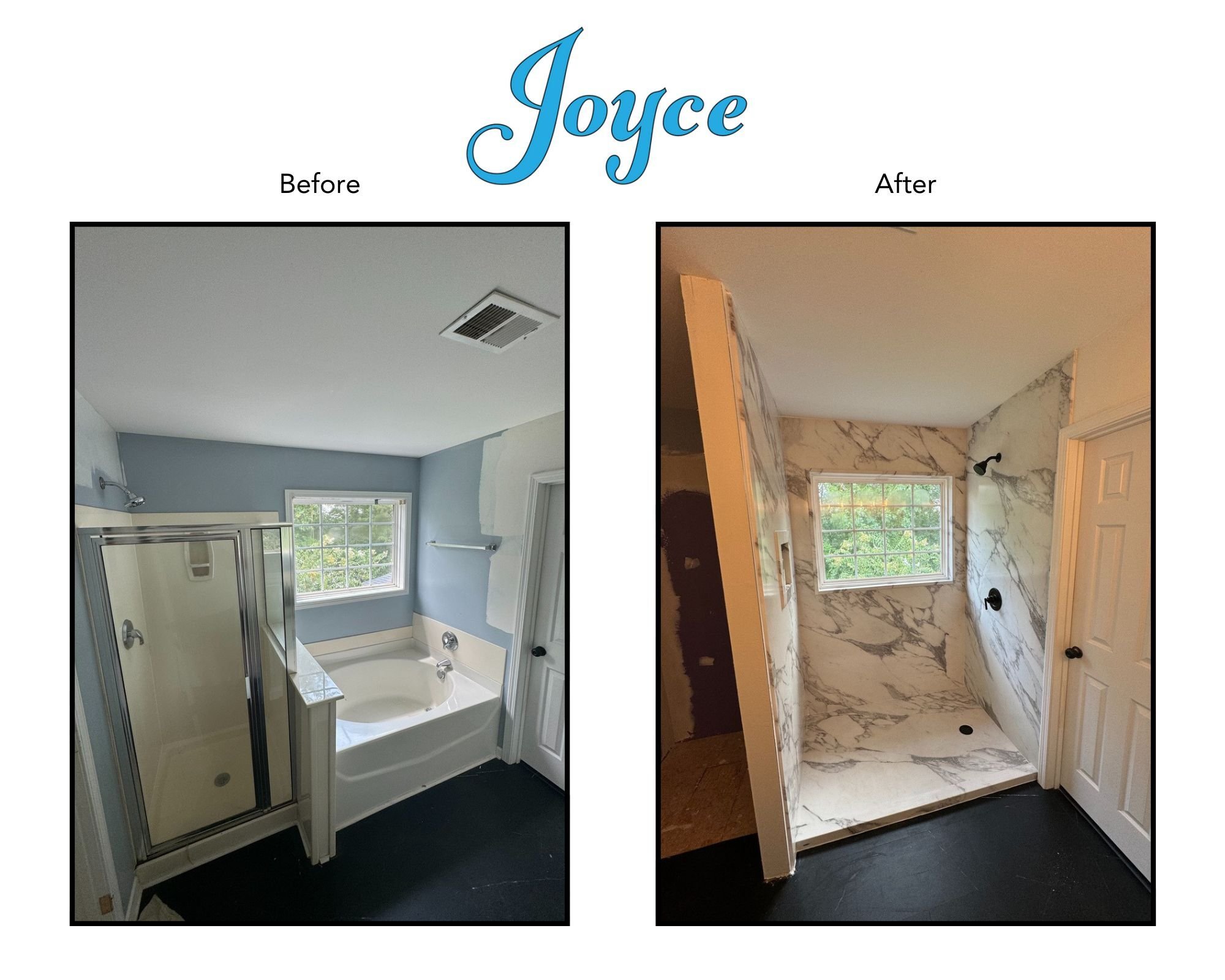
For many homeowners, replacing a tub with a walk-in shower is the centerpiece of an aging-in-place remodel. A low-threshold shower reduces the step height. A zero-threshold or curbless design may further improve access, depending on the layout, floor structure, drainage, and budget.
Not every home is equally suited for every threshold style. That is exactly why the contractor should inspect the bathroom before prescribing the solution.
Grab Bars and Wall Reinforcement
Grab bars should not be treated like towel bars with muscles. They need proper placement and secure anchoring. A good contractor should explain where grab bars can be installed, what backing or reinforcement may be needed, and how placement relates to entry, exit, showering, and toilet use.
Shower Seating
Seating may be built-in, fold-down, freestanding, or integrated into the shower system. The right choice depends on space, user height, balance, caregiver needs, and cleaning preferences.
Handheld Showerheads and Reachable Controls
A handheld showerhead can make bathing easier for seated users and caregivers. Controls should be easy to operate and placed where the user does not need to stretch, twist, or stand in the water spray before it warms.
Slip-Resistant Surfaces
Wet bathroom surfaces can become hazard confetti. Ask about shower pan texture, flooring options, transition points, and cleaning requirements. The goal is safer traction without creating a surface that is difficult to maintain.
Comfort-Height Toilets and Vanity Updates
Aging-in-place design is not limited to the shower. Joyce’s bathroom facelift and refresh options can include flooring, toilet replacement, and vanities, allowing homeowners to improve more of the room when the full layout needs attention.
What Did Competitor Research Show Homeowners Are Being Told?
A review of major bathroom remodeling companies shows that most aging-in-place messaging centers on similar features: walk-in showers, low- or no-threshold entries, grab bars, seating, handheld showerheads, slip-resistant surfaces, and professional installation.
That is helpful, but it also means homeowners need to look past the feature list. If every company says “safe, easy, accessible,” your next job is to compare the depth behind those words.
Use these questions to make some evaluation:
- Does the contractor explain why each feature belongs in your bathroom?
- Do they inspect the full room or only quote the tub/shower area?
- Do they discuss future mobility changes?
- Do they offer style choices that avoid a hospital-like feel?
- Do they explain who installs the project?
- Do they clarify warranty coverage before you sign?
- Do they have experience in your region and with homes like yours?
The best aging-in-place contractor does not simply sell safety products. They build a safer bathing routine.
How Important Is Installation Quality?
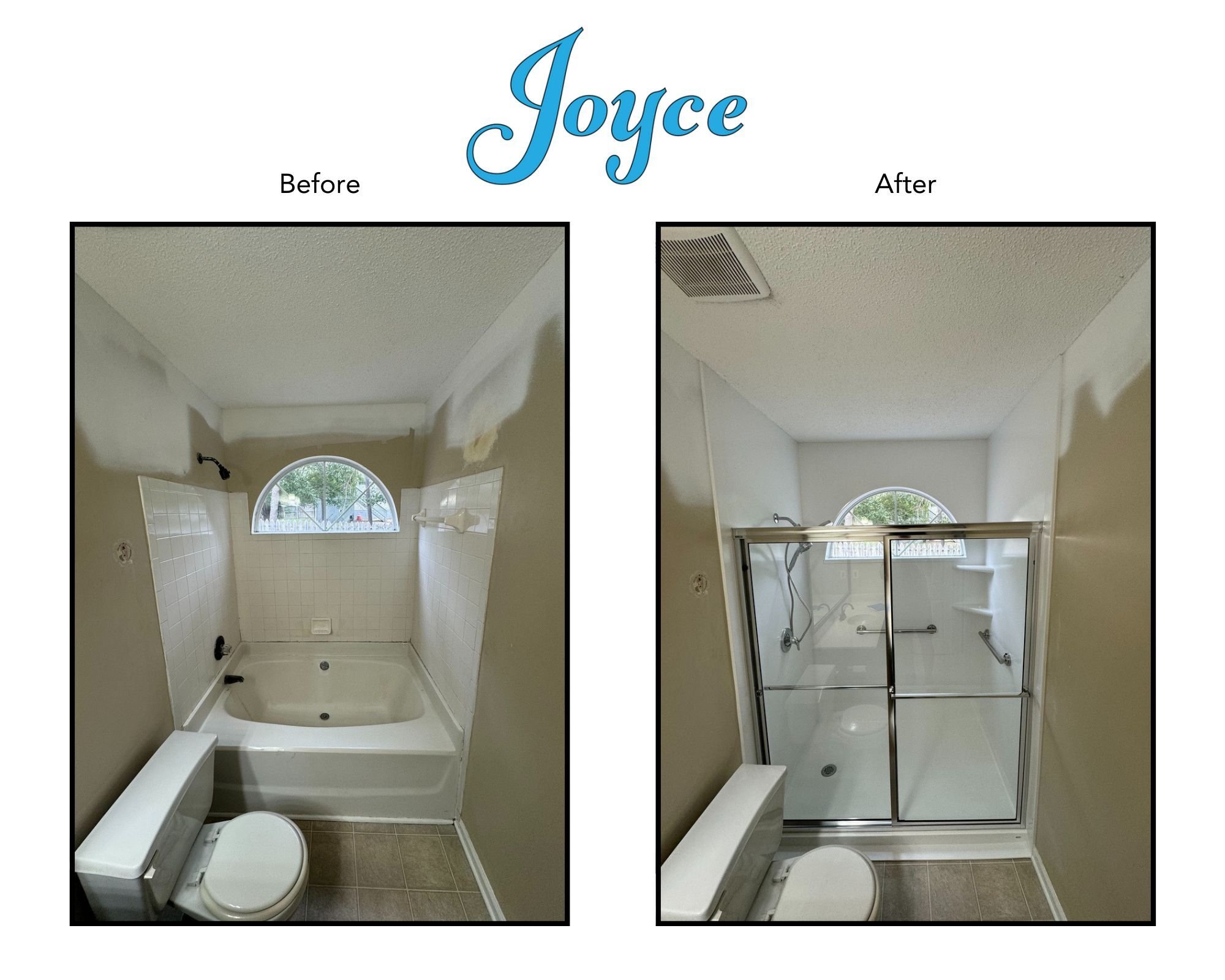
Installation quality is the skeleton key of the project. A beautiful shower with poor waterproofing, weak anchoring, bad drainage, or sloppy finish work is not a safe long-term upgrade.
Ask these installation questions before hiring bathroom renovation contractors:
- Who will install the project?
- Are installers employees, subcontractors, or partner crews?
- How is the bathroom protected during demolition?
- What happens if hidden damage is found behind the walls?
- How are grab bars anchored?
- How is the shower base set and leveled?
- How are seams, corners, and penetrations waterproofed?
- Will plumbing updates be needed?
- How long will the bathroom be out of service?
- Who performs the final walkthrough?
For homeowners, local experience matters because housing styles, plumbing conditions, crawl spaces, older homes, and seasonal moisture conditions can vary. A contractor who has worked in your region is more likely to anticipate the odd little gremlins hiding behind old bath walls.
How Should Pricing Be Explained?
Pricing for aging-in-place bathroom remodeling depends on scope. A tub-to-shower conversion with safety accessories will price differently from a broader bathroom refresh that includes flooring, toilet replacement, vanity updates, lighting, or layout changes.
A trustworthy quote should explain:
- The exact wet-area product or system being installed.
- Wall surround material and finish.
- Shower base or pan details.
- Glass door, curtain rod, or open-entry configuration.
- Grab bars, seats, shelving, and handheld shower options.
- Plumbing adjustments.
- Flooring, toilet, or vanity work if included.
- Labor and installation.
- Warranty coverage.
- Financing options, if available.
- Any items not included in the quote.
Be cautious when a contractor gives a price before understanding your bathroom. A bathroom remodel is not a carnival ring toss. You deserve a written scope and enough breathing room to compare options.

What Warranty and Support Should You Expect?
Warranty support matters because an aging-in-place bathroom is a long-term investment. Ask about both product coverage and workmanship coverage.
Good questions include:
- What parts of the remodel are covered by the manufacturer?
- What labor or workmanship warranty does the contractor provide?
- Who do I call if there is a service issue?
- Is the warranty transferable?
- Are accessories like grab bars, seats, doors, and fixtures covered?
- What maintenance is required to keep the warranty valid?
- Will I receive warranty documentation in writing?
The answer should be plain enough to repeat to a family member. If it sounds like a legal squid released ink into the room, ask for clarification.
Should You Choose a Specialist or a General Remodeler?
A general remodeler may be able to complete a bathroom project, but aging-in-place remodeling benefits from a contractor who regularly works with bathroom safety upgrades and accessible bathroom design.
Choose a specialist when:
- The current tub is hard to enter or exit.
- You need a walk-in shower.
- You want grab bars installed correctly.
- You are planning for future mobility changes.
- You need a safer layout for a parent or loved one.
- You want the bathroom to remain attractive while becoming easier to use.
- You need the project completed efficiently with minimal disruption.
Aging-in-place remodeling does not always require a full gut renovation. Sometimes the smartest project is a targeted shower replacement. Sometimes the better long-term choice is a broader bathroom refresh that includes updates to the flooring, toilet, and vanity. The contractor should help you compare those paths without defaulting to the largest project.
What Questions Should You Ask Before Hiring?
Use this checklist during consultations:
Safety and Accessibility
- What safety risks do you see in my current bathroom?
- Do you recommend a low-threshold, zero-threshold, or standard shower base?
- Where would you place grab bars, and why?
- Do I need wall reinforcement?
- What seating options would work in this space?
- Can controls and showerheads be positioned for easier reach?
Design
- How do you make accessible bathroom design look residential rather than clinical?
- What wall, base, fixture, and hardware finishes are available?
- Can the bathroom be updated beyond the shower area?
- Do you offer flooring, toilet exchange, or vanity updates?
Installation
- Who performs the installation?
- How long will the project take?
- How do you protect the home during the work?
- What happens if you discover water damage or plumbing issues?
- Will I have a final walkthrough?
Pricing
- What is included in the quote?
- What is optional?
- What could increase the price?
- Are permits needed?
- Are financing options available?
Warranty and Service
- What warranty comes with the products?
- What warranty comes with the labor?
- Who handles service after installation?
- Will I receive written warranty details?

Red Flags When Comparing Bathroom Renovation Contractors
Some contractors sound polished at the kitchen table but lose their shine under better questions. Watch for these red flags:
- They recommend the same package for every homeowner.
- They do not ask about mobility, balance, or future needs.
- They avoid explaining grab bar anchoring.
- They focus only on speed, a 1-day install, and not on installation quality.
- They cannot clearly explain warranty coverage.
- They pressure you to sign immediately.
- They do not provide a written scope.
- They dismiss accessibility concerns as unnecessary.
- They cannot explain the difference between a cosmetic remodel and an aging-in-place remodel.
The wrong contractor sells a bathroom. The right contractor solves a daily-use problem.
Why Homeowners Choose Joyce
Joyce has served homeowners for 70 years and works with customers across North Carolina, South Carolina, Ohio, and Pennsylvania. Our bathroom remodeling services help homeowners improve safety, comfort, and appearance, whether the project is a tub-to-shower conversion, walk-in shower replacement, bathroom facelift, or a more complete bathroom refresh.
For aging-in-place projects, Joyce focuses on practical recommendations that fit the person, the room, and the home. That may include:
- Low-threshold shower entry.
- Secure grab bar options.
- Shower seating.
- Handheld showerheads.
- Easy-clean wall systems.
- Flooring updates.
- Toilet exchange.
- Vanity updates.
- Clear pricing.
- Professional installation.
- Warranty support.
The goal is not to make the bathroom feel like a care facility. The goal is to make it feel like your bathroom, only safer, easier, and ready for the years ahead.
Original Example: Comparing Two Aging-in-Place Bathroom Plans
Imagine two homeowners in similar homes.
Homeowner A: “We Just Need a Safer Shower”
The current bathroom has a tub/shower combination. The homeowner is steady today but dislikes stepping over the tub wall. A contractor might recommend a tub-to-shower conversion with a low-threshold base, textured shower floor, two grab bars, a handheld showerhead, and a built-in seat or fold-down seat.
This is a focused project. It solves the biggest safety issue without changing every part of the bathroom.
Homeowner B: “My Parent Is Moving In Next Year”
The bathroom has a narrow vanity, older flooring, a low toilet, dim lighting, and a tub/shower combination. A contractor may recommend a broader bathroom refresh: a walk-in shower, grab bars, seating, a handheld showerhead, a comfort-height toilet, slip-resistant flooring, improved lighting, and a vanity that provides better clearance.
This project is more comprehensive because the daily routine involves more than bathing. The safer path runs from the doorway to the toilet to the sink to the shower and back again.
That is the difference between buying features and planning the room.
FAQ: Aging-in-Place Bathroom Remodeling
What is aging-in-place bathroom remodeling?
Aging-in-place bathroom remodeling updates the bathroom so it is safer and easier to use as mobility, balance, strength, or vision changes. Common upgrades include walk-in showers, grab bars, shower seats, handheld showerheads, slip-resistant surfaces, comfort-height toilets, and improved lighting.
Is aging-in-place remodeling only for elderly homeowners?
No. Many homeowners start aging-in-place planning in their 50s or 60s to avoid another remodel later. It can also help people recovering from surgery, living with mobility limitations, or preparing a home for older relatives.
What is the most important bathroom safety upgrade?
For many homes, replacing a high tub wall with a low-threshold walk-in shower makes the biggest daily difference. However, the best upgrade depends on the person and the bathroom. Grab bars, shower seating, slip-resistant surfaces, and lighting may be just as important.
Are grab bars enough to make a bathroom safe?
Grab bars help, but they are not a complete plan by themselves. A safer bathroom may also need a better shower entry, seating, handheld showerhead, nonslip surfaces, improved lighting, and easier toilet access.
Can an accessible bathroom still look stylish?
Yes. Modern accessible bathroom design can look clean, warm, and residential. Many grab bars, shower seats, wall systems, fixtures, and flooring options are designed to blend with the bathroom rather than stand out.
How do I compare aging-in-place bathroom contractors?
Compare their safety expertise, accessible design recommendations, installation process, pricing clarity, warranty support, and local experience. Ask each contractor to explain why their recommendations fit your bathroom and your needs.
Does Joyce offer aging-in-place bathroom remodeling near me?
Joyce serves homeowners in North Carolina, South Carolina, Ohio, and Pennsylvania. Available services include tub-to-shower conversions, walk-in shower replacements, bathroom safety upgrades, flooring, toilet exchange, vanities, and bathroom refresh options, depending on your home and project scope.
Final Takeaway
The best aging-in-place bath contractor is not the one with the longest list of features. It is the one that understands how safety, accessibility, installation quality, pricing, warranty support, and everyday comfort fit together.
Before choosing a contractor, ask how the remodel will help you enter, bathe, turn, sit, stand, reach, clean, and maintain the bathroom over time. That is where the real value lives.
Joyce can help you plan an aging-in-place bathroom remodel that feels less like a compromise and more like a calmer future built into the walls.

Topics: