

A lot of homeowners are asking the same question right now: should I move forward with a home improvement project, or should I wait?
It is a fair question. Costs matter. Financing matters. The housing market feels different than it did a few years ago. And no one wants to make a rushed decision on a major upgrade.
But for many homeowners, the better question is not whether the economy feels perfect. It is whether the project solves a real problem in your home, and whether waiting is likely to make that problem more expensive, more frustrating, or harder to plan around later.
Joyce Windows, Sunrooms & Baths currently helps homeowners with replacement windows, baths and showers, sunrooms, entry and patio doors, siding, and roofing, along with financing options, project calculators, and design consultations.
Quick Overview
Now can be a smart time to start a home improvement project if the work solves an active problem, improves comfort or safety, or helps you lock in today’s pricing and available financing before costs change. Waiting may cost more because construction demand can return quickly when borrowing conditions improve and because underlying labor, energy, insurance, transportation, and manufacturing costs remain elevated. Joyce’s financing page says project costs can change over time and that future pricing or promotions may differ from what is available today. Fannie Mae’s September 2025 housing outlook forecast mortgage rates easing from 6.4% at the end of 2025 to 5.9% by the end of 2026, which could bring more buyers and more project demand back into the market.
Why Homeowners Hesitate To Start A Project
Most homeowners do not delay because they do not care about the project. They delay because they are trying to make a smart choice.
Common reasons include:
- Concern about project cost
- Uncertainty about financing
- Questions about whether prices may improve later
- Worry about choosing the right company
- Fear of starting a project at the wrong time
That hesitation is understandable. But timing a remodeling project based only on headlines can be difficult. What matters more is whether your home already has an issue that is affecting comfort, efficiency, maintenance, or daily use.
When Starting Now Usually Makes Sense
For many homeowners, moving forward sooner is more about control than prediction.
Starting now may make sense if:
- Your windows are drafty, hard to open, or visibly worn
- Your bathroom no longer feels safe, comfortable, or easy to clean
- Your entry door is outdated, inefficient, or no longer secure
- You want to use your outdoor space more comfortably with a sunroom or enclosure
- You already know the project is needed and are mainly deciding when to act
Joyce’s products are positioned around comfort, energy efficiency, low maintenance, safety, and better everyday use of the home. In that context, waiting does not just delay a purchase. It delays the benefit too.
-resized-182.jpg?width=316&height=248&name=Joyce-034-Outside(c)-resized-182.jpg)
Why Waiting Can Cost More Than Homeowners Expect
This is where the current article has a valid point, but it helps to explain it in a more practical way.
Waiting can cost more for a few reasons:
1. Project Prices Can Change
Joyce’s financing page says project costs can change over time and that future pricing or promotions may differ from what is available now. Even when pricing is not moving dramatically month to month, the long-term direction of labor and operating costs is rarely downward for very long.
Related Article: Joyce Product Pricing
2. Demand Can Return Quickly
When mortgage rates ease, pent-up housing and remodeling demand can return quickly. Fannie Mae’s September 2025 outlook forecast mortgage rates below 6% by the end of 2026 and higher home sales, which supports the idea that lower rates can bring more activity back into the market. More activity can mean more competition for labor, longer lead times, and tighter scheduling.
3. You Keep Living With The Problem
If your windows are uncomfortable, your bath is outdated, or your door is underperforming, waiting means continuing to deal with the issue. In some cases, that also means higher operating costs, more upkeep, or more day-to-day frustration. Joyce’s product pages consistently frame their offerings around solving those kinds of homeowner problems.

Financing Can Change The Timing Decision
Home improvement timing is not only about sticker price. It is also about how the project fits your cash flow.
Joyce’s financing page says it works with multiple home-improvement lenders and offers options such as revolving lines of credit, low-interest loans, and 0% monthly payment plans, subject to approval. Joyce also notes that some homeowners finance because the project solves a current problem, lets them complete more of the work at once, or helps them move forward before pricing changes.
That makes financing part of the real decision, not a side issue. For some homeowners, financing is what makes “start now” practical instead of stressful.
When that happens, construction and remodeling activity will surge, and costs will rise with it.

Which Projects Often Benefit Most From Starting Sooner?
Some projects are easier to delay than others. The ones that usually make the strongest case for starting now are the ones tied to comfort, safety, or ongoing inefficiency.
Replacement Windows
If your current windows are drafty, hard to operate, or visibly aging, replacement can improve comfort, appearance, and efficiency. Joyce positions its windows around custom sizing, energy efficiency, and factory-direct manufacturing, and it offers a Window Cost Calculator for early budgeting.
Bath And Shower Remodeling
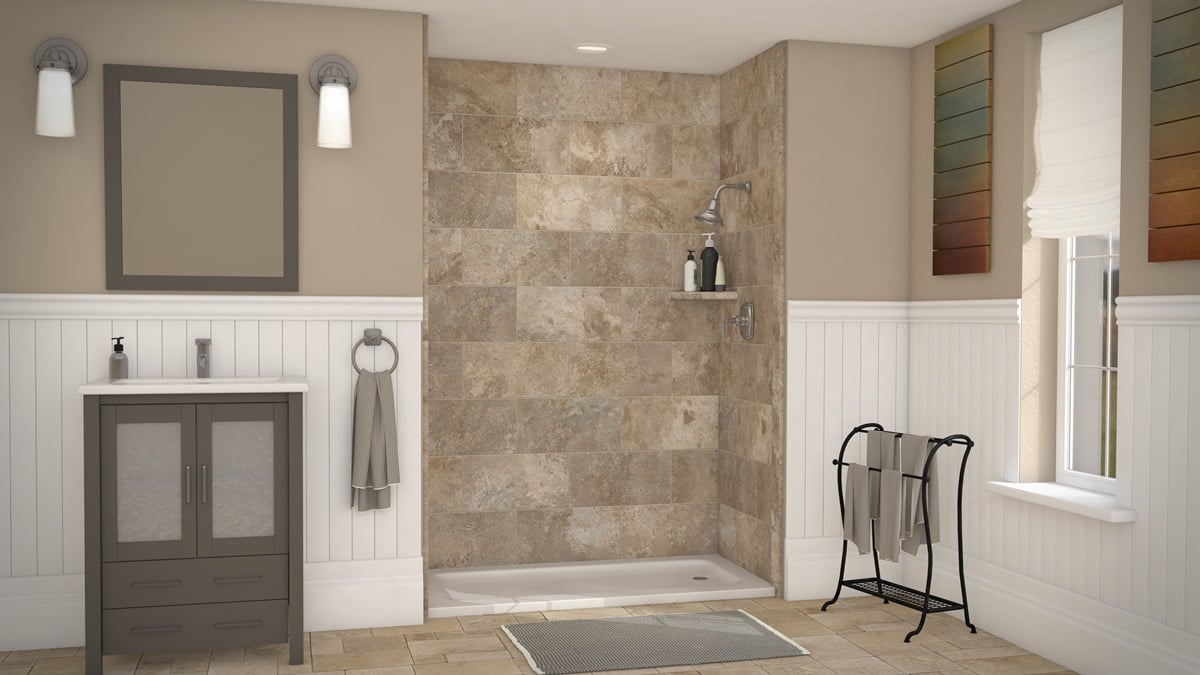
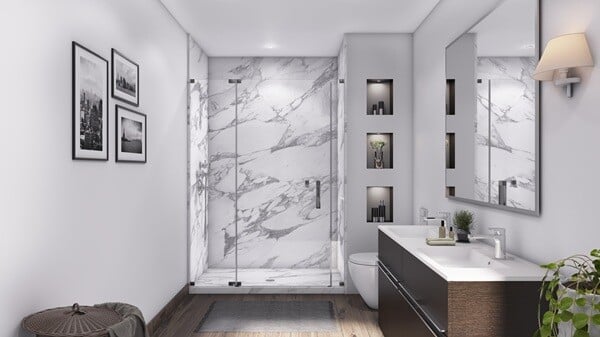
Bathroom projects are often driven by safety, ease of cleaning, and everyday function, not just style. Joyce’s bath pages focus on bathtub replacement, tub-to-shower conversions, shower replacement, and walk-in tubs, along with a Bath Cost Calculator.
Sunrooms And Outdoor Living Projects
If you want more usable living space or better everyday use of your outdoor area, delaying may mean missing another season of enjoyment. Joyce currently offers three-season and four-season sunrooms, patio and deck enclosures, screen rooms, and patio covers.
Entry And Patio Doors
A worn or outdated door affects curb appeal, comfort, and everyday use. Joyce’s main site positions its door offerings around durability, energy efficiency, security, and style.
When Waiting Might Actually Make Sense
A strong article should also be honest about when waiting is reasonable.
It may make sense to wait if:
- You are not yet sure what problem you are trying to solve
- You are planning to move very soon and the project is optional
- You have not set a workable budget yet
- You need more time to compare product types or priorities
- The project is mostly cosmetic and not urgent
In those cases, the smartest next step may not be to buy right away. It may be to gather pricing, review options, and talk through the scope so you can decide from a stronger position.
Related Article: Home Improvement
How To Decide If Now Is The Right Time For Your Home
A practical way to decide is to ask four questions:
Is The Problem Real Right Now?
If you are already living with drafts, maintenance issues, a hard-to-clean bath, or a door that no longer performs well, the benefit of acting is easier to measure.
Will Waiting Improve the Situation?
If waiting only delays the work without improving your options, it may not really be helping you.
Do You Have a Way to Budget For It?
Joyce offers financing options and project calculators for windows, baths, and sunrooms, which can help you move from vague concern to a more realistic budget discussion.
Have You Talked to a Company You Trust?
Joyce says it has been helping homeowners since 1955, is third-generation family-owned, and guides homeowners with clear communication, upfront pricing, custom solutions, and design consultations across its service areas.
Why Homeowners Turn to Joyce When Timing Matters
When homeowners are unsure about timing, they usually do not just need a product pitch. They need clarity.
Joyce’s current site positions the company around design consultations, pricing tools, financing options, factory-direct products in several categories, and more than 70 years in business. The company says it was founded in 1955, is third-generation family-owned, and serves homeowners across Ohio, Pennsylvania, North Carolina, and South Carolina. That kind of planning support matters when the real question is not just “Can I do this?” but “Should I do this now?”
Related Article: About Joyce
The Bottom Line
Is now a smart time to start a home improvement project? For many homeowners, yes.
Not because anyone can predict the market perfectly, but because real home problems rarely get cheaper, more comfortable, or easier to live with by waiting. If the project solves a current issue, fits your plans, and can be budgeted clearly, moving forward now can be the smarter choice.
Joyce gives homeowners several ways to start that process, including design consultations, financing options, and project calculators for windows, baths, and sunrooms. That makes the next step less about guessing and more about getting real numbers, clear options, and a plan that fits your home.

Frequently Asked Questions
Is It Better to Start A Home Improvement Project Now Or Wait?
It depends on the project, but waiting is not always the cheaper or safer choice. Joyce says pricing and promotions can change over time, and the current article argues that future demand can push costs and lead times higher.
What If I Am Not Ready To Pay For The Whole Project At Once?
Joyce says it offers financing options through multiple lenders, including revolving credit, low-interest loans, and 0% monthly payment plans for qualified homeowners.
Does Lower Mortgage Demand Automatically Mean Remodeling Will Get Cheaper?
Not necessarily. The current Joyce article argues that even when the housing market slows, underlying cost pressures like labor and operating expenses can remain elevated.
Which Home Improvement Projects Usually Make Sense To Prioritize?
Projects tied to comfort, safety, energy efficiency, and everyday function are often the strongest candidates. Joyce’s current offerings emphasize windows, baths, sunrooms, doors, siding, and roofing in those terms.
What Is The Best First Step If I Am Still Unsure?
A consultation and a realistic cost range are usually the best starting point. Joyce offers design consultations plus online calculators for windows, baths, and sunrooms.
Topics: