

A sunroom can be one of the most useful spaces in your home when spring gardening season begins. It gives you a bright, comfortable place to start seeds, organize planters, and enjoy the growing process before it is time to move plants outside. Joyce designs sunrooms to bring in more light, more comfort, and more usable living space, which makes them a natural fit for hobbies like seed starting and container gardening.
Quick Overview
A sunroom can make spring gardening easier by giving you a bright place to start seeds, monitor moisture, and protect young plants from unpredictable early-season weather. For best results, use a lightweight seed-starting mix, choose containers with drainage, and give seedlings plenty of light. South-facing light can help, but some plants may still need supplemental grow lights to stay sturdy. Joyce offers custom three-season and four-season sunrooms, patio enclosures, and screen rooms for homeowners who want a brighter, more usable space at home.
Why a Sunroom Works Well for Spring Gardening
Starting seeds indoors is a simple way to get a head start on flowers, herbs, and vegetables. A bright indoor growing area helps you keep young plants within easy reach so you can watch moisture, warmth, and growth more closely. Extension guidance also notes that bright south- or southwest-facing windows are best for high-light plants, although longer-start crops can still benefit from extra lighting.
A sunroom can also give you more space than a kitchen windowsill. Instead of balancing trays across counters and tables, you can create a dedicated gardening area that feels organized and enjoyable to use. For homeowners already thinking about adding more livable space, this is one more example of how a sunroom can support everyday life beyond simple lounging or entertaining. Joyce’s sunroom line includes three-season rooms, four-season rooms, patio and deck enclosures, and screen rooms, so homeowners can choose a setup that fits how they want to use the space.
What to Grow in Your Sunroom in Early Spring
Many homeowners use indoor spaces to start:
- herbs such as basil, parsley, and cilantro
- warm-season vegetables such as tomatoes and peppers
- flowers for garden beds and containers
- lettuce or other quick-growing greens in containers
Starting indoors can help plants develop before outdoor conditions are ready. University extension sources note that vigorous plants started indoors often flower sooner or produce earlier harvests than those started outside.
Simple Seed-Starting Tips That Make a Big Difference
If you want healthier seedlings, keep the setup simple and focus on the basics.
Use a seed-starting mix, not heavy garden soil.
Extension sources recommend a sterile, lightweight soilless mix because it drains well, reduces disease problems, and is better suited to germinating seeds than regular soil or dense potting blends.
Make sure containers have drainage.
Seedlings do not do well in soggy soil. Good drainage helps protect roots and lowers the risk of common seed-starting problems.
Give plants enough light.
Bright natural light is helpful, but some seedlings become weak or leggy without supplemental lighting. That is especially common with plants that spend a longer time indoors before transplanting.
Keep the mix moist, not soaked.
A growing mix should stay evenly moist during germination, but overwatering can cause trouble fast.
Label what you plant.
When several herbs, vegetables, or flowers are growing at once, labels save confusion later.
Related Article: Starting Seeds Indoor
A Fun DIY Option: Recycled Bottle Planters
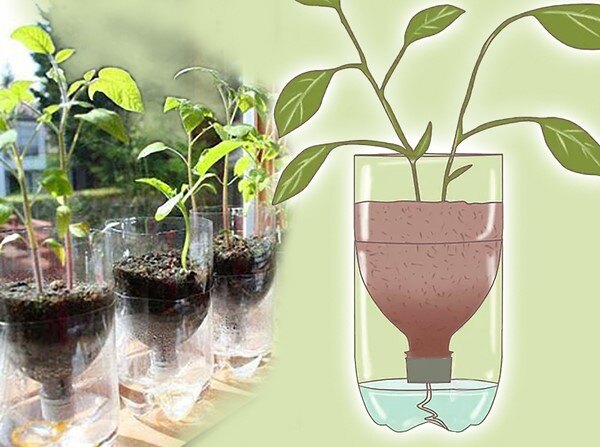
If you want a simple family project, recycled bottle planters can still be a fun way to start a few seeds indoors. The original article’s idea of turning a 2-liter bottle into a self-watering planter is creative and approachable, especially for homeowners gardening with kids. The updated version of this post should keep that project, but place it inside a more useful article that answers the bigger question readers actually have: how to use a sunroom for spring gardening successfully.
You can introduce the planter project as an optional weekend activity, then follow it with practical guidance on light, drainage, seed-starting mix, and where to place containers in the room.
Three-Season vs. Four-Season Sunrooms for Plant Lovers
Not every gardening setup needs the same type of room. Joyce explains that three-season sunrooms are a good fit for homeowners who want a bright room for spring, summer, and fall, while four-season sunrooms are better for year-round comfort and more flexibility in changing temperatures.
For spring seed starting, either option may help depending on how you use the space. A three-season room can be a great choice for seasonal enjoyment and gardening during milder months. A four-season room may be the better fit if you want a more insulated room that feels connected to the rest of the home and stays comfortable over a wider range of weather.
Related Article: Three-Season vs. Four-Season Sunroom
When a Sunroom Becomes More Than a Gardening Space
One of the best parts of a sunroom is that it does not need to serve just one purpose. In early spring, it can be your seed-starting zone. Later in the year, it can become a reading room, dining area, hobby room, or everyday gathering space. Joyce positions its sunrooms around more light, comfort, and usable living space, which is exactly why many homeowners see lasting value in this kind of addition.
Why Homeowners Choose Joyce for Sunrooms
Joyce designs, manufactures, and installs its own sunrooms and enclosures, giving homeowners a factory-direct experience from start to finish. Joyce has served homeowners since 1955, helped more than 20,000 families, and remains family-owned and three generations strong. That kind of experience can matter when you are planning a custom space that needs to fit your home, your goals, and your budget.
Ready to create a brighter space you can enjoy in spring and beyond? Book a Design Consultation with Joyce to explore custom sunrooms, screen rooms, and patio enclosures built for your home.
Want ideas first? View the Sunroom Gallery to see how homeowners are using custom sunrooms for relaxing, hobbies, and everyday living.

Frequently Asked Questions
Is a sunroom good for starting seeds?
Yes, a sunroom can be a practical place to start seeds because it offers bright natural light and a dedicated indoor area for trays and containers. Some seedlings may still need supplemental grow lights, especially if they stay indoors for a longer period.
Do seedlings grow well in natural light alone?
Sometimes, but not always. Bright south-facing light can help, yet extension sources note that certain seedlings can become leggy without added light.
What kind of soil should I use for indoor seed starting?
Use a lightweight, sterile seed-starting mix rather than topsoil or dense garden soil.
Is a three-season or four-season sunroom better for gardening?
That depends on how often you want to use the room and how much temperature control you want. Joyce positions three-season rooms for warmer-month use and four-season rooms for more year-round comfort.
How do I get pricing for a new sunroom?
Joyce says the best way to get accurate pricing is through a design consultation, where room type, size, layout, and features can be reviewed for your home.

