

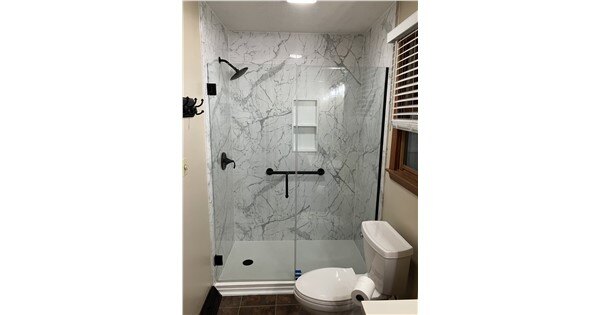
If you’re planning a new bath or shower, one of the biggest questions is usually simple: What is installation actually going to be like?
Will your bathroom be torn apart for days? Will there be dust everywhere? What happens if the crew finds old plumbing or water damage behind the walls?
Most bath and shower replacement projects follow a fairly predictable process. At Joyce Windows, Sunrooms & Baths, the goal is to protect your home, remove the old materials carefully, prepare the space properly, install the new bath or shower system, and leave you with a finished space that is ready to enjoy.
Here is what you can expect before, during, and after installation.
Before Installation Day
A little preparation can make installation day easier for everyone.
Before the crew arrives, remove personal items from the bathroom, especially anything stored around the tub or shower. Towels, toiletries, rugs, decorations, and items on nearby shelves should be moved out of the work area.
If possible, it can also help to provide a nearby workspace, such as a garage or driveway, where installers can measure and cut materials.
This is also a good time to take a few “before” photos. They make it much easier to appreciate the transformation once the project is complete.
When the installation team arrives, they will prepare the path from the entrance of your home to the bathroom and protect the areas where they will be working. Because demolition can create vibration, it may also be helpful to remove fragile pictures or decorations from nearby walls.
Bath and Shower Installation at a Glance
| Stage | What Typically Happens | What the Homeowner Should Know |
|---|---|---|
| Home protection | Crews protect floors and the route to the bathroom | Clear the path before arrival |
| Demolition | Existing wet-area materials are removed as contracted | Older materials can take longer to remove |
| Inspection | Exposed plumbing and wall areas are evaluated | Hidden conditions may affect the project |
| Plumbing | Valve, supply, or drain work is completed as needed | Older plumbing may require additional adaptation |
| Base or tub installation | New shower base or bathtub is positioned and secured | Support materials may need time to set |
| Wall preparation | Moisture-resistant backing is installed | What is behind the finished wall matters |
| Wall installation | Custom wall panels are measured, cut, and installed | Exact fitting occurs in the home |
| Accessories | Fixtures, shelves, seating, grab bars, and other selections are installed | Confirm placement before permanent installation |
| Shower enclosure | Curtain rod, standard enclosure, or measurements for custom glass are completed | Custom glass may require another visit |
| Sealing and cleanup | Seams are sealed and the bathroom is cleaned | Ask how long to wait before using the shower |
| Final walkthrough | Installer demonstrates the completed system | Ask about cleaning, operation, warranty, and service |
Removing the Existing Bath or Shower
Once the home is protected, the crew begins removing the existing tub or shower.
How long demolition takes depends heavily on what is already there.
A fiberglass tub or shower may come out relatively quickly. An older cast iron tub, heavy tile, plaster, or mud-set walls can take considerably longer. Some older wall systems can be surprisingly thick and difficult to remove.
The objective is to expose the area behind the existing bath or shower so the installers can see what they are working with and properly prepare the space for the new system.
This is also the point when conditions that were hidden behind the old walls may become visible.
What Happens If Something Unexpected Is Found?
No contractor can see through walls before demolition begins.
Once the old bath or shower is removed, installers may discover older plumbing, previous water damage, deteriorated materials, or other conditions that need attention before installing the new system.
That does not automatically mean there is a major problem. It simply means the space needs evaluation before moving forward.
A good remodeling company should explain what it found, why it matters, and what happens next, rather than simply covering the problem up.
Plumbing Comes Next
With the space opened, the plumbing can be evaluated and prepared for the new bath or shower.
The water may need to be temporarily shut off while valves, supply lines, or drains are adjusted. Modern copper or plastic plumbing can often be straightforward to work with, while older galvanized or cast iron plumbing may require additional adaptations.
The layout matters, too.
For example, converting a tub to a shower may require the drain location to change. In some homes, particularly those built on concrete slabs, moving plumbing can involve additional work.
This is one reason installation timelines can vary from one home to another.

Installing the New Tub or Shower Base
Once the plumbing and surrounding area are ready, the new tub or shower base can be installed.
The base is one of the most important parts of the entire project because it needs to feel solid and remain properly supported over time.
Depending on the system and installation method, a mortar bed may be used beneath the base to create a stable foundation. That material may need time to cure before the next stage of installation continues.
At Joyce, many bath and shower remodeling projects are completed in as little as two days, depending on the scope of the project and the conditions found during installation.
Installing the Walls, Fixtures, and Accessories
Once the base or tub is secure, the project begins to look much more like the finished bathroom you imagined.
The wall area is prepared, and the new bath or shower wall system is measured and fitted to the space. Fixtures such as the showerhead, valve trim, and handheld shower can then be installed.
This is also when selected accessories are added.
Depending on the design, that may include shelves, grab bars, seating, or a shower enclosure.
If your project includes a custom glass shower door, final measurements may need to be taken after the bath or shower itself has been installed. Because custom glass requires very precise measurements, the door may be installed during a separate visit.
Final Sealing, Cleanup, and Walkthrough
The final stage is about the details.
Seams and joints are sealed, fixtures are checked, and the installation is inspected before the crew completes the project.
The installers should also walk through the finished space with you, answer questions, and explain anything you need to know about using or caring for the new bath or shower.
Then comes one of the better parts of the process: cleanup.
The old materials, packaging, and installation debris are removed so you are not left with a beautiful new shower surrounded by a small construction site.
How Disruptive Is Bath or Shower Installation?
Any remodeling project creates some disruption, but replacing the wet area of a bathroom is generally much less involved than completing a full gut renovation.
Joyce focuses on bath and shower remodeling rather than tearing apart the entire bathroom. That can allow homeowners to update the space without the longer timeline and broader construction involved with moving walls, rebuilding the entire floor plan, or replacing everything in the room.
Knowing what will happen before installation begins also makes the process easier. Ask where the crew will enter, what areas need to be cleared, whether the water will need to be shut off, and how long the bathroom is expected to be unavailable.
A few conversations beforehand can eliminate a lot of surprises later.

What Should You Ask Your Bath Contractor Before Installation?
Before choosing a remodeling company, ask how the installation itself will be handled.
Find out who will be working in your home, how the surrounding areas will be protected, what happens if hidden damage is discovered, how plumbing changes are handled, and who is responsible if you need service after the project is complete.
The materials matter, but the installation behind them matters just as much.
At Joyce, bath projects are installed by our own W-2 installation crews, which gives us responsibility for the project beyond simply supplying the bath materials.
Wondering What Your Bath or Shower Project Could Cost?
Once homeowners understand the installation process, the next question is usually price.
The cost of a bath or shower remodel depends on the type of project, wall system, shower door, fixtures, accessories, accessibility features, and conditions in the existing bathroom.
You can use the Joyce Bath Cost Calculator to explore the options you are considering and get a ballpark price before scheduling an in-home consultation.

Ready to Start Planning Your New Bath or Shower?
A bath remodel should not feel mysterious.
Knowing how the old bath is removed, how the space is prepared, what happens behind the walls, and how the new system is installed can make the entire project easier to approach.
Joyce offers bathtub replacement, shower replacement, tub-to-shower conversions, walk-in tubs, and bath refresh projects using SignatureStone wall systems and professionally installed components.
If you are still researching, explore your options, look at finished projects, and get a better idea of pricing before deciding what makes sense for your home.
Frequently Asked Questions
How long does a Joyce bath or shower installation take?
Many standard Joyce wet-area projects are planned around approximately two installation days. Older plumbing, hidden damage, structural repairs, drain relocation, custom glass, or broader bathroom work can extend the timeline.
Do I need to remove my old bathtub before Joyce arrives?
No. Do not perform demolition unless Joyce specifically instructs you to do so. The contracted removal and installation work should be handled as part of the professional project.
Do I need to empty the bathroom?
Remove personal items from the tub or shower, counters, floor, and nearby work area. Ask whether cabinets or other storage need to be emptied.
Will Joyce protect my floors?
Joyce's current installation process includes protecting the route from the entrance to the bathroom before active demolition and installation begin.
Does Joyce remove the old shower walls?
For its standard wet-area installation process, Joyce describes removing existing materials to expose the underlying wall area before preparing and installing the new system. Exact demolition scope should be confirmed in the contract.
What happens if water damage is found behind the walls?
The condition should be evaluated before the new system covers it. The installer should explain what repair is required and whether it affects the agreed price or schedule.
Will my water be shut off?
Water normally needs to be shut off during parts of plumbing work. Ask when and for approximately how long because the answer depends on the home's plumbing and project.
Can Joyce move my shower drain?
Some projects require drain adjustments, particularly tub-to-shower conversions. The complexity depends on the existing plumbing and floor construction. Drain relocation in a concrete slab may require substantially more work.
Does Joyce install custom glass shower doors?
Yes. Joyce currently offers custom-measured glass doors. Final measurements are taken after the shower walls are installed, so the glass may require a later installation appointment.
Can I use my new shower the same day installation is finished?
Not necessarily. Sealants, adhesives, mortar, or other materials may need to cure. Follow the installation team's exact instructions about when the shower can first be exposed to water.
What is SignatureStone?
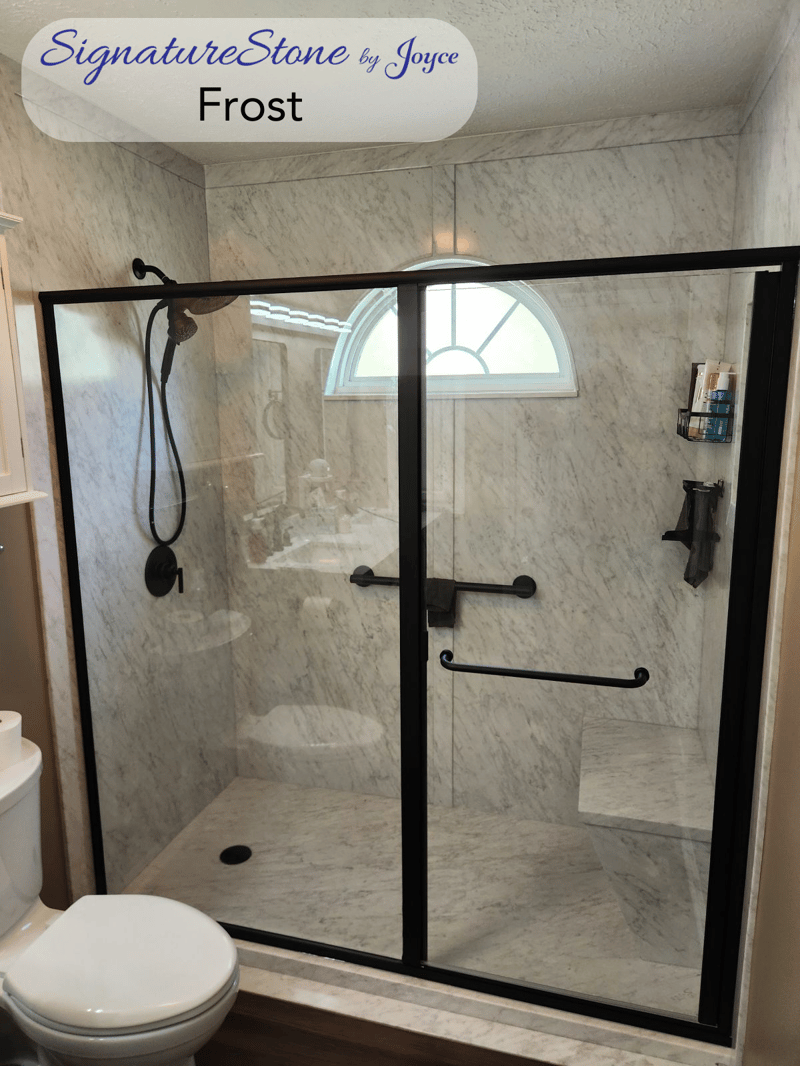
SignatureStone is Joyce's stone-inspired bath and shower wall system. It is designed to provide a low-maintenance surface without traditional rows of grout.
Does Joyce provide a warranty on bath installation?
Joyce currently provides a two-year labor warranty on qualifying projects, while product coverage depends on the installed materials and fixtures. Review the written warranty for your project.
How can I estimate the cost before scheduling a consultation?
Joyce's Bath Project Estimator provides a ballpark price based on project type and selected options. Exact pricing requires review of the bathroom and final project scope.

Final Takeaway
Knowing what happens during installation can make a bath or shower remodel feel much less disruptive.
Before installation:
- Clear the bathroom.
- Create an open path through the home.
- Protect or remove fragile nearby decorations.
- Make arrangements for children and pets.
- Confirm bathroom and water access.
- Know what your written contract includes.
During installation, expect the team to move through several important steps rather than simply cover the old bathroom:
protect → remove → inspect → prepare → install → seal → clean → review
Most importantly, ask questions when something is unclear.
A well-planned remodel should leave you knowing not only what your new bath or shower looks like, but also how it was installed, how to care for it, when you can use it, what warranty applies, and who to call if you ever need service.
Ready to start planning? Use the Joyce Bath Project Estimator to see what your project could cost, or book a design consultation to review your bathroom, design options, installation needs, and exact pricing.

Topics:
