

Executive Summary
A home improvement project involves more than selecting a window, bath, door, or sunroom. The people who measure, design, manufacture, schedule, install, and support the project all influence the final result.
A well-trained remodeling team should be able to:
- Explain your options in plain language
- Take accurate measurements
- Identify conditions that may affect installation
- Recommend products that fit your home and goals
- Protect your property during the work
- Install each product according to its requirements
- Communicate clearly when plans change
- Explain operation, care, and warranty procedures
- Provide a clear path for future service
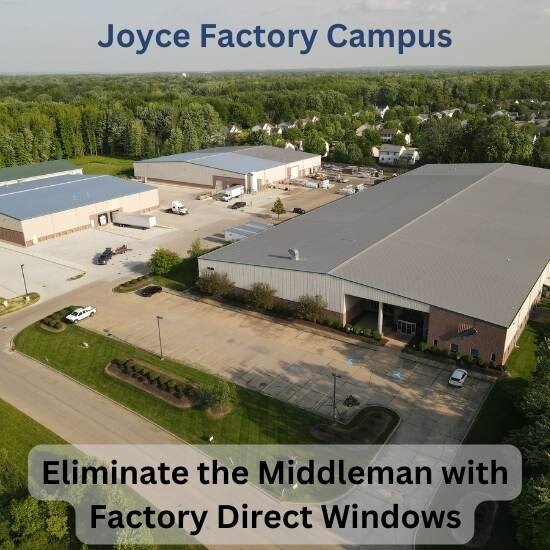
Joyce Windows, Sunrooms & Baths follows a factory-direct approach for many of its products, including windows, patio doors, and sunrooms. Joyce remains involved from design and manufacturing through installation and service, reducing the number of separate companies involved in the project.
Planning a home improvement project? Book a Design Consultation to discuss your home, goals, options, and next steps.

What Does Team Training Mean in Home Improvement?
Training should prepare each person to perform a defined part of the project correctly and consistently.
That may include knowledge of:
- Product construction
- Measuring procedures
- Design options
- Installation requirements
- Jobsite protection
- Safety practices
- Communication expectations
- Local project requirements
- Quality checks
- Product operation
- Care and maintenance
- Warranty and service processes
Training is not simply knowing how to use tools. It also means understanding how one decision affects the rest of the project.
For example, the person recommending a window should understand how its opening style affects exterior clearance. A sunroom designer should consider the existing patio or deck, roof connection, drainage, electrical needs, and intended seasonal use. A bath consultant should understand how seating, grab bars, storage, fixtures, and entry height affect daily use.
Why Does Training Matter to the Homeowner?
Homeowners experience the results of training through the project itself.
A trained team is better prepared to provide:
Clearer Recommendations
A consultant should be able to explain why a particular product, configuration, or feature fits the home rather than simply presenting every available option.
More Accurate Measurements
Replacement products are often custom-made. Measurement errors can affect fit, appearance, operation, sealing, installation, and schedule.
Better Project Planning
A trained team should identify likely installation concerns before work begins and explain which conditions may remain unknown until the existing product is removed.
More Consistent Installation
Windows, baths, doors, and sunrooms have different preparation, fastening, sealing, support, and finishing requirements. Installers need product-specific knowledge rather than relying only on general remodeling experience.
Less Confusing Communication
Homeowners should know what happens next, who to contact, what decisions remain, and how changes will be handled.
More Useful Service After Installation
A company that understands the product and keeps project information connected is better positioned to diagnose questions and coordinate service.
Training cannot guarantee that a project will never encounter an unexpected condition. It can help a team recognize problems, communicate them, and respond with a defined process.
How Training Affects Each Stage of a Remodeling Project
Home improvement involves several connected stages. Training matters at each one.
| Project stage | What a trained team should do | Why it matters |
|---|---|---|
| Initial consultation | Ask about the home, daily needs, style, comfort goals, and budget | Recommendations should fit the homeowner rather than follow a generic script |
| Inspection and measurement | Record accurate dimensions and note visible conditions | Custom products and installation plans depend on reliable information |
| Product selection | Explain differences in materials, styles, operation, and maintenance | Homeowners need to understand what they are choosing |
| Manufacturing or ordering | Translate approved measurements and options into the correct product | Errors can delay the project or produce the wrong configuration |
| Scheduling | Coordinate production, permits, trades, materials, and homeowner access | Clear scheduling reduces avoidable confusion |
| Installation | Protect the home, prepare the opening, install the product, and check operation | Product quality depends partly on installation quality |
| Final walkthrough | Demonstrate operation, care, and completed work | Homeowners should understand the finished project |
| Warranty and service | Document the project and explain how to request help | Support should continue after installation day |
1. Training Helps Consultants Ask Better Questions
A productive design consultation should begin with the homeowner’s needs—not a preset product presentation.
The consultant should ask questions such as:
- What problem are you trying to solve?
- Which parts of the current product are not working?
- How is the room used?
- Who uses the space?
- Is comfort, maintenance, safety, appearance, or cost the main priority?
- Are you planning to stay in the home?
- Which features matter most?
- Are there timing or access concerns?
- What budget range are you considering?
These questions help distinguish a real need from an optional upgrade.
For example, a homeowner replacing windows may care most about easier operation and cleaning, while another may be addressing drafts, damaged frames, strong afternoon sun, or an outdated exterior appearance.
A bath customer may need a lower entry and seating rather than a full-room redesign. A sunroom customer may want a seasonal entertaining space rather than a year-round addition.
The recommendation should reflect those differences.

2. Product Knowledge Helps Homeowners Compare Options
Home improvement products often look similar in a brochure but perform differently in the home.
A trained consultant should explain the practical differences between options.
For Replacement Windows
The discussion may include:
- Double-hung, sliding, casement, awning, and picture styles
- Ventilation
- Cleaning
- Exterior clearance
- Glass packages
- Frame colors
- Decorative grids
- Hardware
- Custom sizing
- Installation conditions
Joyce offers custom replacement-window styles and manufactures many of its windows at its Berea, Ohio factory. Its factory-direct process connects product design and manufacturing with installation and service.
For Sunrooms
The team should be able to explain: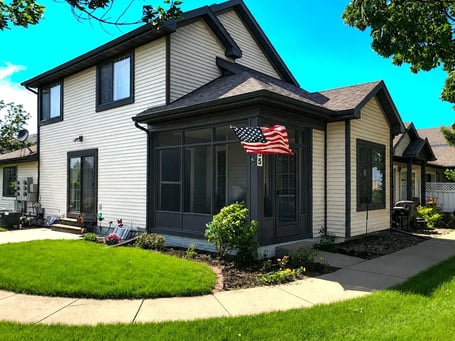
- Three-season versus four-season use
- Patio covers and screen rooms
- Roof styles
- Window and door placement
- Foundation or deck conditions
- Insulation
- Glass
- Heating and cooling planning
- Electrical options
- Permits and engineering
- Project pricing factors
For Baths and Showers
The discussion may include: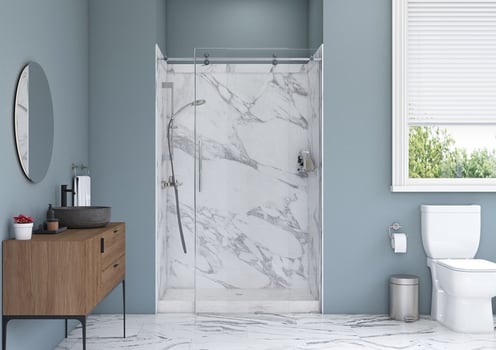
- Bathtub replacement
- Shower replacement
- Tub-to-shower conversion
- Walk-in tubs
- Wall-surround materials
- Seating
- Grab bars
- Storage
- Fixtures
- Doors
- Maintenance
- Installation scope
Joyce currently offers windows, sunrooms, baths and showers, entry and patio doors, and additional services where available.
3. Measurement Training Matters for Custom Products
Accurate measurement is essential when a product is built for a specific opening.
The person measuring should understand more than the visible width and height.
Depending on the project, measurements and observations may include:
- Opening width and height
- Whether the opening is square and level
- Frame depth
- Interior and exterior trim
- Wall thickness
- Sill condition
- Door swing
- Exterior clearance
- Plumbing location
- Roof connection
- Foundation or deck condition
- Access for materials and installation
- Signs of water damage
- Nearby outlets, vents, or fixtures
No measurement process can reveal every hidden condition. Water damage, deterioration, improper earlier work, or structural problems may remain concealed until removal begins.
A trained team should explain that possibility before installation and describe how additional work would be documented and approved.
4. Training Connects Design Decisions to Installation
A design can look attractive on paper but create installation or everyday-use problems if practical conditions are ignored.
Examples include:
A Casement Window Near a Walkway
The outward-opening sash may interfere with people walking past the home.
A Shower Seat in the Wrong Location
The seat may block the entry, controls, storage, or comfortable movement.
A Sunroom Door Behind a Dining Chair
The room may technically fit the furniture but become inconvenient to use.
A Patio Door Without Enough Exterior Clearance
Steps, decks, railings, landscaping, or drainage may affect the design.
A Grab Bar Without Planned Support
The location and wall preparation should be considered before the finished surface is installed.
Training helps teams identify these conflicts before a custom product is manufactured or installed.
5. Manufacturing Knowledge Can Improve Coordination
Joyce’s factory-direct model means the company is involved in designing and manufacturing many of its own windows, patio doors, and sunrooms, as well as installation and service.
That connection can help teams understand:
- How products are constructed
- Which custom options are available
- How measurements affect manufacturing
- How components fit together
- Which installation details matter
- How replacement parts or service questions should be handled
A company that sells an unrelated manufacturer’s product may still provide excellent work. The homeowner should understand how the seller, manufacturer, installer, and warranty provider are connected.
Fewer handoffs can simplify accountability, but homeowners should still review the written proposal, installation scope, warranty, and service process.
6. Installation Training Protects Product Performance
Even a well-made product can underperform when it is installed incorrectly.
Installation practices vary by product, but a trained crew should generally understand how to:
- Confirm the correct product and opening
- Protect floors, furniture, landscaping, and nearby surfaces
- Remove the existing product carefully
- Inspect the exposed area
- Prepare and level the opening
- Secure the new product correctly
- Insulate and seal appropriate gaps
- Manage water and drainage
- Install trim and finish details
- Test operation
- Clean the work area
- Complete a final review
For windows and doors, poor alignment may affect opening, locking, sealing, and appearance.
For a bath or shower, preparation, plumbing connections, wall conditions, panel fitting, sealing, fixtures, and drainage all require attention.
For a sunroom, the foundation, framing, roof, windows, doors, drainage, electrical features, and connection to the house must work as a complete system.
7. Jobsite Training Can Reduce Remodeling Stress
Home improvement takes place in and around a family’s home.
A trained team should understand that the jobsite is not simply a construction area. It is also the homeowner’s living space.
Jobsite expectations may include:
- Confirming arrival and access
- Protecting floors and nearby belongings
- Establishing safe work areas
- Managing tools and debris
- Limiting unnecessary disruption
- Keeping exterior doors secure
- Communicating when water or power may be interrupted
- Considering children and pets
- Cleaning at the end of the workday
- Explaining when the new product can be used
Homeowners should ask how the company protects the home and what preparations they need to make before installation.
8. Communication Training Matters When Something Changes
Projects do not always unfold exactly as expected.
A team may discover:
- Hidden water damage
- Wood rot
- Outdated plumbing
- An uneven opening
- An unexpected structural condition
- An inaccessible utility
- Earlier work that was not completed correctly
- Weather-related delays
- Material or scheduling issues
When this happens, the homeowner should receive a clear explanation of:
- What was discovered
- Why it matters
- Whether work must pause
- What options are available
- How the schedule may change
- Whether the price may change
- What written approval is required
Training should include how to communicate problems without using unnecessary jargon or pressuring the homeowner into a rushed decision.
9. The Final Walkthrough Is Part of the Project
A project should not end as soon as the last tool is packed away.
During the final walkthrough, the homeowner should be shown:
- How the product operates
- How locks, handles, doors, windows, or fixtures work
- How to clean and maintain the new product
- Which cleaners or tools to avoid
- What normal operation looks like
- Which documents should be kept
- What warranty coverage applies
- How to request service
- Which work was completed
- Whether any remaining items need follow-up
The walkthrough is also a chance to identify a question before the crew leaves.
10. Training Supports Better Service After Installation
Homeowners may have questions months or years after installation.
Useful project records may include:
- Customer information
- Product type
- Measurements
- Selected options
- Glass, color, hardware, or finish details
- Installation date
- Installer notes
- Warranty documents
- Photographs
- Service history
A connected product, installation, and service process can make it easier to determine what was installed and how a concern should be addressed.
Joyce presents its factory-direct approach as one company involved from design and manufacturing through installation and service for many of its products.

How Can You Tell Whether a Remodeling Team Is Properly Prepared?
Homeowners cannot observe every internal training process, but they can ask specific questions.
Ask the company:
- Who will inspect and measure my project?
- What product-specific training does that person receive?
- Who manufactures or supplies the product?
- Who performs the installation?
- Are installation requirements documented?
- How are crews prepared for different products?
- Who supervises the work?
- How are quality checks completed?
- What happens when hidden damage is found?
- Who communicates schedule changes?
- What is included in the final walkthrough?
- Who handles warranty and service requests?
- Are licenses required for any part of the project?
- Which permits or inspections may apply?
- Can I review the warranty before signing?
Look for clear, direct answers. Vague assurances such as “our crews are the best” are less useful than a description of the actual process.
What Training Claims Should a Homeowner Verify?
Companies may use broad phrases such as:
- Certified installers
- Factory-trained
- Master installers
- Expert craftsmen
- Background-checked teams
- Licensed professionals
- Manufacturer-approved installation
Ask what each phrase means.
For example:
- Who provides the certification?
- Is it current?
- Does it apply to every installer or only some employees?
- Is it product-specific?
- Does a license apply to the company, supervisor, or individual trade?
- Are subcontractors used?
- Who remains responsible for the completed work?
Joyce emphasizes trained professionals, expert craftsmanship, factory-direct coordination, professional installation, and one-company accountability.
How Does Joyce’s Factory-Direct Approach Affect Training?
For many of Joyce’s products, the company is involved through several connected stages:
- Design
- Manufacturing
- Product customization
- Installation
- Service
Joyce manufactures many of its windows, patio doors, and sunroom products and is headquartered in Berea, Ohio.
Factory-direct does not eliminate the need for homeowners to ask questions. Review:
- Product specifications
- Final selections
- Installation scope
- Payment terms
- Scheduling
- Warranty coverage
- Exclusions
- Service procedures
Why Choose Joyce for a Home Improvement Project?
Joyce Windows, Sunrooms & Baths has served homeowners since 1955 and remains a third-generation, family-owned company headquartered in Berea, Ohio. Joyce serves markets in Ohio, Pennsylvania, North Carolina, and South Carolina.
Homeowners can work with Joyce for:
- Custom replacement windows
- Energy-efficient windows
- Sunrooms
- Patio and deck enclosures
- Screen rooms
- Patio covers
- Bath and shower remodeling
- Tub-to-shower conversions
- Walk-in tubs
- Entry doors
- Patio doors
- Additional exterior services where available
Joyce’s factory-direct process applies to many windows, patio doors, and sunrooms, connecting design, manufacturing, installation, and service through one company.

Choose a Team That Can Explain the Process
Homeowners should not have to become window manufacturers, bath installers, or sunroom engineers to feel confident about a project.
The remodeling company should be able to explain:
- What is being recommended
- Why it fits the home
- How the product will be measured and prepared
- Who will perform the work
- What the installation includes
- What may change the price or schedule
- How the finished product should operate
- How warranty and service requests are handled
Training matters because every team member influences the homeowner’s experience—from the first conversation through the final walkthrough and future service.
Frequently Asked Questions About Home Improvement Team Training
Why does installer training matter?
Installer training matters because product performance depends partly on preparation, alignment, fastening, sealing, connection details, testing, and finishing. Different products require different installation methods.
What should a trained design consultant do?
A trained consultant should ask about the home and homeowner’s goals, explain relevant options, identify visible project conditions, take or coordinate accurate measurements, and present a clear project scope.
Does a good product make installation training less important?
No. A high-quality product can still operate or perform poorly if it is measured, prepared, installed, insulated, sealed, or finished incorrectly.
What does factory-trained mean?
The term generally suggests training connected to a particular manufacturer or product. Homeowners should ask who provided the training, what it covered, whether it involved testing, and which members of the project team completed it.
How can I verify a remodeler’s training claims?
Ask for the name of the training or certification, the organization that issued it, who on the project holds it, and whether it is current. Verify licenses through the appropriate state or local authority when licensing applies.
Who should explain unexpected installation problems?
The project representative or supervisor should explain what was discovered, why it matters, the available options, and any effect on price or schedule before unplanned work proceeds.
What should happen during a final walkthrough?
The team should review the completed work, demonstrate operation, explain cleaning and maintenance, provide relevant documents, discuss warranty service, and identify any remaining follow-up items.
Does Joyce manufacture its own products?
Joyce manufactures many of its own factory-direct products, including windows, patio doors, and sunrooms. Other product categories may use different manufacturing or supply arrangements.
Where does Joyce provide home improvement services?
Joyce serves homeowners in markets across Ohio, Pennsylvania, North Carolina, and South Carolina. Availability of specific services depends on the project location.
How can I start a project with Joyce?
Begin by booking a design consultation. The consultation allows the team to discuss the home, project goals, design options, scope, and next steps.

Topics: