
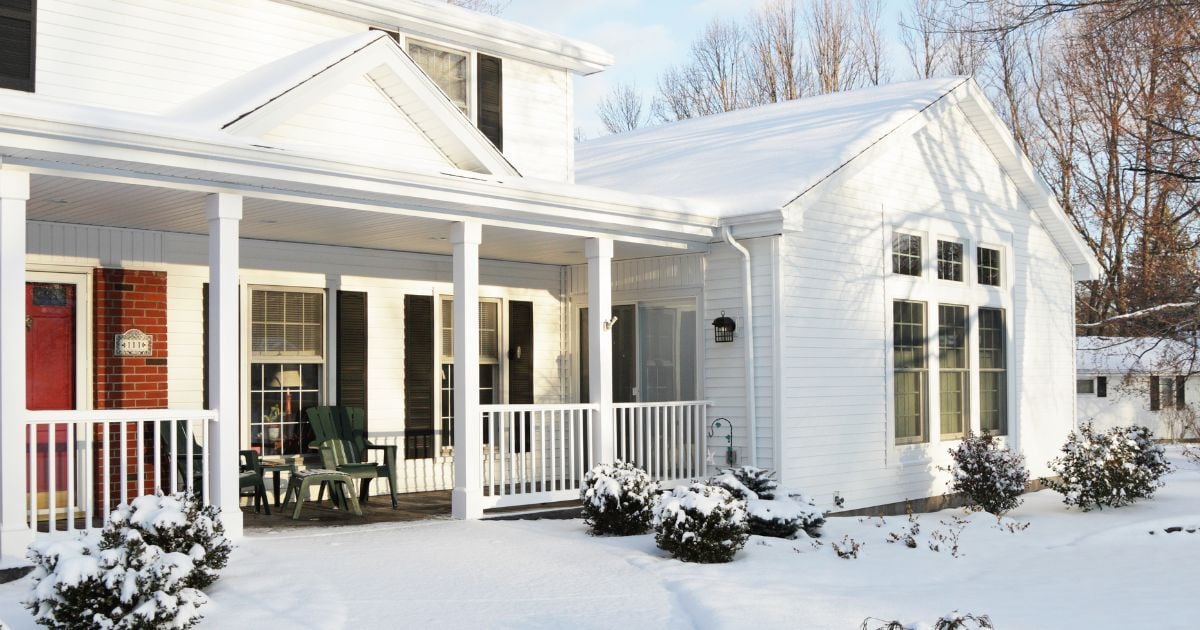
When homeowners start shopping for new windows or doors, energy efficiency is usually one of the first things they ask about. But the smartest question is not:
What’s the most efficient window available?
The better question is:
What level of window and door efficiency makes the most sense for my climate, my home, and my budget?
The answer depends on several factors, including where you live, how your home is heated and cooled, how much sun exposure your home gets, and the technology built into the windows and doors you choose.
Understanding those factors helps homeowners make a better long-term investment and avoid paying for upgrades that may not deliver meaningful benefits in their area.
Why Window and Door Efficiency Matters More Than Ever
Heating and cooling account for a large portion of the average home’s energy use. Older or poorly performing windows and doors are often a major source of energy loss because they can allow:
- Heat to escape during winter
- Solar heat to enter during summer
- Air leakage that forces HVAC systems to work harder
- Drafts and uneven indoor temperatures throughout the home
Modern window and door technology has improved dramatically. Today’s high-performance products can help reduce energy loss, improve comfort, and support more consistent indoor temperatures year-round.
But not every home needs the same performance package. The right level of efficiency depends heavily on your climate.
How to Choose the Right Window Efficiency for Your Geographical Area
A simple way to choose the right windows and doors is to start by identifying your region’s biggest challenge:
- Cold climates need strong insulation and heat retention
- Mixed climates need a balance of insulation and solar heat control
- Hot climates need better protection from solar heat gain
That means the best choice is usually not the product with the most extreme numbers across every category. It is the product designed to solve the biggest comfort and energy issues in your specific environment.
Window Efficiency by Climate Chart
|
Climate Area |
Main Efficiency Goal |
Performance Features to Prioritize |
What Often Makes the Most Sense |
|
Northern / Cold Climate |
Keep indoor heat from escaping |
Low U-factor, advanced Low-E glass, insulated glass units, strong air infiltration performance |
Advanced double-pane or triple-pane, depending on winter severity and budget |
|
Mixed Climate |
Balance winter insulation and summer heat control |
Low U-factor, controlled solar heat gain, low air leakage |
High-performance double-pane glass with climate-specific coatings |
|
Southern / Hot Climate |
Reduce solar heat entering the home |
Low SHGC, spectrally selective Low-E coatings, insulated frames |
Double-pane systems with strong solar control often provide excellent value |
|
Homes with High Sun Exposure in Any Region |
Limit heat buildup and improve comfort |
Glass package tuned to sun exposure, low air infiltration, and frame quality |
A targeted upgrade based on home orientation and exposure |
Northern Climates: Focus on Heat Retention
In colder northern regions, where heating demand dominates much of the year, the main goal is to keep warmth inside the home.
Low U-Factor Is a Key Priority
The U-factor measures how well a window prevents heat from escaping. The lower the number, the better the insulating performance. In cold climates, choosing windows with a low U-factor can make a noticeable difference in both comfort and heating costs.
Low-E Glass Helps Reflect Heat Back Indoors
Low-emissivity, or Low-E, coatings are designed to reflect heat back toward the interior of the home while still allowing natural light to pass through the glass.
Insulated Glass Units Improve Thermal Performance
Most high-performance windows include insulated glass units with gas sealed between the panes. This slows heat transfer and helps reduce energy loss.
Triple-Pane Windows Can Add Insulation
Triple-pane glass can provide additional insulation and may help reduce cold interior glass surfaces during winter. In especially harsh climates, it can be a smart upgrade.
However, modern glass systems have improved so much that high-performance double-pane windows with advanced coatings can often deliver excellent efficiency and value in many northern homes.

Mixed Climates: Balance Heating and Cooling
In regions with both cold winters and warm summers, windows and doors need to work across both extremes.
The goal is to balance insulation with solar heat control.
Key Performance Factors in Mixed Climates
Low U-factor
This helps improve efficiency during winter by reducing heat loss.
Controlled solar heat gain
Proper glass coatings can help limit unwanted heat during the summer.
Low air infiltration
Quality construction helps reduce drafts and air leakage, improving comfort year-round.
For many homeowners in mixed climates, a well-designed double-pane system with a climate-appropriate Low-E coating offers the best overall balance of performance and value.
Southern Climates: Focus on Solar Heat Control
In warmer climates where cooling demand dominates, the challenge shifts from keeping heat in to keeping solar heat out.
Low SHGC Becomes More Important
The Solar Heat Gain Coefficient (SHGC) measures how much solar heat passes through the glass. Lower SHGC values can help reduce cooling loads and improve comfort in hot, sunny climates.
Spectrally Selective Glass Helps Block Heat While Preserving Light
Advanced Low-E coatings can allow visible light into the home while blocking a significant amount of infrared heat.
Frame Design Still Matters
Well-insulated frames and quality window construction also help reduce heat transfer and support better overall energy performance.
In many southern regions, homeowners get the best results by prioritizing solar control rather than simply chasing the lowest U-factor possible.
Glass Technology Has Changed the Game
One of the biggest advancements in window efficiency is modern insulating glass technology.
Today’s high-performance windows often include:
- Multiple panes of glass
- Inert gas fills that slow heat transfer
- Advanced Low-E coatings
- Warm-edge spacer systems that reduce heat loss around the perimeter
Together, these features can dramatically improve thermal performance while still maintaining natural light and clear views.
Why Manufacturing Quality Matters
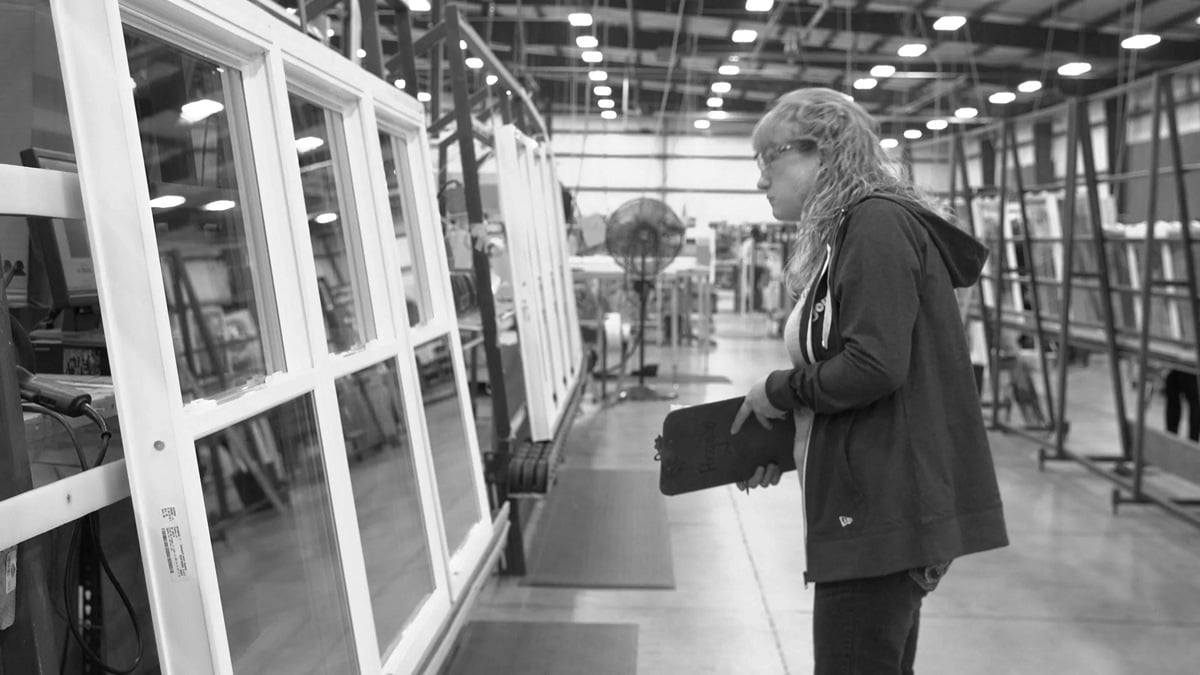
Energy efficiency is not determined by glass alone. The way the window and insulating glass unit are manufactured plays a major role in long-term durability and real-world performance.
High-quality manufacturers invest in:
Precision Manufacturing
Advanced manufacturing systems help ensure consistent spacing, accurate assembly, and reliable sealing.
Strong Spacer and Seal Systems
Insulating glass units must remain sealed over time. Premium spacer and seal systems help them withstand temperature swings, moisture, and long-term environmental stress.
Strict Quality Control
Reliable performance depends on tight tolerances, consistent materials, and careful inspection throughout production.
A window with impressive ratings still needs strong construction to deliver long-term value.
Don’t Chase Ratings Alone
It is easy to compare windows based strictly on performance numbers. While those ratings matter, the highest numbers do not always equal the best investment.
Some upgrades may slightly improve laboratory performance while adding significant cost, with little real-world energy savings for the homeowner.
The better approach is to focus on overall value.
The right window or door should balance:
- Strong insulating performance
- Climate-appropriate glass technology
- Low air leakage
- Proven durability
- High manufacturing quality
- A price that makes sense for long-term return
Working with experienced professionals can help homeowners understand which features are worth the investment for their specific home and which upgrades may offer only marginal benefit.
The Best Window Efficiency Level Is the One That Fits Your Climate
The best window or door is not always the most extreme package available. It is the one that best fits:
- Your geographical area
- Your heating and cooling demands
- Your home’s sun exposure
- Your comfort goals
- Your budget
For many homeowners, that means choosing the right combination of U-factor, SHGC, air infiltration performance, glass technology, and construction quality rather than simply paying for the most expensive option.
Comfort, Efficiency, and Long-Term Performance
Replacing windows and doors is one of the most meaningful improvements a homeowner can make.
Modern products can help deliver:
- More consistent indoor temperatures
- Fewer drafts and cold spots
- Reduced heating and cooling demand
- Improved comfort throughout the year
- Better curb appeal and long-term value
As energy costs continue to rise, choosing the right level of efficiency for your climate becomes an increasingly important decision.

Frequently Asked Questions
1. What window efficiency level is best for cold climates?
In cold climates, homeowners usually benefit most from windows with a low U-factor, strong insulating performance, and high-quality Low-E glass. Triple-pane windows may be worth considering in very cold areas, but advanced double-pane systems can also perform very well in many homes.
2. What should homeowners prioritize in hot climates?
In hot climates, homeowners should focus on reducing solar heat gain. That usually means choosing windows with a low SHGC, spectrally selective glass coatings, and well-insulated frames to help reduce cooling costs.
3. Are triple-pane windows always worth the extra cost?
Not always. Triple-pane windows can be an excellent choice in very cold climates, but they are not automatically the best value in every region. In many situations, high-performance double-pane windows provide the right balance of efficiency, comfort, and return on investment.
4. How do I choose energy-efficient windows and doors for my area?
Start by identifying whether your climate is primarily heating-dominated, cooling-dominated, or mixed. Then compare products based on U-factor, SHGC, air infiltration, glass coatings, and frame quality. The best choice is usually the one designed for your local conditions, not simply the one with the most aggressive specs.
Trust the Experts to Help You Choose the Right Windows for Your Home
Since 1955, Joyce has been helping homeowners improve their homes with high-quality products and expert guidance. With decades of experience in the industry, Joyce understands that the best window for one home may not be the best fit for another. Our team will help you select the right windows and doors for your home, your goals, and your climate, so you can make a confident investment no matter where you live.

Topics:
