

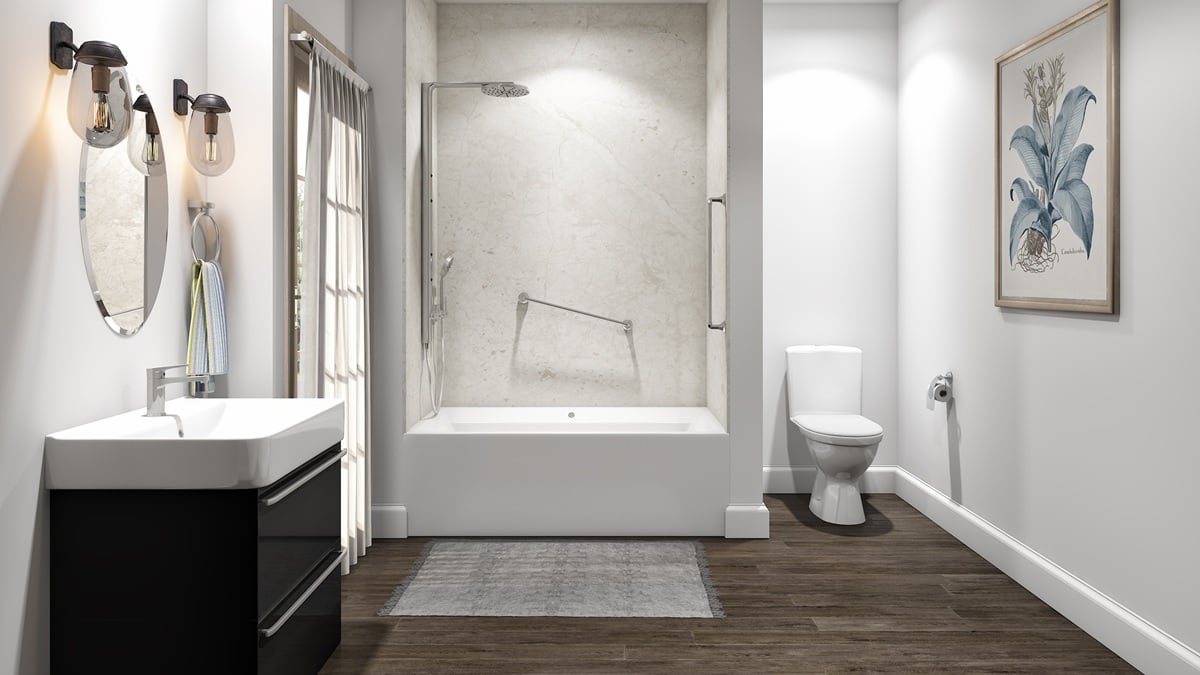
Executive Summary
You do not need a bathtub in every bathroom to sell a home.
However, keeping at least one practical bathtub may help your home appeal to a broader range of buyers, especially households with infants or young children and buyers who regularly prefer baths.
Removing an unused tub can still make sense when:
- Another full bathroom has a bathtub
- You need safer or easier shower access
- You plan to remain in the home for several years
- A walk-in shower better fits your daily routine
- The existing bathtub is damaged, difficult to use, or taking up needed space
The safest resale-focused approach is often to keep one functional tub somewhere in the home while converting another tub into a comfortable walk-in shower.
Your local housing market matters, so speak with an experienced real estate professional before remodeling solely for resale.
Considering a bathtub replacement or tub-to-shower conversion? Use the Joyce Bath Project Estimator for a ballpark price or book a design consultation for project-specific recommendations.

Does a House Need a Bathtub to Sell?
No. A house can sell without a bathtub.
The more useful question is whether removing the only bathtub could make the home less attractive to certain buyers.
The National Association of REALTORS® has reported that tubs can be especially important to families with young children and to buyers who enjoy bathing. That does not mean every buyer requires one, but it shows why a tub may broaden a home’s appeal.
Buyer priorities also depend on factors such as:
- The number of bathrooms
- The size and price range of the home
- The home’s likely buyer
- The local market
- Accessibility needs
- The quality of the remaining shower
- Whether the home is being sold soon
- How long the current homeowner plans to stay
There is no universal appraisal rule that says a home without a bathtub must lose a specific amount of value.
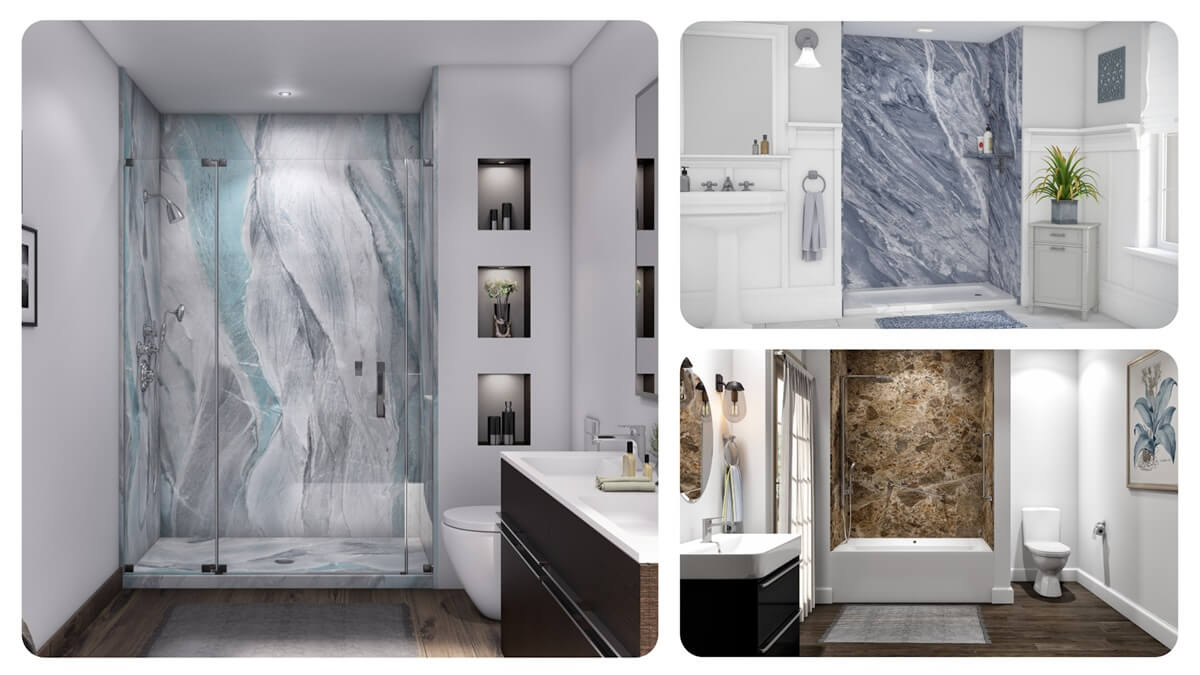
Bathtub or Walk-In Shower: Which Choice Makes More Sense?
| Your Situation | Option to Consider | Why |
|---|---|---|
| The home has only one bathroom | Keep a tub-shower combination or replace the tub | Preserves bathing and showering flexibility |
| The home has two or more bathrooms and another tub will remain | Convert one tub into a walk-in shower | Supports daily convenience while retaining a tub elsewhere |
| You plan to sell soon | Ask a local real estate professional before removing the only tub | Buyer expectations vary by neighborhood and home type |
| You plan to remain in the home for many years | Prioritize daily comfort and safe access | Your current needs may matter more than uncertain future preferences |
| Stepping over the tub wall is difficult | Consider a low-threshold shower or walk-in tub | May make bathing easier and safer |
| The existing tub is damaged or outdated but still useful | Replace the bathtub and wall system | Keeps the function while improving appearance and maintenance |
| The bathroom is used mainly by children | Retain a practical bathtub | Many families find tubs convenient for young children |
| The primary bathroom has a large unused tub | Consider replacing it with a shower if another tub remains | Recovers space without eliminating all tubs |

Why Do Some Buyers Still Want a Bathtub?
Families With Infants or Young Children
A conventional bathtub can be convenient for bathing babies and small children.
That is one reason a home without any bathtub may appeal to a narrower buyer group in markets where families with children are common. NAR has identified young families as one of the groups most likely to place importance on having a bathtub.
This does not mean every parent will reject a shower-only home. It means a tub may preserve one familiar and practical option.
Buyers Who Regularly Take Baths
Some buyers value a bathtub for relaxation or personal preference.
A NAR article cited research reporting that more than one-third of U.S. residents took baths weekly. That study was commissioned by a bath manufacturer and should not be treated as a universal buyer forecast, but it does show that bathing remains part of many people’s routines.
Buyers Who Want Flexible Bathroom Options
A home with both a bathtub and a walk-in shower can serve more routines than a home with only one bathing format.
That flexibility may be useful for:
- Children
- Guests
- Pet washing
- Soaking
- Showering
- Different household members
- Changing needs over time
For many multi-bathroom homes, the most balanced layout is one practical tub and one upgraded shower.

Does a Bathtub Automatically Increase Home Value?
No.
A bathtub may broaden buyer appeal, but that is different from proving that it adds a fixed dollar amount to the home.
Resale value can be affected by:
- The home’s location
- Overall condition
- Number of bathrooms
- Bathroom layout
- Quality of installation
- Age and condition of fixtures
- Comparable nearby sales
- Current buyer demand
- Whether work was properly permitted
- The usefulness of the completed design
NAR’s 2025 Remodeling Impact Report found increased buyer demand for bathroom renovations and estimated that bathroom renovation projects recovered about half their cost at resale on average. That research evaluates bathroom renovation broadly; it does not establish that retaining or adding a bathtub produces a specific return.
Do not remodel solely on the assumption that one fixture will guarantee a higher sale price.
Is the “One-Tub Rule” a Real Rule?
No. It is a common remodeling and real estate guideline, not a building, appraisal, or resale rule.
The idea is simple:
When practical, retain at least one functional bathtub in the home to avoid excluding buyers who consider a tub important.
That guideline can be useful, but it should not override safety or daily usability.
For example, keeping an unused tub that is difficult for the homeowner to enter may make less sense than creating a safer shower—especially when the homeowner plans to remain in the home for several years.
A local real estate agent can provide more relevant advice about buyers in your specific neighborhood and price range.
When Does a Tub-to-Shower Conversion Make Sense?
A tub-to-shower conversion may be a practical choice when the existing bathtub is rarely or never used.
It may provide:
- Easier entry and exit
- More open standing space
- A cleaner, updated appearance
- Better placement for seating and grab bars
- More convenient daily showering
- Less need to step over a high tub wall
Joyce offers tub-to-shower conversions that replace an existing bathtub area with a custom walk-in shower designed around easier access, style, and everyday comfort. Available options can include custom wall systems, fixtures, shelving, seating, grab bars, and other accessories.
A conversion is often easier to justify when:
- Another bathtub remains in the home.
- The homeowner has difficulty stepping over the tub wall.
- The shower will be used every day.
- The home is not being remodeled only for an immediate sale.
- The new shower will be professionally designed and installed.
- The bathroom layout will remain practical.
When Should You Think Carefully Before Removing a Tub?
Removing the tub may require more consideration when:
- It is the only bathtub in the home.
- The home has only one full bathroom.
- The home is likely to appeal to families with young children.
- You expect to sell soon.
- You have not asked a local agent about buyer expectations.
- The proposed shower will be unusually small or awkward.
- The remodel would reduce the bathroom’s practical flexibility.
Keeping a tub does not require keeping an old, stained, difficult-to-clean fixture.
A bathtub replacement can preserve the function while updating the walls, fixtures, storage, safety features, and overall design.
Joyce offers bathtub replacement systems as well as shower replacements, tub-to-shower conversions, and walk-in tubs.
Which Type of Bathtub Is Best for Resale?
There is no single bathtub style that guarantees the best resale result.
The most useful choice is usually one that fits the room, is easy to maintain, and serves the home’s likely users.
Alcove Tub or Tub-Shower Combination
An alcove tub is installed between three walls and often includes a showerhead.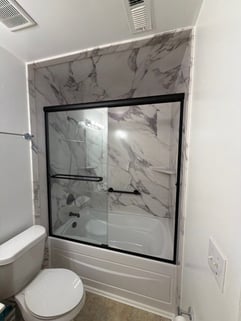
It is usually the most practical choice for:
- A hall bathroom
- A children’s bathroom
- A one-bathroom home
- A smaller bathroom
- A home that needs both bathing and showering in one space
This format provides flexibility without requiring space for separate fixtures.
Standard Bathtub Replacement
Replacing an outdated tub can improve the appearance and function of the wet area without eliminating the bathtub.
This may be the right approach when:
- The tub is stained or damaged.
- The surrounding walls are difficult to clean.
- The layout still works.
- The household uses the tub.
- Resale flexibility is important.
Joyce’s bathtub replacement service uses custom-fit bath systems with low-maintenance wall options, available accessories, and professional installation.
Freestanding or Soaking Tub
A freestanding or deeper soaking tub can create a distinctive appearance in a larger primary bathroom.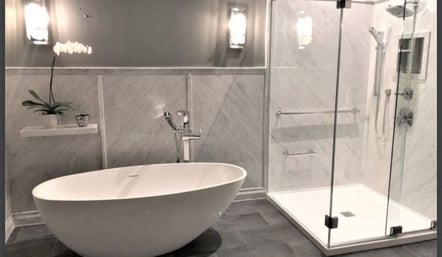
However, it is not automatically better for resale.
Consider:
- Floor space
- Cleaning access
- Ease of entry
- Water use
- Plumbing placement
- Whether the tub will actually be used
A large decorative tub may not be the best investment when the room needs a more practical shower, storage, or accessible layout.
Walk-In Tub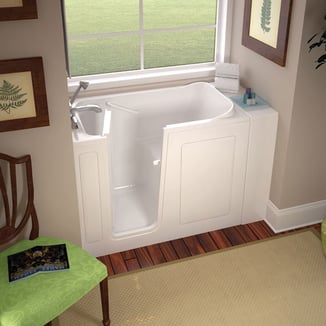
A walk-in tub uses a door and built-in seating to support easier entry than climbing over the side of a conventional bathtub.
It may be appropriate for a homeowner who wants seated bathing and added comfort features. Joyce offers walk-in tubs as part of its current bathroom remodeling services.
A walk-in tub should not be described as the same product as a low-threshold shower. It still requires the user to enter, close the door, fill the tub, drain it, and then exit.
Its resale appeal will depend on the buyer and the home.
Should You Keep the Tub in the Primary Bathroom?
Not always.
In a home with multiple bathrooms, the primary bathroom may be the best place for a larger walk-in shower, especially when another bathroom retains a practical tub.
A common balanced arrangement is:
- A comfortable walk-in shower in the primary bathroom
- A tub-shower combination in a hall or secondary bathroom
This gives current homeowners a convenient shower while preserving a bathtub for children, guests, or future buyers.
In a one-bathroom home, removing the tub requires more careful consideration because the conversion eliminates the only bathing option.

Should You Remodel for Yourself or a Future Buyer?
Consider how soon you expect to sell.
Selling Within the Next One or Two Years
When a sale is approaching, avoid making the decision based only on broad national advice.
Ask a local real estate professional:
- Do nearby comparable homes usually have a bathtub?
- Are families with children common buyers in this area?
- Would a high-quality shower be viewed as an upgrade?
- Is the bathroom’s current condition a bigger concern than the fixture type?
- Would the project likely improve marketability enough to justify its cost?
The answer may vary even between neighborhoods in the same city.
Staying for Several Years
When you expect to remain in the home, everyday safety, comfort, and convenience deserve significant weight.
A bathroom should work for the people using it now.
You may decide that:
- A walk-in shower is easier to use.
- A replacement tub is still practical.
- A walk-in tub supports seated bathing.
- Keeping one tub in another bathroom provides enough resale flexibility.
The goal is to avoid living for years with a bathroom that does not work well because of an uncertain future buyer.
Questions to Ask Before Removing Your Only Bathtub
- Is this the only bathtub in the home?
- How many full bathrooms does the home have?
- Who uses the bathroom now?
- How long do we expect to remain in the home?
- Is stepping over the tub wall difficult?
- Would a replacement bathtub solve the current problem?
- Could another bathroom retain a tub?
- What type of buyer is common in our local market?
- Have we asked a local real estate professional?
- Will the new shower be large enough to be useful?
- Which accessibility features should be included?
- What is included in the remodeling quote?
- Will plumbing locations need to change?
- What warranty covers the new system and installation?
- Are permits required for the proposed work?
How to Protect Resale Appeal During a Bathroom Remodel
Whether you choose a tub or shower, focus on broad usability and professional execution.
Keep the layout practical
The bathroom should have enough room to enter, turn, use fixtures, and move safely.
Choose a design that fits the home
A highly specialized design may appeal to fewer buyers than a clean, durable, neutral system.
Include useful storage
Shelves, niches, and accessible storage can improve everyday function.
Consider safety features
Depending on the household, useful features may include:
- Grab bars
- Slip-resistant surfaces
- A built-in or fold-down seat
- Handheld shower fixtures
- A lower shower threshold
Joyce currently offers shower and bath options with accessories such as grab bars, seating, shelving, and slip-resistant surfaces.
Use low-maintenance materials
Many buyers value a bathroom that appears clean and is easy to maintain.
Joyce’s SignatureStone wall systems are designed to provide a natural-stone appearance without traditional grout lines.
Related Article: Acrylic vs SignatureStone
Keep the project documentation
Retain:
- The contract
- Product information
- Warranty documents
- Permit records
- Care instructions
- Final receipts
These materials can help future buyers understand the work that was completed.
How Much Does a Tub or Shower Remodel Cost?
Cost depends on the selected project and the condition of the existing bathroom.
Factors may include:
- Bathtub replacement or tub-to-shower conversion
- Shower size
- Wall system
- Fixtures
- Doors or curtains
- Shelving
- Seating
- Grab bars
- Plumbing work
- Repairs discovered after removal
- Flooring or vanity updates
- Installation requirements
Joyce’s Bath Project Estimator provides a ballpark price based on the homeowner’s selections. A design consultation is needed to review the space, take measurements, discuss options, and prepare a custom project estimate.
Avoid remodeling only for a projected resale return unless a local real estate professional has helped you evaluate the likely market benefit.
How Joyce Helps Homeowners Compare Tub and Shower Options
Joyce Windows, Sunrooms & Baths offers custom bathroom remodeling solutions designed around how the homeowner uses the space.
Current options include:
- Bathtub replacement
- Shower replacement
- Tub-to-shower conversion
- Walk-in tubs
- Bath and shower wall systems
- Bathroom refresh options
- Grab bars
- Seating
- Shelving
- Low-maintenance surfaces
During a design consultation, a Joyce representative can review:
- Whether the home has another bathtub
- Current safety or access concerns
- Available space
- Bathtub and shower options
- Wall patterns and colors
- Fixtures and accessories
- Installation considerations
- Project pricing
- Available financing
Joyce provides bath and shower remodeling in supported areas of Ohio, Pennsylvania, North Carolina, and South Carolina. Service and product availability can vary by location.
Use the Joyce Bath Project Estimator to compare a bathtub replacement, shower replacement, tub-to-shower conversion, or walk-in tub.
Meet with a Joyce bath specialist to discuss your current bathroom, daily needs, design preferences, and project options.
Frequently Asked Questions
Will removing my only bathtub hurt resale value?
It may reduce appeal for some buyers, particularly households with young children or people who prefer baths. However, there is no universal rule or guaranteed dollar loss. Local market conditions, the home’s bathroom count, and the quality of the new shower all matter.
Does every home need at least one bathtub?
No. Keeping one bathtub is a common resale guideline, not a legal or appraisal requirement. It may help preserve buyer flexibility, but safety and daily usability should also guide the decision.
Is a walk-in shower better for resale?
A well-designed walk-in shower may appeal to buyers who value accessibility, easier entry, and updated styling. It may be especially attractive when another bathtub remains elsewhere in the home.
Should I keep a tub in a one-bathroom house?
Keeping a tub-shower combination may offer the most flexibility in a one-bathroom home. Ask a local real estate professional before removing the home’s only bathtub solely for resale reasons.
Which bathroom should keep the bathtub?
In a multi-bathroom home, a secondary or hall bathroom is often a practical place for a tub-shower combination, allowing the primary bathroom to have a larger shower.
Can I replace my old tub without remodeling the entire bathroom?
Often, yes. Joyce offers bathtub replacement and wet-area remodeling that may update the tub, walls, fixtures, and accessories without requiring a complete bathroom demolition.
Can Joyce convert a bathtub into a shower?
Yes. Joyce offers tub-to-shower conversions designed to create a custom walk-in shower with easier entry and available accessories.
Is a walk-in tub good for resale?
A walk-in tub may appeal strongly to some buyers and less to others. Choose one primarily because it supports the current homeowner’s bathing, comfort, or mobility needs rather than assuming it will create a universal resale advantage.
Does a bathroom renovation increase resale value?
A bathroom renovation may improve condition and buyer appeal, but it does not guarantee full cost recovery. NAR’s 2025 Remodeling Impact Report estimated average cost recovery of about 50% for a bathroom renovation.
How do I decide between a new tub and a new shower?
Consider whether another tub remains, who uses the bathroom, accessibility, how long you plan to stay, the room’s layout, and local buyer preferences. A design consultation can help compare the physical options; a local real estate professional can address resale conditions.
Final Takeaway
You do not need a bathtub in every bathroom, and a home without a tub can still sell.
Keeping one practical bathtub may broaden your buyer pool, but it should not come at the expense of safety or daily comfort.
A balanced approach is often:
- Keep or replace one useful bathtub.
- Convert another unused tub into a walk-in shower.
- Prioritize safe access and low-maintenance materials.
- Ask a local real estate professional before remodeling only for resale.
- Choose the solution that fits both your current routine and reasonable future needs.
Ready to compare your bathroom options? Use the Joyce Bath Project Estimator or book a design consultation to explore bathtub replacement, shower replacement, tub-to-shower conversion, and walk-in tub solutions.
Topics:
