

Executive Summary
Glass makes up most of the visible area of a typical window, so the selected glass package has a major effect on insulation, solar heat gain, natural light, ultraviolet exposure, and indoor comfort.
However, glass does not work alone. A replacement window’s overall performance also depends on its frame, sash, weatherstripping, spacers, hardware, custom sizing, installation, and sealing around the opening.
When comparing replacement windows, homeowners should look beyond marketing terms. Review the complete NFRC label, including U-factor, solar heat gain coefficient, air leakage, visible transmittance, and condensation resistance. Then confirm which glass package is included in the exact window configuration being quoted.
Does Glass Matter Most in Window Performance?
Glass is one of the most important parts of a replacement window, particularly when comparing heat transfer, solar heat gain, visible light, and protection from ultraviolet exposure.
But calling glass the only—or always the most important—part of performance can be misleading.
A premium glass package may still underperform when:
- The window frame allows excessive heat transfer
- Weatherstripping is worn or poorly designed
- The sash does not close tightly
- The opening is measured incorrectly
- Gaps around the frame are not insulated
- Exterior flashing or sealant is incomplete
- The window is installed out of square
- The selected glass package does not suit the climate or window orientation
The best replacement window is a complete system in which the glass, frame, seals, hardware, sizing, and installation work together.
Joyce Windows, Sunrooms & Baths currently identifies the glass package, frame construction, weatherstripping, installation quality, and fit around the opening as the biggest factors affecting energy performance.
What Is a Window Glass Package?
A glass package is the complete insulated glass assembly installed within the window sash or frame.
Depending on the product and selected options, the package may include:
- Two or three panes of glass
- One or more Low-E coatings
- Argon or another insulating gas
- A spacer system between panes
- Warm-edge technology
- Laminated or tempered safety glass
- Decorative glass
- Tints or coatings intended for solar control
- Different pane thicknesses
- Glass designed for sound reduction
Two windows that both say “double pane” may perform differently because they use different coatings, gas fills, spacers, glass thicknesses, frames, and installation methods.
That is why homeowners should compare certified performance ratings rather than relying on one feature name.
How Does Double-Pane Glass Work?
Double-pane glass uses two panes separated by a sealed space.
That enclosed space provides a stronger insulating barrier than a traditional single pane. Depending on the product, the space may contain air or an insulating gas such as argon.
The glass panes, spacer, seal, gas fill, and coatings work together as an insulated glass unit.
Double-pane glass may help:
- Reduce heat transfer
- Improve comfort near the window
- Limit exterior noise compared with some older single-pane windows
- Reduce interior surface condensation under some conditions
- Support better energy performance
- Provide space for Low-E coatings and insulating gas
The actual improvement depends on the complete product and the condition of the windows being replaced.
Is Triple-Pane Glass Better Than Double Pane?
Triple-pane glass adds a third pane and another enclosed space.
It can offer stronger insulation than many double-pane configurations, but it is not automatically the right choice for every home or every opening.
Triple-pane glass may be worth considering when:
- Winter insulation is a high priority
- Rooms feel especially cold near the windows
- The home is in a colder climate
- Outside noise is a concern
- The homeowner plans to remain in the home long term
- The selected window has tested performance data supporting the upgrade
Homeowners should also consider:
- Higher product cost
- Added glass weight
- The strength of the sash and hardware
- Available window sizes and styles
- Solar heat-gain needs
- The actual improvement in U-factor
- Whether the upgrade qualifies for current incentives
Joyce currently offers triple-pane options within its Eloquence Collection. Joyce describes this collection as its more premium window option, with upgraded design and energy-efficiency features.
What Does Low-E Glass Do?
Low-emissivity, or Low-E, glass has a thin coating designed to reduce radiant heat transfer.
The coating is intended to manage heat while allowing visible light to pass through the window.
Depending on the coating and which glass surface receives it, Low-E glass may help:
- Reduce heat loss during cold weather
- Limit unwanted solar heat during warm weather
- Improve comfort near the glass
- Reduce some ultraviolet exposure
- Protect flooring, rugs, furniture, and window treatments from fading
- Support a lower U-factor or solar heat gain coefficient
Not all Low-E coatings perform the same way. Some are designed for stronger solar control, while others allow more passive solar heat into the home.
The best coating may depend on:
- Climate
- Window orientation
- Shade from trees or nearby buildings
- Room use
- Heating and cooling needs
- Desired natural light
- Homeowner comfort goals
A south- or west-facing window in Charlotte may need a different balance of solar control than a north-facing window in Cleveland.
What Does Argon Gas Do in a Window?
Argon is a colorless, odorless gas that may be placed between panes of an insulated glass unit.
Because argon transfers heat less readily than ordinary air, it can improve the insulating performance of the glass assembly.
Argon does not create the window’s entire efficiency benefit. It works with the glass panes, Low-E coating, spacer, seals, frame, and installation.
Homeowners should ask: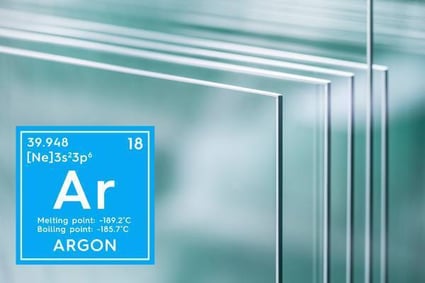
- Is argon included in the quoted glass package?
- Which space or spaces contain the gas?
- What is the product’s certified U-factor?
- Is gas retention covered by the warranty?
- What happens if the insulated glass seal fails?
A failed insulated glass seal may allow gas to escape and moisture to enter between the panes. Fogging or condensation inside the glass unit can be a sign of seal failure.
Related Article: Argon Gas in Replacement Windows
What Is a Window Spacer?
The spacer separates the panes around the perimeter of an insulated glass unit.
It also helps maintain the sealed space that contains air or gas.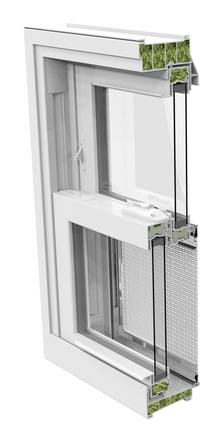
Spacer design can influence:
- Heat transfer around the edge of the glass
- Interior glass temperatures
- Condensation resistance
- Seal durability
- Long-term performance of the insulated glass unit
The center of the glass and the edge of the glass may perform differently. That is why whole-window ratings are more useful than a claim based only on the center section of a glass pane.
Which Window Ratings Should Homeowners Compare?
ENERGY STAR explains that qualifying windows are independently tested and certified using procedures established by the National Fenestration Rating Council. The NFRC label provides several whole-product ratings that help homeowners make more meaningful comparisons.
| Rating | What it measures | How to read it |
|---|---|---|
| U-factor | The rate of heat transfer through the complete window | Lower generally means better insulation |
| Solar heat gain coefficient | The amount of solar heat admitted through the window | Lower means less solar heat enters |
| Air leakage | How much air passes through joints in the window | Lower means less air leakage |
| Visible transmittance | How much visible light passes through the window | Higher means more daylight |
| Condensation resistance | How well the window resists interior surface condensation | Higher means greater resistance |
U-factor
U-factor measures how quickly heat moves through the complete window assembly.
A lower number generally indicates stronger insulation.
Do not confuse U-factor with R-value. R-value measures resistance to heat flow and is commonly used for insulation. U-factor measures the rate of heat transfer and is commonly used for windows.
Solar heat gain coefficient
Solar heat gain coefficient, or SHGC, measures how much solar energy passes through the window as heat.
A lower SHGC can be useful in hot climates or on windows that receive strong afternoon sun. In some colder climates, a higher SHGC may help capture passive solar warmth during winter.
The best value depends on climate, orientation, shade, and homeowner goals.
Air leakage
Air leakage measures air passing through the window’s joints.
This rating relates more directly to the sash, frame, seals, and operating components than to the glass package alone.
That distinction is important: upgrading the glass does not automatically correct air leakage through poor weatherstripping or an improperly installed frame.
Visible transmittance
Visible transmittance measures the amount of visible light admitted through the window.
A strong solar-control coating may reduce heat gain, but homeowners should also consider how it affects natural light and glass appearance.
Condensation resistance
Condensation resistance indicates how well the product resists moisture forming on interior surfaces.
A higher rating means greater resistance, but no window can guarantee that condensation will never occur. Indoor humidity, outdoor temperature, air circulation, window coverings, and household activities also matter.
Is the Glass Rating the Same as the Whole-Window Rating?
Not always.
Manufacturers may report values for:
- The center of the glass
- The insulated glass unit
- The complete window
The center-of-glass value does not account for the frame, sash, spacer, hardware, or edge-of-glass effects.
For homeowner comparisons, the NFRC whole-product rating is generally more useful because it evaluates the complete window configuration.
Ask the consultant whether a performance figure applies to:
- The glass alone
- The insulated glass unit
- The complete window
- A specific window size and operating style
- The exact glass option included in your quote
Avoid comparing a center-of-glass figure from one company with a whole-window figure from another.
Can Better Window Glass Reduce Energy Bills?
High-performance replacement windows may reduce unwanted heat transfer and air leakage compared with old or inefficient windows.
Related Article: Energy-Efficient Windows
However, the amount a household saves depends on:
- The age and condition of the existing windows
- Whether the current windows are single or multiple pane
- The new window’s certified ratings
- The glass package selected
- The number and size of windows replaced
- Climate
- Window orientation
- Home insulation
- Air leakage elsewhere in the house
- Heating and cooling equipment
- Thermostat settings
- Installation quality
- Household behavior
Energy-efficient windows may help reduce energy waste, especially when replacing old, drafty, or poorly insulated windows. Actual savings vary by home and project.
Can Window Glass Help Protect Furniture From Fading?
Certain Low-E coatings can reduce ultraviolet exposure through the window.
That may help slow fading of:
- Hardwood flooring
- Carpet
- Rugs
- Upholstery
- Artwork
- Photographs
- Window treatments
- Wood furniture
No residential window should be described as completely preventing fading. Visible light, ultraviolet radiation, heat, humidity, material quality, and exposure time can all contribute.
Ask for the documented ultraviolet-transmission or fade-protection data for the exact glass package. Avoid relying on a broad percentage that is not tied to current product testing.
Can Better Glass Reduce Exterior Noise?
Multiple panes, laminated glass, varied pane thicknesses, wider air spaces, and tightly constructed windows may help reduce some outside noise.
However, adding another pane does not automatically create the best sound-control result.
Noise performance can depend on:
- Glass thickness
- Whether the panes have different thicknesses
- Air-space width
- Laminated glass
- Frame construction
- Sash seals
- Window size
- Installation gaps
- The frequency of the outside noise
- Air leakage elsewhere in the wall
Homeowners concerned about traffic, aircraft, trains, schools, or nearby businesses should request sound-transmission ratings or other documented acoustic performance data for the exact configuration.
Do not assume an energy-efficiency upgrade will solve every noise problem.
Does Glass Reduce Window Drafts?
Glass can reduce the sensation of discomfort caused by heat moving through a cold surface.
For example, air near an inefficient glass pane may cool, fall, and create movement that feels like a draft. A better-insulated glass package may make the interior pane warmer and reduce that sensation.
But true air leakage usually occurs around:
- The sash
- Weatherstripping
- Locks
- Frame joints
- Installation gaps
- Exterior seals
- Deteriorated wall materials
That means a glass upgrade alone cannot correct every draft.
A window professional should evaluate whether the concern comes from heat transfer through the pane, air leakage through the window, or gaps around the opening.
Why Does the Window Frame Matter?
The frame surrounds and supports the glass. Its material, chamber design, reinforcement, sash construction, and seals affect the complete window’s performance.
A weak or poorly designed frame may reduce the benefit of a strong glass package.
The frame affects:
- Whole-window U-factor
- Air leakage
- Structural strength
- Operation
- Glass support
- Water management
- Durability
- Weatherstripping contact
- Hardware alignment
- Long-term seal performance
Homeowners should compare the complete window, not assume the same glass will perform identically in every frame.
Why Does Professional Installation Matter?
Even a high-performing window can be uncomfortable or drafty if it is installed incorrectly.
Installation problems may include:
- Incorrect measurements
- An opening that is not square
- Insufficient perimeter insulation
- Poor exterior flashing
- Gaps in sealant
- Incorrect fastener placement
- Distorted frames
- Sashes that do not align
- Hidden moisture or wood damage
- Incomplete trim work
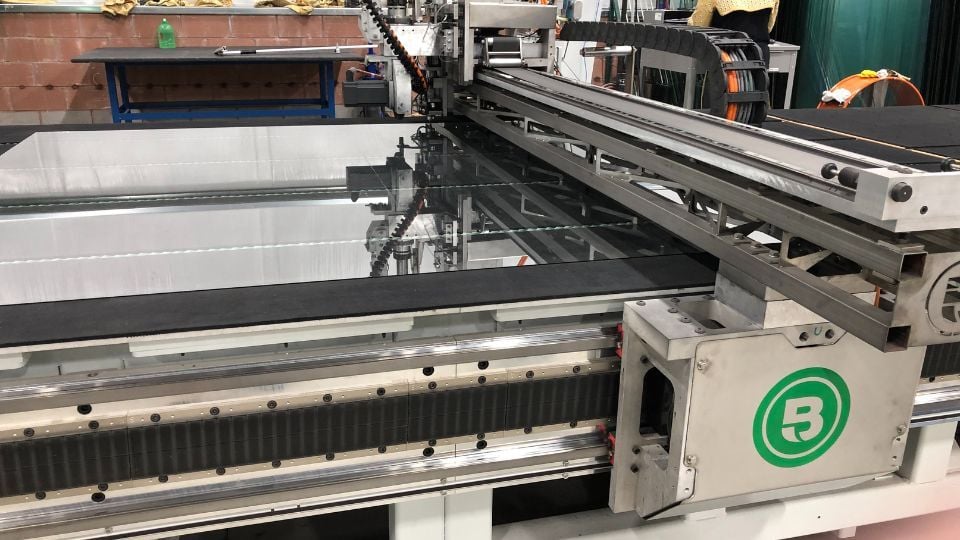
Joyce manufactures custom replacement windows and provides professional installation as part of its coordinated factory-direct process. Its current window page describes custom sizing, insulated glass, durable materials, and professional installation as parts of the overall energy-efficiency system.
Should Every Window in a Home Use the Same Glass?
Not necessarily.
Different rooms and elevations may have different performance needs.
Examples include:
West-facing living room
A large west-facing window may receive intense afternoon sun. Stronger solar-control glass may help reduce overheating and glare.
North-facing bedroom
A north-facing room may receive limited direct solar heat. Insulation and interior glass temperature may be higher priorities.
Street-facing bedroom
Sound control and privacy may matter more than they do on the back of the home.
Bathroom window
Privacy glass, tempered safety glass, ventilation, and moisture resistance may matter.
Large picture window
Because it does not open, a picture window may have different air-leakage performance from an operable window. Glass area and solar exposure may be especially important.
Window near a door, stairway, tub, or floor
Building codes may require safety glazing in certain locations. The installer should determine whether tempered or another approved safety glass is needed.
A room-by-room glass plan may provide a better balance of performance, natural light, and budget than automatically using the same upgrade everywhere.
Which Glass Package Is Best for Your Climate?
Joyce serves homeowners in Ohio, Pennsylvania, North Carolina, and South Carolina. Climate needs differ across these markets.
Cleveland and Pittsburgh areas
Cold-weather performance may place greater emphasis on:
- Lower U-factor
- Warmer interior glass surfaces
- Reduced winter drafts
- Condensation resistance
- Double- or triple-pane options
Charlotte, Columbia, Greenville, and Asheville areas
Warm-season performance may place greater emphasis on:
- Solar heat-gain control
- Ultraviolet protection
- Cooling-season comfort
- Humidity-related condensation
- Glass choices for sun-exposed rooms
These are general considerations. The correct package depends on the individual home, window orientation, shade, HVAC system, and comfort priorities.
What Glass Options Does Joyce Offer?
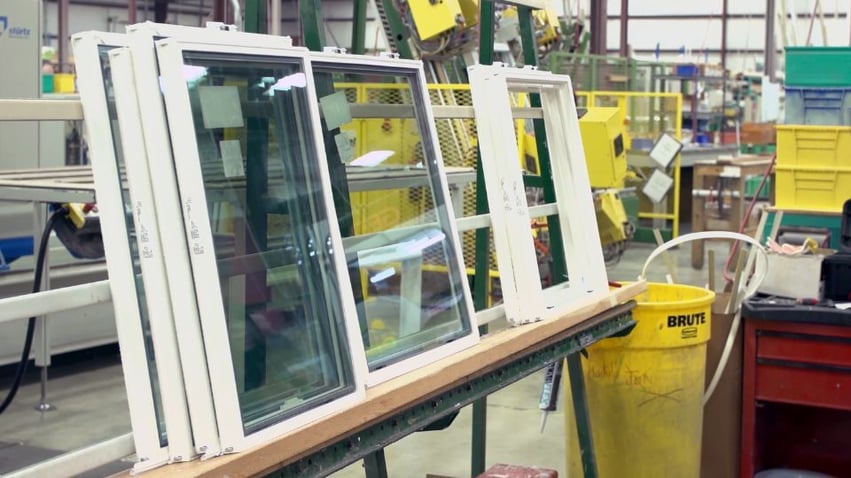
Joyce manufactures custom replacement windows at its factory in Berea, Ohio and currently offers Heritage, Eloquence, and Specialty window collections.
Available glass features may vary by collection, window style, size, climate zone, and selected configuration.
Joyce’s current materials reference:
- Energy-efficient insulated glass packages
- Low-E glass options
- Argon gas
- Double-pane choices
- Available triple-pane glass within the Eloquence Collection
- Glass packages intended to support comfort and ultraviolet protection
- Custom window sizing
- Professional installation
The Eloquence page currently says certain configurations use five Low-E coating layers and may qualify for ENERGY STAR Most Efficient recognition. Because eligibility is tied to specific certified models and configurations, the final article should link to current certification documentation rather than implying every Eloquence window qualifies.
What Is Joyce SmartShield Glass?
The original article describes SmartShield as Joyce’s high-performance glass system using Low-E coatings, argon gas, and dual- or triple-pane configurations.
Before publishing the updated article, Joyce should confirm:
- Whether SmartShield remains the current product name
- Which window collections include it
- Whether it is standard or optional
- Which Low-E coatings are included
- Whether argon is standard
- Which configurations are double or triple pane
- Current NFRC ratings
- ENERGY STAR certification
- ENERGY STAR Most Efficient eligibility
- Ultraviolet-transmission data
- Sound-control data
- Warranty coverage
Until that information is verified, SmartShield should be described only as a Joyce glass-package name—not as a guarantee of a particular performance level.
Questions to Ask Before Choosing Window Glass
Bring these questions to your window consultation:
- What is the complete name of this glass package?
- Is it double pane or triple pane?
- Which Low-E coating does it use?
- Is argon included?
- What is the whole-window U-factor?
- What is the solar heat gain coefficient?
- What is the air-leakage rating?
- What is the visible-transmittance rating?
- What is the condensation-resistance rating?
- Is this exact configuration ENERGY STAR certified?
- Does it qualify for ENERGY STAR Most Efficient recognition?
- Does it qualify for any current federal, state, or utility incentive?
- What ultraviolet protection has been documented?
- Is sound-control testing available?
- Is safety glass required for this opening?
- What does the insulated glass warranty cover?
- What happens if condensation forms between the panes?
- Will every window in my project use the same package?
- How will installation affect the quoted performance?
- Can I review the NFRC label before ordering?
Window Glass Comparison Worksheet
| Feature | Option 1 | Option 2 | Option 3 |
|---|---|---|---|
| Window collection | |||
| Glass package name | |||
| Double or triple pane | |||
| Low-E coating | |||
| Gas fill | |||
| Whole-window U-factor | |||
| Solar heat gain coefficient | |||
| Air leakage | |||
| Visible transmittance | |||
| Condensation resistance | |||
| ENERGY STAR certified | |||
| Most Efficient recognized | |||
| UV-performance data | |||
| Acoustic-performance data | |||
| Glass warranty | |||
| Added project cost |
See What Energy-Efficient Windows Could Cost
Replacement-window pricing depends on:
- Number of windows
- Window styles
- Opening sizes
- Window collection
- Glass package
- Triple-pane upgrades
- Colors and finishes
- Grid patterns
- Existing window condition
- Installation requirements
Use the Joyce Window Cost Calculator to explore a ballpark project range.

Frequently Asked Questions
Is glass the most important part of a replacement window?
Glass is one of the biggest factors in thermal and solar performance, but the frame, weatherstripping, hardware, sizing, installation, and perimeter sealing also affect the complete window.
Is triple-pane glass always better?
Triple pane generally provides stronger insulation than comparable double-pane configurations, but the best choice depends on climate, cost, window design, solar heat gain, and the complete certified performance ratings.
What is the best U-factor for a window?
A lower U-factor generally means better insulation. The appropriate target depends on climate, ENERGY STAR criteria, window type, and the other performance characteristics needed for the home.
Is a lower solar heat gain coefficient always better?
No. A lower SHGC reduces solar heat entering the home, which can be useful in warm climates and sun-exposed rooms. Some colder homes may benefit from more winter solar heat on certain elevations.
Does Low-E glass make a room dark?
Low-E coatings can slightly affect visible light and glass appearance, but the amount depends on the coating. Compare the visible-transmittance rating and view a current sample before ordering.
Does argon gas eventually leak out?
Insulated glass units are sealed to retain the gas, but gradual loss or seal failure may occur over time. Review the insulated glass warranty and ask how seal failure is handled.
Can high-performance glass stop furniture from fading?
It can reduce some ultraviolet exposure and may slow fading, but it cannot prevent all fading. Visible light, heat, humidity, material quality, and exposure time also contribute.
Will new glass eliminate condensation?
No. Better-insulated glass may improve interior surface temperatures, but condensation also depends on indoor humidity, outdoor temperature, ventilation, air circulation, and window coverings.
Can better glass make my home quieter?
Certain glass configurations may reduce some outside noise. Laminated glass, varied pane thicknesses, sealed frames, and correct installation may be more important than simply adding another pane.
How do I know which Joyce glass package I am buying?
Ask the design consultant to identify the package name, pane count, coating, gas fill, certified NFRC ratings, warranty, and whether the exact configuration is ENERGY STAR certified.
The Bottom Line
Glass is a major part of window performance because it affects insulation, solar heat gain, natural light, ultraviolet exposure, and comfort.
But a window is more than its glass.
The best results come from combining the right glass package with a durable frame, effective weatherstripping, reliable hardware, custom sizing, professional installation, and careful sealing around the opening.
When comparing replacement windows, do not rely on a single product feature or savings claim. Ask for the complete NFRC ratings and confirm that every number applies to the exact window style, size, frame, and glass package included in your quote.
Joyce Windows, Sunrooms & Baths helps homeowners compare custom, factory-direct replacement windows based on climate, room conditions, style, performance goals, and budget.
Get an instant ballpark window estimate or book a design consultation to compare glass options for your home.

Topics:
