

Executive Summary
Spring is a good time to inspect the parts of your home that were exposed to winter weather.
Start with these six areas:
- Windows and screens
- Entry and patio doors
- Gutters and downspouts
- Siding and exterior trim
- Decks and concrete patios
- Sunrooms and patio enclosures
Look for damage, leaks, difficult operation, loose materials, blocked drainage, failed seals, and signs of moisture.
Clean each product according to its manufacturer’s instructions. Avoid harsh chemicals, sharp tools, and high-pressure washing unless the material is approved for that method.
When you find active water intrusion, structural movement, broken glass, damaged electrical components, loose railings, or unsafe roof conditions, stop and contact a qualified professional.
Not sure whether a window, door, sunroom, or siding problem can be repaired? Book a Design Consultation with Joyce Windows, Sunrooms & Baths.
Why Is Spring Home Maintenance Important?
Cold temperatures, snow, ice, wind, rain, and freeze-thaw cycles can expose weaknesses in exterior materials.
A spring inspection can help you identify:
- Water intrusion
- Failed caulk or sealant
- Loose trim
- Damaged screens
- Difficult window or door operation
- Blocked drainage
- Cracked siding
- Loose deck boards
- Concrete movement
- Sunroom leaks
- Early signs of deterioration
Finding a problem early does not guarantee a simple repair, but it may help prevent additional damage.
Create a short list as you inspect the home:
- Clean now
- Monitor
- Repair
- Have professionally evaluated
This keeps minor cleaning tasks separate from problems that may require product service, construction work, or replacement.
Before You Begin: Use a Safe Inspection Plan
Walk around the home from ground level before using tools or moving anything.
Bring:
- A phone or camera
- Flashlight
- Notebook
- Work gloves
- Soft brush
- Microfiber cloths
- Mild soap
- Garden hose with a gentle spray setting
- Manufacturer care instructions when available
Do not climb onto roofs, sunrooms, patio covers, or unstable ladders.
Contact a professional when you see:
- Sagging
- Structural movement
- Broken glass
- Active electrical hazards
- Loose railings
- Large areas of rot
- Significant foundation movement
- Water entering the home
- Storm damage above safe reach
- Conditions you cannot evaluate safely
1. Inspect and Clean Your Windows
Spring window maintenance should include the glass, frame, sash, screens, locks, tracks, weatherstripping, and surrounding trim.
Joyce replacement windows include common styles such as double-hung, sliding, casement, awning, and picture windows. Maintenance needs vary by operating style and collection.
Related Article: Replacement Windows
Check Window Operation
Open and close each operable window.
Look for:
- Sticking or dragging
- Uneven sash movement
- Loose handles
- Difficult cranks
- Locks that do not align
- Sashes that will not stay open
- Excessive movement in the frame
- Scraping or grinding sounds
Do not force a window that is difficult to operate.
Forcing it may damage balances, locks, hinges, cranks, rollers, or frame components.
Remove visible dirt from tracks and moving areas using a soft brush or vacuum attachment. Use lubricant only when the manufacturer recommends a specific product and location.
Inspect the Glass
Check for:
- Cracks
- Chips
- Loose glazing components
- Fogging between panes
- Moisture between panes
- Cloudiness that cannot be cleaned
- Distortion that has recently appeared
Fogging between panes may indicate an insulated-glass seal problem. Condensation on the room-side or exterior surface does not automatically mean the glass seal has failed.
Inspect Weatherstripping and Seals
Weatherstripping should remain attached and make consistent contact when the window closes.
Look for:
- Torn sections
- Flattened material
- Missing pieces
- Gaps
- Loose corners
- Brittle or cracked material
Do not cover drainage openings or weep holes with caulk.
These openings may be part of the window’s water-management system.
Check the Frame and Trim
Inspect the areas where the window meets interior and exterior finishes.
Look for:
- Peeling paint
- Soft wood
- Staining
- Cracked trim
- Open joints
- Loose capping
- Water marks
- Insect activity
- Damaged sealant
A visible gap does not always mean more caulk is the correct repair. The joint, material, drainage path, and source of moisture should be identified first.
Clean the Glass and Frames
Use a soft cloth, mild soap, and water unless the manufacturer recommends another method.
Avoid:
- Abrasive pads
- Razor blades
- Strong solvents
- Ammonia-heavy products on sensitive films or coatings
- High-pressure spray
- Painting drainage openings closed
Clean one small section first when using a new product.
Inspect and Wash Screens
Remove loose dirt with a soft brush or vacuum.
Wash screens gently with mild soap and water, then rinse and allow them to dry before reinstalling.
Check for:
- Tears
- Holes
- Bent frames
- Loose spline
- Damaged corner pieces
- Poor fit
A small screen tear may be repairable. A distorted frame or widespread damage may require screen replacement.
When Should a Window Be Professionally Evaluated?
Arrange an evaluation when you notice:
- Repeated fogging between panes
- Active leaking
- Rotten or damaged openings
- Broken locks
- Windows that will not stay open
- Cracked glass
- Strong drafts around the frame
- Significant frame movement
- Repeated repair failures
- Windows that no longer open or close safely
Joyce offers custom replacement windows designed around the opening, room, performance goals, and preferred style. Its current windows page also provides an online pricing calculator for ballpark project planning.
Related Article: Energy Efficient Windows
2. Inspect Entry and Patio Doors
Doors should be checked for operation, security, weather protection, glass condition, hardware, and surrounding trim.
Joyce currently installs ProVia entry doors and manufactures Joyce patio doors. Available door options focus on durability, energy efficiency, security, and custom design.
Related Article: Patio and Entry Doors
Check Door Operation
Open and close each exterior door slowly.
Look for:
- Rubbing
- Dragging
- Loose hinges
- Misaligned latches
- Difficult locks
- Handles that move excessively
- Doors that swing open or closed on their own
- Gaps around the perimeter
- Water at the threshold
- Patio doors that resist sliding
A door that suddenly becomes difficult to operate may be affected by loose hardware, debris, weatherstripping, swelling, movement in the opening, or alignment problems.
Clean Patio-Door Tracks
Vacuum loose dirt, leaves, hair, and debris from sliding-door tracks.
Then wipe the track with a damp cloth.
Do not apply heavy grease unless the manufacturer specifically recommends it. Some lubricants attract more dirt or interfere with rollers.
Inspect Weatherstripping
Check the perimeter of the door and the meeting area on sliding or French doors.
Look for:
- Tears
- Missing sections
- Crushed material
- Gaps
- Daylight around the closed door
- Drafts
- Water stains
Weatherstripping should compress enough to seal without making the door excessively difficult to close.
Inspect the Threshold and Sweep
Look for:
- Cracks
- Loose screws
- Damage
- Gaps
- Worn door sweeps
- Standing water
- Deteriorated sealant
Make sure exterior drainage does not direct water toward the threshold.
Check Locks and Key Cylinders
Test locks with the door open and closed.
Lubricate key cylinders only with a product approved by the lock or door manufacturer.
Do not spray a general-purpose oil into the lock unless the manufacturer recommends it.
Inspect Door Glass
Check for:
- Cracks
- Loose trim
- Fogging between panes
- Failed seals
- Moisture
- Damaged decorative glass
- Loose grids
Broken or unstable glass should be handled by a qualified professional.
When Should a Door Be Repaired or Replaced?
Consider professional service when:
- The door will not lock securely
- The frame is deteriorated
- Water enters around the opening
- Glass is cracked
- The threshold is damaged
- The patio door repeatedly leaves its track
- Rollers or hardware continue to fail
- The door is badly warped
- Drafts remain after proper adjustments
- The product no longer operates safely
Joyce offers entry, patio, and French-door options designed around security, appearance, comfort, and custom sizing.
Related Article: Joyce Doors
3. Check Gutters and Downspouts
Gutters move roof water away from siding, trim, doors, windows, walkways, and the foundation.
Clogged or damaged gutters can contribute to:
- Overflow
- Soil erosion
- Water near the foundation
- Wet basements or crawl spaces
- Damaged fascia
- Staining
- Ice-related damage
- Water running over doors and windows
Inspect From the Ground
Look for:
- Sagging
- Loose sections
- Separation at joints
- Overflow stains
- Missing fasteners
- Damaged downspouts
- Water pooling near the house
- Eroded soil
- Downspouts disconnected from extensions
Use binoculars or a zoomed phone camera rather than climbing unnecessarily.
Clear Debris Safely
Gutter cleaning may require ladder work. Homeowners who do not have the proper ladder, equipment, and experience should hire a qualified service.
Do not lean ladders against unstable gutters.
Check Downspout Discharge
Downspouts should direct water away from the home.
The exact distance and drainage solution depend on:
- Grading
- Soil
- foundation type
- Local conditions
- Drainage systems
- Landscaping
- Neighboring properties
The original article recommends extending drainage at least five feet from the foundation. That may be a useful general goal for some homes, but the correct solution should be based on the property’s grading and water-management design
Related Article: Summer Maintenance Tips
Avoid directing water toward:
- Walkways
- Neighboring property
- Basement entries
- Window wells
- Low areas
- Deck supports
- Sunroom foundations
Look for Signs of Drainage Problems
Contact a qualified professional when you see:
- Repeated basement moisture
- Erosion near the foundation
- Water entering window wells
- Detached gutters
- Rot behind the gutter
- Severe sagging
- Damaged fascia
- Drainage systems that back up
4. Inspect Siding and Exterior Trim
Siding helps protect the wall system and contributes to the home’s appearance.
Walk around the home after winter and look for:
- Cracks
- Loose panels
- Missing sections
- Warping
- Open seams
- Impact damage
- Staining
- Algae or mildew-like growth
- Loose trim
- Gaps around penetrations
- Damage near windows and doors
Wind can worsen existing cracks, loose panels, or failed connections.
Clean According to the Manufacturer’s Instructions
Use the method approved for the siding material.
A soft brush, mild cleaner, and low-pressure rinse may be appropriate for some products.
Pressure washing may damage siding when:
- Pressure is too high
- Water is forced upward behind panels
- The nozzle is too close
- The surface is already loose or cracked
- The material or finish is not approved for pressure washing
Test a hidden area first and follow the manufacturer’s care guidance.
Watch for Water Entry
Stains or soft materials near windows and doors may indicate that the issue is not limited to the siding surface.
Possible sources include:
- Failed sealant
- Damaged flashing
- Loose trim
- Roof runoff
- Gutter overflow
- Previous installation problems
- Water entering from above
Do not cover a suspected leak with surface caulk until the source is understood.
When Should Siding Be Evaluated?
Arrange an inspection when:
- Panels are missing
- Large areas are loose
- The wall feels soft
- Water is entering
- Damage surrounds a window or door
- Repeated repairs fail
- Mold-like growth returns quickly
- Wind damage affects several courses
- The product is pulling away from the home
Joyce currently offers siding in the Cleveland market. Availability should be confirmed by project location.
Related Article: Why Joyce?
5. Inspect Decks and Concrete Patios
Outdoor living areas should be checked before furniture, grills, and frequent foot traffic return.
Deck Inspection
Look for:
- Loose railings
- Loose boards
- Raised fasteners
- Splintering
- Soft wood
- Rot
- Cracked supports
- Movement at stairs
- Uneven steps
- Damaged ledger areas
- Standing water
- Loose connections
- Signs of insects
Do not rely only on appearance.
Push gently on railings and note unusual movement. Avoid using any area that feels unstable.
Clean the Deck Carefully
Sweep away leaves, soil, and debris.
Wash according to the decking manufacturer’s instructions.
Pressure washing can damage wood fibers, composite surfaces, finishes, fasteners, and adjacent siding when used incorrectly.
A lower-pressure method or approved cleaner may be safer.
Review Coatings and Stains
Wood decks may need periodic sealing, staining, or coating.
The correct schedule depends on:
- Wood species
- Previous finish
- Sun exposure
- Moisture
- Climate
- Wear
- Manufacturer instructions
Do not apply a new finish over wet, dirty, peeling, or incompatible material.
Concrete Patio Inspection
Check concrete for:
- Cracks
- Settlement
- Uneven slabs
- Spalling
- Flaking
- Standing water
- Open joints
- Damage near the foundation
- Changes that create a trip hazard
Small cracks should be monitored.
Larger movement, widening cracks, drainage problems, or significant elevation differences may require professional evaluation.
Safe Spring Setup
Before placing furniture or grills:
- Confirm railings and stairs are stable
- Clear walkways
- Check exterior lighting
- Inspect electrical outlets
- Keep grills away from siding, doors, windows, and overhangs
- Confirm water drains away from the house
- Remove sharp or unstable materials
6. Inspect Your Sunroom or Patio Enclosure
A sunroom combines several systems:
- Roof
- Windows
- Doors
- Screens
- Framing
- Sealant
- Drainage
- Flooring
- Electrical features
- Heating or cooling equipment
Joyce designs, manufactures, and installs three-season and four-season sunrooms, patio and deck enclosures, screen rooms, and patio covers.
Related Article: Joyce Sunrooms
Start With the Exterior
Inspect from ground level.
Look for:
- Roof damage
- Loose trim
- Damaged panels
- Open joints
- Debris buildup
- Gutter problems
- Water stains
- Damaged flashing
- Movement where the room meets the house
- Standing water near the foundation
Do not climb onto a sunroom or patio-cover roof.
These roofs may not be designed for foot traffic.
Check Windows and Doors
Use the same inspection steps applied to the main house:
- Test operation
- Check locks
- Clean tracks
- Inspect weatherstripping
- Check screens
- Look for glass damage
- Review trim and sealant
- Keep drainage openings clear
Inspect Screens
Check for:
- Tears
- Holes
- Loose spline
- Bent frames
- Gaps
- Damage from pets
- Insect entry points
Repair small areas when appropriate. Replace damaged frames or widespread screen failure.
Look for Moisture
Inside the room, look for:
- Water stains
- Damp flooring
- Musty odors
- Peeling finishes
- Condensation
- Swollen trim
- Soft wall sections
- Active drips
- Changes after rain
The visible stain may not be directly below the source. Water can travel along framing, panels, seams, or trim before appearing.
Test Electrical and Comfort Features
Check:
- Ceiling fans
- Lights
- Outlets
- Heating equipment
- Cooling equipment
- Thermostats
- Switches
Stop using any device that sparks, smells hot, repeatedly trips a breaker, or shows water exposure.
Electrical repairs should be performed by qualified professionals.
Clean Sunroom Surfaces
Use manufacturer-approved cleaning products on:
- Frames
- Windows
- Roof panels
- Wall panels
- Flooring
- Screens
- Doors
Avoid harsh solvents, abrasive pads, and high-pressure spray.
When Should a Sunroom Be Professionally Evaluated?
Schedule an inspection when you see: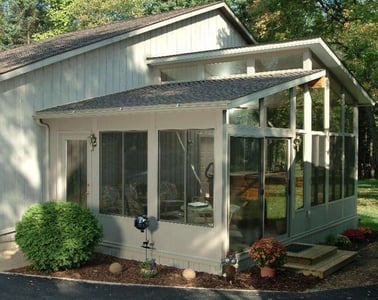
- Active leaking
- Sagging
- Movement
- Roof damage
- Cracked panels
- Repeated condensation problems
- Damaged electrical components
- Rotten supporting materials
- Loose wall sections
- A door or window that no longer fits the opening
- Water entering where the room meets the house
Joyce provides professional sunroom design and installation and can evaluate whether an existing issue involves routine service, a larger repair, or replacement.
Related Article: Joyce Sunrooms
Spring Maintenance Checklist
Use this simplified checklist during your inspection.
| Area | Clean | Inspect | Call a professional when |
|---|---|---|---|
| Windows | Glass, screens, tracks | Locks, seals, frames, operation | Glass is broken, leaks continue, or operation is unsafe |
| Doors | Thresholds, tracks, glass | Locks, hinges, weatherstripping | Door will not lock, leaks, or frame is damaged |
| Gutters | Debris and outlets | Sagging, joints, discharge | Ladder access is unsafe or water reaches the foundation |
| Siding | Surface dirt | Cracks, loose panels, trim | Large areas are loose or water is entering |
| Decks | Debris and approved washing | Boards, rails, stairs, supports | Movement, rot, or structural damage is present |
| Patios | Dirt and vegetation | Cracks, settlement, drainage | Large movement or trip hazards appear |
| Sunrooms | Windows, screens, tracks | Roof, seals, drainage, electrical | Leaks, movement, roof damage, or electrical concerns appear |
What Should You Avoid During Spring Maintenance?
Avoid these common mistakes:
Covering Drainage Openings With Caulk
Window, door, and sunroom systems may use weep holes or drainage paths. Blocking them can trap water.
Using High Pressure on Every Surface
Pressure washing can damage siding, wood, composite decking, screens, seals, and finishes.
Forcing Stuck Windows or Doors
This can damage hardware or frames.
Mixing Cleaning Chemicals
Some household cleaners can create dangerous fumes when combined.
Walking on Sunroom or Patio-Cover Roofs
These surfaces may not be designed for foot traffic.
Ignoring Active Leaks
Water intrusion can affect finishes, insulation, framing, and indoor air quality.
Making Structural Repairs Without Proper Knowledge
Loose railings, sagging roofs, damaged supports, and foundation movement require appropriate evaluation.
Assuming Every Problem Requires Replacement
Some issues involve cleaning, adjustment, hardware, sealant, glass, or localized repairs.
A professional inspection can help determine the appropriate scope.
When Is Replacement Worth Considering?
Maintenance can extend the useful life of many products, but it cannot correct every problem.
Replacement may be worth discussing when:
- Windows or doors repeatedly fail
- Frames are severely damaged
- Water intrusion continues
- Glass seals fail throughout the home
- Products no longer operate safely
- Replacement parts are unavailable
- Repairs are becoming frequent
- The home remains uncomfortable near old windows or doors
- A sunroom roof or enclosure has widespread damage
- The product no longer fits the homeowner’s needs
Joyce offers custom replacement windows, patio doors, entry doors, sunrooms, and qualifying siding services by location. Joyce has served homeowners since 1955 and is a third-generation, family-owned company headquartered in Berea, Ohio.
Finish Spring Maintenance With a Project Plan
After your inspection, divide the work into three groups.
Complete Now
Examples:
- Wash windows
- Clean tracks
- Repair a small screen tear
- Remove debris
- Tighten approved accessible hardware
Schedule Soon
Examples:
- Replace damaged weatherstripping
- Repair loose trim
- Address minor concrete cracks
- Restore a worn deck finish
- Correct drainage
Evaluate Professionally
Examples:
- Broken glass
- Active leaks
- Rotten frames
- Unsafe railings
- Sagging gutters
- Structural movement
- Damaged sunroom roofs
- Doors that will not lock
- Electrical problems
Take photos and keep notes. They will make a future service or design consultation more productive.
Get Help With Windows, Doors, Sunrooms or Siding
Spring maintenance can reveal which parts of the home need cleaning, repair, monitoring, or replacement.
Joyce Windows, Sunrooms & Baths offers:
- Custom replacement windows
- Energy-efficient window options
- Entry doors
- Patio and French doors
- Three-season and four-season sunrooms
- Screen rooms
- Patio covers
- Patio and deck enclosures
- Siding in the Cleveland market
- Professional installation
- Product-specific warranty and service support
Warranty coverage depends on the installed product, selected options, and written warranty documents provided for the project.
Related Article: Joyce Warranties

Frequently Asked Questions
What home maintenance should I do in spring?
Inspect and clean windows, doors, gutters, siding, decks, patios, and sunrooms. Look for damage, leaks, loose materials, blocked drainage, difficult operation, and signs of moisture.
How should I clean vinyl windows?
Use mild soap, water, and a soft cloth unless the manufacturer recommends another method. Avoid abrasive pads, sharp tools, strong solvents, and high-pressure spray.
Should I caulk around every window and door each spring?
No. Inspect sealant for cracks or separation, but identify the joint and source of any leak before adding caulk. Do not cover drainage openings.
Why are my windows hard to open after winter?
Dirt, ice-related residue, damaged hardware, misalignment, swollen surrounding materials, or frame movement may affect operation. Do not force the window.
What should I check on a patio door?
Inspect the track, rollers, locks, weatherstripping, threshold, glass, drainage, and surrounding sealant. Remove debris and follow the manufacturer’s lubrication guidance.
Is it safe to pressure wash siding or a deck?
Only when the material manufacturer permits it and the correct pressure, nozzle, distance, and direction are used. High pressure can damage surfaces or force water into the wall.
How far should a downspout drain from the house?
The proper discharge point depends on grading, soil, foundation, and drainage design. Water should move away from the foundation without creating a hazard or affecting neighboring property.
Can I walk on my sunroom roof to clean it?
Do not walk on a sunroom or patio-cover roof unless the manufacturer and a qualified professional confirm it is designed and safe for foot traffic.
When should I replace my windows instead of repairing them?
Replacement may be appropriate when windows have widespread frame damage, repeated seal failure, persistent leaks, unsafe operation, unavailable parts, or ongoing comfort problems.
How can Joyce help after a spring inspection?
Joyce can evaluate qualifying window, door, sunroom, and siding projects, explain available options, and provide a custom project estimate.