Executive Summary
The best vinyl siding color is not simply the shade that looks most appealing on a small sample. It should also complement your roof, brick, stone, windows, doors, gutters, landscaping, neighborhood, and home style.
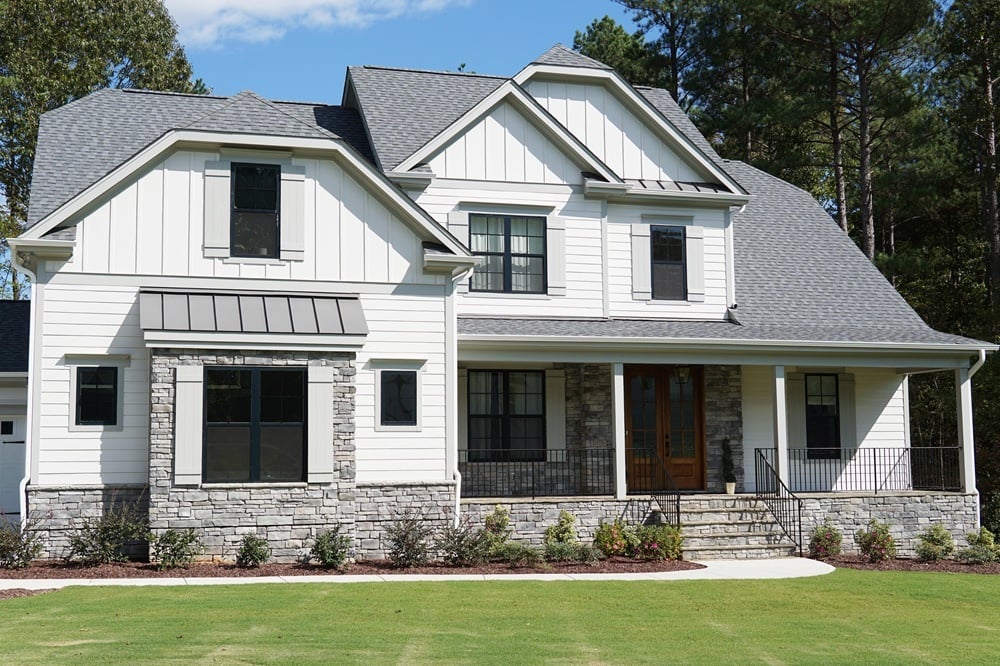
Neutral colors such as white, beige, and gray create a timeless exterior. Earth tones such as tan, brown, and green work well with natural surroundings. Bold blues, reds, and dark shades can create a more distinctive look when balanced with the right trim.
Before making a final decision, compare large samples outdoors at different times of day and use a siding visualizer to preview the complete exterior. Joyce Windows, Sunrooms & Baths currently offers vinyl siding design and installation in the Cleveland-area market.

Why Does Your Vinyl Siding Color Matter?
Siding covers a large portion of the home’s exterior, making its color one of the most noticeable parts of the property.
The right color can:
- Highlight the home’s architectural features
- Coordinate the roof, windows, doors, and trim
- Make an older exterior feel more current
- Create stronger contrast and visual definition
- Help a detached garage or addition feel connected
- Reflect the homeowner’s personal style
- Improve the home’s overall curb appeal
A poorly coordinated color can compete with permanent features or make the exterior feel disconnected.
That is why siding color should be selected as part of a complete exterior plan—not as an isolated product choice.
Related Article: Vinyl Siding Color Options
What Siding Colors Does Joyce Offer?
Joyce’s current siding materials group available colors into three broad categories:
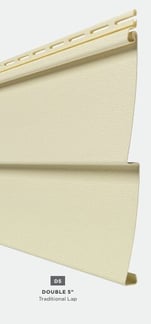
Neutral colors
Neutral siding may include shades of:
- White
- Beige
- Cream
- Light gray
- Medium gray
These colors tend to work with a wide range of roofs, masonry, shutters, and architectural styles.
Neutral does not have to mean plain. A warm beige can create a traditional look, while a cooler gray
may feel more contemporary.
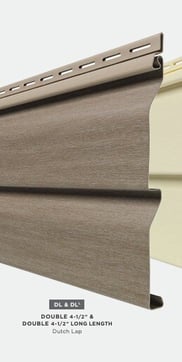
Earth-tone colors
Earth tones may include:
- Tan
- Brown
- Olive
- Muted green
- Warm gray
These colors often coordinate well with trees, stone, brick, natural landscaping, and wooded properties.
Earth tones can be especially effective when the home already has warm roof shingles, brown masonry, or natural wood details.
Bold colors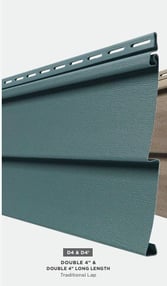
Bolder siding palettes may include:
- Rich blue
- Deep red
- Dark gray
- Black or near-black shades
- Strong green tones
A bold exterior can make a home stand out, but darker or more saturated colors require careful coordination with the roof, trim, doors, gutters, and surrounding homes.
Joyce offers a wider range of colors than the examples shown online. Current availability depends on the siding profile, manufacturer, product collection, and project specifications.
How Should You Choose a Vinyl Siding Color?
Start with the parts of your home that will not change
Before looking at siding samples, identify the exterior materials you plan to keep.
These may include:
- Roof shingles
- Brick or stone
- Window frames
- Entry doors
- Garage doors
- Gutters and downspouts
- Porches and decks
- Concrete or paver surfaces
- Chimneys
- Permanent landscaping
These fixed features limit the practical siding palette.
For example, a home with warm red brick and brown roof shingles may look more coordinated with cream, tan, warm gray, or selected earth tones than with a cool blue-gray.
A home with charcoal shingles and white windows may support a wider range of cool grays, blues, or darker colors.
Should the Siding Match the Roof?
The siding does not need to match the roof exactly. In most cases, it should coordinate with the roof’s undertone.
Roof colors often contain several blended tones. Look at the shingles from the ground rather than relying only on the manufacturer’s color name.
Warm roof colors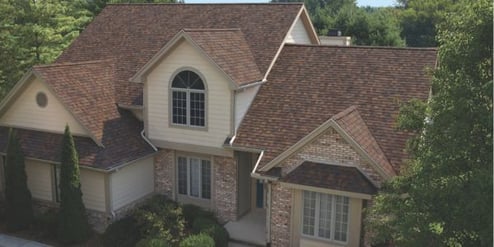
Brown, tan, rust, or warm charcoal roofing may coordinate with:
- Cream
- Warm beige
- Tan
- Brown
- Olive
- Warm gray
- Muted green
Cool roof colors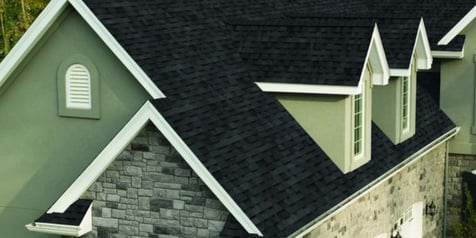
Black, slate, blue-gray, or cool charcoal roofing may coordinate with:
- White
- Cool gray
- Blue
- Dark gray
- Selected green shades
- High-contrast neutral combinations
The roof usually lasts for many years, so treat it as a central part of the siding decision unless it will also be replaced.
How Should Siding Coordinate With Brick or Stone?
Brick and stone frequently contain more colors than homeowners notice at first.
Stand several feet away and identify:
- The dominant color
- The secondary color
- The mortar color
- Any cool or warm undertones
The siding can coordinate with one of those existing tones rather than attempting an exact match.
For example:
- Red brick with cream mortar may work with cream, tan, warm gray, or muted green.
- Brown stone may pair well with beige, olive, warm white, or deeper brown accents.
- Gray stone may coordinate with white, blue-gray, charcoal, or a restrained dark color.
Avoid selecting a siding shade from a website image alone. Screens display colors differently, and outdoor lighting changes how the material appears.
What Siding Colors Work Well With White Windows?
White window frames provide strong contrast and coordinate with many siding colors.
Common combinations include:
- White windows with blue siding
- White windows with gray siding
- White windows with dark green siding
- White windows with red siding
- White windows with tan or beige siding
- White windows with dark charcoal siding
Repeating white on the corner posts, fascia, soffit, entry trim, or garage door can help make the color scheme feel intentional.
However, bright white trim may look harsh against some warm creams or beiges. Compare the samples together before ordering.
Should Your Trim Be Lighter or Darker Than the Siding?
Either approach can work.
Lighter trim
White or light trim creates definition around:
- Windows
- Doors
- Corners
- Rooflines
- Gables
- Porches
This is a common choice for traditional homes and darker siding colors.
Darker trim
Darker trim can create a modern or dramatic exterior. It may work especially well with light gray, white, or cream siding.
Matching trim
Trim close to the main siding color creates a quieter, more unified appearance. This may work well when the home already has several materials or architectural details.
Trim selection should include more than window borders. Consider soffit, fascia, gutters, downspouts, corner posts, utility blocks, vents, and door surrounds.
Should the Front Door Match the Siding?
The entry door can either blend into the exterior or serve as a focal point.
A contrasting door color may work well when the rest of the exterior uses a restrained palette.
Examples include:
- Navy door with white or light-gray siding
- Red door with cream or beige siding
- Black door with white siding
- Wood-tone door with green or warm-gray siding
- Deep green door with neutral siding
If the siding itself is bold, a quieter door color may keep the home from looking overly busy.
Review the siding, trim, and entry-door colors together rather than selecting each one separately.
Do Dark Siding Colors Make a Home Look Smaller?
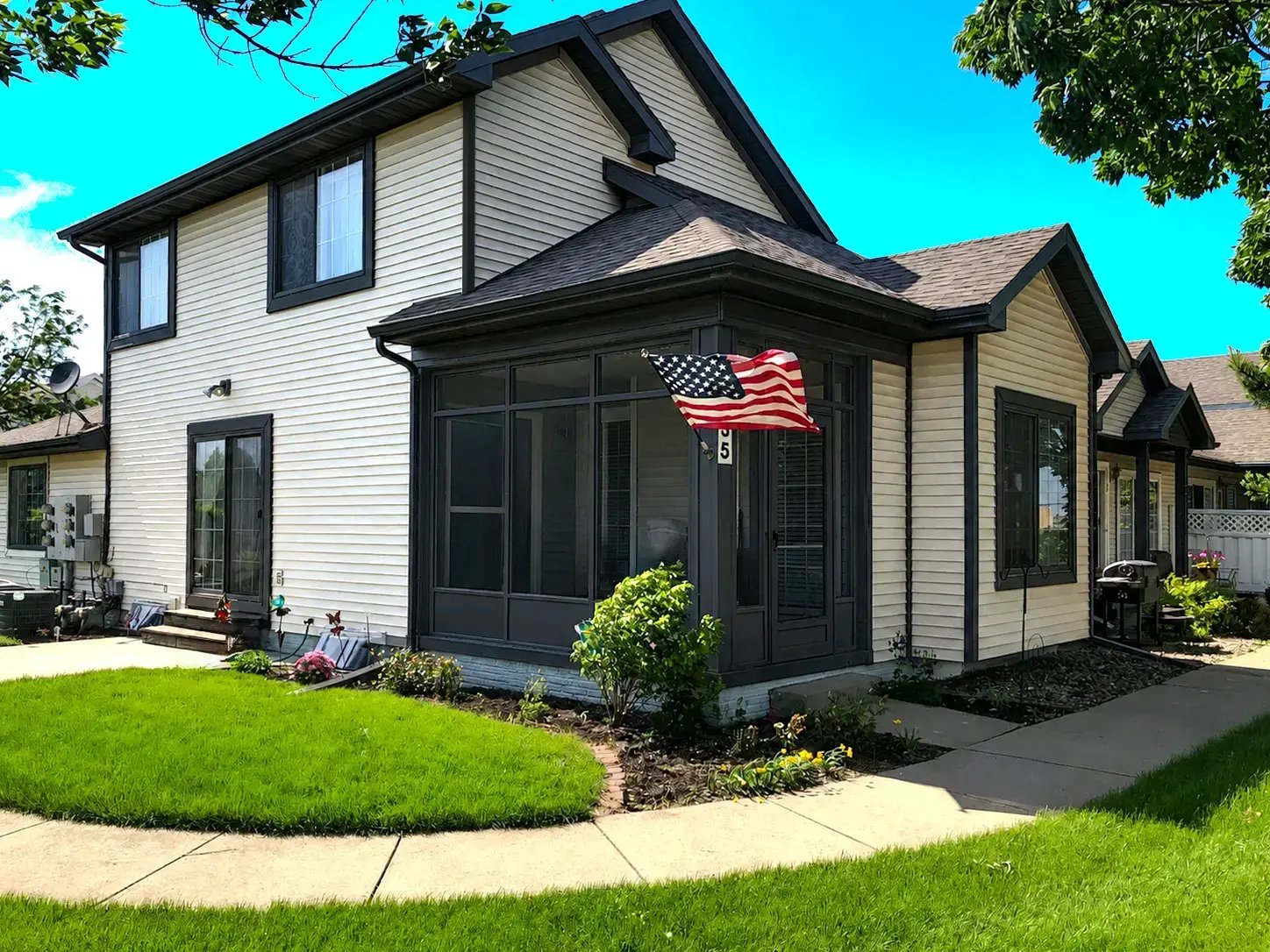
Dark colors can make parts of a home feel more visually compact, but the effect depends on the house’s size, shape, trim, landscaping, and surrounding light.
Dark siding can also:
- Make white or light trim appear more prominent
- Create a modern or dramatic look
- Emphasize large windows
- Help a simple exterior feel more architectural
- Blend the home with wooded surroundings
A dark color may feel heavy when used without contrast on a small home with limited natural light. Strategic light trim, masonry, wood-tone accents, or a lighter garage door can balance the design.
Do Light Siding Colors Make a Home Look Larger?
Light colors reflect more visible light and can make an exterior feel brighter or more open.
White, cream, beige, and pale gray may be useful when:
- The home is small
- Trees heavily shade the property
- The architecture has limited exterior detail
- The homeowner prefers a classic appearance
- The roof or masonry is visually heavy
- The neighborhood favors understated palettes
Very light siding may show dirt, mildew, or splash marks differently from darker colors. Maintenance needs will still depend on the property, landscaping, drainage, and local conditions.
How Does Home Style Affect Siding Color?
The home’s architecture can guide—but does not have to dictate—the palette.
Ranch homes
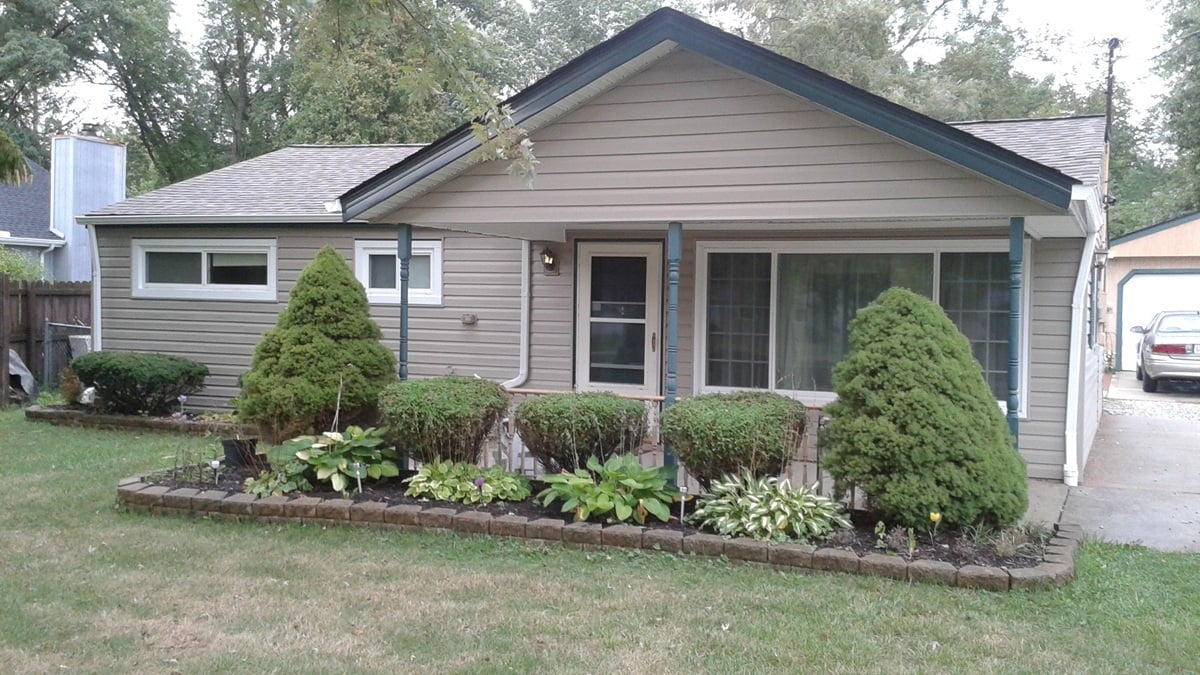
Horizontal siding can reinforce a ranch home’s long, low shape.
Suitable palettes may include:
- Warm neutrals
- Earth tones
- Medium blue
- Gray
- Contrasting white or cream trim
Colonial homes
Colonial-style homes often suit balanced, traditional palettes such as:
- White
- Cream
- Blue
- Gray
- Muted green
- Dark shutters with light siding
Craftsman homes
Craftsman exteriors may work well with:
- Olive green
- Brown
- Tan
- Warm gray
- Cream
- Stone or shake accents
Contemporary homes
Modern homes may support:
- Charcoal
- Black
- White
- Cool gray
- Deep blue
- High-contrast trim
- Mixed siding directions
Cape Cod homes
Cape Cod exteriors often use:
- White
- Gray
- Blue
- Soft beige
- Dark shutters
- Contrasting doors
These are design starting points, not fixed rules. The roof, masonry, lot, neighborhood, and homeowner’s preferences remain important.
Should You Mix Siding Colors?
Using more than one color can add dimension when the combination supports the architecture.
A second siding color may be used on:
- Gables
- Dormers
- Porches
- Additions
- Bump-outs
- Upper stories
- Garage sections
- Entry areas
The accent color should highlight a real architectural division. Adding unrelated color blocks can make the exterior appear fragmented.
A simple exterior often works best with:
- One primary siding color
- One trim color
- One accent color
Brick, stone, roofing, and wood features may already contribute additional colors.
Can You Mix Horizontal and Vertical Siding?
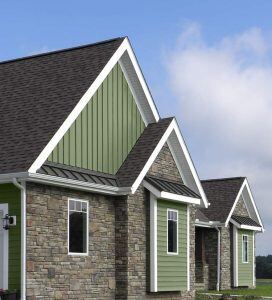
Yes. Mixing siding direction can add texture and emphasize architectural features.
For example, homeowners may use:
- Horizontal siding on the main walls
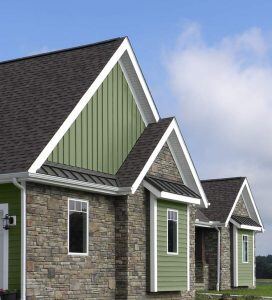
- Vertical siding in the gables
- Shake-style accents around an entry
- A different profile on a porch or upper level
Joyce currently offers Double 4-inch, Double 4.5-inch, and Double 5-inch horizontal profiles, along with accent options such as hand-split shakes and coordinating soffit and trim.
The profile affects shadow lines and scale as much as the color does.
How Does Siding Profile Change the Appearance?
The siding profile determines the visible width and shape of each course.
Double 4-inch profile
This profile creates narrower horizontal lines and a classic exterior appearance.
It may work well on:
- Traditional homes
- Smaller homes
- Homes with many windows or details
- Exteriors where the siding should remain understated
Double 4.5-inch profile
The 4.5-inch profile provides a slightly wider look that can bridge traditional and modern styles.
It may work well for homeowners who want more noticeable shadow lines without selecting the widest profile.
Double 5-inch profile
The 5-inch profile creates broader courses and stronger horizontal lines.
It can provide a bolder, more contemporary appearance and may work particularly well on ranch homes or larger wall surfaces.
View the profile and color together. The same shade can look different when the panel width and shadow line change.
How Does Outdoor Lighting Affect Siding Color?
Siding color can look different throughout the day.
Morning light may make a color appear cooler. Strong afternoon light may bring out warmer tones. Deep shade may make a medium shade look much darker.
Before ordering:
- View samples in morning, midday, and afternoon light.
- Place samples on more than one side of the home.
- Compare them in direct sun and shade.
- Hold them beside the roof, brick, stone, and window trim.
- Step back far enough to judge the overall effect.
- Take photographs for comparison, but do not rely only on the phone screen.
A small sample viewed indoors is not enough to understand how the completed exterior will look.
Can You Preview Siding Colors on Your Home?
Yes. Joyce currently offers a visualizer that lets homeowners preview different siding colors on an image of their own home.
A digital visualizer is useful for narrowing the choices and comparing complete palettes. It should not replace physical samples because screens, cameras, shadows, and display settings can alter color.
Use the visualizer to create a shortlist, then confirm the final selection outdoors using current product samples.
Will Vinyl Siding Colors Fade?
Outdoor building products are exposed to sunlight, weather, temperature changes, moisture, dirt, and airborne materials.
Joyce’s current siding products are described as using color-protection technology designed to resist fading, weathering, and chalking. However, the article should not claim that siding will never fade or change.
The amount of visible change may depend on:
- Product formulation
- Color depth
- Sun exposure
- Home orientation
- Climate
- Surface care
- Age
- Manufacturing tolerances
- Warranty terms
Ask for the written manufacturer warranty and confirm how fading, chalking, or color variation is defined and measured.
Is Dark Vinyl Siding More Likely to Fade?
Dark colors absorb more visible and solar energy than lighter colors, but modern vinyl siding products may be specifically engineered for darker shades.
The better question is not whether every dark color will fade. Ask:
- Is this exact shade approved for the selected profile?
- What color-protection technology is used?
- What does the manufacturer warranty cover?
- How is excessive fading defined?
- Is the trim available in a compatible color?
- Can repaired or replacement panels be color-matched later?
Does Siding Color Affect Home Temperature?
Color may influence how much solar energy an exterior surface absorbs, but siding color alone does not determine the home’s energy efficiency.
The complete wall system may include:
- Siding
- House wrap
- Insulation
- Sheathing
- Framing
- Interior insulation
- Air sealing
- Windows and doors
- Attic ventilation
- Soffit and roof components
Should You Consider the Neighborhood?
Your exterior should reflect your preferences, but nearby homes can provide useful context.
Consider:
- Common roof and masonry colors
- The amount of space between homes
- Historic-district requirements
- Homeowners association restrictions
- Whether a bold shade will complement or strongly contrast the street
- How the color may appear during different seasons
A neighborhood does not need every home to look identical. The goal is to understand the visual setting and any approval requirements before ordering materials.
Which Siding Colors Have Broad Appeal?
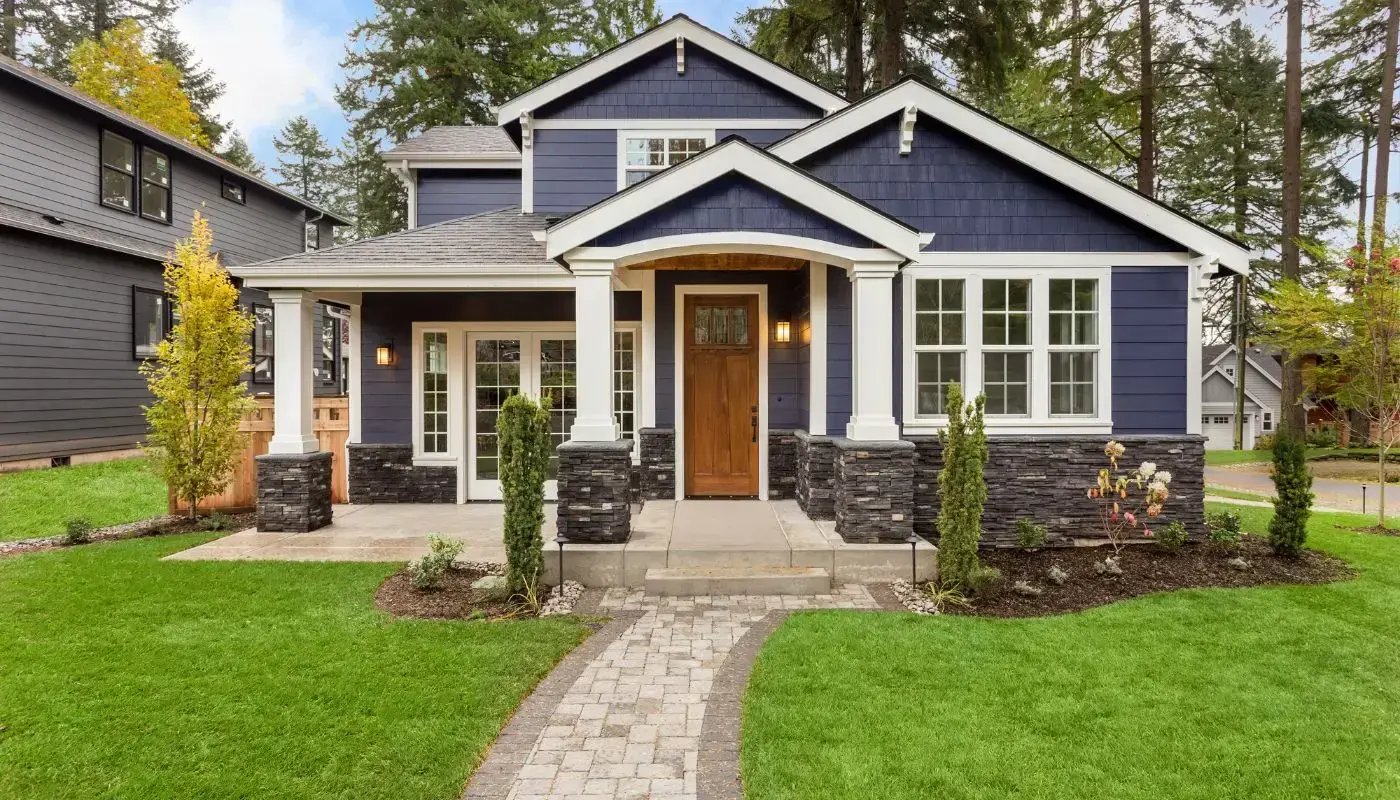
Neutral shades usually appeal to a wider range of homeowners because they coordinate easily with changing doors, shutters, roofs, and landscaping.
These may include:
- White
- Cream
- Beige
- Tan
- Light gray
- Medium gray
That does not mean a neutral color automatically increases home value or that bold colors reduce it.
Resale appeal depends on the home, neighborhood, condition, workmanship, market, and buyer preferences. Avoid promising a specific return on investment based only on siding color.
How Should You Choose Siding for a Brick Home?
A partially brick home often looks best when the siding supports the brick rather than competes with it.
Try this process:
- Identify the brick’s dominant color.
- Note the mortar color.
- Find secondary flecks or undertones.
- Select two or three siding colors related to those tones.
- Compare them next to the brick outdoors.
- Add trim samples to complete the palette.
For example, a brick with tan, cream, and brown variations might coordinate with warm white siding, tan siding, or a muted brown-gray.
What Should You Know About Soffit and Trim Colors?
Soffit and trim help create a finished exterior and should be selected during the main siding design process.
Joyce offers coordinating soffit and trim intended to:
- Define rooflines and openings
- Provide a cleaner finished appearance
- Coordinate siding with windows and doors
- Protect exterior transitions
- Support attic ventilation when ventilated soffit is used
The soffit does not always need to match the siding. White or light soffit can brighten the area below the roof overhang, while a coordinating darker shade may create a more unified appearance.
Ask to see siding, soffit, fascia, trim, corner-post, vent, and accessory colors together.
What Should You Bring to a Siding Design Consultation?
Bring or collect:
- Photos of every side of the home
- Close-up photos of the roof and masonry
- Inspiration photos
- Homeowners association or historic-district rules
- Colors you already like
- Colors you do not want
- Plans for future roof, door, window, or garage updates
- A list of exterior components that will remain
- Questions about maintenance and warranties
During the consultation, ask the Joyce representative to explain:
- Available siding profiles
- Current colors
- Accent options
- Soffit and trim choices
- Product warranty
- Labor warranty
- Installation scope
- Existing-material removal
- Handling of hidden damage
- Expected project schedule
Siding Color Planning Worksheet
| Exterior feature | Existing color or material | Keep or replace? | Colors that may coordinate |
|---|---|---|---|
| Roof | |||
| Brick or stone | |||
| Windows | |||
| Entry door | |||
| Garage door | |||
| Gutters | |||
| Shutters | |||
| Porch or deck | |||
| Detached garage | |||
| Landscaping |
Visual recommendation: Turn this into a downloadable Joyce-branded “Exterior Color Planning Worksheet.”
Does Joyce Install Vinyl Siding Near You?
Joyce Windows, Sunrooms & Baths currently offers vinyl siding installation in the Cleveland-area market only.
The company provides:
- Full-scale siding replacement
- Multiple siding profiles
- Neutral, earth-tone, and bold color options
- Accent styles
- Soffit and trim
- Professional installation
- A two-year limited labor warranty on qualifying projects
- Manufacturer warranty protection based on the selected product
Explore Siding Colors for Your Cleveland-Area Home
The best siding color balances personal preference with the home’s permanent exterior features.
Joyce’s design process helps Cleveland-area homeowners compare siding profiles, colors, trim, soffit, accents, and warranty options before ordering materials.
Frequently Asked Questions
What is the most popular vinyl siding color?
Neutral colors such as white, beige, tan, and gray tend to have broad appeal because they coordinate with many roof, masonry, window, and trim colors. The best choice still depends on the individual home.
Should siding be lighter or darker than the roof?
Either can work. A lighter siding color creates contrast with a dark roof, while a medium or dark siding color can create a more dramatic exterior. The undertones should coordinate even when the colors contrast.
What siding color works with red brick?
Cream, tan, warm gray, muted green, and selected darker neutrals may coordinate with red brick. Use the brick’s mortar and secondary tones to narrow the choices.
Can I use two siding colors on one home?
Yes. A second color can highlight gables, dormers, porches, upper stories, or other architectural sections. Keep the palette controlled so the exterior does not look fragmented.
Can I combine horizontal siding and shake accents?
Yes. Shake-style accents can add texture to a gable, entry, or other architectural feature while horizontal siding remains the primary exterior material.
Does dark vinyl siding fade?
Modern dark siding may use color-protection technology designed to resist fading, but no article should promise that a color will never change. Review the manufacturer’s written fade and color warranty.
Can I preview Joyce siding colors on my house?
Yes. Joyce offers a visualizer that allows homeowners to preview siding colors on an image of their home. Final choices should also be confirmed with physical samples outdoors.
Does Joyce repair a small section of damaged siding?
No. Joyce currently advertises full-scale siding replacement rather than small-area patch repairs.
Where does Joyce offer siding installation?
Joyce currently offers siding installation in the Cleveland-area market only. Confirm service availability for your ZIP code before scheduling.
The Bottom Line
Choosing a vinyl siding color involves more than deciding between light and dark.
Start with the roof, brick, stone, windows, doors, and other exterior materials that will remain. Then compare neutral, earth-tone, or bold colors that support those features. Consider the siding profile, trim, soffit, accents, architecture, landscaping, neighborhood, and outdoor light before making the final decision.
Most importantly, confirm current product availability with physical samples and written specifications. Online photographs and older color names may not reflect the siding products available today.
Joyce Windows, Sunrooms & Baths helps Cleveland-area homeowners create coordinated siding plans using current colors, profiles, soffit, trim, and accent options.
Book a Design Consultation, download the current siding brochure, or try the visualizer to begin planning your exterior.