
What Are the Biggest Bathroom Remodeling Red Flags?
Before hiring a bathroom remodeling contractor, watch for these seven warning signs:
- They cannot clearly verify licensing, insurance, or company information.
- The contract is vague or leaves important details out.
- They cannot explain the products and materials being installed.
- The price is dramatically lower than competing estimates without a clear reason.
- They cannot explain the installation process or project timeline.
- Warranty and post-installation support are unclear.
- They pressure you to sign immediately.
A good contractor should be able to explain what is being installed, who will install it, what the project includes, what it costs, what happens if conditions change, and who you call after the project is complete.
You should understand those answers before you sign anything.

Why Choosing the Right Bathroom Remodeler Matters
A bathroom remodel affects one of the most frequently used rooms in your home.
Even a project focused only on the tub or shower can involve demolition, plumbing, waterproofing, wall systems, fixtures, measurements, safety features, and finishing work.
Choosing a contractor based only on the lowest price or the most impressive sales presentation can create problems later.
The Federal Trade Commission recommends checking contractors' credentials and insurance, comparing written estimates, reviewing contracts carefully, and being cautious when someone pressures you to make an immediate decision.
Here are seven warning signs to look for before you commit to a bathroom remodel.

Red Flag #1: The Contractor Cannot Clearly Verify Their Credentials
One of your first questions should be simple:
Who exactly am I hiring?
You should be able to identify the company, its contact information, its applicable contractor credentials, and who is responsible for your project.
Licensing requirements vary by state and locality, so homeowners should verify the requirements where they live rather than assuming every project follows the same rules.
Ask:
- What is your full company name?
- Are you licensed where my project requires it?
- Can I see proof of insurance?
- Who will actually perform the installation?
- Will employees or subcontractors be doing the work?
- Who should I contact if there is a problem?
If a company becomes evasive when you ask basic questions about who they are or who will be working in your home, treat that as a warning sign.
How to Avoid This Red Flag
Verify applicable license information through your state or local government and request current proof of insurance when appropriate.
Also look at more than a star rating.
Read recent reviews, look for real completed projects, and pay attention to how the company handles complaints or problems.
Good sign: The contractor readily explains who they are, who performs the installation, and how you can verify their information.
Red flag: You receive vague answers, conflicting company names, or pressure to skip verification.
Red Flag #2: The Contract Is Vague
A bathroom remodeling contract should tell you what you are buying.
If the agreement simply says something like “replace shower” without defining the products, work, payment terms, and other important details, you may not have enough information to know what will actually be installed.
Before signing, look for clear information about:
- Project scope
- Products and materials
- Fixtures and finishes
- Accessories
- Installation responsibilities
- Price
- Payment schedule
- Expected project process
- Warranty information
- How changes are handled
If something was promised during the consultation, make sure the written agreement reflects it when appropriate.

Ask This Before Signing
“Can you walk me through everything that is and is not included in this price?”
That one question can uncover a surprising amount of confusion.
If the contractor cannot explain the agreement in plain language, do not rush to sign.
The FTC recommends reviewing written contracts carefully and making sure you understand them before work begins.
Red Flag #3: They Cannot Explain the Materials They Are Installing
Bathroom materials have to handle daily moisture, cleaning, temperature changes, and regular use.
Do not settle for vague statements like:
“It's premium.”
“It's contractor grade.”
“It's the best material.”
Ask what the product actually is and why it is appropriate for your bathroom.
Questions to Ask About Bath and Shower Materials
Ask:
- What are the wall panels made from?
- How are the walls installed?
- Are there grout lines?
- How should I clean the surface?
- What maintenance does it require?
- What warranty applies?
- What happens if the surface is damaged?
- What fixtures and accessories are included?
- Are safety features such as grab bars or seating available?
A good remodeler should be able to explain the product without relying entirely on sales language.
What Joyce Uses
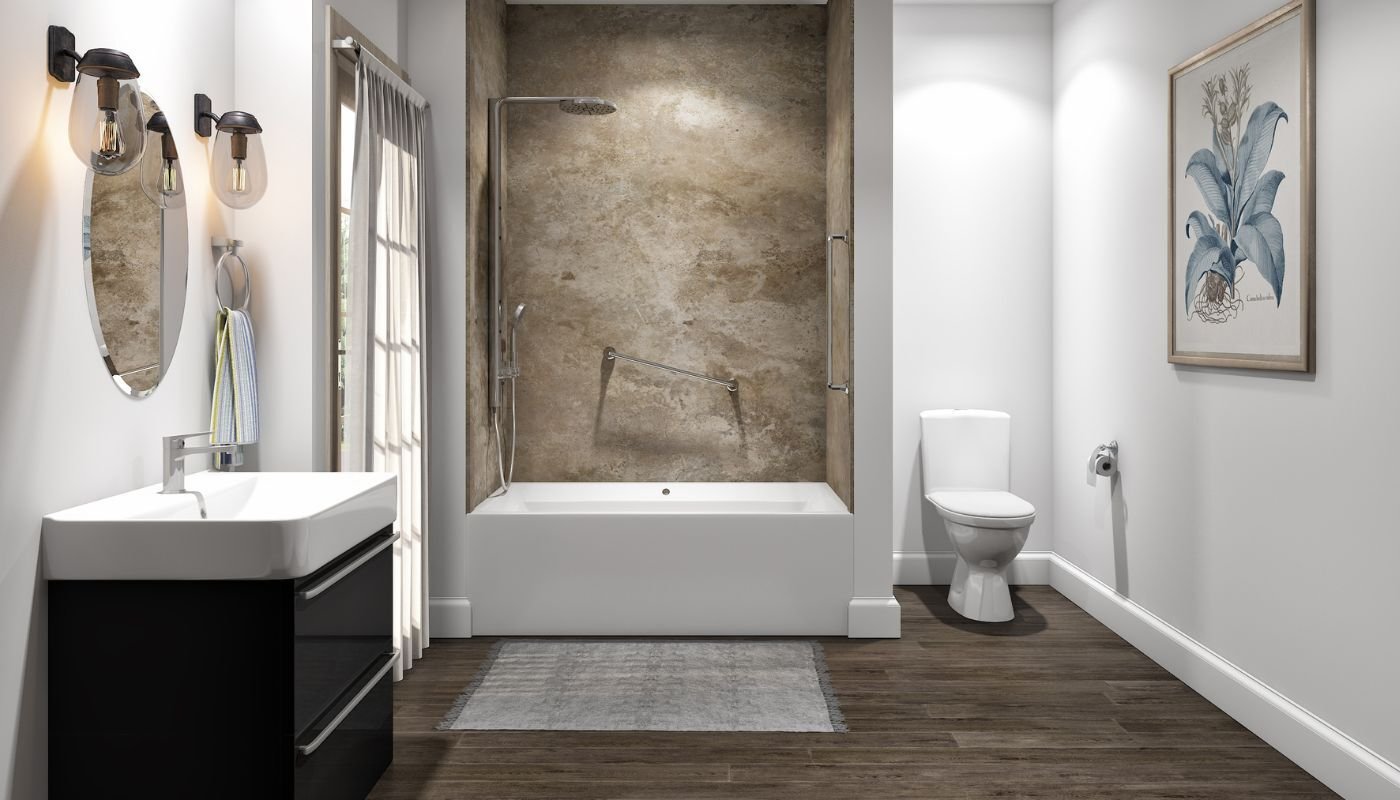
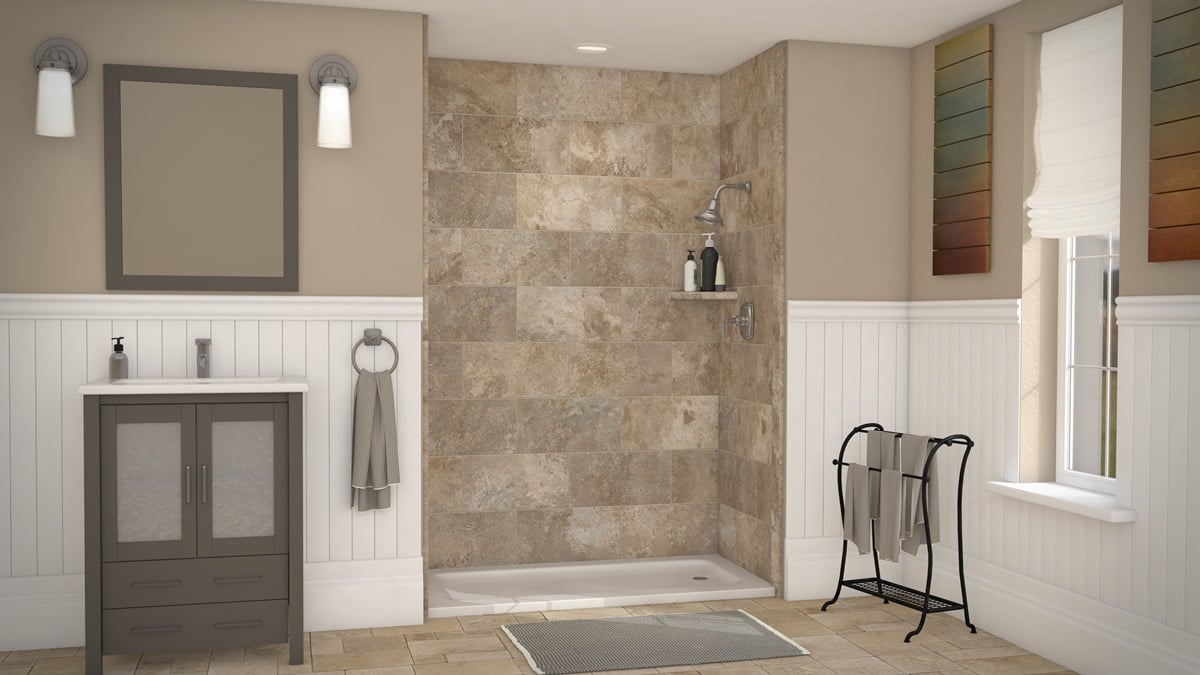
Joyce Windows, Sunrooms & Baths offers SignatureStone bath and shower surfaces designed to provide the look of natural stone with a low-maintenance surface and without traditional grout lines.
Joyce bath projects can also include options such as shelving, seating, grab bars, fixtures, glass doors, tubs, shower bases, and other project-specific features.
Related Article: Explore SignatureStone Bath & Shower Options
The point is not that every homeowner needs the same material.
The point is that you should understand what is going into your home before you buy it.
Red Flag #4: The Quote Is Much Lower Than Everyone Else's—and Nobody Can Explain Why
A low price is not automatically a bad price.
But a dramatically lower estimate deserves questions.
Contractors may be pricing different scopes of work, different materials, different accessories, or different levels of installation.
That means comparing only the number at the bottom of the proposal can be misleading.
Compare Quotes Apples to Apples
Ask each contractor whether the estimate includes:
- Removal and disposal
- Plumbing fixtures
- Wall system
- Tub or shower base
- Doors or curtain rods
- Shelving
- Seating or grab bars
- Installation labor
- Required adjustments
- Warranty coverage
Then ask:
“What could cause this price to change after I sign?”
A contractor should be able to explain the answer.
The FTC recommends getting multiple written estimates and asking questions when one bid is significantly different from the others.
Know Your Budget Before the Appointment
Joyce offers an online Bath Cost Calculator that gives homeowners a ballpark range based on project type, size, materials, accessories, and other selections.
It is not a final quote, but it can help you establish realistic expectations before comparing proposals.

Red Flag #5: They Cannot Explain What Installation Day Will Look Like
“What happens after I sign?”
If the answer is unclear, keep asking questions.
A professional remodeler should be able to describe the process between contract and completion.
That may include:
- Final measurements
- Product ordering or manufacturing
- Scheduling
- Preparing the bathroom
- Removing the existing tub or shower
- Inspecting the exposed area
- Completing necessary installation work
- Installing the new bath or shower
- Finishing and sealing
- Cleanup
- Final walkthrough
Your specific project may require additional steps.
The important part is that the contractor has a process and can explain it.
Ask About Unexpected Conditions Too
Bathroom remodeling sometimes reveals conditions that were not visible before demolition.
Ask:
“What happens if you uncover damage or another condition after removing my existing bath or shower?”
You want to know how the contractor communicates unexpected work, who approves changes, and how any additional cost would be handled.
A vague answer before construction can become a stressful disagreement during construction.
Red Flag #6: Warranty and Post-Installation Support Are Unclear
Your relationship with a remodeling company should not end the moment the installation crew leaves.
Before signing, ask:
- What product warranty is included?
- Is labor covered?
- Who handles a service request?
- How do I contact the company after installation?
- Are the warranty terms provided in writing?
- Does another manufacturer handle part of the warranty?
Do not assume that “lifetime warranty” or “fully warranted” tells you everything you need to know.
Read the actual warranty terms.
Related Article: Joyce Cleaning and Warranties
Inspect the Project Before Final Sign-Off
Once installation is complete, look carefully at the finished bathroom.
Check items such as:
- Fixtures
- Doors
- Seams
- Caulking
- Shelving
- Grab bars
- Drainage
- Surface condition
- Overall finish
Ask questions while the project is being reviewed with you.
If you notice an issue later, document it clearly and contact the company's customer-service or warranty department.
Good sign: The contractor explains how service requests work before you need one.
Red flag: Nobody can tell you who handles problems after installation.
Red Flag #7: You Are Being Pressured to Sign Right Now
Bathroom remodeling is a major household purchase.
You should understand the project before making the decision.
Be cautious if the entire presentation is built around getting your signature before you can review the proposal.
Common pressure tactics can include:
- “This price disappears when I leave.”
- “You need to decide right now.”
- “I can only give you this discount today.”
- Repeatedly introducing new discounts after you hesitate
- Making it difficult to end the appointment
- Discouraging you from comparing other options
A legitimate limited-time promotion can exist.
The warning sign is pressure that prevents you from understanding what you are agreeing to.
The FTC specifically identifies pressure to make an immediate decision as a warning sign in home-improvement scams.
What to Do
Ask for the proposal in writing.
Review:
- Scope
- Product
- Price
- Financing terms, if applicable
- Warranty
- Installation process
- Cancellation terms
If financing is part of the project, read those documents separately and understand the payment terms before signing.
You should feel informed—not exhausted into making a decision.
Bonus Red Flag: The Contractor Does Not Ask Enough Questions About Your Bathroom
A remodeler should not only talk.
They should listen.
Before recommending a bath or shower, the contractor should understand what you are trying to fix.
For example:
Is the tub difficult to step over?
A low-threshold shower or tub-to-shower conversion may be worth discussing.
Do you still use the bathtub?
Keeping a tub may make more sense than automatically converting it.
Is cleaning grout your biggest frustration?
A lower-maintenance wall system may be more relevant than changing the entire bathroom layout.
Do you need more storage?
Shelving and accessory placement should be part of the design conversation.
Are you planning for long-term accessibility?
Grab bars, seating, handheld shower options, and easier-entry designs may deserve consideration.
A company that recommends a solution before understanding the problem may be selling a standard package rather than designing around your needs.
What Should a Good Bathroom Remodeling Consultation Include?
A good consultation should help you understand both the possibilities and the limitations of your project.
You should leave with clearer answers about:
| What to Discuss | What You Should Learn |
|---|---|
| Your goals | What you want to improve |
| Existing bathroom | What the contractor sees and measures |
| Project scope | What will and will not be changed |
| Materials | What products are being installed |
| Design | Colors, patterns, fixtures and accessories |
| Safety | Available accessibility options |
| Price | What the project costs and what affects price |
| Installation | What happens before, during and after construction |
| Warranty | Who stands behind the project |
| Next steps | What happens if you decide to move forward |
At Joyce, the bath estimate process starts with discussing goals such as style, cleaning, comfort, safety, accessibility, and function. A Joyce consultant then reviews the current bath or shower area, takes measurements, explains available options, and develops a project estimate based on the home and product selections.
Questions to Ask Every Bathroom Remodeling Contractor
Bring these questions to your appointments:
Company
- How long have you been in business?
- What licensing applies to my project?
- Can I see proof of insurance?
- Who will install the project?
Products
- What exactly are you installing?
- How is it maintained?
- What options are included?
- What warranty applies?
Pricing
- What is included in the quoted price?
- What is not included?
- What could make the price change?
- What financing terms apply, if I finance?
Installation
- What happens before installation?
- Who handles removal and cleanup?
- What happens if hidden damage is found?
- How will I receive project updates?
After Installation
- Who handles warranty claims?
- How do I request service?
- What should I inspect at the final walkthrough?
Save this list on your phone or print it before meeting with contractors.
Related Article: Choosing the Right Contractor
Frequently Asked Questions About Hiring a Bathroom Remodeling Contractor
How do I know if a bathroom contractor is legitimate?
Verify the company's identity, applicable licensing, and insurance. Look at completed projects and reviews, request a written proposal, and make sure you understand who will actually perform the work.
Should I get more than one bathroom remodeling estimate?
Comparing estimates can help you understand differences in scope, materials, installation, warranties, and price. The FTC recommends getting multiple written estimates before choosing a home-improvement contractor.
Is the cheapest bathroom remodeling quote usually the best?
Not necessarily. A lower quote may reflect a smaller scope, different materials, fewer accessories, or another difference in the project. Ask the contractor to explain exactly what the estimate includes.
Should I pay for my entire bathroom remodel upfront?
Be cautious about demands for full payment before work begins. Payment requirements and consumer protections vary by location, so review the contract and applicable state or local requirements. The FTC identifies demands for full upfront payment as a potential warning sign.
What should be included in a bathroom remodeling contract?
The agreement should clearly describe the project, products, price, payment terms, and other important project details. Make sure verbal promises that affect your decision are reflected appropriately in writing.
What should I ask about a bathroom remodeling warranty?
Ask what products are covered, whether installation labor is covered, how long coverage lasts, who provides each warranty, and how to request service.
How can I avoid a high-pressure remodeling sales pitch?
Ask for the proposal in writing and take the time you need to understand the project, price, and contract. Do not let an artificial deadline prevent you from reading what you are signing.
Choose a Bathroom Remodeler Based on More Than Price
The safest way to compare bathroom remodeling companies is not simply to ask:
“Who gave me the lowest number?”
Ask instead:
“Who gave me the clearest explanation of what I am buying?”
A trustworthy remodeling process should make the project easier to understand.
You should know what products are being installed, what the project includes, who is doing the work, how changes are handled, what the final price covers, and who will help you if something needs attention later.
Joyce Windows, Sunrooms & Baths has served homeowners since 1955 and offers custom bath and shower remodeling including bathtub replacements, shower replacements, tub-to-shower conversions, walk-in tubs, SignatureStone wall systems, and select bathroom refresh options.
If you are still in the research stage, start with a ballpark estimate.
If you are ready to compare materials, designs, measurements, and exact project options, schedule a design consultation.
Topics:
_flipped.jpg?width=3246&height=2550&name=joyce_034-outside(c)_flipped.jpg)