

An old, stained, chipped, or outdated bathtub can make the entire bathroom feel worn. Two common ways to address the problem are bathtub reglazing and bathtub replacement.
Reglazing applies a new surface coating to the existing tub. Replacement removes or covers the old bathing area and installs a new tub, wall system, fixtures, or shower configuration.
Reglazing may make sense when the tub is structurally sound and the goal is primarily cosmetic. Replacement is usually the stronger option when the tub is damaged, difficult to use, hard to maintain, or no longer fits how the household uses the bathroom.

Should You Reglaze or Replace Your Bathtub?
Consider reglazing when:
- The tub is structurally sound.
- The main concern is staining, dullness, or minor surface wear.
- You want a lower-cost cosmetic update.
- You are comfortable following special cleaning and care instructions.
- You do not need to change the tub’s size, layout, or accessibility.
Consider replacement when:
- The tub is cracked, leaking, unstable, or seriously damaged.
- The surrounding walls or plumbing also need attention.
- You want a different tub style or bathing layout.
- You want to convert the bathtub into a shower.
- You need easier access, grab bars, seating, or other safety features.
- You want new fixtures, walls, shelving, and coordinated finishes.
- Previous refinishing has failed.
Joyce Windows, Sunrooms & Baths offers bathtub replacement, shower replacement, tub-to-shower conversions, walk-in tubs, and broader bathroom remodeling options. The right project depends on the condition of the bathroom and how you want to use it.
Ready to compare bathroom remodeling options?
Book a Design Consultation
What Is Bathtub Reglazing?
Bathtub reglazing—also called refinishing or resurfacing—is a process that applies a new finish over the existing tub surface.
The contractor generally:
- Cleans and prepares the tub.
- Repairs small chips or surface damage.
- Etches or sands the existing finish.
- Applies bonding agents, coatings, and a topcoat.
- Allows the surface to cure before the tub is used.
Reglazing changes the appearance of the existing tub. It does not replace the tub, plumbing, drain assembly, surrounding wall system, or underlying structure.
That distinction is important. A freshly coated surface may look better, but it will not correct hidden water damage, movement beneath the tub, major cracks, plumbing problems, or a layout that no longer works.
What Is Bathtub Replacement?
Bathtub replacement involves installing a new bathing system rather than applying another finish to the old surface.
Depending on the project, replacement may include:
- Removal of the old tub
- Inspection of the exposed area
- A new bathtub or shower base
- New wall surrounds
- Updated plumbing fixtures
- Shelving or storage
- Grab bars
- Seating
- New doors or a curtain system
- Repairs required around the wet area
- Professional installation
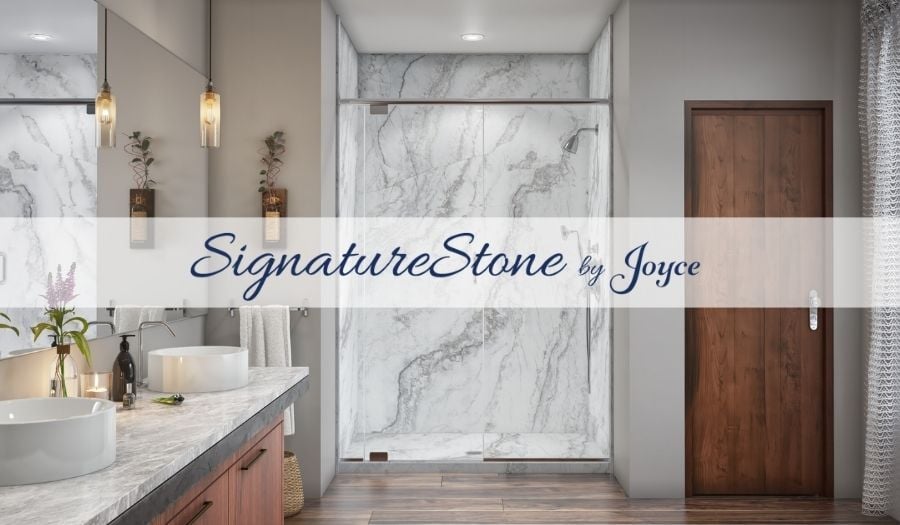
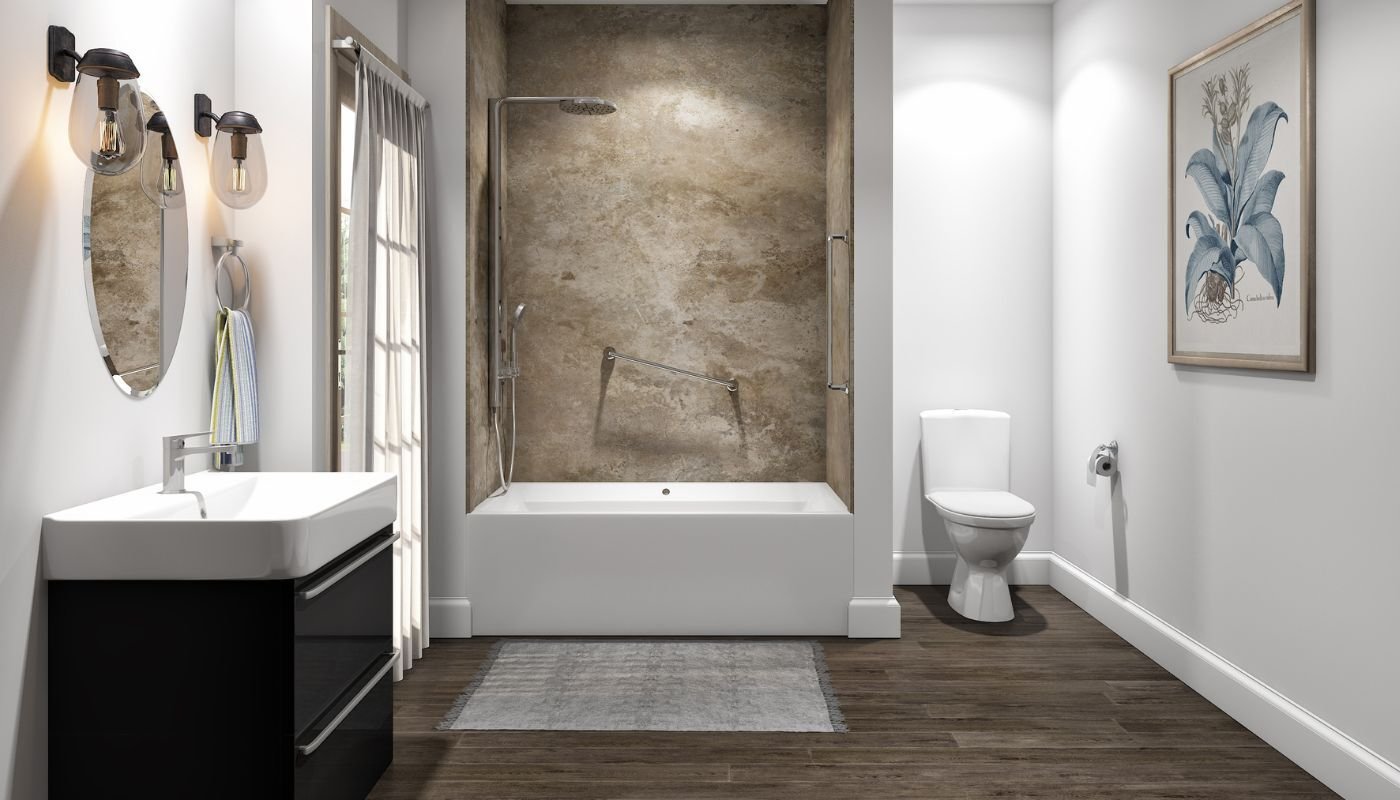
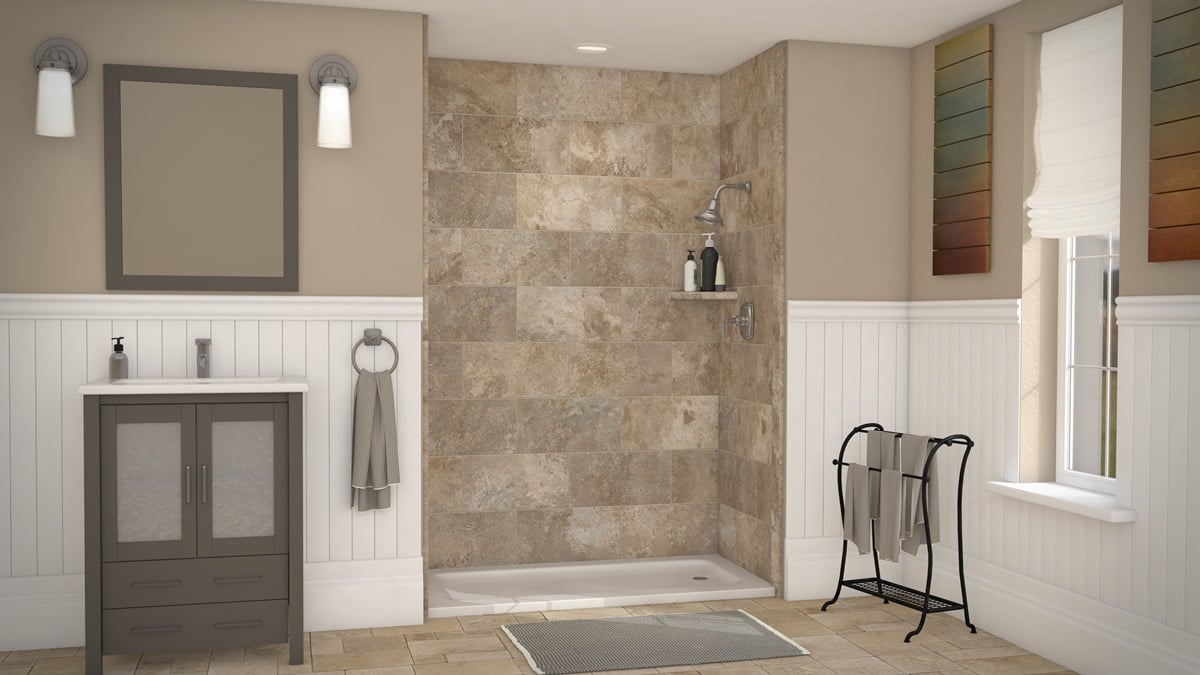
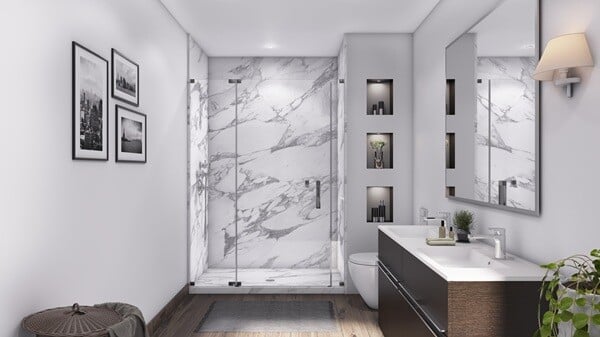
Joyce currently offers bathtub replacements, shower replacements, tub-to-shower conversions, walk-in tubs, and wet-area remodeling. Its SignatureStone by Joyce wall system is designed to provide a stone-inspired appearance with a low-maintenance surface and fewer grout-related cleaning concerns than traditional tile.
Reglazing vs. Replacement at a Glance
| Factor | Bathtub reglazing | Bathtub replacement |
|---|---|---|
| Main purpose | Cosmetic surface improvement | New bathing system and broader functional update |
| Existing tub | Remains in place | Replaced or incorporated into a new system |
| Layout changes | Generally not possible | Tub, shower, or access configuration may change |
| Structural problems | Does not correct major underlying issues | Allows inspection and correction during installation |
| Design choices | Primarily surface color and finish | Tub, walls, fixtures, doors, storage, and accessories |
| Accessibility | Limited improvement | Can include lower-entry showers, seating, and grab bars |
| Cleaning | Requires coating-compatible care | Depends on the selected materials |
| Initial cost | Usually lower | Usually higher |
| Long-term scope | Surface-level update | More complete wet-area renovation |
| Best fit | Sound tub needing a visual refresh | Damaged, outdated, unsafe, or impractical bathing area |
When Does Bathtub Reglazing Make Sense?
Reglazing may be reasonable when the existing bathtub:
- Is structurally sound
- Does not leak
- Does not move or flex
- Has no major cracks
- Has minor chips, staining, or surface wear
- Fits the desired bathroom layout
- Is still comfortable and easy to use
- Has surrounding walls and plumbing in good condition
It may also be considered for a distinctive tub that the homeowner wants to preserve.
The biggest advantage is that reglazing generally focuses on the visible surface rather than removing the entire tub. That can reduce the scope, disruption, and initial expense.
However, homeowners should understand that the new finish is a coating. Its appearance and durability depend on preparation, materials, application, curing, cleaning methods, and everyday use.
What Are the Limitations of Bathtub Reglazing?
It Does Not Fix Structural Damage
A new surface coating cannot correct:
- A cracked tub body
- Significant movement or flexing
- Water damage below or behind the tub
- Failing plumbing
- An unstable base
- Serious rust or corrosion
- Loose or damaged wall materials
These conditions should be evaluated before any cosmetic work is completed.
It Does Not Change the Bathroom Layout
Reglazing will not make a tub easier to enter, increase the shower area, add built-in seating, relocate plumbing, or convert the tub into a walk-in shower.
When the problem is how the bathing area functions—not simply how it looks—replacement is usually the more appropriate path.
The Finish Requires Appropriate Care
Refinished tubs may have specific cleaning and maintenance requirements. Abrasive cleaners, rough scrubbers, bathmats with aggressive suction cups, dropped objects, or harsh chemicals may damage some coatings.
Homeowners should request written care instructions and warranty terms from the refinishing contractor.
Previous Reglazing Can Complicate Future Work
A tub that has already been refinished may require more preparation before it can be coated again. Peeling, bubbling, cracking, or uneven adhesion can also indicate that another surface-only repair may not provide the desired result.
Results Depend Heavily on Preparation and Application
A successful finish requires careful surface preparation, ventilation, application, and curing. Homeowners should compare professional experience, safety practices, warranties, repair policies, and care instructions rather than choosing solely on price.
When Is Bathtub Replacement the Better Choice?
The Tub Is Cracked, Leaking, or Unstable
A visible crack, recurring leak, soft area, movement, or serious rust may indicate a problem that cannot be corrected with a new finish.
Replacement allows the installer to remove the old materials, inspect the area, and address conditions that would otherwise remain hidden.
You Want a Tub-to-Shower Conversion
If the bathtub is rarely used or has become difficult to step over, a tub-to-shower conversion may create easier access and a more open bathing area.
Joyce currently offers custom tub-to-shower conversions with low-maintenance wall options, professional installation, and available accessories such as shelving and grab bars.
A conversion should be designed around the user’s mobility, balance, comfort, bathroom dimensions, and long-term plans. A lower threshold can improve access, but no bathing product should be described as completely risk-free.
You Need Safety or Accessibility Features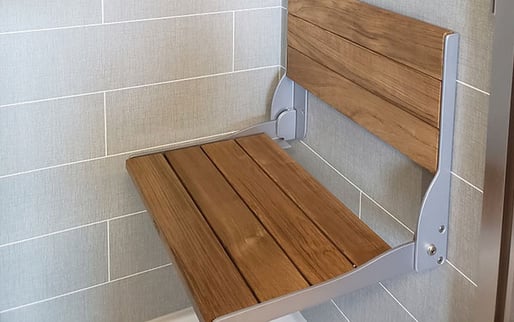
Replacement allows the bathroom to be designed with features such as:
- Grab bars
- Built-in or removable seating
- Handheld showerheads
- Lower-entry shower bases
- Slip-resistant surface options
- Easier-to-reach controls
- Storage placed at a practical height
- Walk-in tub configurations
Joyce currently offers optional grab bars, slip-resistant textures, walk-in tubs, and tub-to-shower conversions among its bath-remodeling choices.
The Surrounding Walls Are Damaged or Difficult to Clean
A worn tub is often only one part of an outdated wet area.
Replacement may be more practical when the bathroom also has:
- Cracked wall tile
- Failing grout
- Water-damaged backer materials
- Mold or mildew concerns
- Loose fixtures
- Poor storage
- Hard-to-clean surfaces
- An outdated wall color or pattern
A coordinated wall system can change the appearance and maintenance needs of the full tub or shower area rather than improving only the bottom surface.
You Want a Different Look
Replacement offers broader design choices, including:
- Bathtub or shower configuration
- Wall colors and patterns
- Stone-inspired finishes
- Fixture colors
- Shelving
- Shower doors
- Decorative accents
- Seating and safety accessories
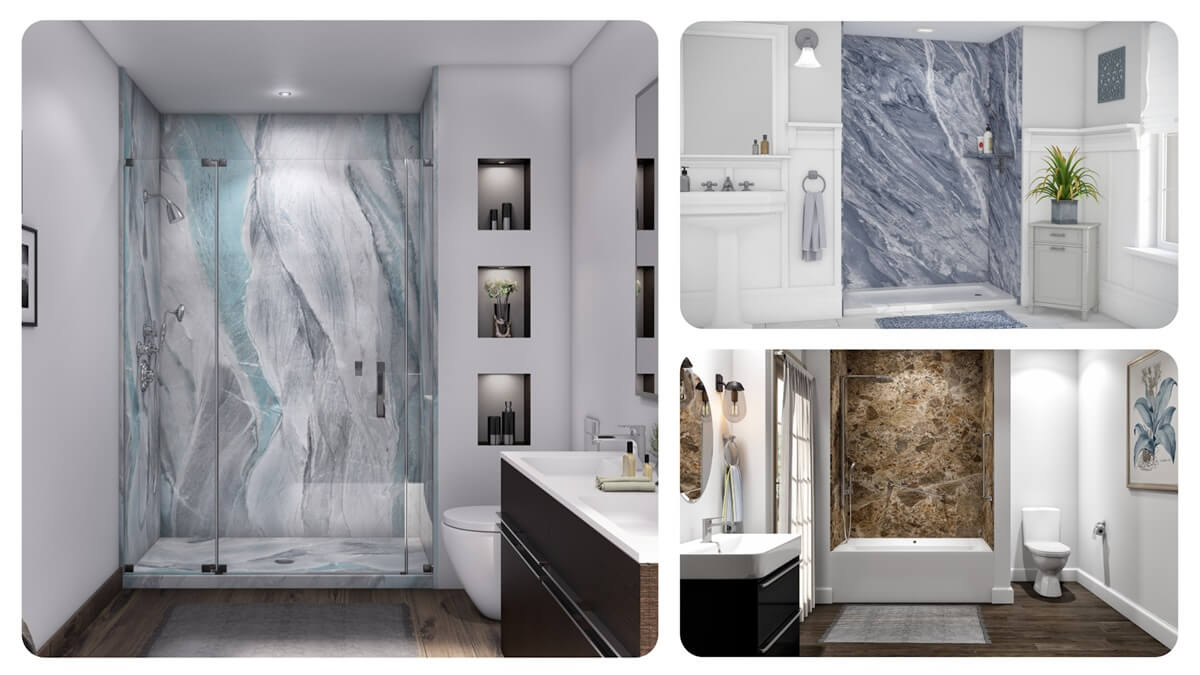
Joyce’s current SignatureStone bath and shower options are designed to provide the appearance of natural stone through a multi-layered polymer surface without traditional tile grout lines.
Should You Keep a Bathtub or Convert It to a Shower?
The answer depends on who uses the bathroom and how the household may use it in the future.
Related Article: Pricing for Bathroom Conversions
Keep or Replace the Bathtub When:
- Household members regularly take baths.
- Young children use the bathroom.
- The room is the home’s only bathroom with a tub.
- Soaking is an important part of the homeowner’s routine.
- The tub is easy and comfortable to enter.
- The homeowner prefers a traditional bath-and-shower combination.
Consider a Tub-to-Shower Conversion When:
- The bathtub is rarely used.
- Stepping over the tub wall is difficult.
- The bathroom needs a more open layout.
- Showering is the household’s main routine.
- Seating or grab bars would improve comfort.
- The homeowner wants a modern shower design.
There is no universal rule that every home must retain a bathtub. Consider the household’s needs, the number of bathrooms, future plans, accessibility, and potential buyer expectations.
Does Bathtub Replacement Require a Full Bathroom Remodel?
Not always.
A wet-area remodel focuses on the bathtub or shower area. It may include removal of the existing unit, a new tub or shower, wall surrounds, plumbing fixtures, shelving, and accessories without replacing every element in the room.
Joyce distinguishes wet-area upgrades from larger bathroom refreshes or full remodels. A wet-area project generally does not include flooring, a vanity, lighting, a toilet, or major plumbing relocation unless those items are specifically added to the project scope.
This can be a practical middle ground for homeowners who need a significant functional improvement but do not need to rebuild the entire bathroom.
Related Article: Walk-In Shower vs Walk-In Tub
How Much Does Bathtub Replacement Cost?
The final cost depends on:
- Bathtub or shower type
- Wall system
- Plumbing condition
- Fixtures and finishes
- Doors or curtain system
- Shelving
- Seating
- Grab bars
- Demolition and disposal
- Repairs found after removal
- Bathroom access
- Permit requirements
- Regional labor and installation conditions
- Whether the project includes only the wet area or more of the bathroom
Joyce’s current bath-pricing page lists bathtub replacement projects at approximately $9,000 to $12,000, including removal, new plumbing fixtures, accessories, and professional installation. This is a published planning range—not a guaranteed quote—and should be dated or linked rather than treated as permanent.
See current bath-remodel planning information:
Explore Bath and Shower Pricing
How Long Does Bathtub Replacement Take?
The schedule depends on the project scope, bathroom condition, material preparation, plumbing needs, repairs, and inspection requirements.
Some wet-area replacement projects may be completed more quickly than a full bathroom renovation, but homeowners should not assume every bathroom can be finished in one or two days.
Joyce explains that its installation process includes preparation, removal, inspection, and professional installation. A consultant can provide a project-specific timeline after evaluating the bathroom.
Related Article: Bath Transformation Time Line
Ask whether the estimated schedule includes:
- Material preparation
- Removal
- Plumbing work
- Repairs
- Installation
- Sealant curing
- Final cleanup
- Inspection
- The date when the tub or shower can first be used
What Should You Ask Before Choosing Reglazing or Replacement?
Ask:
- Is the existing tub structurally sound?
- Are there signs of leaking or water damage?
- Has the tub been refinished before?
- Does the plumbing need repair?
- Are the surrounding walls in good condition?
- Do we want to keep the same layout?
- Would a shower be easier to use?
- Are grab bars or seating needed?
- Which cleaning products are approved?
- What does the warranty cover?
- Who handles repairs or service?
- What is included in the written price?
- What could increase the project cost?
- When can the tub or shower be used?
- Will the work address only appearance, or also function?
A contractor should clearly explain what will remain, what will be removed, and which underlying conditions cannot be evaluated until work begins.
Why Choose Joyce for Bathtub or Shower Replacement?
Joyce Windows, Sunrooms & Baths currently offers:
- Bathtub replacement
- Shower replacement
- Tub-to-shower conversions
- Walk-in tubs
- Wet-area bath remodeling
- Broader bathroom refresh options
- SignatureStone by Joyce wall systems
- Custom fixtures and accessories
- Professional installation
- Design consultations and custom pricing
Joyce’s bath services are designed around how the homeowner uses the bathroom, whether the priority is style, easier maintenance, comfort, accessibility, or a different bathing layout.

Frequently Asked Questions About Bathtub Reglazing and Replacement
Is bathtub reglazing the same as bathtub replacement?
No. Reglazing applies a new coating to the existing tub. Replacement installs a new bathtub, shower, or wet-area system.
How long does bathtub reglazing last?
There is no single lifespan for every refinished tub. Results depend on preparation, coating materials, application, curing, use, cleaning, and the condition of the original tub.
Can a cracked bathtub be reglazed?
A small surface chip may be repairable, but major cracks, movement, leaking, rust, or structural damage may require replacement. The tub should be professionally evaluated before refinishing.
Can you reglaze a tub that has already been refinished?
Sometimes, but the previous coating may need to be removed or extensively prepared. Peeling or adhesion problems can make another refinishing job more complicated.
Is bathtub replacement better than reglazing?
Replacement is generally the better fit when the tub is damaged, leaking, difficult to enter, or part of a larger wet-area problem. Reglazing may be appropriate when the tub is sound and the concern is primarily cosmetic.
Is a tub-to-shower conversion safer?
A lower-entry shower may be easier for some people to enter than a traditional tub. Grab bars, seating, handheld showerheads, slip-resistant surfaces, lighting, and individual mobility needs should also be considered.
Do I need to replace the entire bathroom?
Not necessarily. A wet-area remodel can replace the tub or shower, walls, fixtures, and accessories without changing the flooring, vanity, toilet, or every other part of the bathroom.
How much does Joyce bathtub replacement cost?
Joyce currently publishes a general bathtub replacement range of about $9,000 to $12,000. The actual price depends on the bathroom, selected products, fixtures, accessories, repairs, and installation requirements.
Does Joyce offer walk-in tubs?
Yes. Joyce currently lists walk-in tubs among its bath-remodeling options for homeowners seeking a different bathing and access experience.
Choose the Solution That Addresses the Real Problem
Bathtub reglazing can refresh the appearance of a sound tub. It does not change the layout, replace worn plumbing, correct serious structural damage, or make a difficult-to-enter tub easier to use.
Replacement involves a larger investment, but it also creates an opportunity to update the full wet area, inspect hidden conditions, improve access, select easier-to-clean materials, and choose a design that better fits daily life.
Joyce Windows, Sunrooms & Baths can help you compare bathtub replacement, shower replacement, tub-to-shower conversion, and broader bath-remodeling options.
Topics:

_flipped.jpg?width=3246&height=2550&name=joyce_034-outside(c)_flipped.jpg)
