
Executive Summary
A sunroom should feel connected to the outdoors without becoming uncomfortable, cluttered, or difficult to maintain.
Three versatile decorating styles are:
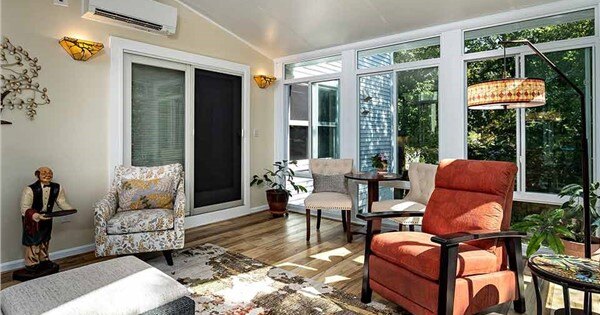
- Floral garden style, which uses botanical patterns, soft colors, and comfortable traditional details.
- Tropical style, which combines lively colors with woven textures, greenery, and natural materials.
- Two-color style, which creates a calmer, more coordinated room using one neutral and one main accent color.
Whichever style you choose, use furniture and finishes that suit the room’s sunlight, temperature, moisture, and daily use. Start with the room’s purpose and largest furnishings, then layer in rugs, window treatments, lighting, plants, pillows, and artwork.
Planning a new sunroom? Book a Design Consultation or View the Sunroom Gallery for inspiration.
How Should You Decorate a Sunroom?
Start by deciding how the room will be used.
A sunroom designed for morning coffee will need different furniture than one used for family meals, entertaining, working from home, or caring for plants.
Before choosing a color palette, ask:
- Will this be a living room, dining area, office, playroom, or plant room?
- Is it a three-season or four-season sunroom?
- How much direct sunlight reaches the room?
- Which outdoor view should remain open?
- How many people should the room seat?
- Will people enter directly from a patio, deck, or yard?
- Do the furnishings need to tolerate moisture, pollen, or muddy shoes?
- Where will outlets, lighting, heating, and cooling equipment be located?
Joyce offers both three-season rooms intended mainly for spring through fall and more insulated four-season rooms designed for broader year-round use. Room type and expected conditions should influence furniture, rugs, flooring, and fabrics.
Related Article: Summer Sunroom Decorating Ideas

Sunroom Decorating Style Comparison
| Style | Main colors | Best materials | Overall feeling |
|---|---|---|---|
| Floral garden | Soft greens, blues, pinks, cream | Cotton, linen, painted wood, wicker | Cheerful and welcoming |
| Tropical | Green, coral, turquoise, yellow, warm neutrals | Rattan, cane, bamboo-inspired finishes, woven rugs | Lively and relaxed |
| Two-color | One neutral plus one accent | Upholstery, wood, metal, coordinated textiles | Calm and polished |
These styles can be adapted to traditional, transitional, farmhouse, coastal, or contemporary homes. The goal is not to copy a showroom exactly. It is to create a room that fits your home and the way you live.
Style 1: Floral Garden Sunroom
A floral sunroom brings garden-inspired color and pattern indoors.
This style works especially well when the room overlooks landscaping, trees, or a backyard garden. Floral fabrics and botanical artwork can keep the space feeling cheerful even when outdoor plants are dormant.
How Do You Use Floral Patterns Without Overwhelming the Room?
Choose one main floral pattern as the focal point.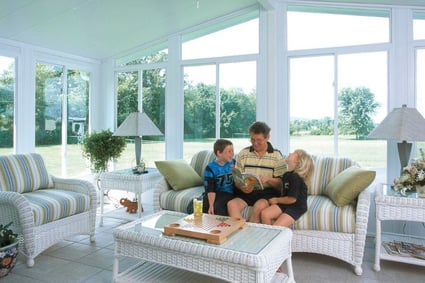
It might appear on:
- Two accent chairs
- A window-seat cushion
- An area rug
- Curtains
- A set of throw pillows
- One wallpapered accent wall
Then support it with quieter patterns and solid colors.
For example:
- Large floral chair fabric
- Small checked pillows
- Solid cream sofa
- Muted green rug
- Natural wood tables
Combining different pattern sizes can create variety while keeping the room balanced. The original article recommends using florals in varying scales while staying within a related color family.
Choose a Simple Floral Color Palette
Pull two or three colors from the main floral pattern.
A garden-inspired palette might include:
- Cream
- Sage green
- Dusty blue
- Soft rose
- Warm wood
Use the lightest color across the largest surfaces. Save the stronger colors for pillows, lamps, artwork, and small accessories.
Add Natural Textures
Keep floral décor from feeling overly formal by introducing relaxed natural materials.
Good options include:
- Wicker or cane chairs
- Wood side tables
- Woven baskets
- Linen-look curtains
- Jute-style rugs approved for the room
- Ceramic planters
Natural textures help connect the furnishings to the outdoor view.
Use Plants Selectively
Plants reinforce a garden theme, but too many can block windows and make the room difficult to maintain.
Try:
- One tall floor plant in a corner
- Several smaller pots grouped on a stand
- Herbs near a bright kitchen-facing window
- A hanging plant where it will not interfere with doors or blinds
Choose plants based on the actual sunlight and temperature conditions in the room.
Floral Sunroom Formula
For an easy starting point, combine:
- One cream or light-neutral sofa
- Two floral accent chairs
- A muted green or blue rug
- Natural wood tables
- Three to five solid-color pillows
- Botanical artwork
- A small collection of plants
Best for: Cottage, traditional, farmhouse-inspired, and garden-facing sunrooms.
Style 2: Tropical Sunroom
A tropical sunroom uses stronger color, greenery, and woven materials to create an informal vacation-like setting.
The original article recommends pairing lively fabrics with natural elements such as rattan, woven mats, and warm wood.
Build the Palette Around Green
Green creates an immediate connection to plants and outdoor views.
Combine it with one or two accent colors, such as:
- Coral
- Turquoise
- Golden yellow
- Deep blue
- Terracotta
- Warm white
Avoid using every tropical color at once. One dominant color, one secondary color, and one smaller accent will usually feel more coordinated.
Ground Bright Patterns With Natural Materials
Bold patterns can become visually busy when they appear on every surface.
Balance them with:
- Rattan or cane chairs
- Natural or medium-toned wood
- Neutral woven rugs
- Solid upholstery
- Simple white or beige curtains
- Large-leaf plants
- Matte ceramic planters
Natural materials give the eye a quieter place to rest.
Choose One Tropical Focal Point
A tropical design does not require palm-leaf prints on every pillow and wall.
Choose one main feature, such as:
- A large botanical rug
- Two patterned chairs
- Tropical artwork
- A statement daybed
- A group of oversized plants
- A bright painted cabinet
Keep the remaining elements simpler.
Protect Furnishings From Direct Sunlight
A sunroom may expose fabrics, rugs, artwork, and wood finishes to more sunlight than another room.
To reduce uneven fading:
- Select fade-resistant or outdoor-rated fabrics when appropriate
- Rotate cushions and rugs
- Use shades during periods of intense sunlight
- Avoid placing sensitive artwork directly against strong sun
- Follow furniture and textile care instructions
- Consider lighter colors where heat and fading are concerns
No fabric or finish is completely immune to prolonged sunlight.
Tropical Sunroom Formula
Try combining:
- A neutral sofa
- Two cane or rattan-inspired chairs
- Green and coral pillows
- A patterned indoor-outdoor rug
- One large plant
- A wood or woven coffee table
- White or light-filtering window treatments
Best for: Relaxed entertaining spaces, pool-adjacent rooms, coastal-inspired homes, and plant-filled sunrooms.
Style 3: Two-Color Sunroom
A two-color design is one of the simplest ways to make a sunroom feel polished.
Choose one neutral color and one main accent color. Repeat both throughout the room in different proportions and textures.
The original article uses espresso and cream as an example, but the same approach works with many combinations.
Two-Color Combinations to Try
Cream and Espresso
Warm, grounded, and traditional.
Use cream on upholstery and curtains, then add espresso-toned furniture, frames, and lighting.
White and Navy
Clean and classic.
Use white as the main color with navy pillows, rugs, pottery, or chair fabric.
Beige and Sage Green
Soft and nature-inspired.
This combination works well with wood furniture, woven baskets, and garden views.
Light Gray and Deep Blue
Cool and contemporary.
Add black or brushed-metal accents for a sharper appearance.
Tan and Terracotta
Warm and relaxed.
Pair with natural wood, pottery, and textured fabrics.
Use an Uneven Color Balance
A successful two-color room does not need to use each color equally.
A simple approach is:
- About 60% neutral
- About 30% accent color
- About 10% wood, metal, or a small third color
This keeps the main accent from becoming overpowering.
.jpg?width=961&height=640&name=Gable%202600SL%20in%20White%20(3%20of%204).jpg)
Add Interest Through Texture
When the palette is limited, texture becomes more important.
Mix materials such as:
- Smooth upholstery
- Chunky woven pillows
- Wood grain
- Metal fixtures
- Woven baskets
- Ceramic pottery
- Textured rugs
- Linen-look curtains
The room can feel layered without adding many competing colors.
Add a Small Third Accent
A small amount of a third color can keep the design from feeling too controlled.
For example:
- Cream and espresso with dusty pink
- White and navy with yellow
- Beige and sage with muted blue
- Gray and deep blue with rust
Use the third color in only a few small items.
Two-Color Sunroom Formula
Combine:
- A neutral sofa
- Two accent-color chairs or pillows
- A rug containing both colors
- Wood or metal tables
- Matching planters
- One small third-color accent
- Simple artwork
Best for: Homeowners who prefer a coordinated, uncluttered room or want the outdoor view to remain the main attraction.
How Do You Choose the Right Furniture for a Sunroom?
Sunroom furniture should suit both the decorating style and the room’s conditions.
Measure Before Buying
Allow enough space for:
- Door swings
- Sliding-door access
- Window operation
- Walkways
- Floor vents
- Heating or cooling equipment
- Curtains and blinds
- Cleaning the windows
- Moving between the house and yard
Mark furniture dimensions on the floor with painter’s tape before ordering large pieces.
Use Lower Furniture Near Important Views
Low-back sofas, benches, and chairs can preserve sightlines through the windows.
Place taller items such as bookcases or storage cabinets against solid wall sections when possible.
Choose Materials for the Room Type
A climate-controlled four-season sunroom may support furniture similar to the rest of the home.
A three-season room may benefit from more durable furnishings, such as:
- Outdoor-rated cushions
- Washable slipcovers
- Moisture-tolerant rugs
- Powder-coated metal
- Durable woven furniture
- Easy-to-clean tables
Joyce describes four-season rooms as more insulated and flexible for everyday living, while three-season rooms emphasize seasonal use and a stronger connection to the outdoors.
What Window Treatments Work Best in a Sunroom?
Window treatments can help manage privacy, glare, and direct sunlight.
Useful options may include:
- Light-filtering roller shades
- Cellular shades
- Woven shades
- Curtains on selected walls
- Individual shades for separate window panels
- Room-darkening treatments near a television or computer
Avoid covering every window with heavy fabric unless privacy or glare requires it. One of the main benefits of a sunroom is the light and outdoor view.
Before ordering treatments, confirm:
- Window dimensions
- How each window opens
- Screen placement
- Handle and lock clearance
- Whether the treatment can tolerate the room’s conditions
- Whether cords create a concern for children or pets
What Type of Rug Should You Use?
A rug can define a seating or dining area, add softness, and introduce color.
Choose a rug based on:
- Room type
- Direct sunlight
- Foot traffic
- Moisture
- Pets
- Cleaning needs
- Furniture arrangement
For a seasonal or high-traffic room, an indoor-outdoor rug may be more practical than a delicate natural-fiber or wool rug.
Leave enough exposed flooring around the rug so the room does not feel crowded.
How Should You Light a Sunroom at Night?
Natural light may dominate during the day, but the space still needs useful evening lighting.
Combine several light sources:
General Lighting
Use a central fixture, recessed lights, or a ceiling fan with a light.
Task Lighting
Add floor or table lamps near reading chairs, desks, craft tables, or game areas.
Accent Lighting
Use sconces, cabinet lighting, or small decorative lamps to create a softer atmosphere.
Exterior Lighting
Plan lighting near steps and exterior doors for safer nighttime access.
Electrical features should be discussed during sunroom design so outlets, switches, fixtures, fans, and heating or cooling equipment can be coordinated before construction.
How Do You Keep a Sunroom From Looking Cluttered?
A sunroom often has less solid wall space than a traditional room, which can make storage more difficult.
Use:
- Storage benches
- Low cabinets
- Lidded baskets
- Console tables
- Small side tables with drawers
- Built-in storage beneath windows where appropriate
- One organized plant stand instead of pots across every surface
Choose a few larger decorative pieces rather than filling the room with many small objects.
Decorating Mistakes to Avoid
Blocking the Best View
Arrange the largest furniture so it frames the view rather than creating a barrier across the windows.
Ignoring Sunlight
Direct sunlight can create glare, heat, and uneven fading. Plan fabrics, rugs, window treatments, and furniture placement accordingly.
Buying Furniture Before Measuring
Large furniture can interfere with doorways, windows, and traffic flow.
Treating a Three-Season Room Like a Climate-Controlled Living Room
Some furniture, electronics, artwork, and flooring materials may not tolerate large changes in temperature or humidity.
Using Too Many Themes
Florals, tropical prints, coastal signs, farmhouse décor, and modern furniture may compete when all are used at once.
Choose one main direction and repeat a small set of colors and materials.
Filling Every Window With Plants
Plants can enhance a sunroom, but they should not block ventilation, doors, window controls, or major views.
Why Design and Decorating Should Be Planned Together
Decorating becomes easier when the room itself is designed around its intended use.
During planning, consider:
- Room dimensions
- Three-season or four-season construction
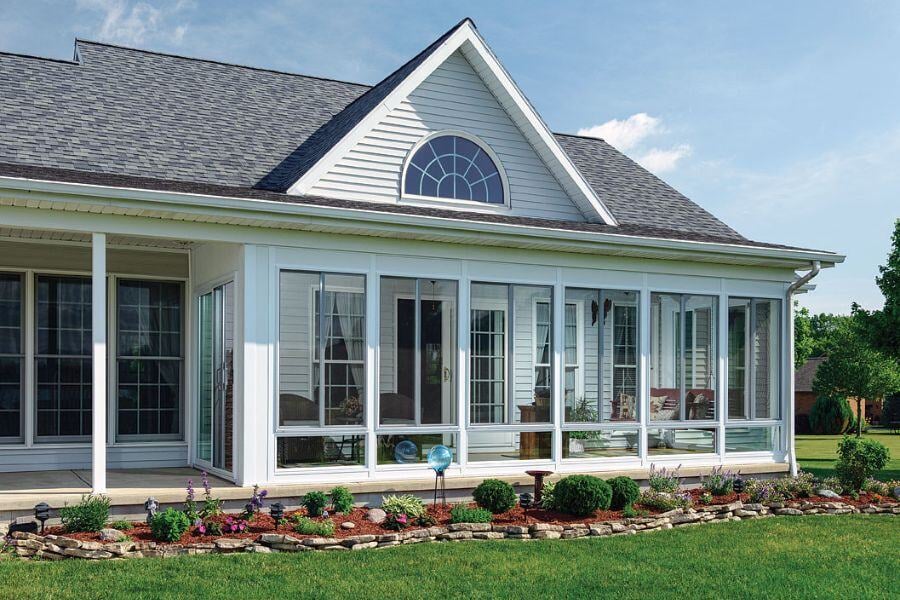
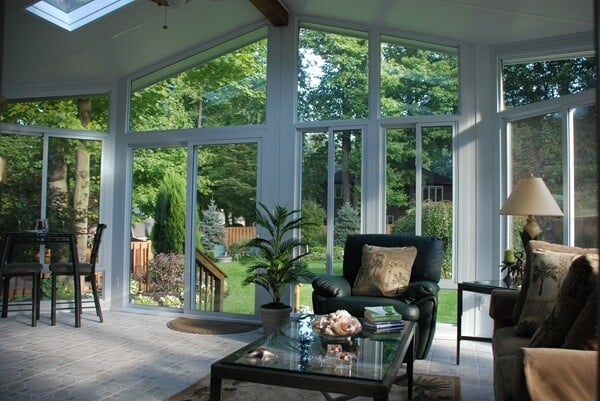
- Studio or gable roof
- Window placement
- Door location
- Solid wall sections
- Electrical outlets
- Lighting
- Ceiling fans
- Heating and cooling equipment
- Flooring
- Furniture arrangement
- Storage
- Window treatments
Joyce offers custom room sizing, multiple sunroom and enclosure types, factory-direct manufacturing, and professional installation. Joyce sunrooms are designed to fit the home’s architecture, property, climate, and intended use.
Create a Sunroom That Feels Like Your Own
A floral room can feel cheerful and garden-inspired. A tropical room can feel relaxed and lively. A two-color room can feel calm and polished.
The best style is the one that fits your home, daily routine, and view.
Start with:
- The room’s purpose
- One clear color palette
- Furniture that fits
- Durable materials
- Unblocked views
- Appropriate window treatments
- Layered lighting
- A small number of meaningful accessories
Joyce Windows, Sunrooms & Baths can help design a custom three-season or four-season sunroom around your home, climate, comfort goals, and preferred layout.

Frequently Asked Questions About Sunroom Decorating
What colors work best in a sunroom?
Light neutrals, greens, blues, warm earth tones, and colors drawn from the outdoor view often work well. The best palette depends on the room’s light, furniture, flooring, and the style of the home.
How do I make a sunroom feel cozy?
Use an area rug, comfortable seating, pillows, layered lighting, window treatments, natural textures, and a coordinated color palette. Avoid adding so much furniture that the room loses its open feeling.
Can I use indoor furniture in a sunroom?
Indoor furniture may work in a climate-controlled four-season room. For a seasonal room, choose materials that can tolerate the expected heat, cold, humidity, sunlight, and moisture.
How do I decorate a small sunroom?
Use smaller-scale furniture, preserve clear walking paths, choose low-profile seating, use light colors, and limit the number of accessories. Furniture with built-in storage can also help.
How do I decorate a sunroom with plants?
Group plants at different heights rather than spreading them across every window. Select plants for the room’s actual light and temperature, and use trays to protect the flooring from water.
What type of curtains are best for a sunroom?
Light-filtering curtains or shades can reduce glare while preserving daylight. Individual shades provide more control when different sides of the room receive different amounts of sun.
Should a sunroom match the rest of the house?
It should feel connected through repeated colors, wood tones, hardware, trim, or furniture styles. It does not need to copy every nearby room exactly.
What is the best rug for a sunroom?
The best rug depends on moisture, sunlight, foot traffic, pets, and room type. Indoor-outdoor rugs are often practical for seasonal or high-traffic sunrooms.
How can I keep sunroom furniture from fading?
Choose fade-resistant materials, use shades during intense sunlight, rotate cushions and rugs, and follow the manufacturer’s care instructions. No material is completely fade-proof.
When should I start planning sunroom décor?
Begin during the room-design stage. Furniture dimensions and placement can affect window layouts, doors, outlets, lighting, heating and cooling equipment, and storage.