
Quick Overview
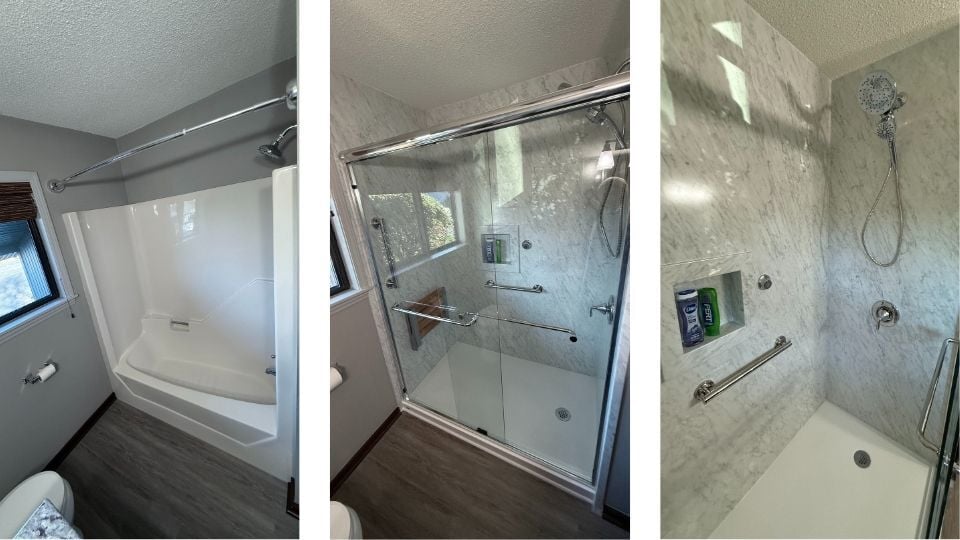
Replacing a bathtub with a walk-in shower can make a bathroom easier to use, easier to clean, and better suited to your daily routine. For many homeowners, a tub-to-shower conversion is about comfort, safety, accessibility, and getting more practical value from the space they already have. The right choice depends on your layout, who uses the bathroom, storage needs, shower features, and whether keeping at least one tub elsewhere in the home still makes sense.
Why Homeowners Replace a Bathtub with a Walk-In Shower
A bathtub is not always the best use of bathroom space. In many homes, the tub goes mostly unused while the shower gets used every day.
That is why tub-to-shower conversions are so popular. A walk-in shower can make the room feel more open, make daily bathing easier, and reduce the hassle of stepping over a high tub wall. For some homeowners, the goal is accessibility. For others, it is a cleaner look, easier maintenance, or a more modern bathroom overall.
When Does a Tub-to-Shower Conversion Make Sense?
A walk-in shower is often a smart choice when:
- you rarely use the bathtub
- stepping over the tub wall feels less comfortable than it used to
- you want easier access for aging in place
- the bathroom feels dated or harder to clean
- you want a more open look in the room
- the tub area takes up space without adding much value to your routine
For many households, the best reason is simple: you want the bathroom to work better every day.
Should You Keep at Least One Bathtub in the House?
This is one of the biggest questions homeowners ask, and it is worth thinking through before you remove a tub.
Keeping at least one bathtub somewhere in the home may still make sense if:
- you have young children
- you expect future buyers to want a tub
- you personally use a bathtub for soaking or comfort
- the home only has one full bathroom
But if the tub you are replacing is in a secondary bath, primary bath, or a room where a shower would be much more useful, a conversion can still be the right move.

What Are the Biggest Benefits of a Walk-In Shower?
Easier entry and safer daily use
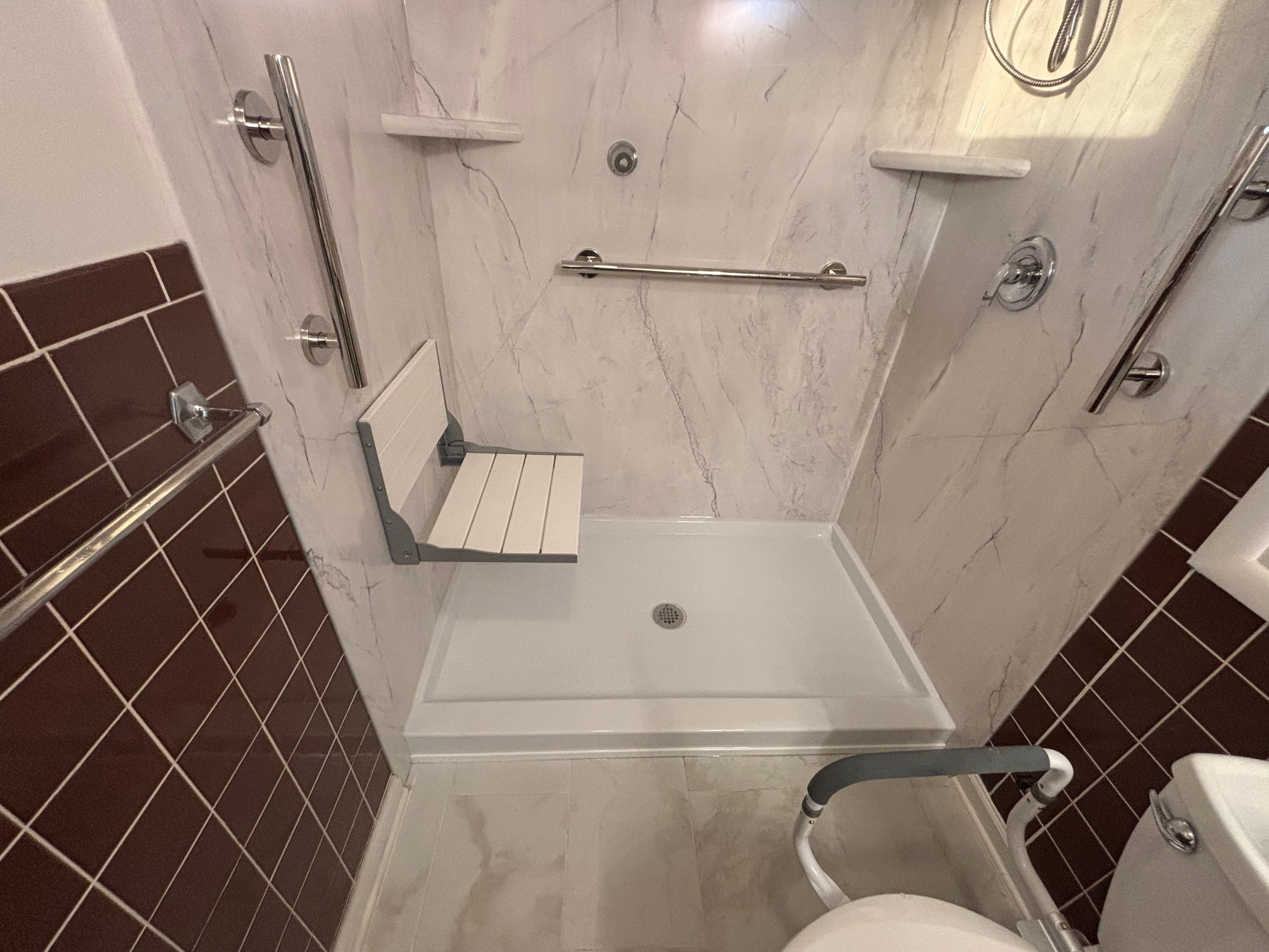
A walk-in shower removes the high step over a tub wall, which can make bathing feel easier and safer for many homeowners. Features like grab bars, slip-resistant surfaces, built-in seating, and handheld shower wands can also improve comfort and confidence.
A more open, updated look
Many bathrooms instantly feel less cramped after a tub-to-shower conversion. The room can look cleaner, more current, and more tailored to how people actually use the space today.
Easier maintenance
A well-designed walk-in shower with low-maintenance wall systems and fewer hard-to-reach surfaces can make cleaning simpler and reduce everyday frustration.
Better fit for changing household needs
A walk-in shower can be a practical upgrade for homeowners planning ahead for mobility changes, caring for a family member, or simply making the home easier to live in long term.
Related Article: Benefits of Walk-In Shower
What Should You Consider Before Replacing a Tub?
Layout and available space
Not every tub opening should be handled the same way. Measurements, plumbing access, door swing, nearby fixtures, and local code requirements can all affect what will work best in the room.
Shower entry and threshold height
Think about who will use the shower now and in the future. A low-threshold or barrier-free option may be worth considering if accessibility is part of the goal.
Storage and everyday function
A new shower should not just look better. It should also work better. Built-in shelving, recessed niches, seating, and handheld shower options can all make a big difference in daily use.
Materials and cleaning
Wall materials, glass choices, hardware finishes, and shower base design all affect both appearance and upkeep. Low-maintenance surfaces are often worth prioritizing in a bathroom that gets daily use.
Budget and project scope
Costs vary based on layout, materials, and design choices. Before moving forward, it helps to compare your must-haves, nice-to-haves, and the level of customization you really need.
Related Article: Bathroom Decorating Ideas
What Features Can You Add to a Walk-In Shower?
A tub-to-shower conversion can be simple, but it can also be personalized around comfort and convenience.
Common features include:
- low-threshold or barrier-free entry
- grab bars
- built-in seating
- handheld shower wands
- shelves and recessed niches
- multiple shower heads
- glass door options
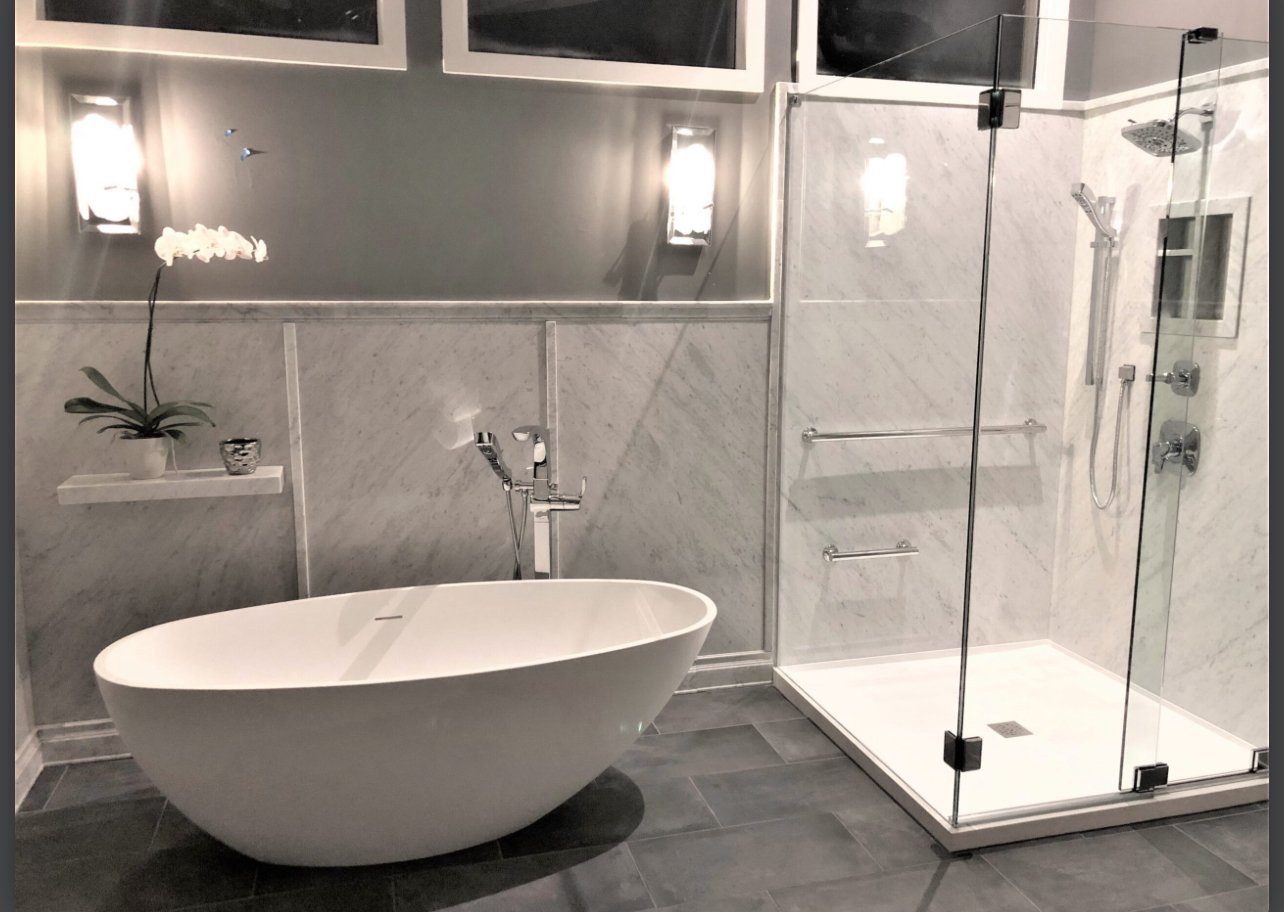
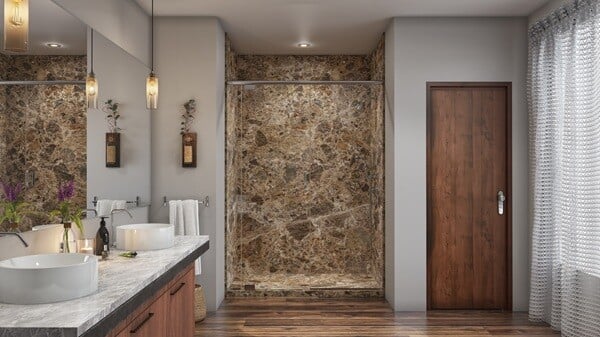
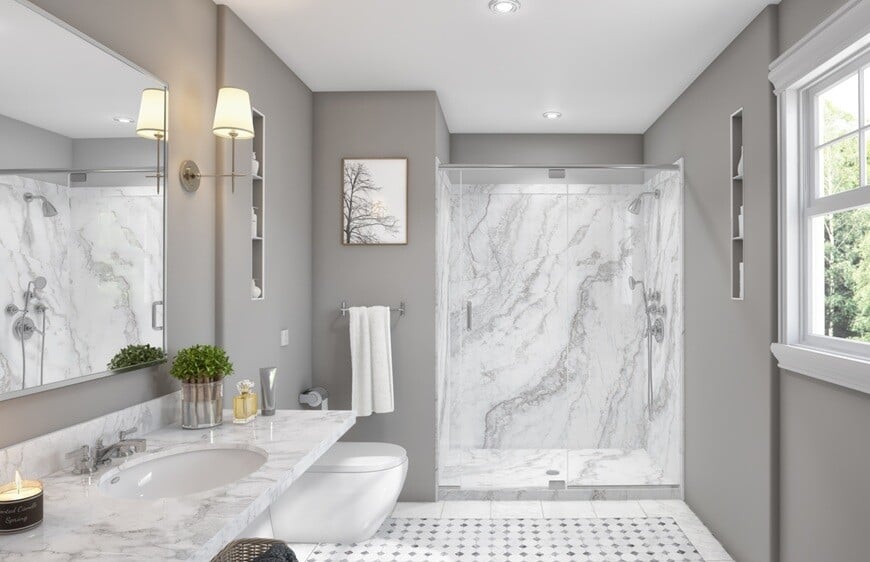
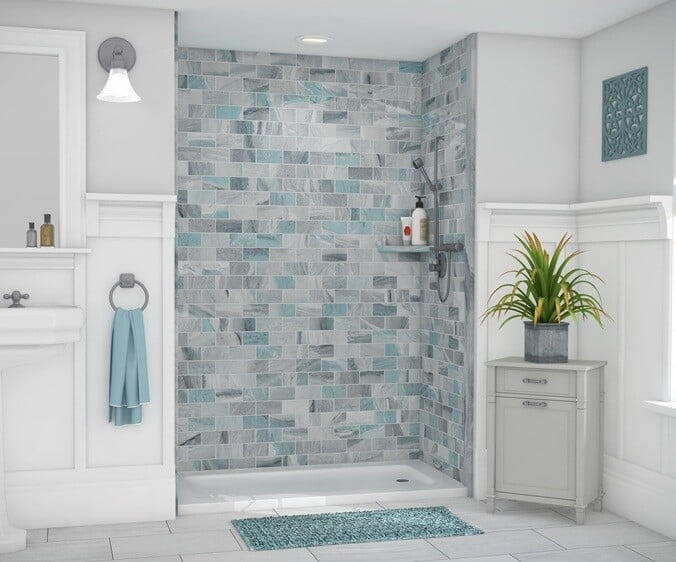
- wall colors and patterns that fit the rest of the bathroom
The best combination depends on how you use the space and what problems you are trying to solve.
What Does the Tub-to-Shower Conversion Process Usually Involve?
Homeowners do not need to know every installation detail, but it helps to understand the broad process.
A typical tub-to-shower conversion starts with measuring the space and evaluating the existing layout. From there, the old tub is removed, plumbing may be adjusted, the new shower base is installed, and the wall system, accessories, and finishing details are added.
The most important part is not the sequence itself. It is making sure the final shower fits the room well and matches how the bathroom is actually used.
How Do You Know if a Walk-In Shower Is Right for You?
A walk-in shower may be a strong fit if you want:
- easier everyday access
- less cleaning and maintenance
- a more modern look
- a bathroom that feels more open
- safety-focused features
- a better match for how your household uses the space
It may be worth slowing down if removing the tub would leave your home without any bathtub at all and that matters for your family or future plans.

Helpful Outside Resources
For homeowners thinking about accessibility and safer bathing, these outside resources may help:
- National Institute on Aging guidance on bathroom safety
- CDC information on older adult fall prevention
Frequently Asked Questions
Is replacing a bathtub with a walk-in shower a good idea?
It can be a very good idea if you mostly shower, want easier access, or want the bathroom to feel more open and easier to maintain.
Will a tub-to-shower conversion help with accessibility?
Often, yes. A walk-in shower with a lower threshold, grab bars, slip-resistant surfaces, and optional seating can make daily bathing easier and safer.
Should I remove the only bathtub in my house?
That depends on your household needs and long-term plans. Many homeowners prefer to keep at least one tub somewhere in the home, especially if children or future resale concerns are part of the decision.
Are walk-in showers easier to clean than bathtubs?
They often are, especially when built with low-maintenance wall systems and fewer hard-to-reach areas.
How do I start planning a tub-to-shower conversion?
Start with your goals: easier access, easier cleaning, a more modern look, or better use of the space. Then compare layout options, features, pricing, and installation guidance before making a final decision.
Final Thoughts
A tub-to-shower conversion can do much more than update the look of a bathroom. It can make the room easier to enter, easier to clean, and more useful for the way your household lives now.
The best conversion is not just the one that looks good in photos. It is the one that solves a real everyday problem. If your bathtub is mostly taking up space, this may be the right time to explore a walk-in shower that fits your home better.