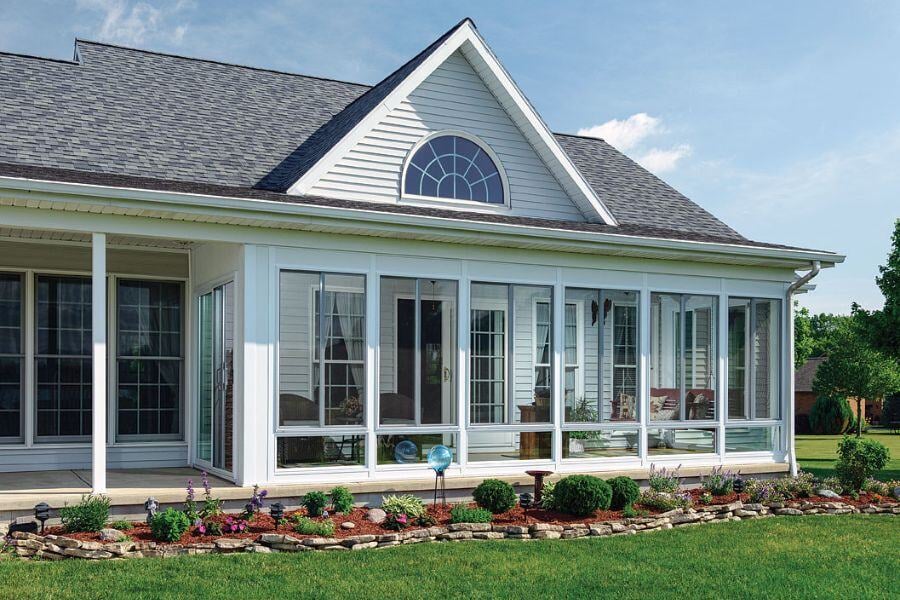

An open patio or deck can be a wonderful place to relax—until rain, insects, wind, pollen, or uncomfortable temperatures send everyone back inside.
A patio enclosure can transform an existing outdoor area into a more protected and useful part of your home. Depending on the design, it may become a breezy screen room, a comfortable three-season retreat, or a more insulated room intended for use throughout the year.
Here are three of the strongest reasons homeowners consider enclosing a patio or deck.

Is a Patio Enclosure Worth It?
A patio enclosure may be a good investment in your everyday comfort when you want:
- More usable living space
- Better protection from rain, wind, insects, and debris
- A room designed for relaxing, dining, hobbies, or entertaining
- More enjoyment from an existing patio or deck
- A custom space that feels connected to your home
Before moving forward, determine how many seasons you want to use the room, whether the existing patio or deck can support the enclosure, and which glass, screen, roof, insulation, and finish options fit your goals.
Joyce Windows, Sunrooms & Baths designs, manufactures, and installs custom patio enclosures, screen rooms, and three- and four-season sunrooms. A design consultation can help you compare the right room types for your home.
Ready to explore the possibilities?
Book a Design Consultation
What Is a Patio Enclosure?
A patio enclosure adds walls, screens, windows, or a combination of these features around an existing patio, porch, or deck.
The term can describe several types of projects:
| Enclosure type | Best suited for | Typical protection |
|---|---|---|
| Screen room | Fresh air and seasonal outdoor living | Insects and some debris |
| Three-season room | Spring, summer, and fall use | Bugs, rain, wind, and changing weather |
| Four-season or year-round room | More consistent use throughout the year | Weather, insects, and wider temperature changes |
| Patio or deck enclosure | Converting an existing covered structure | Depends on the selected wall, glass, and insulation system |
A screen room is generally simpler and more open to outdoor air. A year-round room requires more insulation and comfort-focused construction. The right choice depends on your climate, budget, existing structure, and how you plan to use the room.
Related Article: Joyce Patio Covers
Reason 1: A Patio Enclosure Gives You More Usable Space
One of the clearest benefits of a patio enclosure is the opportunity to create another place for daily life without starting with an entirely new indoor room.
Your enclosure might become:.jpg?width=500&height=368&name=Lipner%20Sunroom%20(2%20of%205).jpg)
- A quiet reading room
- A casual dining area
- A space for morning coffee
- A home office
- A hobby or craft room
- A play area
- A place for plants
- An entertaining space
- A comfortable spot to watch the seasons change
The best design begins with the room’s purpose.
For example, a homeowner who mainly wants a bug-free place for summer meals may be satisfied with a screen room. Someone who wants a daily office or family room during colder weather may need a more insulated year-round design.
Questions to Ask Before Choosing the Room Size
Consider:
- How many people will normally use the room?
- What furniture needs to fit?
- Will you need space for dining, lounging, or both?
- Do you want electrical outlets, lighting, or a ceiling fan?
- How will people enter the room from the house?
- Will the new space affect traffic through the kitchen or living room?
- Do you want wide outdoor views or more wall space?
A design that begins with these practical needs is more likely to feel useful after the novelty wears off.
Reason 2: You Can Enjoy the Outdoors With More Protection
An open patio can be difficult to enjoy when mosquitoes arrive, pollen collects on the furniture, or an unexpected shower interrupts dinner.
A well-designed enclosure creates a stronger connection to the outdoors while adding protection from common frustrations.
Depending on the type of room, an enclosure may help reduce exposure to:
- Mosquitoes, gnats, and other insects
- Rain
- Wind
- Falling leaves
- Pollen and debris
- Strong direct sunlight
- Uncomfortable seasonal weather
A screen room keeps air flowing while placing a barrier between you and insects. A glass-enclosed room offers more protection from wind and rain. A more insulated four-season room is intended for homeowners who want greater comfort through changing temperatures.
-resized-600.jpg?width=600&height=494&name=joyce_%23008-outside(b)-resized-600.jpg)
A Patio Enclosure Does Not Make Every Weather Concern Disappear
Comfort depends on the room type and selected features.
A screen room will still feel like an outdoor space. A three-season room may not maintain the same temperature as the main home during the coldest or hottest periods. A year-round room generally requires more insulation, higher-performing glass, and appropriate heating and cooling planning.
Ask your designer to explain:
- When the room is intended to be used
- What glass package is included
- How the roof is insulated
- Whether heating or cooling is recommended
- How the room will handle direct sun
- Which walls or windows can open for ventilation
Joyce offers custom screen rooms, three-season rooms, four-season rooms, and patio or deck enclosures with options that vary by the desired comfort level and intended use.
Reason 3: You Get More Use From Space You Already Have
Many homes already have a patio or deck that receives less use than the homeowner expected.
Enclosing that area can help turn an underused outdoor surface into a defined room with a clear purpose. Instead of waiting for a day with perfect weather, the household may be able to use the space more often.
This everyday enjoyment is often the most meaningful form of value.
A patio enclosure may also make the home more appealing to a future buyer, but resale value is never guaranteed. The result depends on factors such as:
- The quality of the design and installation
- How well the enclosure matches the home
- The room type and materials
- The local housing market
- The condition of the existing structure
- Whether the space is permitted
- How buyers in the area view the addition
Homeowners should make the decision primarily around how the room will improve their own use of the home rather than relying on a promised return on investment.
Is a Patio Enclosure Right for Your Home?
A patio or deck enclosure may be a strong fit when:
- You enjoy being outdoors but want protection from insects and weather.
- Your patio or deck is currently underused.
- You need an additional place to relax, dine, work, or entertain.
- You want a room customized to your home’s layout.
- You plan to remain in the home long enough to enjoy the project.
- You understand the difference between seasonal and year-round construction.
It may not be the best project when:
- You strongly prefer a completely open patio.
- You rarely spend time outdoors.
- You plan to move soon and are focused only on short-term resale.
- Your existing deck or patio requires extensive structural work that does not fit your budget.
- You expect a basic screen room to function like a fully conditioned indoor addition.
Joyce encourages homeowners to compare both the advantages and limitations before deciding whether an enclosure fits their home and lifestyle.
Can an Existing Patio or Deck Be Enclosed?
Possibly.
An existing patio, porch, or deck can sometimes serve as the starting point for an enclosure. However, the structure must be evaluated before a final design or price can be provided.
Important considerations include:
- The condition of the patio or deck
- Structural support
- Levelness
- Drainage
- How the room will attach to the home
- Roof condition or roof requirements
- Snow and weather loads
- Access for installation
- Local permits and building requirements
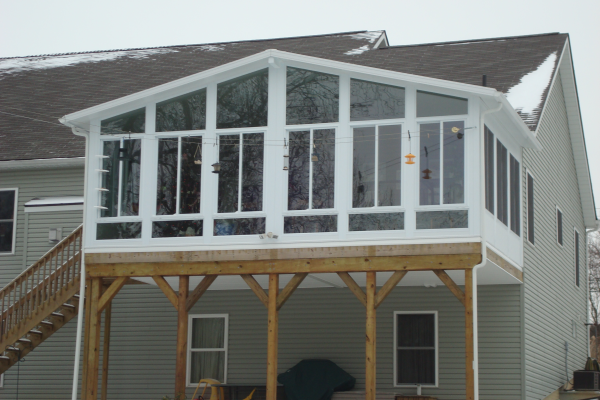
Some decks were designed only to support normal outdoor use, not the added weight of walls, windows, a roof, and seasonal snow or ice. Structural upgrades or a different foundation may be necessary.
A Joyce representative can inspect the existing area and help determine whether it can be used, modified, or replaced as part of the project.
Which Patio Enclosure Type Should You Choose?
Choose a Screen Room When:
- Fresh airflow is a priority.
- Insect protection is your main goal.
- You expect to use the space primarily in pleasant weather.
- You want a simpler alternative to a glass sunroom.
Choose a Three-Season Room When:
- You want more protection from rain and wind.
- You expect to use the room primarily in spring, summer, and fall.
- You want windows that can open for ventilation.
- You do not need the room to perform like the main living area all winter.
Choose a Four-Season Room When:
- You want to use the room more consistently throughout the year.
- Insulation and temperature control are important.
- The room may function as an office, dining area, hobby room, or everyday living space.
- Your budget supports more comfort-focused construction.
Choose a Patio Cover When:
- You want shade and overhead rain protection.
- You prefer to keep the sides open.
- Your primary goal is a more comfortable outdoor area rather than a complete enclosure.
A patio cover and a patio enclosure are not the same project. A cover provides a roof, while an enclosure typically includes walls, screens, or windows.
Related Article: Joyce Sunrooms
What Does a Patio Enclosure Cost?
Patio-enclosure pricing varies because each project is designed around a specific home and structure.
The cost can change based on:
- Room type
- Overall size
- Existing patio or deck condition
- Foundation or structural work
- Roof style
- Glass package
- Screens and windows
- Insulation
- Doors
- Electrical needs
- Flooring and finishes
- Site access
- Permit requirements
- Installation complexity
A simple screen room or patio enclosure generally requires a different investment than a fully insulated year-round sunroom.Joyce’s sunroom cost guide explains that accurate pricing requires an in-home design consultation because two rooms that look similar may have very different structural and installation needs.
Related Article: Why is a Sunroom So Expensive?
Want a clearer idea of your options?
Explore Sunroom Pricing
What Makes Joyce Patio Enclosures Different?
Joyce Windows, Sunrooms & Baths uses a factory-direct process for its custom sunrooms and enclosures.
Joyce designs, manufactures, and installs its own sunroom systems, allowing one team to guide the project from the initial consultation through fabrication and installation. Joyce patio and deck enclosures are custom-designed to work with the home and existing outdoor area.
Depending on the selected room, available features may include:
- Custom vinyl sunroom wall systems
- Screen or glass configurations
- Three-season and year-round designs
- Studio or gable roof styles
- Energy-efficient glass packages
- Windows and doors
- Low-maintenance materials
- Professional installation
Exact product options depend on the design, location, existing structure, and project agreement.
Related Article: Enclose Your Patio

Frequently Asked Questions About Patio Enclosures
What is the difference between a patio enclosure and a sunroom?
“Patio enclosure” is a broad term for adding walls, screens, or windows around an existing patio or deck. A sunroom is generally a more defined enclosed room with substantial windows. The terms sometimes overlap, so compare the actual construction and intended seasonal use.
Can Joyce enclose a patio that already has a roof?
In many cases, Joyce’s sunroom wall systems can be used in different patio and deck applications. The existing roof and supporting structure must be inspected to determine whether they are suitable for the proposed enclosure.
Can a sunroom be built on an existing deck?
Possibly. The deck must be evaluated for its condition, support, levelness, attachment, and ability to carry the additional structure and applicable weather loads. Some decks require upgrades before they can support a room.
Can a patio enclosure be used in winter?
That depends on the design. A screen room is intended mainly for mild weather. A three-season room provides broader seasonal use, while a properly designed four-season room includes more insulation and comfort-focused features.
How long does a patio-enclosure project take?
Timing varies based on design, engineering, permits, preparation, site conditions, customization, weather, and scheduling. Ask for a project-specific schedule after the site has been evaluated.
Does an enclosed patio need a permit?
Permit requirements depend on the location and scope of work. Structural changes, electrical work, foundations, roofs, and attached rooms may require local approval. Joyce can explain the project process, but the applicable local requirements must be confirmed for the property.
Does enclosing a patio add value?
It can add functional and buyer appeal, but there is no guaranteed return. The most reliable benefit is the additional enjoyment and use the homeowner receives while living in the home.
Does Joyce build stand-alone sunrooms?
No. Joyce states that its sunrooms are designed to attach to a home or garage rather than stand separately from the home.
Turn an Underused Patio Into a Space You Will Enjoy
A patio enclosure can do more than add walls around an outdoor area.
It can give your household more usable space, extend the time you spend enjoying the outdoors, and turn an overlooked patio or deck into a room with a clear purpose.
The right result begins with an honest conversation about how you want to use the room, how many seasons of comfort you expect, and whether the existing structure is suitable.
Joyce Windows, Sunrooms & Baths can help you compare screen rooms, patio and deck enclosures, and three- or four-season sunrooms designed around your home.
Topics: