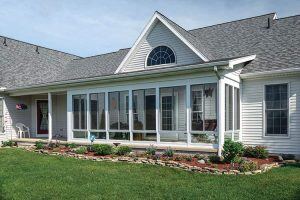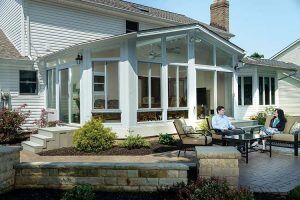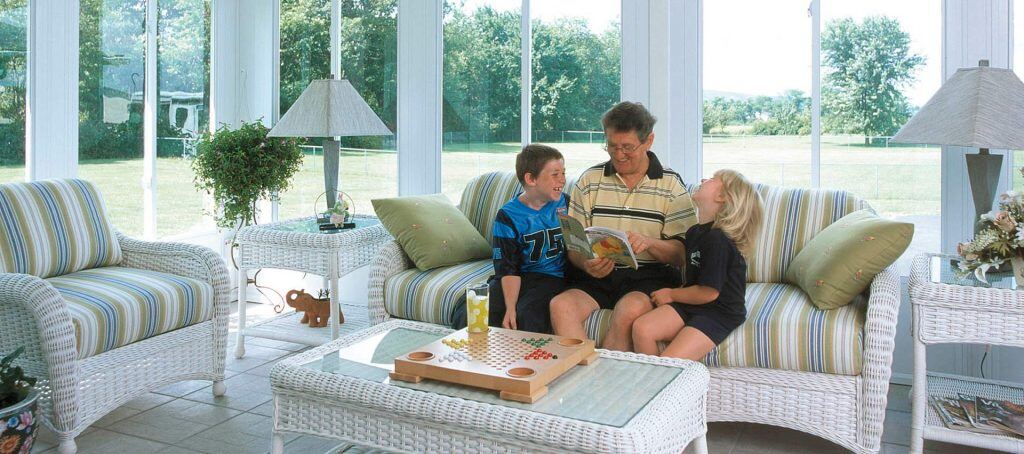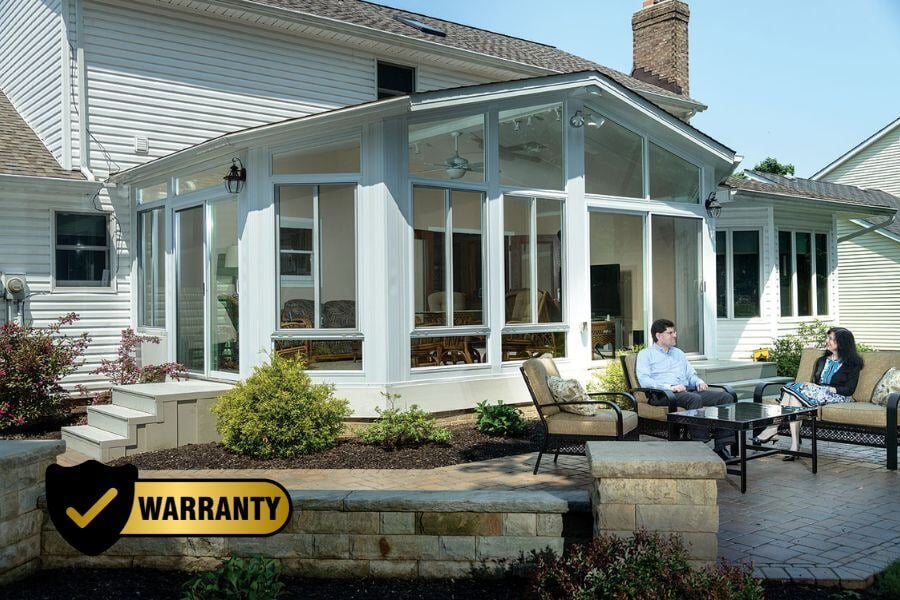

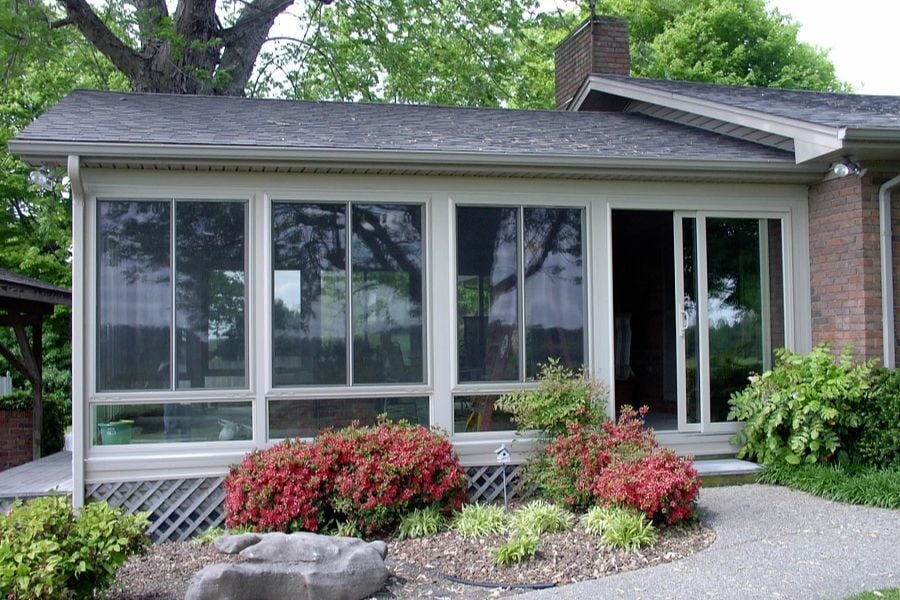
A sunroom can be much more than an extra sitting area. For many homeowners, it becomes one of the most useful spaces in the house.
With the right design, a sunroom can work as a place to relax in the morning, host family gatherings, enjoy backyard views, set up a hobby area, or create a bright everyday living space. The key is planning the room around how you actually live.
At Joyce, homeowners can choose from custom three-season and four-season sunrooms, along with patio enclosures, screen rooms, and patio covers, depending on how much protection, comfort, and year-round use they want. Joyce designs, manufactures, and installs these spaces through a factory-direct process.
Quick Sunroom Overview
A multi-functional sunroom gives you a flexible living space for relaxing, entertaining, dining, hobbies, or even working from home. If you want seasonal use, a three-season room may be enough. If you want a room that feels more like part of the home year-round, a four-season sunroom may be a better fit. Joyce offers custom options built around your home, goals, and budget.
What Makes a Sunroom Multi-Functional?
A multi-functional sunroom is designed to do more than one job well.
Instead of creating a room with only one purpose, many homeowners want a space that can shift throughout the day or throughout the year. It might be a quiet coffee spot in the morning, a family room in the afternoon, and an entertaining space on weekends.
That flexibility is one reason sunrooms are so appealing. They bring in natural light, expand usable living space, and create a stronger connection to the outdoors while still giving you protection from the elements. Joyce offers sunrooms built specifically to add comfort, light, and usable living space at home.
Popular Ways Homeowners Use a Sunroom
A well-planned sunroom can support everyday life in simple, practical ways.
A Bright Space for Relaxing
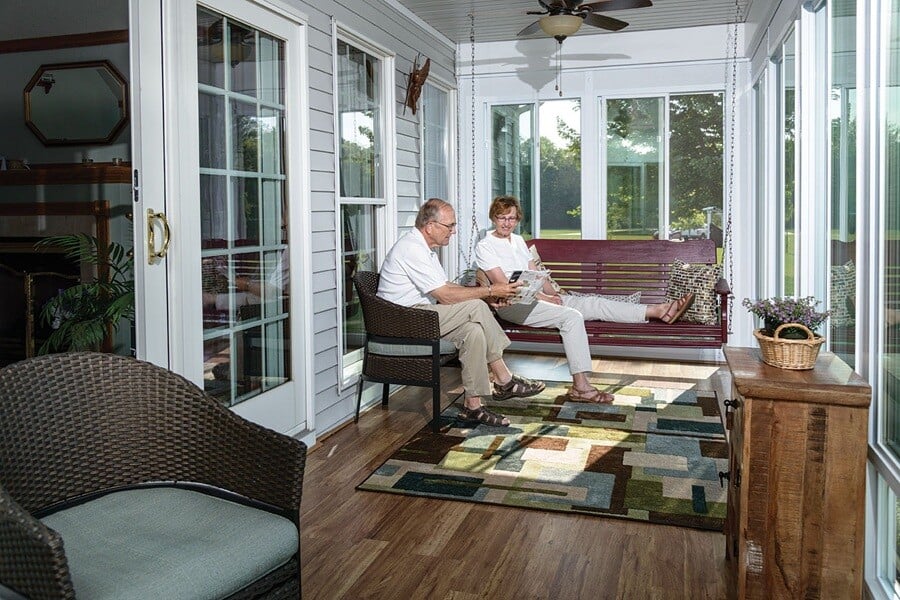
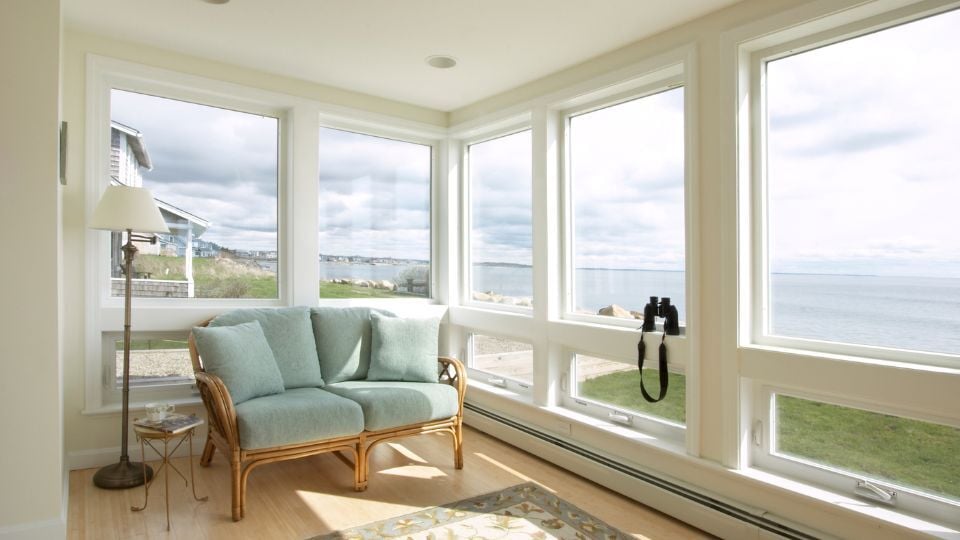
Many homeowners want a room where they can unwind, read, enjoy the view, or have a quiet place away from the busiest parts of the house. A sunroom works well for this because it feels open and calm without being fully outdoors.
A Place for Entertaining
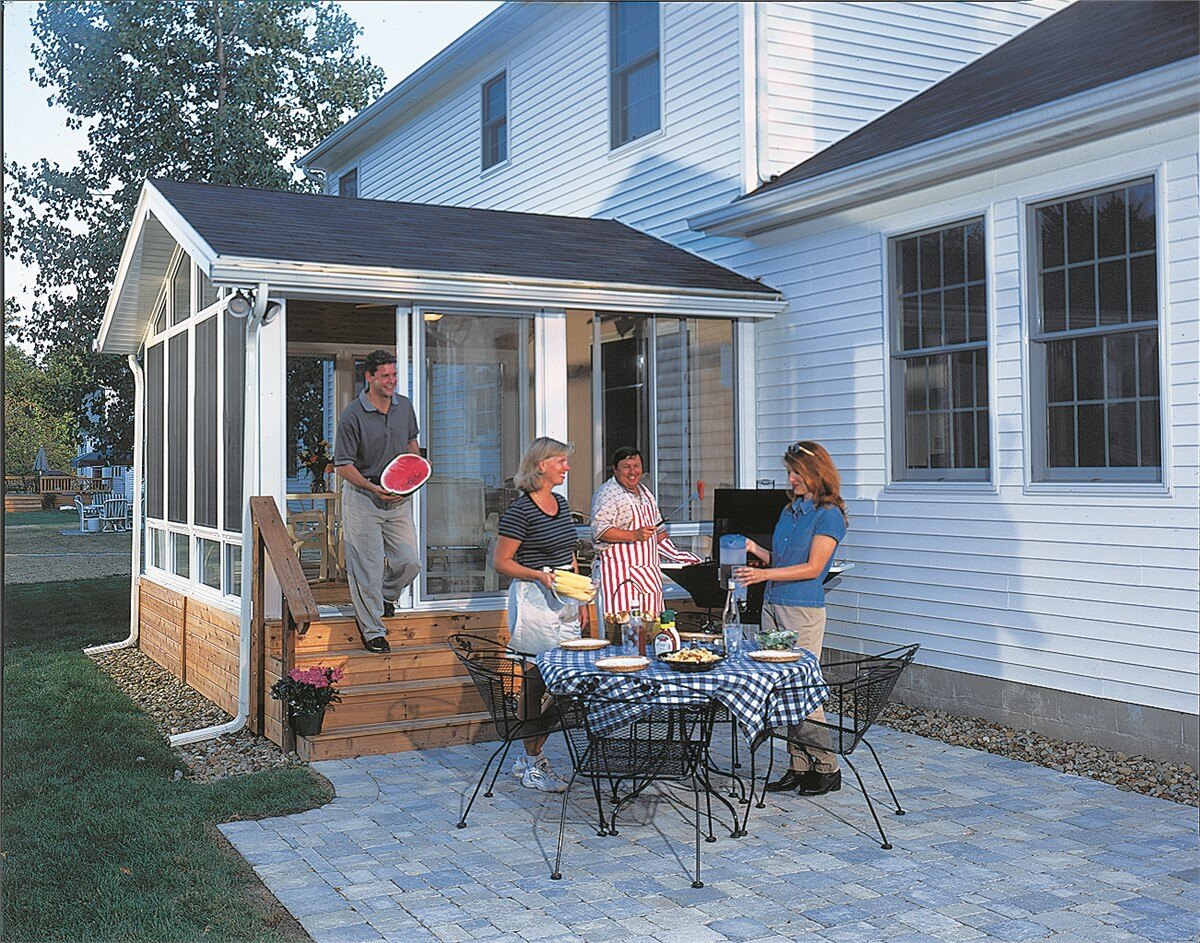
Sunrooms are a natural fit for hosting. They can give guests an easy flow between the home and the backyard while offering more comfort than a deck or patio alone.
Everyday Dining or Gathering Space
Some families use a sunroom for casual meals, game nights, or overflow seating when the rest of the house feels crowded. A four-season room can be especially useful when you want that space available year-round. Four-season sunrooms offer flexibility for dining, family use, hobbies, and everyday living.
A Home Office or Hobby Room
A bright room with backyard views can make a home office feel less closed in. The same is true for crafts, exercise equipment, music, or other hobbies. Home offices and peaceful retreats are common uses for year-round rooms.
A Better Transition to the Outdoors
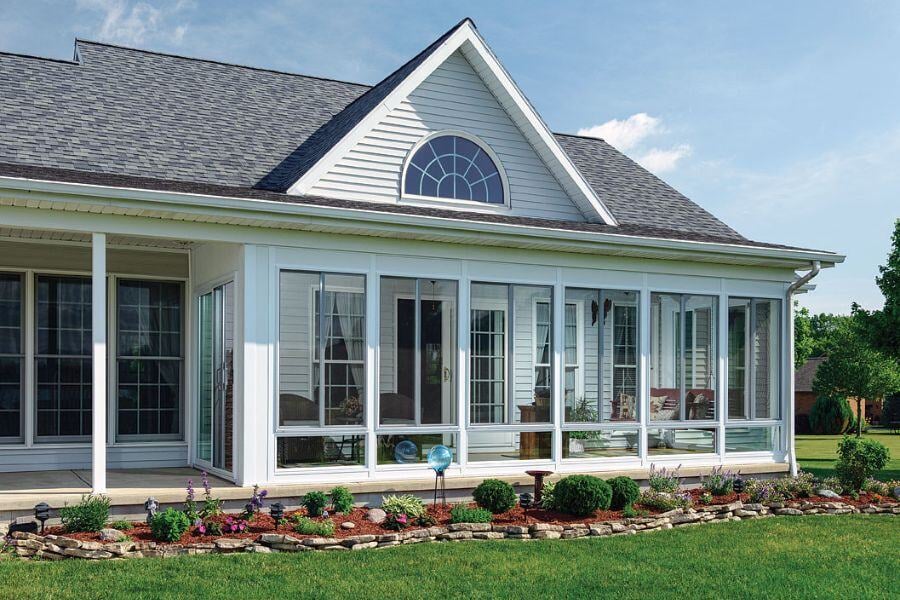
For some homes, the best use of a sunroom is to improve how the house connects to a patio, deck, or backyard. If you already have a covered patio or deck, a patio or deck enclosure may be a smart way to create a more finished, protected space. Joyce specifically offers patio and deck enclosures for this kind of project.
Three-Season vs. Four-Season Sunrooms
This is one of the biggest decisions in the planning process.
Choose a Three-Season Sunroom If You Want:
A bright room for spring, summer, and fall, a lower-cost option than a more insulated room, and a stronger connection to the outdoors. Three-season sunrooms as ideal for seasonal enjoyment and partial-year comfort.
Choose a Four-Season Sunroom If You Want:
A room you can use all year, more insulation in changing temperatures, and a space that feels more like everyday living area. Four-season rooms as the better fit for year-round comfort, energy efficiency, and flexible daily use.
For homeowners who want one room to handle several purposes across the whole year, a four-season sunroom is often the stronger choice.
Related Article: Compare Three-Season and Four-Season Sunrooms
Related Article: Explore Joyce Sunroom Options

Features That Help a Sunroom Work Harder for Your Home
A multi-functional room needs more than square footage. It also needs the right design choices.
Several factors that shape how a sunroom looks, feels, and performs, including room size, layout, roof style, insulation, glass package choices, and whether the project is new construction or an enclosure of an existing patio or deck.
Layout That Matches Your Routine
Think about where seating, dining, storage, or walking paths will go. A room that looks good but feels awkward will not get used as often.
Glass and Insulation Choices
If comfort matters in hotter or colder months, better glass and insulation can make a major difference. Four-season options use advanced glass and roofing systems designed for improved year-round comfort and energy efficiency.
Roof Style and Ceiling Height
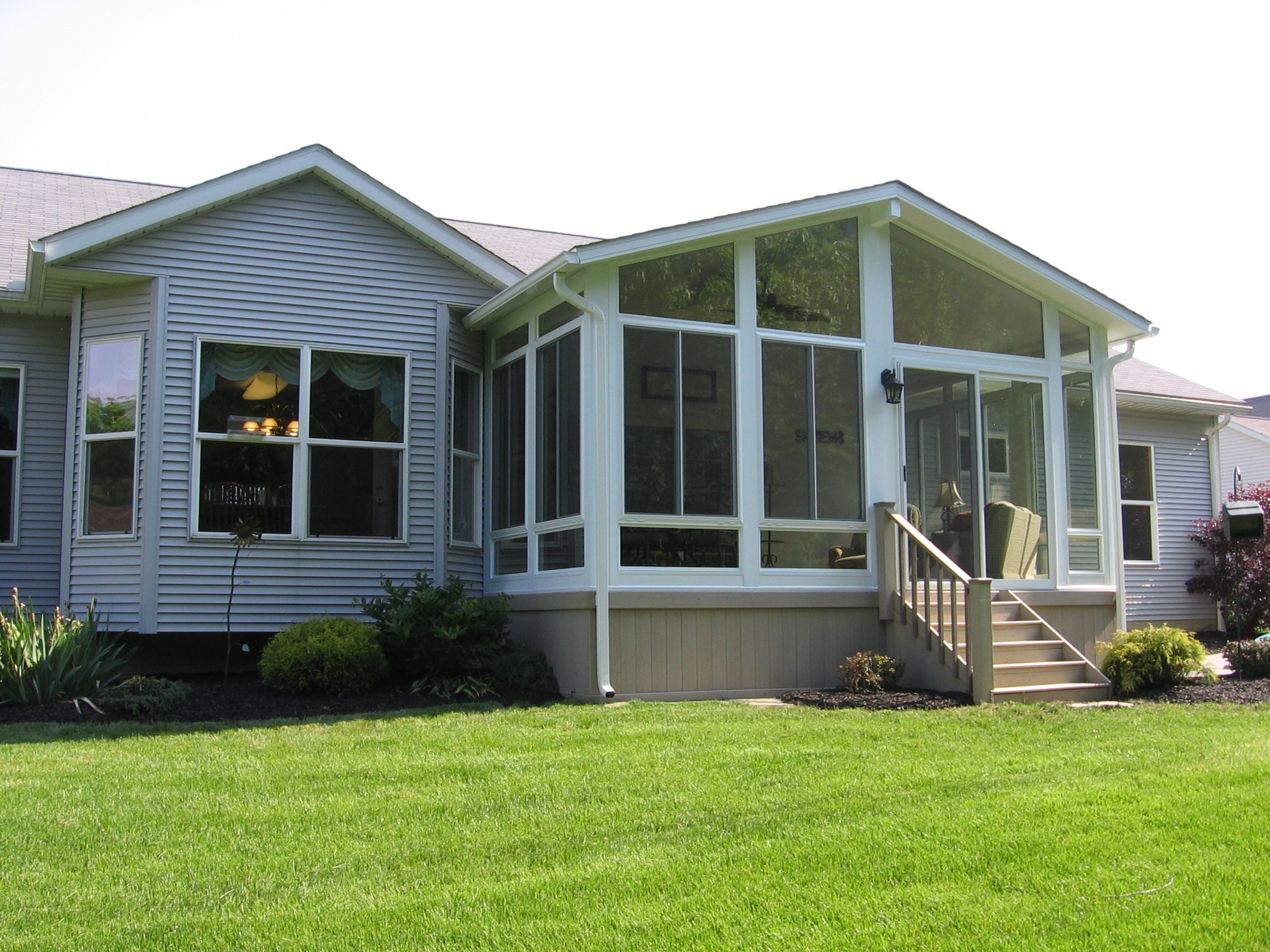
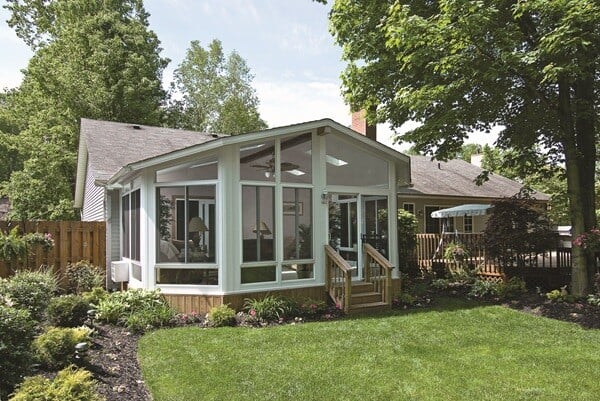
Roof design changes both the look and feel of the room. Joyce notes common styles such as gable and studio roofs, each creating a different visual effect.
A Design That Fits Your Home
The best sunrooms feel connected to the house rather than added on as an afterthought. Custom design matters when the goal is to make the room feel natural, useful, and attractive from both inside and outside.
How Much Does a Multi-Functional Sunroom Cost?
Cost depends on the type of project and the choices you make.
Pricing is affected by room size, layout, three-season vs. four-season construction, roof design, insulation and glass packages, site conditions, and finishing details. Joyce’s published pricing guide also says sunroom projects can range broadly depending on the type of room and complexity of the installation.
Published ballpark ranges include patio covers from about $8,000 to $30,000 and year-round sunrooms from about $40,000 to $90,000 or more, depending on size, materials, and installation needs. The most accurate price comes from an in-home consultation because site conditions, structural needs, electrical work, and customization can all change the final number.
Related Article: See What Your Sunroom Project Could Cost
Why Homeowners Consider Joyce for Sunrooms
Our sunroom process is built around custom solutions, factory-direct products, and expert installation. We have been helping homeowners since 1955, and our current sunroom pages describe a start-to-finish process that includes design, manufacturing, and installation. We serve homeowners across Ohio, Pennsylvania, North Carolina, and South Carolina.
That can matter when you are planning a room that needs to do several jobs well. A multi-functional sunroom is not just about adding space. It is about making sure the space fits your home, your lifestyle, and your comfort goals from the start.
Is a Multi-Functional Sunroom Right for Your Home?
A sunroom may be a good fit if you want to:
- Add living space without losing your connection to the outdoors
- Create a room for relaxing, entertaining, or everyday family use
- Improve how your home connects to a patio, deck, or backyard
- Explore a seasonal or year-round room based on your budget and goals
The right solution depends on how you want to use the room most often. Joyce offers several styles to help homeowners match the space to their home and priorities.
If you are still comparing options, it can help to start with the basics: how many seasons you want to use the room, whether you are building new or enclosing an existing space, and what level of comfort you want throughout the year.
Book Your Next Step With Joyce
If you are thinking about adding a sunroom, start by exploring the difference between three-season and four-season rooms, then compare the factors that affect pricing.
Book a Design Consultation to talk through your layout, goals, and sunroom options with Joyce.
See What Your Project Could Cost by reviewing Joyce’s sunroom pricing resources.
Download the Sunroom Brochure for more design inspiration.
Frequently Asked Questions
What is the best use for a sunroom?
The best use depends on your home and lifestyle. Many homeowners use sunrooms for relaxing, entertaining, casual dining, hobbies, or a bright secondary living area. A four-season room is usually better if you want the space available all year.
What is the difference between a three-season and four-season sunroom?
A three-season sunroom is designed mainly for spring, summer, and fall use. A four-season sunroom is built for year-round comfort with more insulation and efficiency-focused construction.
Can a sunroom be built over an existing patio or deck?
Yes. Joyce offers patio and deck enclosures, and its pricing and sunroom pages note that some projects are built by enclosing an existing patio or deck.
How much does a sunroom cost?
The answer depends on the project type, size, materials, roof design, glass choices, and installation conditions.





.jpg?width=961&height=640&name=Gable%202600SL%20in%20White%20(3%20of%204).jpg)