You’re replacing your windows, so naturally, you check out Lowe’s or Home Depot first. The prices look reasonable, the process seems simple, and honestly, a window is just a window, right? Not quite. Here’s what most homeowners find out only after the fact.
The “energy efficient” label doesn’t mean what you think
Here’s something the big box stores won’t put on their signage: ENERGY STAR® certification is a floor, not a ceiling. It’s the minimum a window needs to hit to qualify for the label, and two windows can both carry that certification while performing very differently in your actual home.
The gap shows up over time: higher-than-expected energy bills, a persistent draft near the window seat, or a replacement sooner than you’d planned. None of that shows up on the sticker price.
The real question isn’t whether a window is certified; it’s how it performs in your home, in your climate, with your specific installation.
The numbers that actually matter
When comparing windows, four specs do the heavy lifting:
- U-factor measures insulation (lower is better)
- SHGC (Solar Heat Gain Coefficient) controls summer heat entry
- Air leakage determines how drafty a window feels even when it’s closed
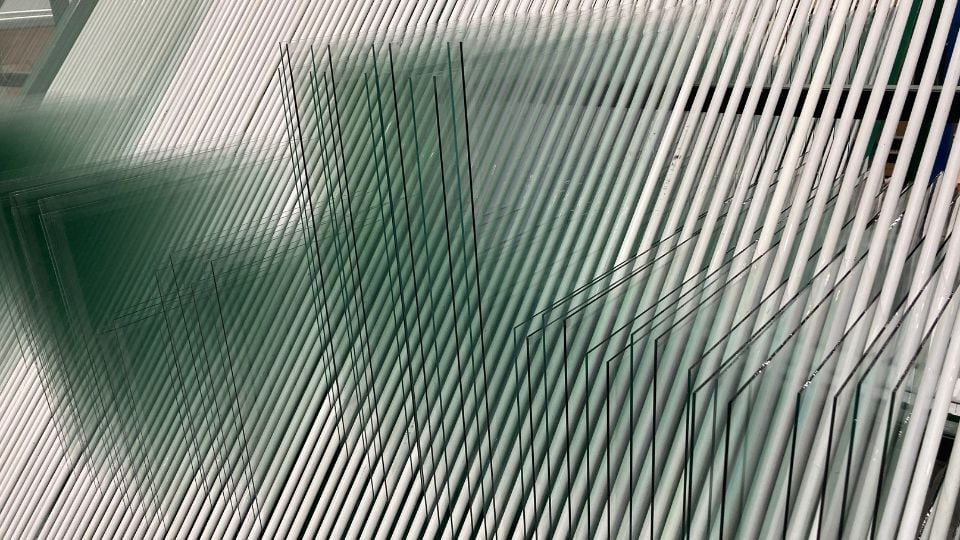
- Glass technology, Low-E coatings, argon gas fill, and multi-pane construction determine how all of the above hold up over time
Cheap windows typically have U-factors between 0.35 and 0.50. High-performance windows range from 0.20 to 0.30 or lower. That gap translates directly to your heating and cooling bill every single month.
Let’s talk about the real cost
Big box windows are often priced between $200 and $500, and that number looks great until you realize it’s just the product. Add installation, labor, and materials, and most homeowners end up paying $400 to $1,000 or more per window anyway.
Custom windows installed by a company like Joyce typically run $800 to $2,500+ per window installed. Yes, the number is higher. But here’s what that number actually includes: a window built to fit your opening exactly, installed by a trained team, and backed by one company if anything ever goes wrong.
With big box, you’re coordinating between a retailer, a manufacturer, and often a subcontracted installer. If something doesn’t perform the way you expected, good luck figuring out whose problem it is.
Side-by-side comparison
Here’s how the two approaches stack up across the factors that matter most to homeowners:
|
Factor |
Joyce Windows |
Big Box Store |
|
Custom fit to your opening |
Yes |
Standard sizes only |
|
Installation included |
Yes, trained installers |
Separate contractor |
|
Single point of accountability |
One company |
Retailer + mfr + installer |
|
U-factor performance |
0.20–0.30 or lower |
Typically 0.35–0.50 |
|
Proprietary glass technology |
Yes |
No |
|
Warranty coverage |
Labor + manufacturer |
Manufacturer only |
|
Upfront cost per window (installed) |
$800–$2,500+ |
$400–$1,000+ |
|
Best for long-term ownership |
Yes |
Better for short-term |

When the big box route actually makes sense
To be fair, there are situations where a big box window is a perfectly reasonable choice. If you’re a DIY homeowner, handling a small or temporary project, renting out a property, or planning to sell in the near term, the lower upfront cost might make more sense than a premium custom install.
But if you’re planning to stay in your home, want to reduce energy costs, and care about how every room actually feels to live in, that’s where the difference becomes real.
Frequently asked questions
If both windows are ENERGY STAR certified, does it really matter which one I choose?
Yes, ENERGY STAR is a minimum qualification, not a performance guarantee. Two certified windows can have very different U-factors, air leakage rates, and glass technologies. The label tells you that a window met the baseline. It doesn’t tell you how it’ll perform in your specific climate or with a particular installer.
Why does installation matter so much if the window itself is good quality?
A window’s rated performance is measured under ideal lab conditions. In the real world, air leakage happens around the window, not just through it. Even a high-performing window, if it’s shimmed and sealed by an inexperienced installer, will underperform. Installation quality is one of the biggest factors in whether you actually feel the difference.
What does “custom fit” actually mean, and why does it matter?
Standard big box windows come in fixed sizes, so installers fill gaps with insulation and caulk to make them fit your opening. Over time, those gaps are where air leakage creeps in. A custom-built window is manufactured to the exact dimensions of your opening, resulting in a tighter seal and better real-world efficiency from day one.
What happens if something goes wrong with a big box window installation?
This is where homeowners get stuck. The retailer points to the manufacturer. The manufacturer points to the installer. The installer may be a third-party contractor with their own warranty terms. With a single-company installation, there’s one number to call and one team accountable for the result, both the product and the work.
Is the higher cost of custom windows worth it for a rental property?
Probably not. For rental properties, the calculus is different; you’re not the one paying the energy bills, and resale on a rental is less tied to the window brand. A standard big box window that meets code and keeps tenants comfortable is usually the right call for that context. Custom installations make the most sense when you’re the long-term occupant benefiting from the efficiency gains.
How do I know what U-factor to look for in my area?
The right U-factor depends on your climate zone. In colder climates like Cleveland or Pittsburgh, you want as low as possible, ideally under 0.25. In the Carolinas, where cooling matters as much as heating, SHGC (solar heat gain coefficient) is equally important. A good consultant will spec the right glass package for your specific location rather than selling you a one-size-fits-all product.
Ready to see exactly what your home needs?
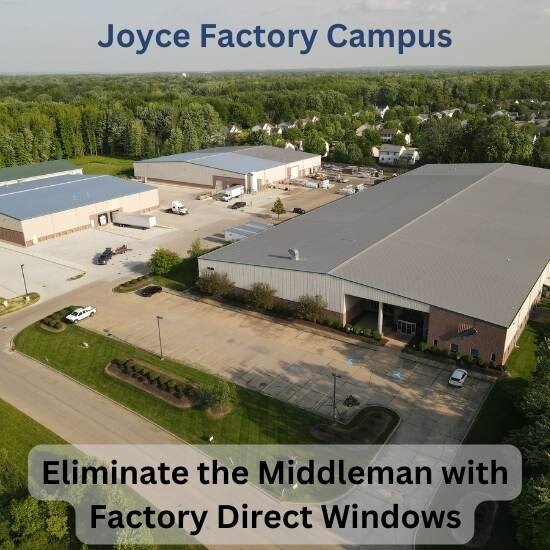
With over 20,000 homeowners helped and counting, Joyce has spent decades doing one thing really well: building the right window for each specific home. Because we manufacture our own windows in our own factory, we're not pulling from a catalog or waiting on a supplier; we have complete control over every detail, from the glass package to the frame dimensions to the finishing trim. That means when we say a window is built for your home, we mean it literally. No compromises, no middlemen, just a window made exactly the way it should be.

Schedule a free consultation with Joyce Windows, Sunrooms & Baths today!
Topics:




_flipped.jpg?width=3246&height=2550&name=joyce_%23034-outside(c)_flipped.jpg)