
Executive Summary
The four most common operable replacement-window styles are double-hung, sliding, casement, and awning windows.
Each style opens differently:
- Double-hung windows move vertically.
- Sliding windows move horizontally.
- Casement windows are hinged on the side and open outward.
- Awning windows are hinged at the top and open outward.
The best style depends on the room, available wall space, desired airflow, view, cleaning preferences, accessibility needs, and the architecture of the home. Picture windows should also be considered when natural light and an unobstructed view matter more than ventilation.
Joyce Windows, Sunrooms & Baths offers custom, factory-direct replacement windows designed around the opening, style, performance needs, and project goals of each home.
Ready to compare your options? Get an Instant Window Cost Estimate or Book a Design Consultation.
What Are the Main Replacement Window Styles?
Replacement windows are available in several operating styles. The operating style determines how the window opens, where the screen is placed, how air enters the room, and how much space is needed around the window.
The most common options include:
- Double-hung windows
- Sliding windows
- Casement windows
- Awning windows
- Picture windows
The first four styles open for ventilation. Picture windows remain fixed but provide a wide view and abundant natural light.
Related Article: Replacement Window Types
Replacement Window Style Comparison
| Window style | How it opens | Best known for | Important consideration |
|---|---|---|---|
| Double-hung | Upper and lower sashes move vertically | Traditional appearance and flexible ventilation | Horizontal meeting rail crosses the view |
| Sliding | One or more sashes move horizontally | Easy operation and wide openings | Tracks require occasional cleaning |
| Casement | Hinged on one side and opens outward | Strong ventilation and clear views | Needs exterior clearance |
| Awning | Hinged at the top and opens outward | Ventilation during some light-rain conditions | Needs exterior clearance |
| Picture | Does not open | Unobstructed views and natural light | Provides no ventilation |
No single style is best for every opening. Many homes use several window types based on the needs of each room.
1. Double-Hung Windows
A double-hung window has two sashes that move vertically. The lower sash moves upward, and the upper sash moves downward.
A single-hung window looks similar, but only the lower sash opens.
Why Homeowners Choose Double-Hung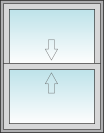 Windows
Double-hung windows offer:
- A familiar, traditional appearance
- Ventilation from the top, bottom, or both
- A good fit for many home styles
- Screens positioned on the exterior
- Easy placement near walkways and patios because they do not project outward
- Tilt-in cleaning features on many replacement-window models
Opening both sashes can help warm air leave through the top while cooler air enters through the bottom. Actual airflow depends on wind, temperature, window location, and room layout.
Where Do Double-Hung Windows Work Best?
Double-hung windows are commonly used in:
- Bedrooms
- Living rooms
- Dining rooms
- Home offices
- Hallways
- Upper-story rooms
- Traditional and colonial-style homes
They can be a practical choice above exterior walkways, porches, and decks because the window remains within the wall opening when operated.
What Should You Consider?
The center meeting rail divides the view. Homeowners who want one large, uninterrupted glass area may prefer a casement or picture window.
Also consider how easily each household member can reach and operate the locks and sashes.
Best for: Homeowners who want a traditional appearance, flexible ventilation, and an operating window that does not extend outside.
2. Sliding Windows
Sliding windows open horizontally along a track.
A single-slider usually has one moving sash and one fixed sash. A double-slider allows both sashes to move. Some larger configurations use three panels, with one or more operable sections.
Why Homeowners Choose Sliding Windows
Sliding windows may offer:
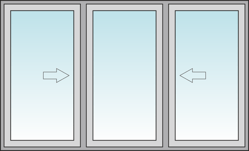
- Simple side-to-side operation
- A wider-than-tall shape
- Broad outdoor views
- Good ventilation when one or more sashes are open
- A practical fit for low or wide wall openings
- No outward projection
- Easy use in areas where lifting a sash may be inconvenient
Joyce describes sliders as windows with sashes that glide horizontally, providing straightforward operation and a wide view.
Where Do Sliding Windows Work Best?
Sliding windows may work well in:
- Contemporary homes
- Ranch-style homes
- Basements
- Bedrooms
- Living rooms
- Rooms with wide wall openings
- Areas near decks, patios, and walkways
A horizontal window can help emphasize the width of a room or frame a landscape-style view.
What Should You Consider?
The lower track can collect dust, pollen, pet hair, and other debris. Routine cleaning helps the sash move smoothly and supports proper drainage.
Some sliders require one panel to be lifted out or tilted for cleaning. Ask how the selected model is cleaned from inside the home.
Best for: Wide openings, simple operation, and rooms where an outward-opening sash would create a problem.
3. Casement Windows
A casement window is hinged on one vertical side and opens outward. It is usually operated with a crank or handle.
The screen is placed on the interior because the sash opens toward the outside.
Why Homeowners Choose Casement Windows
Casement windows can provide: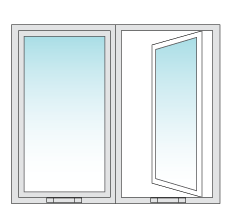
- A wide, uninterrupted glass area
- Strong ventilation when fully open
- The ability to direct or catch a breeze
- A secure compression-style seal when closed
- Simple operation with a crank
- A tall, narrow shape that works well in many modern designs
Joyce identifies casement windows as side-hinged windows that open outward and provide excellent ventilation and clear views.
Where Do Casement Windows Work Best?
Casement windows are often used in:
- Kitchens
- Bathrooms
- Living rooms
- Home offices
- Tall, narrow wall openings
- Contemporary or transitional homes
- Areas where reaching a traditional sash would be difficult
A casement window may be easier to operate above a counter or sink because the homeowner turns a handle rather than lifting a sash.
What Should You Consider?
Casement windows need enough exterior clearance to open.
They may not be appropriate where the sash would extend over:
- A busy walkway
- A narrow deck
- A patio seating area
- Shrubs or landscaping
- Exterior equipment
The crank, hinges, locks, and operating hardware should also be kept clean and maintained according to the manufacturer’s instructions.
Best for: Homeowners who prioritize ventilation, an open view, and easy crank operation.
4. Awning Windows
An awning window is hinged at the top and opens outward from the bottom.
Like a casement window, its screen is positioned on the inside.
Why Homeowners Choose Awning Windows
Awning windows can offer:
- Ventilation through a compact opening
- Privacy when installed higher on a wall
- A clear glass area
- Compatibility with other window styles
- A useful shape for short or wide openings
- Some protection from light rain when partially open
Because the glass angles outward over the opening, an awning window may remain open during some light-rain conditions. It should still be closed during heavy rain, wind, or severe weather.
Where Do Awning Windows Work Best?
Awning windows are commonly used in:
- Bathrooms
- Basements
- Kitchens
- Utility rooms
- Above doors
- High wall openings
- Combination window arrangements
They can also be placed below or above a fixed picture window to add ventilation without significantly interrupting the main view.
What Should You Consider?
An awning sash requires exterior clearance. It should not open into a walkway or another area where it could become an obstruction.
A high placement may provide privacy, but the operating handle still needs to remain accessible.
Best for: Compact openings, high-wall placement, and rooms that need both ventilation and privacy.
What Is a Picture Window?
A picture window is a fixed window that does not open.
Although it is not one of the four operable styles covered in the original article, it is an important option for homeowners comparing replacement windows.
Why Homeowners Choose Picture Windows
Picture windows provide:
- A wide, unobstructed outdoor view
- A large glass area
- Abundant natural light
- No operating hardware
- A clean, simple appearance
- The ability to create larger combination-window designs
Joyce describes picture windows as large, fixed windows designed to bring in natural light and provide a clear view.
Where Do Picture Windows Work Best?
Picture windows may work well in:
- Living rooms
- Stairwells
- Dining areas
- Rooms with scenic views
- High or difficult-to-reach openings
- Spaces where ventilation is provided by other windows
A picture window can be paired with double-hung, casement, or awning windows to combine a broad view with ventilation.
What Should You Consider?
Because a picture window does not open, it cannot provide fresh air or serve as an operable exit.
It should be used where ventilation is not required or where another operable window is available.
Best for: Natural light, scenic views, and homeowners who prefer a large uninterrupted glass area.
Which Window Style Provides the Best Ventilation?
Casement windows often provide strong ventilation because the entire sash opens outward and may help direct passing air into the room.
Double-hung windows provide flexible ventilation through the upper sash, lower sash, or both. Sliding windows allow air through part of a wide opening. Awning windows provide ventilation through the lower portion of the opening.
The actual airflow will depend on:
- Window size
- Opening direction
- Wind direction
- Nearby buildings and landscaping
- Placement within the room
- Whether another window or door creates cross-ventilation
Choose the window based on how the room is used rather than assuming one style will provide the same result in every home.
Which Window Style Is Easiest to Clean?
Ease of cleaning depends on the product design and window location.
Double-Hung Windows
Many replacement double-hung windows have sashes that tilt inward, allowing the exterior glass to be cleaned from inside.
Sliding Windows
Some sliding sashes can be removed or tilted inward. The bottom track also needs routine cleaning.
Casement Windows
Casement windows may be cleaned through the opening when accessible, although wide sashes and upper-story placement can make this more difficult.
Awning Windows
The exterior surface may be harder to reach from inside, depending on the size and opening angle.
Picture Windows
Picture windows contain no tracks or operating hardware, but the exterior glass may require access from outside.
Ask the consultant to demonstrate the cleaning process before choosing a style, especially for upper-story windows.
Related Article: Cleaning Double-Hung Windows
Which Style Works Best Above a Kitchen Sink?
Casement windows are often a practical choice above a kitchen sink because they can be opened with a crank rather than requiring the homeowner to lift a sash.
Sliding windows may also work in a wide, low opening.
The best choice depends on:
- How far the counter extends
- The homeowner’s reach
- Exterior clearance
- Desired view
- Window height
- Ventilation needs
A picture window may be appropriate when the priority is natural light and a clear view rather than ventilation.
Which Windows Work Best Near Walkways or Patios?
Double-hung, sliding, and picture windows stay within the wall opening, making them practical near:
- Walkways
- Patios
- Decks
- Porches
- Outdoor seating
- Narrow side yards
Casement and awning windows open outward and require more clearance.
Always consider how the window will interact with landscaping, furniture, paths, and other outdoor features.
Can Different Window Styles Be Combined?
Yes. Combining window styles can provide a better balance of ventilation, light, views, and architectural interest than using the same style in every opening.
Common combinations include:
- A picture window between two casement windows
- A picture window above an awning window
- Three double-hung windows installed together
- A fixed center panel with operable side windows
- Specialty shapes above traditional windows
The frame lines, glass heights, grids, colors, and trim should be coordinated so the arrangement looks intentional.
Does Window Style Affect Energy Efficiency?
Window style is only one part of energy performance.
Important factors include:
- Glass package
- U-factor
- Solar heat gain coefficient
- Frame construction
- Weatherstripping
- Air leakage
- Custom sizing
- Installation quality
- Insulation and sealing around the opening
The U-factor shows how well a window resists heat transfer. Lower values generally indicate better insulation.
Solar heat gain coefficient measures how much heat from sunlight passes through the window. The appropriate rating depends partly on the home’s climate zone and the direction the window faces.
ENERGY STAR-certified residential windows are independently tested and certified through the National Fenestration Rating Council. Performance requirements vary by climate zone.
Homeowners should compare the complete NFRC label rather than choosing a window based only on the way it opens.
Related Article: Energy Efficient Windows
How Much Do Different Window Styles Cost?
Replacement-window pricing depends on more than the operating style.
Factors may include:
- Window size
- Number of windows
- Glass package
- Frame color
- Decorative grids
- Hardware
- Window collection
- Custom shapes
- Condition of the opening
- Installation requirements
- Interior and exterior finishing
A fixed picture window may have fewer operating components, while a casement or double-hung window includes hardware and moving sashes. Specialty sizing and configuration can also affect the price.
Joyce offers a Window Pricing Calculator that provides a ballpark range based on the project details. A final quote requires measurements, product selections, and an evaluation of the installation area.
See What Your Window Project Could Cost
How Do You Choose the Right Replacement Window Style?
Start with the needs of the room.
Ask these questions:
- Does the window need to open?
- How much ventilation do I want?
- Is the opening taller or wider?
- Is there enough exterior clearance?
- Do I want an uninterrupted view?
- Will I need to clean the window from inside?
- Is the window above a counter or furniture?
- Does the style match the home?
- What performance ratings fit my climate?
- What does the project cost include?
Do not assume every window in the home should be replaced with the same style. The best solution may use several styles based on room function and architecture.

Why Choose Joyce for Replacement Windows?
Joyce Windows, Sunrooms & Baths manufactures custom replacement windows in its own factory rather than acting only as a reseller.
Joyce homeowners can explore:
- Double-hung windows
- Sliding windows
- Picture windows
- Casement windows
- Awning windows
- Bay and bow windows
- Garden windows
- Custom shapes
- Energy-efficient glass options
- Custom colors and grids
- Professional installation
- Window financing for qualified homeowners
- An online Window Pricing Calculator
Joyce windows are custom-made for the home’s openings, style preferences, performance needs, and project goals.
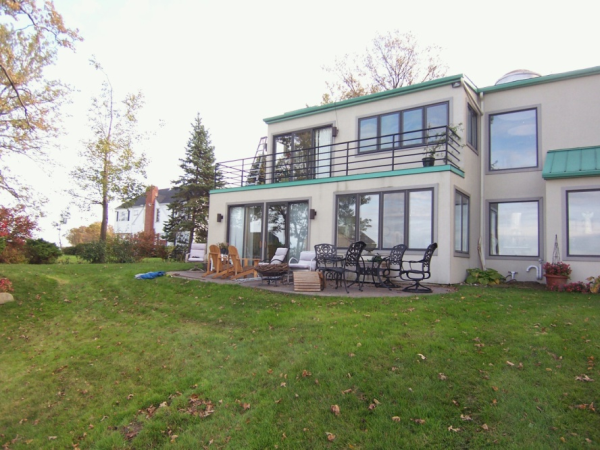
Find the Right Windows for Every Room
Choosing a replacement-window style is not only a design decision. It affects ventilation, cleaning, views, natural light, operation, exterior clearance, and everyday comfort.
Double-hung windows offer a traditional appearance and flexible ventilation. Sliding windows work well in wide openings. Casement windows provide an open view and strong airflow. Awning windows fit compact or high wall openings. Picture windows maximize light and views when ventilation is not needed.
A Joyce design consultant can help you compare styles, glass packages, colors, grids, installation needs, and project pricing.
Or begin with:
Get an Instant Window Cost Estimate
Frequently Asked Questions About Replacement Window Styles
What is the most popular replacement-window style?
Double-hung windows are among the most widely used styles because they complement many home designs and provide ventilation through two movable sashes. The best style still depends on the room and homeowner’s priorities.
What is the difference between single-hung and double-hung windows?
A single-hung window has a fixed upper sash and an operable lower sash. A double-hung window allows both the upper and lower sashes to move.
Are sliding windows easy to operate?
Sliding windows move horizontally along a track and can be easy to operate, especially in wide openings. Keeping the track clean helps support smooth movement.
Do casement windows provide better ventilation?
Casement windows can provide strong ventilation because most or all of the sash opens. The outward-facing sash may also help direct passing breezes into the room.
Can awning windows stay open in the rain?
Their top-hinged design may help keep out some light rain when the window is partially open. They should be closed during heavy rain, strong winds, or severe weather.
What is the best window above a kitchen sink?
Casement windows are often convenient because they open with a crank. Sliding and picture windows may also work depending on the opening, reach, view, and ventilation needs.
What window style offers the clearest view?
Picture windows provide the clearest uninterrupted view because they do not have operable sashes. Casement windows also provide a relatively open glass area.
Can I use different window styles throughout my home?
Yes. Homeowners often select different styles based on room function, opening size, ventilation, exterior clearance, and architectural design.
Are replacement windows custom-sized?
Joyce replacement windows are made to fit the specific openings, style preferences, performance goals, and needs of the project.
How can I estimate the cost of replacement windows?
The Joyce Window Pricing Calculator can provide a ballpark range. A final quote requires measurements, product selections, and an evaluation of installation conditions.

Topics: