
Executive Summary
Replacement-window cost depends on more than the number of windows in your home.
Window style, size, glass package, frame color, decorative grids, hardware, custom shapes, installation access, and the condition of the existing openings can all affect the final project price.
Joyce’s currently published installed planning ranges include:
| Window style | Published Joyce ballpark range |
|---|---|
| Double-hung | $850–$1,500 per window |
| Sliding | $850–$1,500 per window |
| Casement or awning | $1,000–$2,100 per window |
| Bay or bow | $4,500–$9,000 per window |
| Garden | $3,000–$5,000 per window |
These figures are general planning ranges, not guaranteed quotes. Picture-window pricing varies considerably based on size, configuration, glass, and installation, so Joyce recommends using its Window Cost Calculator for a project-specific ballpark estimate.
Ready to start planning? Get an Instant Window Cost Estimate or Book a Design Consultation.
How Much Do Replacement Windows Cost?
There is no single price that applies to every replacement window.
Two homes with the same number of windows can have different project costs because the openings, styles, glass, colors, installation needs, and customization choices may be different.
The final price may be affected by:
- Number of windows
- Window style
- Width and height
- Standard or custom shape
- Glass package
- Interior and exterior colors
- Decorative grids
- Hardware choices
- Condition of the existing frame
- Wood rot or water damage
- Installation access
- Interior and exterior trim
- Whether the project is completed at once or in phases
A simple double-hung window in an accessible opening will usually price differently from a large bay window, architectural shape, or project requiring structural repairs.
Replacement Window Cost Comparison
| Window type | How it operates | Common uses | Relative project cost |
|---|---|---|---|
| Double-hung | Two sashes move vertically | Bedrooms, living rooms, traditional homes | Lower to moderate |
| Sliding | Sashes move horizontally | Wide openings, ranch homes, basements | Lower to moderate |
| Casement | Side-hinged sash opens outward | Kitchens, tall openings, ventilation | Moderate |
| Awning | Top-hinged sash opens outward | Bathrooms, basements, high openings | Moderate |
| Picture | Fixed and does not open | Large views and natural light | Varies widely |
| Bay or bow | Multiple windows project outward | Living rooms, dining areas, focal points | Higher |
| Garden | Box-style projection with glass sides and top | Kitchens, plants, display space | Higher |
The lowest-cost style is not always the best value for a particular room. Operation, view, ventilation, cleaning, exterior clearance, comfort, and architecture should all be considered.
Related Article: Joyce Replacement Window Types
1. Double-Hung Windows
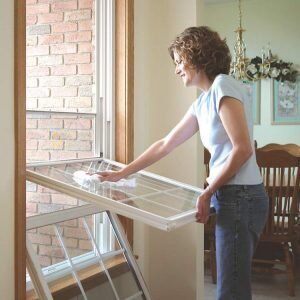
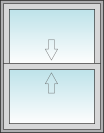 A double-hung window has two movable sashes. The lower sash moves upward, and the upper sash moves downward.
This is different from a single-hung window, where only the lower sash operates.
Why Homeowners Choose Double-Hung Windows
Double-hung windows can provide: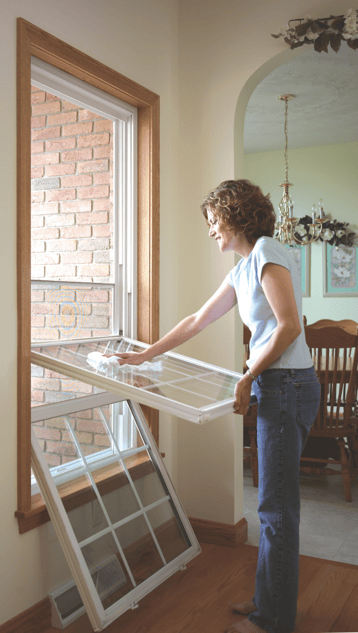
- A traditional appearance
- Ventilation through the upper or lower sash
- No outward projection
- A practical fit near patios and walkways
- Tilt-in cleaning on many replacement models
- Compatibility with many architectural styles
Opening both sashes may allow warm air to leave through the top while cooler air enters through the bottom. Actual airflow depends on the window location, weather, and room layout.
Where Do They Work Best?
Double-hung windows are commonly used in:
- Bedrooms
- Living rooms
- Dining rooms
- Offices
- Upper-story rooms
- Traditional homes
How Much Do Double-Hung Windows Cost?
Joyce currently publishes a general installed range of approximately:
$850–$1,500 per double-hung window
The final amount depends on the size, glass package, window collection, colors, grids, installation conditions, and other custom selections.
What Can Increase the Price?
- Oversized openings
- Upgraded energy-efficient glass
- Exterior color upgrades
- Decorative grids
- Premium hardware
- Damaged or deteriorated openings
- Difficult upper-story access
Best for: Homeowners who want a familiar appearance, flexible ventilation, and convenient cleaning.
2. Sliding Windows
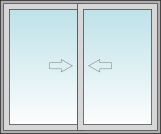 Sliding windows open horizontally along a track.
A single-slider usually has one movable sash and one fixed sash. A double-slider allows both sides to move. Larger openings may use three-panel arrangements.
Why Homeowners Choose Sliding Windows
Sliding windows may provide:
- Simple side-to-side operation
- A wide outdoor view
- A good fit for horizontal openings
- No outward projection
- Easy placement near patios, decks, or walkways
- A clean appearance for ranch and contemporary homes
Where Do They Work Best?
Sliding windows are commonly used in:
- Living rooms
- Bedrooms
- Basements
- Wide wall openings
- Ranch-style homes
- Rooms where lifting a vertical sash may be difficult
How Much Do Sliding Windows Cost?
Joyce currently publishes a general installed range of approximately:
$850–$1,500 per sliding window
Larger two- or three-panel configurations may cost more than a smaller standard slider.
What Can Increase the Price?
- Wide or custom-sized openings
- Multiple operable panels
- Upgraded glass
- Exterior frame colors
- Custom grids
- Opening repairs
- Difficult installation access
The lower track should be cleaned periodically so the window continues to move smoothly and drain correctly.
Best for: Wide openings, straightforward operation, and areas without room for an outward-opening sash.
3. Casement Windows
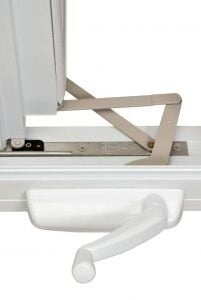
 A casement window is hinged on one side and opens outward using a crank or handle.
Because the sash opens outside, the screen is usually installed on the interior.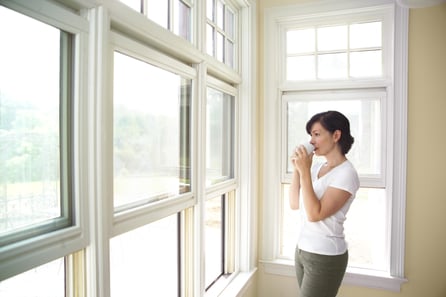
Why Homeowners Choose Casement Windows
Casement windows may provide:
- A broad glass area
- Strong ventilation
- The ability to direct passing air into a room
- Crank operation
- A compression-style seal when closed
- A clean fit for tall or narrow openings
Where Do They Work Best?
Casements are often used in:
- Kitchens
- Bathrooms
- Home offices
- Tall wall openings
- Contemporary homes
- Areas above counters or sinks
The crank may be easier to operate above a counter than a window that must be lifted.
How Much Do Casement Windows Cost?
Joyce currently groups casement and awning windows within a general installed range of approximately:
$1,000–$2,100 per window
The price depends on size, configuration, frame options, glass, hardware, and installation requirements.
What Can Increase the Price?
- Oversized casement sashes
- Premium operating hardware
- Multi-window combinations
- Upgraded glass packages
- Custom colors
- Structural or opening repairs
- Difficult exterior access
Casement windows need exterior clearance. They may not be appropriate where the sash would extend over a walkway, narrow deck, shrubs, or outdoor seating.
Best for: Strong ventilation, relatively open views, and convenient crank operation.
4. Awning Windows
 An awning window is hinged at the top and opens outward from the bottom.
It can be used by itself or combined with a larger fixed window.
Why Homeowners Choose Awning Windows
Awning windows may provide:
- Ventilation in a compact opening
- Privacy when installed higher on a wall
- A clear glass area
- A practical fit for basements and bathrooms
- Some protection from light rain when partially open
They should still be closed during heavy rain, strong winds, and severe weather.
Where Do They Work Best?
Awning windows are commonly used in:
- Bathrooms
- Basements
- Kitchens
- Utility rooms
- High wall openings
- Areas above or below picture windows
How Much Do Awning Windows Cost?
Joyce currently groups awning and casement windows within a general installed range of approximately:
$1,000–$2,100 per window
What Can Increase the Price?
- Larger custom sizes
- Combination window designs
- Upgraded hardware
- High-performance glass
- Exterior color selections
- Difficult-to-reach openings
- Structural repairs
Awning windows also require exterior clearance, and the operating handle must remain accessible.
Best for: High or compact openings where ventilation and privacy are both important.
5. Picture Windows
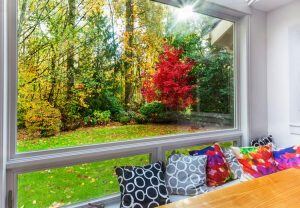
 A picture window is a fixed window that does not open.
It is designed to provide natural light and a wide, unobstructed view.
Why Homeowners Choose Picture Windows
Picture windows can provide:
- A large glass area
- Clear outdoor views
- Abundant natural light
- No tracks, hinges, or operating hardware
- A clean, simple appearance
- Flexible combination designs
They are often paired with casement, double-hung, or awning windows when the homeowner wants both a broad view and ventilation.
Where Do They Work Best?
Picture windows are commonly used in:
- Living rooms
- Dining rooms
- Stairwells
- Rooms with scenic views
- High or difficult-to-reach openings
- Window combinations
How Much Do Picture Windows Cost?
Picture-window cost varies significantly.
A small fixed window may be relatively straightforward, while a large custom picture window may require more glass, heavier framing, additional labor, and special installation planning.
Important cost factors include:
- Glass dimensions
- Frame size
- Glass thickness and package
- Custom shape
- Tempered or specialty glass requirements
- Installation height
- Combination-window design
- Condition of the opening
Joyce’s current Window Cost Calculator is the best starting point for a ballpark project estimate.
What Should You Consider?
A picture window does not provide ventilation. It should be used where another operable window or door provides airflow when needed.
Best for: Homeowners who prioritize views and natural light over ventilation.
6. Bay and Bow Windows
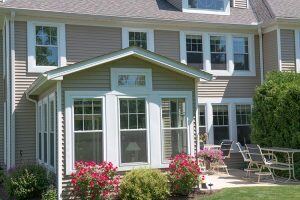
 Bay and bow windows project outward from the exterior wall.
A bay window commonly uses three sections and has a more angular shape. A bow window generally uses four or more panels to create a gentler curve.
Related Article: Bay vs Bow Windows
Why Homeowners Choose Bay or Bow Windows
They can provide: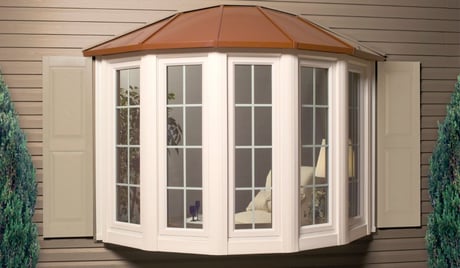
- A wider outdoor view
- Natural light from multiple angles
- Added architectural dimension
- Interior ledge or seating space
- A strong focal point
- Operable side panels in some configurations
Where Do They Work Best?
Bay and bow windows are often used in:
- Living rooms
- Dining rooms
- Breakfast areas
- Bedrooms
- Front-facing rooms
- Areas with attractive outdoor views
How Much Do Bay and Bow Windows Cost?
Joyce currently publishes a general installed range of approximately:
$4,500–$9,000 per bay or bow window
These windows usually cost more because they contain several window units and may require structural support, roofing, insulation, custom trim, and more involved installation.
What Can Increase the Price?
- Overall width and height
- Projection depth
- Number of panels
- Operable side windows
- Structural reinforcement
- Roof or exterior cap
- Interior seat-board finish
- Upgraded glass
- Custom colors and grids
- Difficult access
No window project can guarantee a specific increase in resale value. A well-designed bay or bow window may improve appearance, function, natural light, and curb appeal, but resale results depend on the home and local market.
Best for: Homeowners who want a major architectural feature, wider views, and added interior depth.
7. Garden Windows
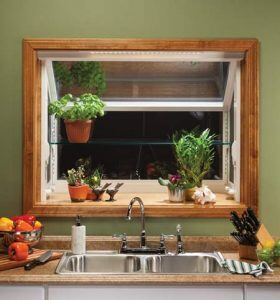
 A garden window projects outward from the home and creates a glass-enclosed shelf.
It usually has glass on the front, sides, and top, with operable vents or side windows available in some configurations.
Related Articles:
Unique Ways to Use Garden Windows
Why Homeowners Choose Garden Windows
Garden windows can provide: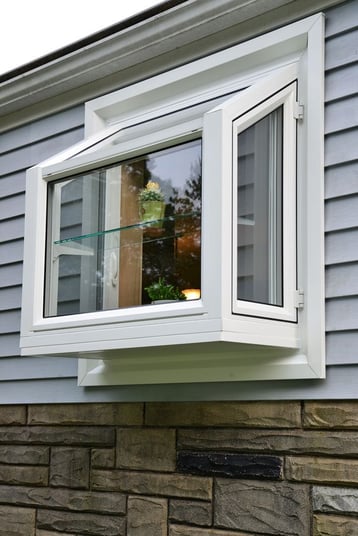
- A bright shelf for herbs or houseplants
- More depth than a flat kitchen window
- Natural light from several directions
- A display area
- A small greenhouse-like appearance
Where Do They Work Best?
Garden windows are commonly installed in:
- Kitchens
- Breakfast areas
- Utility rooms
- Rooms where plants or display space are a priority
How Much Do Garden Windows Cost?
Joyce currently publishes a general installed range of approximately:
$3,000–$5,000 per garden window
What Can Increase the Price?
- Larger dimensions
- Operable side vents
- Upgraded glass
- Custom shelf finishes
- Structural changes
- Difficult installation access
- Exterior trim or siding work
Plants placed in a garden window should be selected for the actual sunlight and temperature conditions. The space can become warmer than the surrounding room during strong direct sun.
Best for: Kitchens and other rooms where a bright plant or display shelf is more important than a standard flat window.
Which Replacement Window Style Costs the Least?
Double-hung and sliding windows are generally among Joyce’s lower-priced common styles based on its currently published planning ranges.
However, the lowest per-window price may not produce the lowest total project price.
For example:
- A large slider may cost more than a small double-hung window.
- A standard casement may cost less than a heavily customized double-hung window.
- A project with damaged frames may cost more regardless of style.
- Replacing only a few windows may have a higher average cost per window than a larger project.
The best comparison uses the same window size, glass, color, installation scope, and warranty assumptions.
Related Article: Joyce Pricing
What Makes Replacement-Window Prices Go Up?
Larger or Custom Sizes
More glass and framing generally increase material, handling, and installation needs.
Specialty Window Styles
Bay, bow, garden, and architectural windows use more components and often require more complex installation.
Upgraded Glass Packages
Glass packages designed for stronger thermal performance, solar control, or other project goals may add cost.
Custom Colors
Standard white interior and exterior frames may cost less than upgraded exterior colors or custom combinations.
Decorative Grids and Hardware
Grids, premium hardware, and design upgrades add material and manufacturing steps.
Difficult Installation Access
Upper stories, landscaping, narrow side yards, steep grades, or interior obstacles can increase labor requirements.
Damaged Openings
Wood rot, water damage, structural problems, or deteriorated frames may require additional work.
Replacing Windows in Phases
Replacing several windows at once may lower the average cost per window because ordering and installation can be planned more efficiently.
What Is Included in a Joyce Window Calculator Estimate?
Joyce’s Window Cost Calculator provides a ballpark project range based on selections such as:
- Window style
- Quantity
- Glass options
- Color and design preferences
- Installation needs
Installation is included in the calculator’s ballpark pricing.
The result is not a final quote. Pricing may change after an in-home evaluation if the openings are custom-sized, damaged, difficult to access, or different from the original online selections.
Can You Replace Only a Few Windows?
Yes. Homeowners do not always need to replace every window at once.
A phased approach may make sense when:
- Several windows are causing the most drafts or discomfort
- Certain rooms have failed seals or damaged frames
- Budget requires spreading the project over time
- A remodeling project affects only one part of the home
- Specialty windows are being handled separately
Joyce states that homeowners can replace a group of windows or plan a larger whole-home project. Its current main window page notes a minimum project of four windows. Confirm the current minimum for your ZIP code and project before planning around that number.
How Should You Prioritize Windows When Replacing in Phases?
Start with windows that have the clearest problems.
Priorities may include:
- Active water intrusion
- Damaged or deteriorated frames
- Broken locks or unsafe operation
- Failed seals and fogged glass
- Drafty rooms
- Windows that are difficult to open or close
- Bedrooms where applicable egress requirements matter
- Rooms with strong heat or glare problems
- Street-facing windows affecting curb appeal
A design consultant can help create a phased plan that keeps colors, grids, glass heights, and styles consistent.
Does Window Style Affect Energy Efficiency?
Yes, but style is only one factor.
Energy performance also depends on:
- Glass package
- Frame construction
- Weatherstripping
- Air leakage
- U-factor
- Solar heat gain coefficient
- Custom sizing
- Installation
- Insulation and sealing around the opening
A fixed picture window has fewer operating joints, while casement windows commonly use compression seals when closed. That does not mean one style will always outperform every other option.
Compare the complete window system and its rated performance rather than relying only on operating style.
Actual energy savings vary based on the existing windows, home construction, heating and cooling equipment, climate, selected products, and installation quality.
Related Article: Joyce Energy Efficient Windows
What Should You Ask During a Window Estimate?
Ask the same questions of every company you compare:
- What window style is included?
- What collection or model is being quoted?
- What glass package is included?
- Are grids, colors, screens, and hardware included?
- Does the price include removal and disposal?
- Is interior or exterior trim included?
- How will damaged wood or hidden problems be handled?
- Who performs the installation?
- What product and labor warranties apply?
- What work is excluded?
- Is the price final after measurement?
- What could create a change order?
- Does the estimate include permits when required?
- How long is the quote valid?
- What financing terms are available to qualified homeowners?
Do not compare two prices until you confirm that they include the same scope.

Why Choose Joyce for Replacement Windows?
Joyce Windows, Sunrooms & Baths manufactures custom replacement windows in its own factory and provides professional installation.
Homeowners can explore:
- Double-hung windows
- Sliding windows
- Picture windows
- Casement windows
- Awning windows
- Bay and bow windows
- Garden windows
- Custom shapes
- Heritage, Eloquence, and Specialty collections
- Energy-efficient glass options
- Interior and exterior colors
- Decorative grids
- Financing for qualified homeowners
- A Window Cost Calculator
- In-home design consultations
Joyce provides replacement-window estimates in areas of Ohio, Pennsylvania, North Carolina, and South Carolina, including the Cleveland, Pittsburgh, Charlotte, Asheville, Columbia, and Greenville regions. Service availability depends on the project address.
Start With a Realistic Window Budget
The best replacement window is not automatically the cheapest or most expensive option.
It is the window that fits:
- The opening
- The room
- The home’s architecture
- Your ventilation needs
- Your view
- Your comfort goals
- Your maintenance preferences
- Your project budget
Use the Joyce Window Cost Calculator to compare styles and receive a ballpark project range. Then schedule an in-home consultation for measurements, recommendations, installation details, and exact pricing.

Frequently Asked Questions About Window Types and Costs
How much does a replacement window cost?
Joyce’s published planning ranges begin around $850 per window for some double-hung and sliding projects. Specialty windows may cost several thousand dollars. Final pricing depends on style, size, glass, colors, installation, and the condition of the opening.
What is the least expensive replacement-window style?
Double-hung and sliding windows are generally among Joyce’s lower-priced common styles. Actual price depends on size, product collection, glass, options, and installation.
Why do bay and bow windows cost more?
Bay and bow windows contain several connected window units and may require structural support, a roof or cap, insulation, custom trim, and more complex installation.
Are picture windows cheaper than windows that open?
Not always. A small standard picture window may be straightforward, but a large custom picture window can use significantly more glass and require special handling or installation.
Does Joyce’s Window Cost Calculator include installation?
Yes. The calculator’s ballpark range includes professional installation. The final price may change after measurements and inspection.
Can I get an exact window price online?
An online tool can provide a useful planning range, but exact pricing requires measurements, product selections, and an evaluation of the openings and installation conditions.
Do I need to replace every window at once?
No. Many homeowners replace windows in phases. Replacing several at once may reduce the average cost per window, but the right approach depends on budget and urgency.
What can change the final price after an in-home measurement?
Custom sizes, damaged frames, wood rot, difficult access, upgraded products, design changes, and more complex installation can affect the final price.
Are energy-efficient windows more expensive?
Upgraded glass and performance features may increase the initial price. The final cost depends on the glass package, window style, size, product collection, and installation.
How do I get a Joyce window estimate?
Use the Window Cost Calculator for a ballpark range, then schedule an in-home consultation for measurements, product recommendations, installation details, and exact pricing.
Topics: