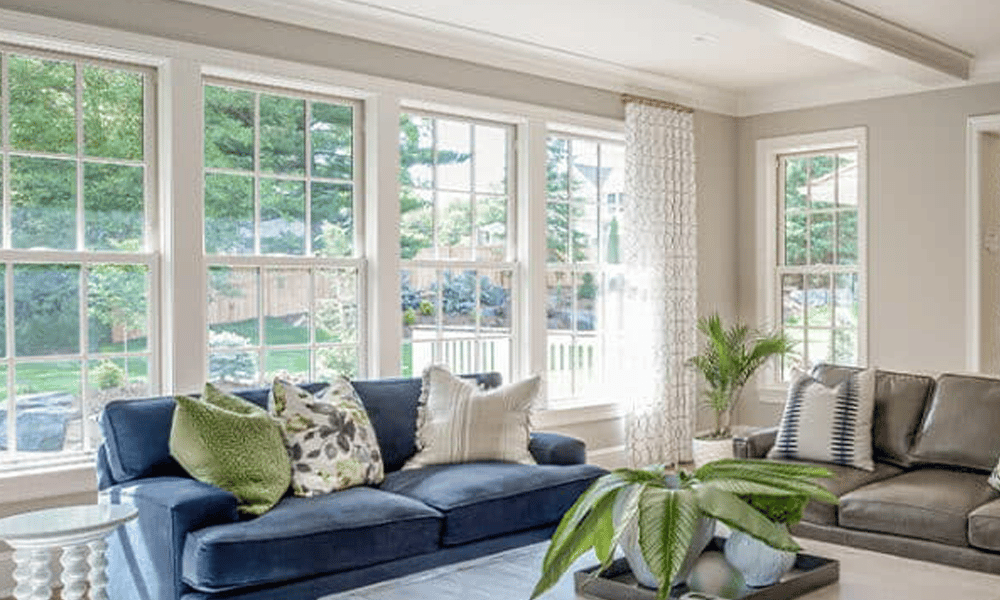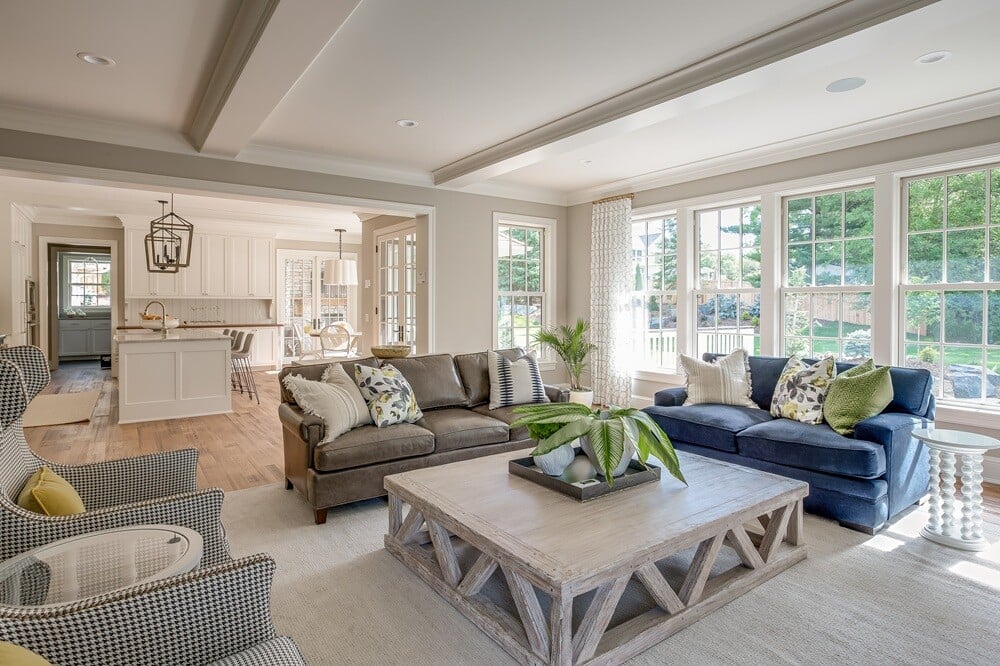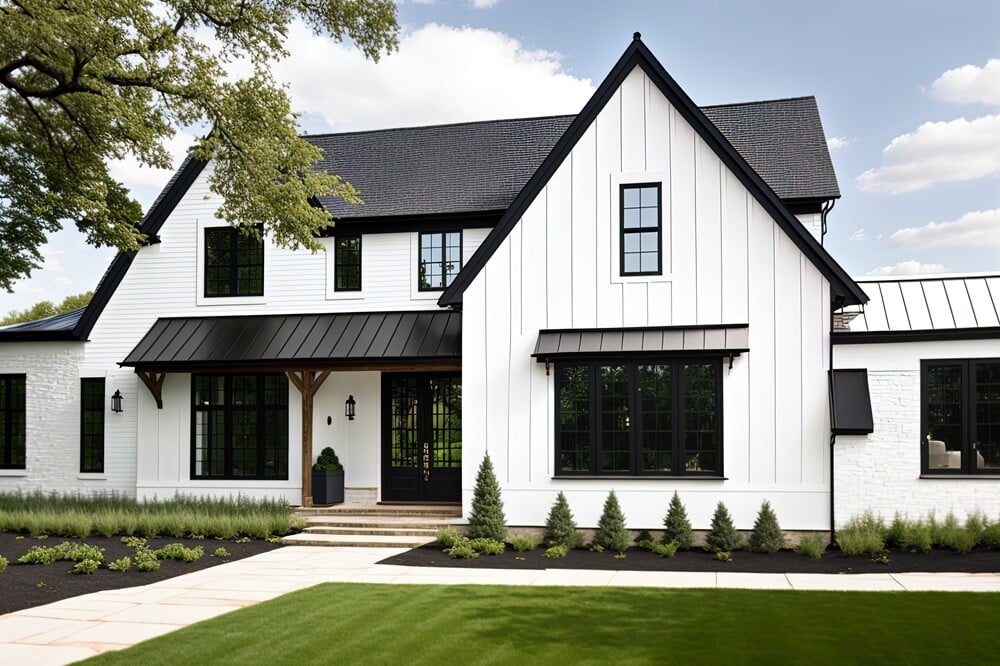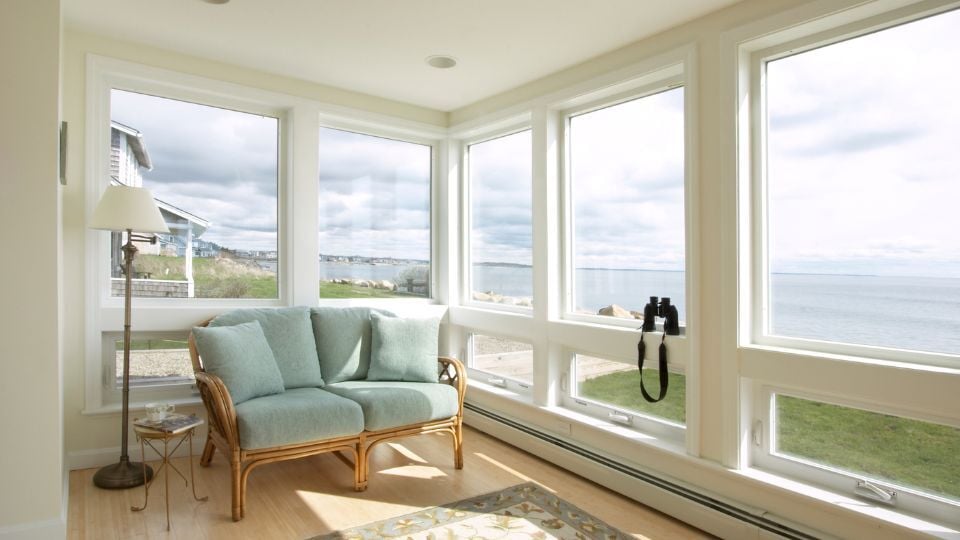

Executive Summary
Choosing replacement windows is easier when you start with what you need the window to do.
Here is the quick version:
| Window Style | Best When You Want |
|---|---|
| Double-hung | Versatility, ventilation, and easier interior cleaning |
| Picture | Maximum glass, natural light, and an unobstructed view |
| Awning | Ventilation in a compact opening or during light rain |
| Slider | Easy horizontal operation and a wider view |
| Casement | Strong ventilation and crank operation |
| Bay | A dramatic focal point, wider views, and added interior dimension |
| Bow | A softer curved appearance and expansive views |
| Garden | A projecting display area for plants or décor |
The right style also depends on the room, opening size, exterior clearance, ventilation needs, architectural style, budget, and whether you want an operating or fixed window.
Joyce Windows, Sunrooms & Baths offers custom replacement windows in traditional and specialty styles through its Heritage, Eloquence, and Specialty collections.
Not sure which style fits your project? Use the Joyce Window Cost Calculator for a ballpark estimate, or book a design consultation to compare options for your home.
How Do You Choose the Right Replacement Window Style?
Do not start with appearance alone.
Ask these six questions:
- Do I want this window to open?
- How much ventilation do I need?
- How important is an unobstructed outdoor view?
- Is the window easy or difficult to reach?
- Is there enough exterior space for a window that swings outward?
- Do I want the replacement to match the existing architecture or create a new focal point?
Two windows can fit the same opening yet make the room function very differently.
A picture window maximizes glass but does not open. A casement can provide ventilation with a crank. A double-hung offers two movable sashes. A bay or bow window changes the shape of the opening and may require additional structural planning.
That is why window style should be selected along with the glass package, frame construction, custom sizing, installation method, and budget.
8 Replacement Window Styles at a Glance
| Style | Opens? | Ventilation | View | Good Fit For |
|---|---|---|---|---|
| Double-hung | Yes | Very flexible | Good | Bedrooms, living rooms, traditional homes |
| Picture | No | None | Excellent | Living rooms, foyers, scenic views |
| Awning | Yes | Good | Good | Bathrooms, basements, companion windows |
| Slider | Yes | Good | Wide | Wider openings, contemporary layouts |
| Casement | Yes | Excellent | Excellent | Kitchens, hard-to-reach areas, feature combinations |
| Bay | Usually side units can open | Varies | Panoramic | Living rooms, dining areas, focal points |
| Bow | Depends on configuration | Varies | Panoramic | Larger rooms, traditional or elegant designs |
| Garden | Usually selected sections open | Moderate | Bright, dimensional | Kitchens, plants, display areas |
1. Double-Hung Windows: A Versatile All-Around Choice
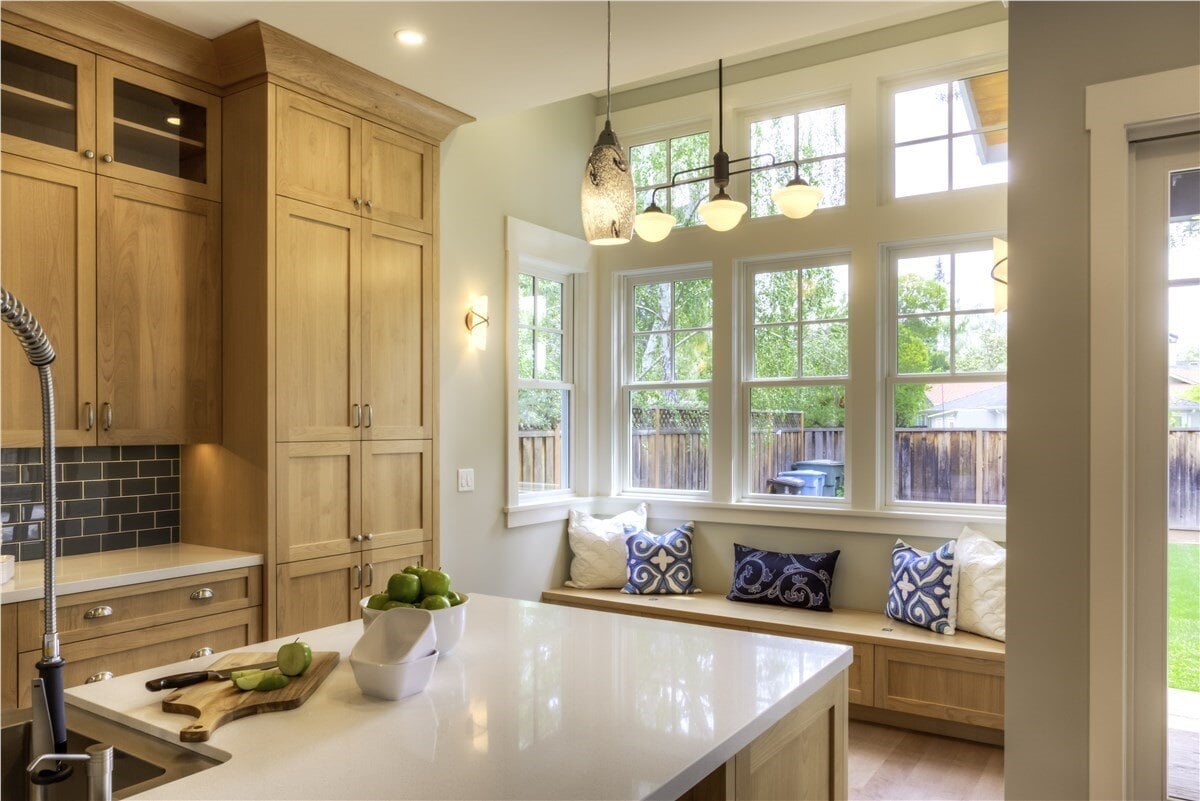
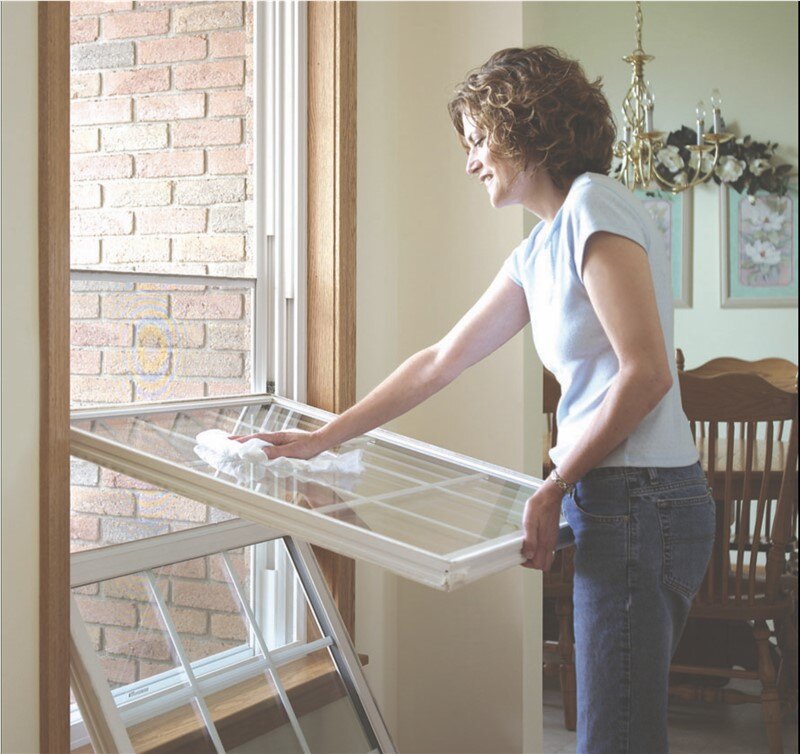
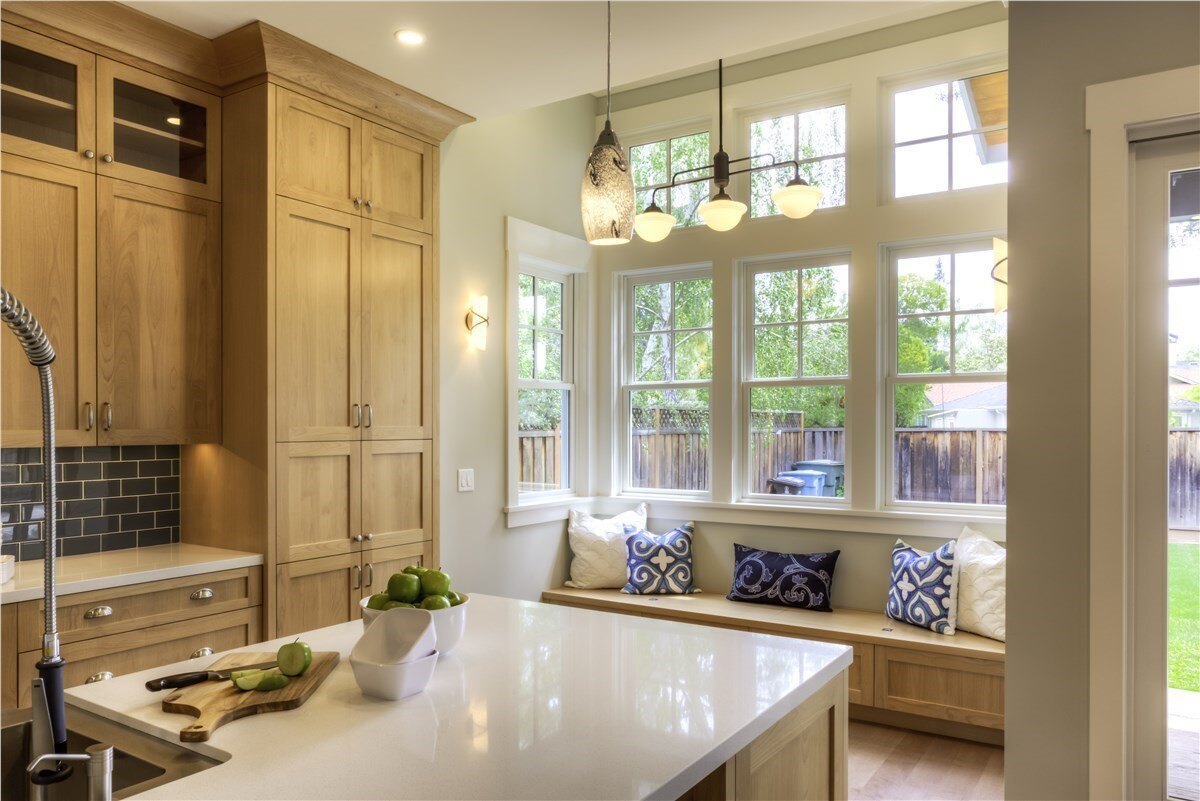
A double-hung window has two operable sashes. The lower sash moves upward and the upper sash moves downward. Joyce double-hung windows are also designed for convenient ventilation and interior cleaning.
Double-hung windows work well when you want a familiar style that can fit many rooms and home designs.
Double-hung windows may be a good choice for:
- Bedrooms
- Living rooms
- Dining rooms
- Home offices
- Hallways
- Traditional or transitional homes
- Upper-story locations
Because both sashes move, you have more control over where air enters the room.
They are also useful where an outward-swinging window would interfere with a patio, walkway, landscaping, or other exterior space.
Choose double-hung when:
You want a flexible, traditional window that opens without projecting outside the home.
Consider another style when:
Your main priority is the largest possible uninterrupted glass area. A picture or casement window may provide a cleaner view.
2. Picture Windows: Best for Views and Natural Light
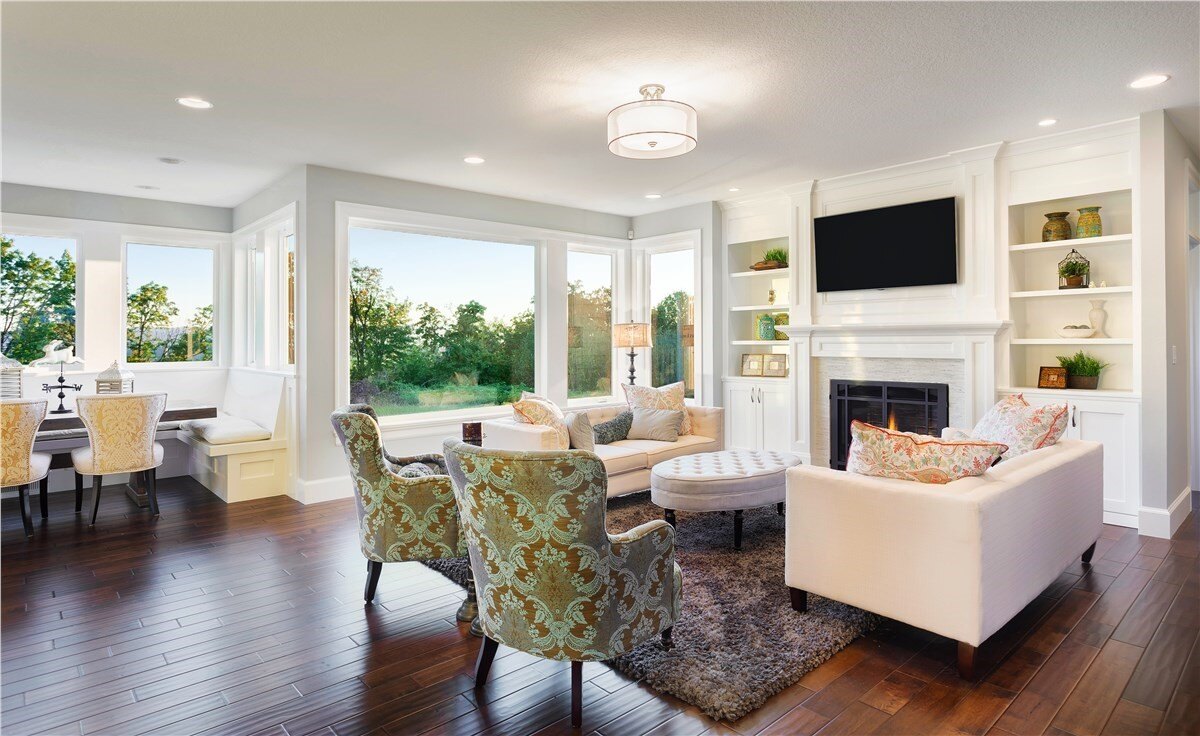
A picture window is fixed, meaning it does not open.
Its main advantage is simplicity: a large area of glass without an operating sash interrupting the view. Joyce describes picture windows as fixed windows designed to provide an unobstructed view and natural light.
Picture windows may work well in:
- Living rooms
- Family rooms
- Dining rooms
- Stairwells
- Foyers
- Rooms overlooking a yard or landscape
- Larger window combinations
A picture window can also be paired with operable windows.
For example, a large fixed center window can be combined with casements or double-hung windows on either side. This lets you preserve the main view while still providing ventilation.
Choose a picture window when:
Natural light and the outdoor view matter more than opening the window.
Consider another style when:
The room depends on that opening for ventilation.
3. Awning Windows: Compact Ventilation With a Top Hinge
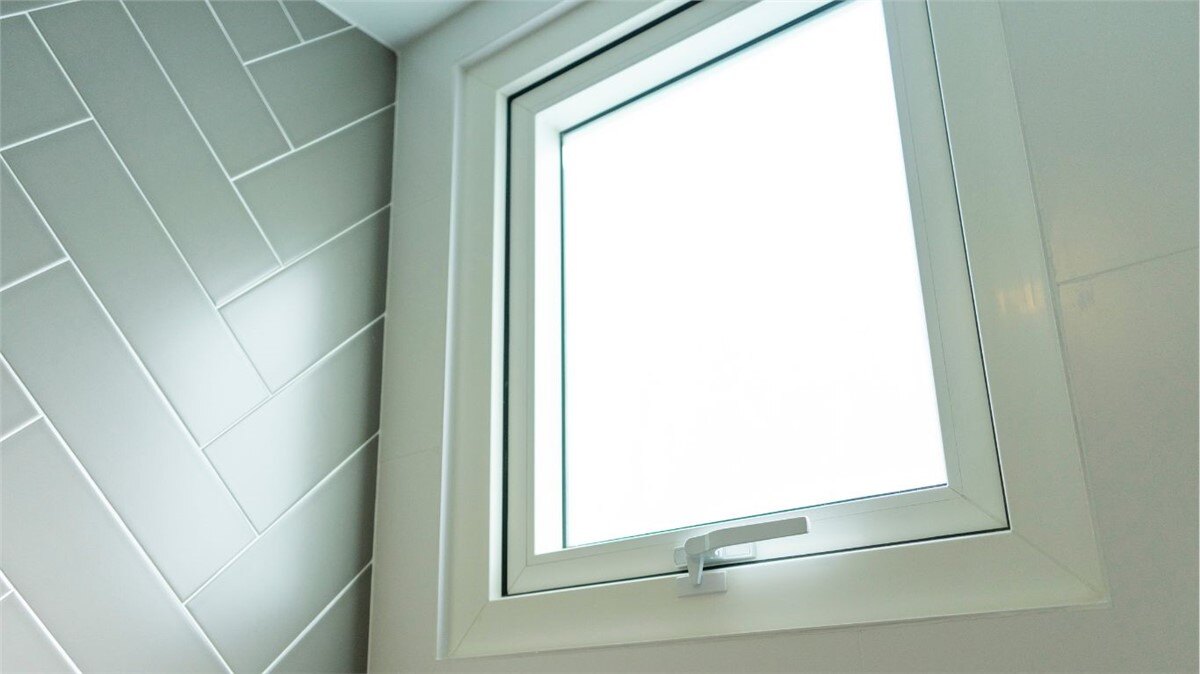
An awning window is hinged at the top and opens outward from the bottom.
Joyce highlights awning windows for ventilation and notes that their design can allow the window to remain partly open during light rain.
Because of their shape and operation, awning windows can work well in smaller or specialized openings.
Common locations include:
- Bathrooms
- Basements
- Above or below larger fixed windows
- Bedrooms
- Areas where you want some ventilation without a tall operating sash
They can also be incorporated into a larger custom window design.
Choose an awning window when:
You want ventilation in a shorter or more compact opening.
Consider another style when:
The window opens toward a walkway, deck, or other location where the outward-projecting sash would be inconvenient.
4. Slider Windows: A Practical Choice for Wide Openings
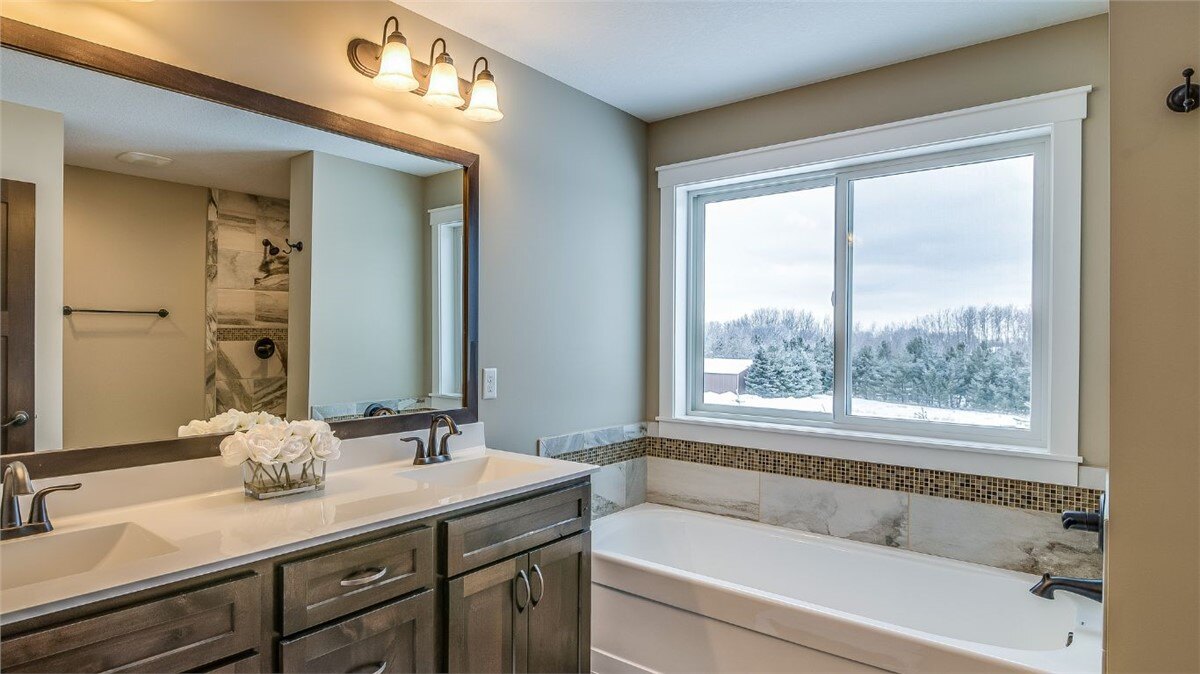
Slider windows move horizontally along a track.
Joyce currently describes sliders as windows with sashes that glide horizontally, providing easy operation and a wide view.
Their shape often works particularly well in openings that are wider than they are tall.
Slider windows may be useful in:
- Bedrooms
- Basements
- Family rooms
- Kitchens
- Ranch-style homes
- Contemporary homes
- Wide wall openings
Because the sash does not swing inward or outward, a slider also works where exterior clearance is limited.
Choose a slider when:
You want straightforward horizontal operation and a relatively wide view.
Consider another style when:
You prefer a more traditional vertical appearance or want ventilation from both the top and bottom of the opening.
5. Casement Windows: Strong Ventilation and Easy Crank Operation
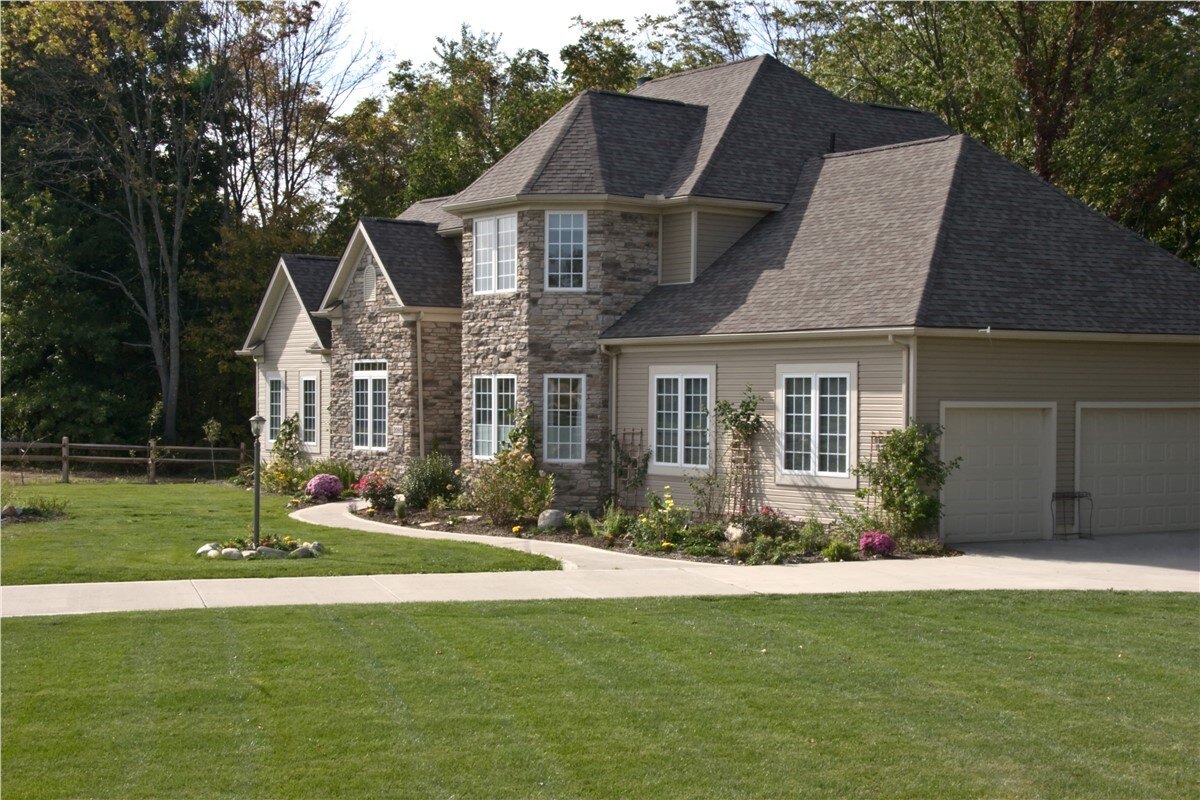
Casement windows are hinged on one side and open outward using a crank.
Joyce describes casements as providing strong ventilation and a clear view.
Crank operation can also make them convenient in locations where lifting a sash would be difficult.
Casement windows can work well:
- Above kitchen sinks
- Above countertops
- In home offices
- In bedrooms
- Alongside picture windows
- Where you want a large glass area with ventilation
Because the entire sash opens outward, casements can provide generous airflow.
Choose casement windows when:
Ventilation, a clean view, and easy crank operation are priorities.
Consider another style when:
The window faces a narrow walkway, deck, or patio where the open sash could interfere with movement.
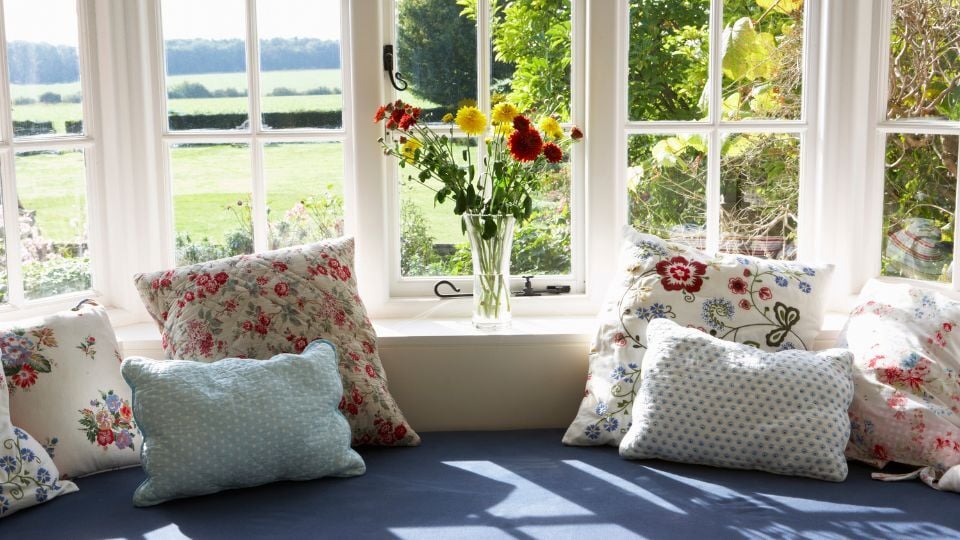
6. Bay Windows: Add Dimension and a Panoramic View
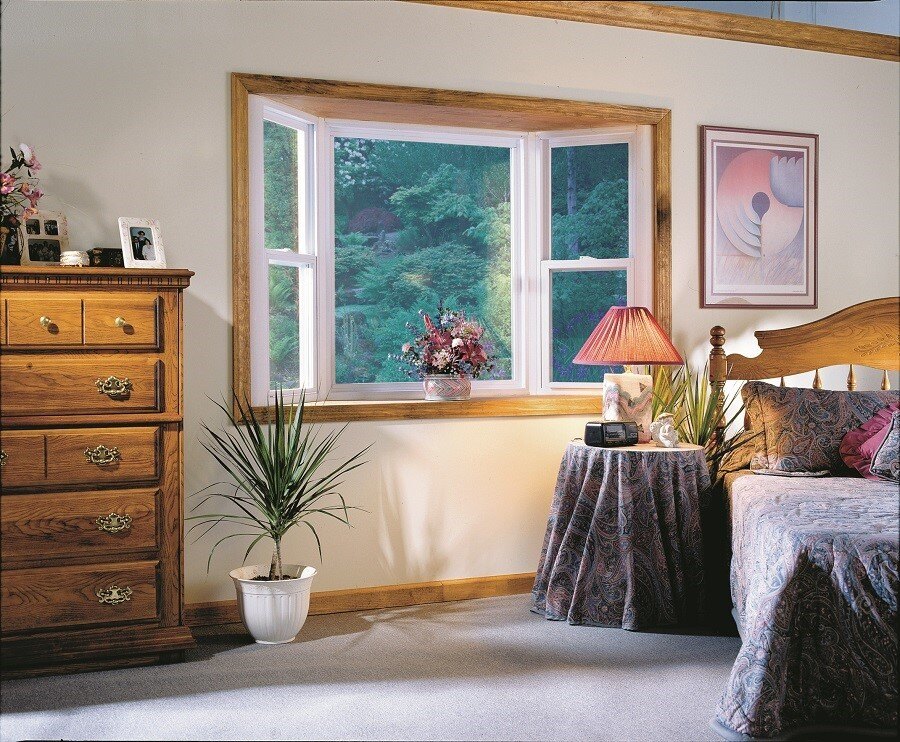
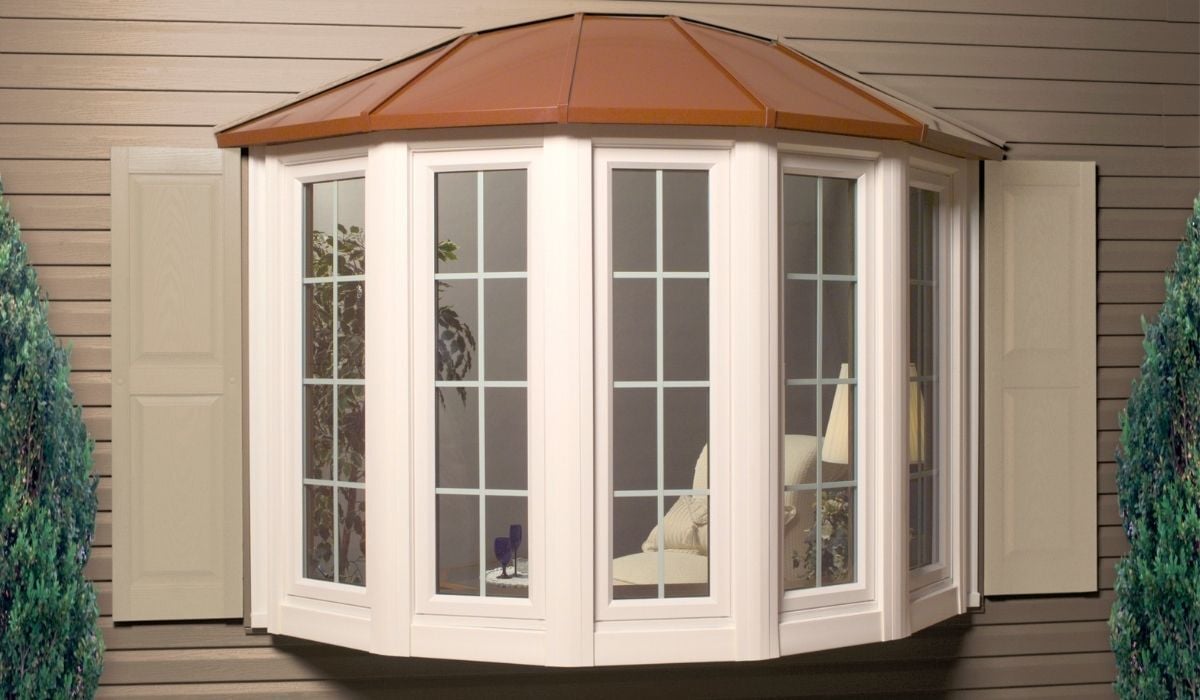
A bay window projects outward from the exterior wall.
A typical bay configuration uses three main sections: a larger center unit and two angled side units. The side units may be operable depending on the selected configuration.
Joyce positions bay windows as specialty windows that add interior dimension, panoramic views, natural light, and architectural interest.
Bay windows often work well in:
- Living rooms
- Dining rooms
- Family rooms
- Primary bedrooms
- Front elevations
- Rooms where you want a strong architectural feature
The projection may create usable interior depth for a seat, shelf, or decorative area, depending on the design.
Choose a bay window when:
You want a noticeable architectural change and views in several directions.
Consider another style when:
Wall space, structural conditions, or project budget make a projecting specialty window impractical.
Joyce notes that some bay and bow installations may require additional framing or support depending on size and weight.
7. Bow Windows: A Softer Curved Feature
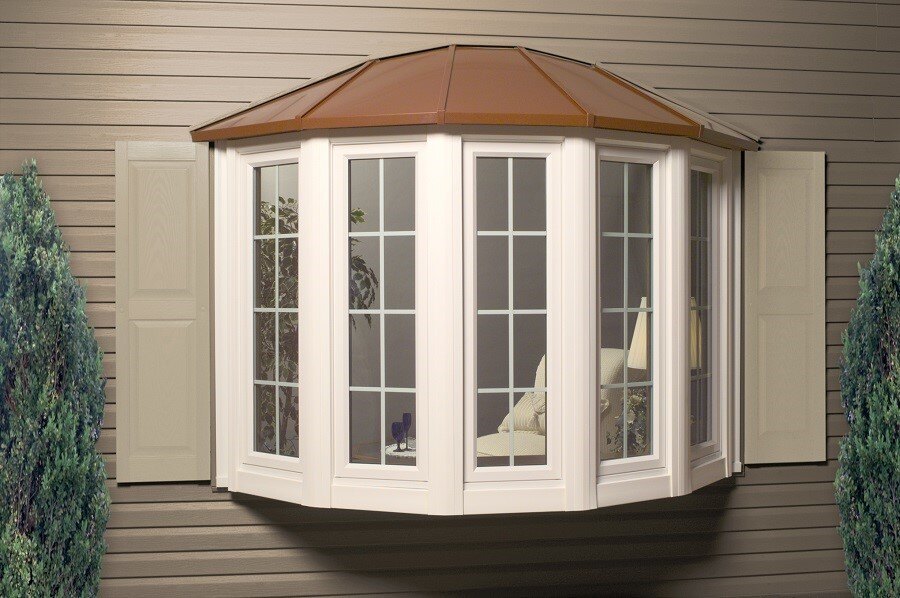
A bow window also projects outward, but instead of the more angular shape of a bay window, it uses multiple window sections arranged in a gentle curve.
Joyce describes bow windows as specialty windows that create a curved focal point with expansive views and natural light.
The number and type of units in a bow window can vary. Do not assume every bow window has exactly four panels or exactly two operating sections.
Bow windows may work well in:
- Living rooms
- Formal dining rooms
- Larger bedrooms
- Traditional homes
- Rooms where a softer architectural appearance fits the exterior
Choose a bow window when:
You want a rounded, elegant projection with a broad field of view.
Consider another style when:
You want a simpler, lower-cost replacement or the existing wall cannot support the proposed configuration without substantial modification.
8. Garden Windows: Light Plus Display Space
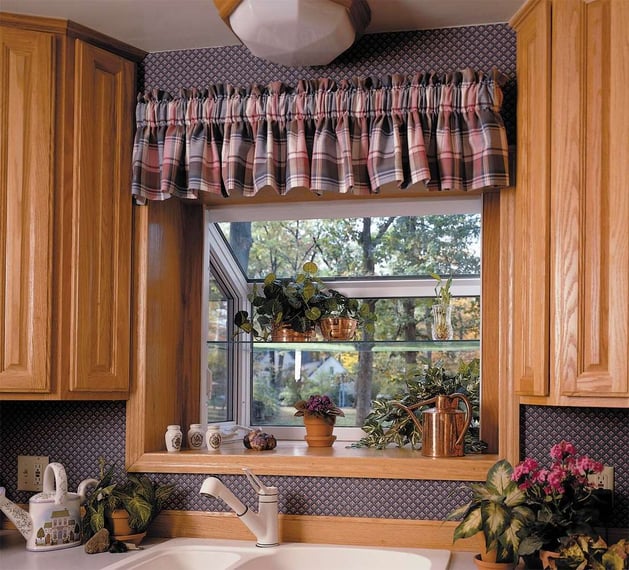
Garden windows project outward from the home and create a small shelf or display area inside.
They are especially popular in kitchens because the projecting glass can create a bright spot for plants, herbs, or decorative items.
Joyce offers garden windows within its Specialty collection and describes them as bright, sun-filled windows that add charm and dimension.
Garden windows may work well:
- Above a kitchen sink
- In a breakfast area
- Where you grow small herbs or plants
- In a room where you want extra display space
- Where a small projecting feature complements the home
Choose a garden window when:
You want both natural light and a usable interior display area.
Consider another style when:
The exterior projection would interfere with a walkway, landscaping, or other structure.
Which Window Style Is Best for Each Room?
There is no rule that says one room must use one particular window, but these combinations can help narrow your choices.
Best windows for a living room
Consider:
- Picture windows for a large view
- Bay or bow windows for architectural impact
- Double-hung windows for traditional versatility
- Picture-and-casement combinations for views plus ventilation
Best windows for a kitchen
Consider:
- Casement windows over a sink or countertop
- Garden windows for herbs or plants
- Sliders where the opening is wide
- Picture windows when ventilation comes from another opening
Best windows for a bedroom
Consider:
- Double-hung windows
- Casement windows
- Sliders
Bedroom windows may also have to meet applicable emergency escape and rescue-opening requirements, so size and operation should be reviewed as part of the project.
Best windows for a bathroom
Consider:
- Awning windows
- Double-hung windows
- Specialty or privacy-glass configurations when available
Ventilation, privacy, and moisture are often important considerations.
Best windows for a basement
A slider or awning window may fit a short, wide basement opening.
If a basement window is intended to serve as an emergency escape opening, the complete installation must meet applicable local requirements.
Which Window Gives You the Most Ventilation?
If ventilation is your top priority, start by comparing casement and double-hung windows.
Casement windows open much of the sash area outward, which can provide substantial airflow.
Double-hung windows allow you to open the upper sash, lower sash, or both.
Awning windows can also provide useful ventilation in smaller openings.
The best option depends on:
- Window size
- Direction of prevailing breezes
- Exterior obstacles
- Room layout
- Screen configuration
- How easily you can reach the window
Which Window Gives You the Best View?
For the least interrupted view, consider:
- Picture windows
- Casement windows
- Bay or bow combinations
Picture windows provide the simplest view because they do not require an operating sash.
Bay and bow windows provide a broader field of view because the window projects beyond the exterior wall.
Which Window Style Is Easiest to Operate?
Ease of operation depends partly on the homeowner.
A crank-operated casement may be easier over a kitchen sink because you do not have to reach forward and lift a sash.
A slider may feel simple because it moves horizontally.
A double-hung window provides familiar operation but requires vertical sash movement.
During a design consultation, physically operate samples instead of deciding only from photographs.
Which Replacement Windows Are Easiest to Clean?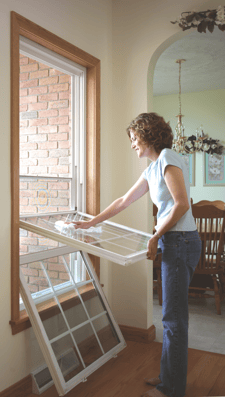
Joyce double-hung windows are designed with operable sashes that support interior cleaning.
Fixed picture windows have no tracks or operating hardware to clean, although the exterior glass still needs to be accessible.
Casement and awning windows have operating hardware that should be kept clean according to the manufacturer's care instructions.
No window is completely maintenance-free. Frames, glass, weatherstripping, tracks, screens, hardware, and exterior sealant may all need periodic cleaning or inspection.
Can You Change Window Styles When Replacing Windows?
Often, yes.
A replacement project does not always have to reproduce the exact style that is already in the opening.
For example, you may be able to change: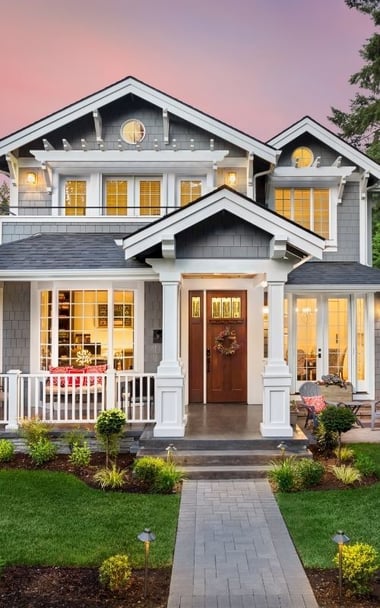
- A double-hung window to a casement
- Two smaller windows to a larger combination
- A flat opening to a bay or bow configuration
- A standard kitchen window to a garden window
- A group of operating windows to a picture-window combination
However, some changes may affect:
- Framing
- Structural support
- Exterior siding or brick
- Interior trim
- Opening dimensions
- Egress requirements
- Installation cost
Specialty windows such as bay and bow designs may require additional support depending on the size and structure.
A design consultation should determine what is practical for the existing opening.
Does Window Style Affect Replacement Cost?
Yes.
Joyce's current Window Cost Calculator identifies style, size, quantity, glass package, colors, grids, and installation needs as factors that affect project pricing.
A standard double-hung window will not necessarily cost the same as:
- A large casement
- A bay window
- A bow window
- A garden window
- A custom shape
- A specialty glass configuration
Specialty windows also tend to require more product and installation planning than standard flat units. Joyce specifically notes that bay, bow, garden, and shaped windows are specialty choices and may not fit every home's structure or budget.
See What Your Window Project Could Cost
Use the Joyce Window Cost Calculator to select your window styles and receive a ballpark range. Exact pricing requires an in-home evaluation and final measurements.
What Else Matters Besides Window Style?
Style is only one decision.
A good replacement-window comparison should also include:
Window collection
Joyce currently offers three broad groups:
- Eloquence: positioned around premium performance, contemporary design, and advanced features
- Heritage: positioned around classic styling, durable performance, and value
- Specialty: bay, bow, garden, shaped, and custom designs
Glass package
Compare:
- Number of panes
- Low-E coatings
- Insulating gas
- U-factor
- Solar heat gain coefficient
- Visible transmittance
Use the ratings for the exact window configuration rather than assuming every style performs identically.
Color and grids
The same window style can look very different depending on:
- Interior finish
- Exterior finish
- Grid pattern
- Hardware
- Trim
Custom sizing
Joyce replacement windows are custom made for the specific openings and selected project goals.
Installation
Even the right window style can disappoint if the opening is measured incorrectly or the unit is poorly installed.
Ask how the opening will be prepared, insulated, sealed, finished, and inspected.
How Joyce Helps Homeowners Choose Replacement Windows
Joyce Windows, Sunrooms & Baths manufactures replacement windows in its own factory and currently offers Heritage, Eloquence, and Specialty window collections. Its main window line includes double-hung, slider, picture, casement, and awning styles, while specialty offerings include bay, bow, garden, and custom-shaped windows.
Joyce was founded in 1955 and remains a third-generation, family-owned remodeling company serving supported areas of Ohio, Pennsylvania, North Carolina, and South Carolina.
During a window design consultation, homeowners can compare:
- Window style
- Collection
- Glass options
- Colors
- Grids
- Ventilation
- Cleaning and operation
- Custom sizing
- Installation needs
- Project pricing
Get an Instant Ballpark Estimate
Use the Joyce Window Cost Calculator to compare window styles and see what your project could cost.
Meet with a Joyce window specialist to see product samples, evaluate your current openings, and select the styles that fit your home and goals.

Frequently Asked Questions
What is the most popular replacement-window style?
Double-hung windows are a versatile choice because they work with many architectural styles and provide two operable sashes. The best style for a specific home still depends on the opening and homeowner's priorities.
What is the difference between single-hung and double-hung windows?
A single-hung window has one operable sash. A double-hung window has two operable sashes that move vertically.
Which replacement window gives the clearest view?
A fixed picture window generally provides the most uninterrupted view because it has no operating sash.
Which window is best over a kitchen sink?
A casement window can be convenient over a sink because it opens with a crank. A garden window is another option when the homeowner wants a projecting shelf for plants or décor.
Which windows provide the most ventilation?
Casement and double-hung windows are strong options. Casements open outward, while double-hung windows allow the upper sash, lower sash, or both to be opened.
What is the difference between a bay and bow window?
A bay window generally uses three sections arranged in a more angular projection. A bow window typically uses four or more sections arranged in a gentler curve.
Are bay and bow windows more expensive?
They generally involve more materials and installation work than standard flat windows. Final price depends on size, configuration, glass, structural conditions, and finishing.
Can I replace a double-hung window with a casement window?
Often, but the opening, dimensions, exterior conditions, operation, code requirements, and installation method must be evaluated first.
Are garden windows only for kitchens?
No. Kitchens are common because garden windows provide a convenient plant or display area, but they can be used elsewhere when the opening and exterior projection make sense.
Can Joyce change the style of my existing windows?
Depending on the opening and structural conditions, Joyce can help evaluate alternative styles during a design consultation. Specialty changes may require additional framing or support.
Does window style affect energy efficiency?
It can affect overall performance, but style is only one factor. Glass, frame construction, seals, weatherstripping, size, installation, and the exact product configuration also matter.
How can I estimate the cost of different window styles?
The Joyce Window Cost Calculator allows homeowners to choose window style, quantity, and other options to receive a ballpark project range.
Final Takeaway
The best replacement window is the one that fits both the opening and the way you use the room.
A simple way to narrow your choices is:
- Choose double-hung for versatile ventilation and familiar operation.
- Choose picture for maximum views and light.
- Choose awning for compact ventilation.
- Choose slider for wider openings and horizontal operation.
- Choose casement for strong ventilation and crank operation.
- Choose bay for an angular architectural focal point.
- Choose bow for a softer curved projection.
- Choose garden for light plus usable display space.
Then compare glass, color, grids, custom sizing, installation, warranty, and price before making the final decision.
Ready to narrow down your options? Use the Joyce Window Cost Calculator or book a design consultation to compare replacement-window styles for your home.

Topics: