
Executive Summary
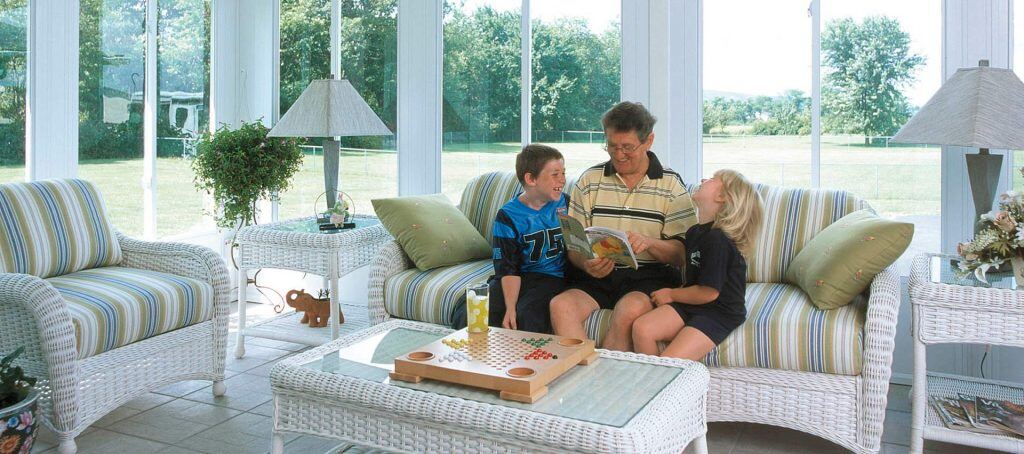
A solarium is a glass-heavy enclosure that typically has glass walls and a glass roof. Its main purpose is to maximize sunlight and provide wide views of the sky and surrounding landscape.
A sunroom is a broader type of home addition. It usually combines large windows with a solid roof and may be designed for seasonal or broader year-round use.
A solarium may appeal to homeowners who want dramatic architecture and maximum overhead light. A sunroom is often the more practical choice when comfort, shade, insulation, easier maintenance, and architectural flexibility are higher priorities.
Joyce Windows, Sunrooms & Baths designs and manufactures custom three-season and four-season sunrooms, patio and deck enclosures, screen rooms, and patio covers. Joyce does not currently advertise traditional all-glass-roof solariums.
What Is a Solarium?
A solarium is a room enclosed primarily with glass.
Most solariums have:
- Glass walls
- A glass roof
- Minimal solid wall area
- Wide views of the sky
- A greenhouse-like or conservatory-inspired appearance
Some solariums are attached to a home, while others may be freestanding structures.
The word comes from the idea of a room designed around sunlight. Solariums are sometimes confused with conservatories, greenhouses, sunrooms, and glass rooms because those terms are used differently by manufacturers and contractors.
Before requesting quotes, ask each company to describe the actual structure rather than relying only on the room name.
What Is a Sunroom?
A sunroom is an enclosed room designed to bring in natural light and outdoor views while providing more protection than an open deck or patio.
.jpg?width=346&height=258&name=Under%20Existing%202600SL%20in%20white%20(2).jpg)
Sunrooms commonly include:
- Large windows
- Operable windows and screens
- A solid roof
- Insulated or non-insulated wall systems
- Exterior doors
- Seasonal or year-round comfort options
The term can include several room types:
Three-season sunroom
A three-season room is generally designed for spring, summer, and fall. It provides more weather protection than a screen room but may not be intended for consistent winter comfort.
Four-season or year-round sunroom
A year-round sunroom uses stronger insulation, higher-performing glass, and more advanced roof and wall systems. Heating and cooling may also be included or planned separately, depending on the design and local requirements.
Patio or deck enclosure
An existing covered patio or suitable deck may sometimes be enclosed with sunroom walls, windows, and doors.
Screen room
A screen room provides shade, airflow, and insect protection without the glass and insulation of a full sunroom.
Joyce currently offers all of these options except the traditional all-glass-roof solarium.
Solarium vs. Sunroom at a Glance
| Feature | Solarium | Three-season sunroom | Year-round sunroom |
|---|---|---|---|
| Roof | Usually glass | Usually solid | Insulated solid roof |
| Walls | Mostly glass | Large windows and framed walls | High-performance windows and insulated framing |
| Overhead sky view | Extensive | Limited | Limited |
| Shade | Usually requires shades or exterior controls | Solid roof provides shade | Solid insulated roof provides shade |
| Seasonal comfort | Can experience strong temperature swings | Best in moderate seasons | Designed for broader seasonal use |
| Maintenance | Glass roof requires regular cleaning and inspection | Window and exterior cleaning | Window, roof, seal, and mechanical maintenance |
| Glare and solar heat | Often higher | More controlled | More controlled through roof and glass selections |
| Architectural flexibility | Best for homes suited to glass-roof connections | Works with many home styles | Works with many home styles |
| Typical project complexity | High | Moderate | High |
| Joyce offering | Not currently advertised | Yes | Yes |
This comparison is general. The actual performance of any room depends on its glass, roof, framing, orientation, insulation, ventilation, installation, and local climate.
What Is the Biggest Difference Between a Solarium and a Sunroom?
The roof is usually the clearest difference.
A solarium typically has a glass roof. A sunroom usually has a solid roof.
That one design decision affects:
- The amount of overhead light
- Solar heat gain
- Glare
- Shade
- Roof insulation
- Cleaning
- Snow and debris visibility
- Leak and seal-management requirements
- Architectural appearance
- Project cost
A glass roof can create a striking view of the sky. A solid insulated roof can make it easier to manage heat, shade, and comfort.
Which Room Provides More Natural Light?
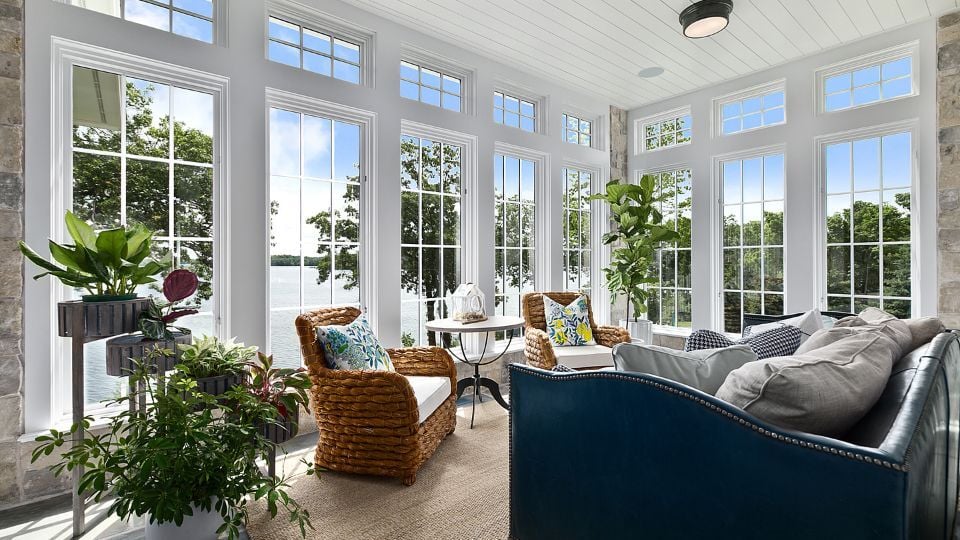
A solarium generally provides more total glass area and more overhead light.
This can be appealing for:
- Plant collections
- Garden-style rooms
- Reading
- Stargazing
- Homes with shaded yards
- Dramatic architectural designs
- Spaces where sky views are a priority
More glass is not automatically better for every homeowner.
Overhead glass may also create:
- Strong glare
- More direct solar heat
- Greater fading exposure
- The need for custom shades
- More visible dirt and debris
- Greater cleaning difficulty
A sunroom with large wall windows can still provide substantial natural light while using a solid roof to control overhead sun.
Related Article: Fall Sunroom Lighting Ideas
Which Is More Comfortable?
A well-designed year-round sunroom will usually be easier to manage for seasonal comfort than an all-glass solarium.
A glass roof can admit substantial solar heat during sunny weather and lose heat during cold weather. Actual performance depends on the glass package, coatings, framing, ventilation, shading, room orientation, and mechanical systems.
A year-round Joyce sunroom may include:
- SmartShield Glass options
- A ClimateMaster® insulated roof
- Vinyl wall systems
- Insulation packages
- Operable windows
- On-demand heating and cooling options
Joyce describes its three-season rooms as suitable mainly for spring through fall and its four-season rooms as designed for broader year-round comfort.
No room should be described as comfortable in every condition without considering the local climate and complete design.
Which Room Is Easier to Maintain?
A traditional sunroom with a solid roof will usually be easier to clean than a room with overhead glass.
Solarium maintenance may include:
- Cleaning exterior roof glass
- Removing leaves and debris
- Inspecting overhead seals
- Managing water drainage
- Cleaning interior glass
- Maintaining shades
- Inspecting framing and joints
- Addressing condensation
Roof-glass access can require specialized equipment or professional cleaning.
Sunroom maintenance may include:
- Cleaning windows and screens
- Inspecting roof and gutters
- Checking exterior seals
- Cleaning frames
- Maintaining doors and hardware
- Following glass-care instructions
- Servicing heating or cooling equipment, when included
A sunroom is not maintenance-free. It simply avoids some of the cleaning and seal challenges associated with a large glass roof.
Which Room Handles Snow and Rain Better?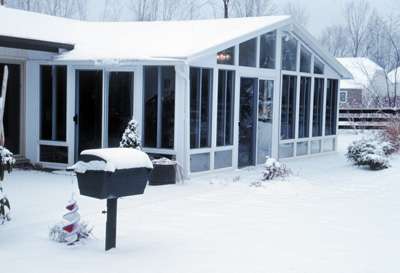
Both types must be engineered for local weather and code requirements.
A solid sunroom roof may make it easier to:
- Direct rain into a conventional gutter system
- Insulate against outdoor temperatures
- Conceal leaves, dirt, and roof debris from interior view
- Design for regional snow and ice loads
- Reduce direct solar exposure
A glass roof must also be engineered for rain, wind, snow, impact, drainage, and thermal movement. The glass and framing must be approved for overhead use.
Homeowners should ask any solarium contractor for:
- Engineering documentation
- Design-load information
- Overhead-glazing specifications
- Water-drainage details
- Glass-replacement procedures
- Seal warranties
- Snow and ice guidance
- Cleaning-access recommendations
Related Article: Three-Season vs Four-Season Sunroom
Which Room Works With More Home Styles?
A sunroom with a solid studio or gable roof can often be adapted to a wider range of rooflines and architectural styles.
Joyce offers two primary sunroom roof styles:
- Studio roof: A streamlined roof with a single slope
- Gable roof: A peaked roof that creates more interior height
Custom applications may also be available.
A solarium’s glass roof creates a distinctive modern or conservatory-style appearance. That may work beautifully on some homes but appear less integrated on others.
The room should be evaluated from both inside and outside the house.
Which Is Better for Plants?
A solarium can provide abundant light, but plant health depends on more than glass area.
Plants may also be affected by: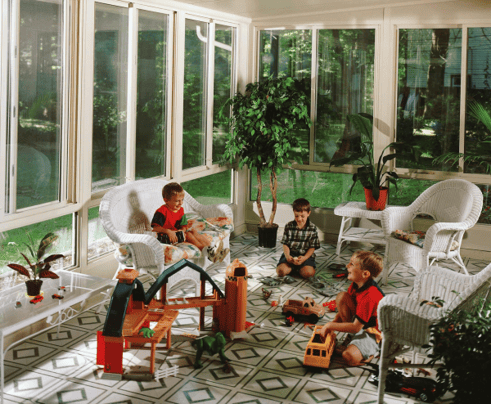
- Excessive heat
- Cold nighttime temperatures
- Direct afternoon sun
- Humidity
- Air circulation
- Glass coatings
- Room orientation
- Watering access
Some plants may thrive in bright filtered light rather than intense overhead sun.
A sunroom with adjustable window coverings, ventilation, and a controlled glass package may provide a more manageable environment for mixed plant collections.
Homeowners planning a dedicated plant room should discuss light exposure and temperature needs with both the room designer and a knowledgeable horticulture professional.
Related Article: Sunroom Design Ideas
Which Is Better for Entertaining?
Either room can work, depending on the desired experience.
A solarium may be appealing when:
- The dramatic glass architecture is central to the design.
- Sky views are important.
- The space will mainly be used during moderate weather.
- The homeowner accepts the need for shades and additional cleaning.
- A conservatory-like appearance suits the home.
A sunroom may be appealing when:
- The room will be used frequently.
- Shade is important.
- Furniture and television screens need glare protection.
- Greater seasonal comfort is a priority.
- The room should feel connected to the rest of the home.
- Easier maintenance is preferred.
Consider seating, lighting, outlets, window operation, acoustics, door placement, and traffic flow before choosing the room structure.
Which Costs More?
A glass-roof solarium often has a higher structural and glazing scope than a comparable sunroom, but there is no reliable rule that it will always cost twice as much.
The final price may depend on:
- Room size
- Foundation
- Engineering
- Type and amount of overhead glass
- Roof structure
- Glass coatings
- Wall and frame material
- Heating and cooling
- Electrical work
- Shades
- Doors
- Site access
- Home connection
- Local permits
- Installation complexity
Joyce currently publishes a broad planning range of approximately $40,000 to $90,000 for its sunrooms, including professional design, engineering, and installation. Screen rooms generally range from about $25,000 to $40,000, while patio covers range from about $10,000 to $30,000. Exact pricing requires an in-home evaluation.
Related Article: Sunroom Cost Explained
What Affects Sunroom Cost?
Joyce identifies several major cost factors:
- Room type
- Size
- Existing patio, deck, or foundation
- Roof style
- Glass package
- Insulation
- Electrical requirements
- Flooring and finishes
- Doors
- Connection to the house
- Permits
- Site access
- Installation complexity
Two rooms with similar dimensions may have significantly different prices because their structures and performance features differ.
Related Article: Why is a Sunroom So Expensive?
Does a Solarium Add More Home Value?
Neither room type guarantees a particular return on investment.
Resale response may depend on:
- Local buyer preferences
- Room quality
- Comfort
- Condition
- Maintenance requirements
- Architectural fit
- Permit and code compliance
- Year-round usability
- Remaining yard space
- Local market conditions
A glass solarium may create a stronger visual “wow” factor for some buyers. A practical, insulated sunroom may appeal to buyers who prioritize comfort and lower maintenance.
Plan the room mainly around how your household expects to use it. Treat any resale benefit as a possible advantage rather than a guaranteed financial return.
Does a Sunroom Count as Living Space?
Not automatically.
Whether a sunroom or solarium counts as conditioned living area may depend on:
- Foundation
- Insulation
- Heating and cooling
- Ceiling height
- Electrical service
- Building-code compliance
- Finished surfaces
- Access from the home
- Local appraisal and real-estate standards
Use the phrase “additional usable space” unless a qualified local professional confirms that the room qualifies as finished living area.
Which Room Offers Better Privacy?
A solid-roof sunroom may offer more options for controlling privacy.
Homeowners can use:
- Window shades
- Curtains
- Lower wall panels
- Selective window placement
- Landscaping
- Tinted or privacy glass
- Strategic furniture placement
A solarium with glass walls and roof may feel more exposed, particularly on small lots or in closely spaced neighborhoods.
Privacy needs should be considered during design rather than after installation.
Which Room Is More Energy Efficient?
No room type is automatically efficient merely because it is called a sunroom or solarium.
Performance depends on:
- Glass U-factor
- Solar heat gain coefficient
- Roof insulation
- Wall insulation
- Frame material
- Air leakage
- Room orientation
- Shading
- Installation
- Door performance
- Heating and cooling
A solid insulated roof generally offers more insulation and solar control than a glass roof.
Joyce’s year-round sunrooms use insulated roof and glass systems intended to provide stronger thermal performance than a basic seasonal enclosure.
Ask for documented performance information for the exact room configuration.
Related Article: Summer Energy Saving Tips In Windows
Can You Build Either Room on an Existing Deck or Patio?
Possibly.
The existing structure must be evaluated for:
- Framing capacity
- Footings
- Foundation condition
- Ledger connection
- Drainage
- Level
- Roof attachment
- Wind load
- Snow and ice load
- Local code compliance
Joyce states that many existing decks cannot support the added concentrated weight of an entire room and winter snow or ice without modification.
Do not assume that an existing patio or deck will reduce the project price until it has been inspected.
Related Article: Converting Existing Deck
What Does Joyce Offer Instead of a Solarium?
Joyce offers custom sunroom and enclosure options designed around different comfort levels and budgets.
Three-season sunrooms
Designed mainly for spring-through-fall enjoyment with large windows, screens, natural light, and weather protection.
Four-season sunrooms
Designed for broader year-round use with higher-performing glass, insulated roofing, and optional comfort upgrades.
Patio and deck enclosures
Existing suitable covered areas may be enclosed using Joyce sunroom wall systems.
Screen rooms
Designed for airflow, shade, insect protection, and seasonal outdoor living.
Patio and porch covers
Provide overhead shade and rain protection while leaving the sides open.
Joyce manufactures its sunroom wall systems at its factory in Berea, Ohio and coordinates design, manufacturing, installation, and warranty support.
How Should You Choose Between a Solarium and a Sunroom?
Choose a solarium when:
- A full view of the sky is a top priority.
- You want a dramatic glass structure.
- You accept additional cleaning and shade requirements.
- The home can support the structural and architectural design.
- You have reviewed overhead-glass replacement and warranty terms.
- Seasonal temperature swings are acceptable or have been addressed.
Choose a sunroom when:
- You want more shade.
- Seasonal or year-round comfort is a priority.
- You prefer a solid insulated roof.
- You want operable windows and screens.
- Easier cleaning is important.
- The room should blend with the home.
- You want several enclosure and budget options.
Questions to Ask a Sunroom or Solarium Contractor
- Is this structure technically a solarium, conservatory, or sunroom?
- Will the roof be glass or solid?
- What overhead-glazing system is used?
- What glass and roof performance ratings are available?
- How will the room manage summer heat and winter cold?
- Are shades included?
- How will roof glass be cleaned?
- How are failed overhead seals repaired?
- What structure or foundation is required?
- Can my existing patio or deck be reused?
- What engineering and permits are included?
- Which heating or cooling options are available?
- What maintenance is required?
- What product warranty applies?
- Does the warranty cover labor and glass replacement?
- Is the warranty transferable?
- What is the complete project schedule?
- What could increase the project price?
- Who handles service after installation?
- Can I see completed local projects of the same room type?
Solarium vs. Sunroom Planning Worksheet
| Planning question | Your answer |
|---|---|
| Is a view of the sky essential? | |
| Will the room be used seasonally or year-round? | |
| How important is shade? | |
| Are you comfortable cleaning overhead glass? | |
| Will plants be a primary use? | |
| Do you need heating or cooling? | |
| Is glare a concern? | |
| Are there nearby neighbors or privacy concerns? | |
| Is there an existing patio or deck? | |
| Which roof style fits the home? | |
| What is the comfortable planning budget? | |
| How much ongoing maintenance is acceptable? |

Frequently Asked Questions
Is a solarium the same as a sunroom?
Not exactly. A solarium is usually enclosed with glass walls and a glass roof. A sunroom is a broader category and normally has large windows with a solid roof.
Is a conservatory the same as a solarium?
The terms are sometimes used interchangeably. A conservatory often has a decorative glass roof and a more traditional architectural style, while “solarium” may describe a simpler modern glass structure. Ask the contractor for exact construction details.
Is a solarium hotter than a sunroom?
It may experience more solar heat because of the glass roof. Actual temperature depends on the glass, coatings, ventilation, orientation, shading, and climate-control system.
Can you use a solarium year-round?
Possibly, but year-round comfort requires appropriate glass, framing, ventilation, heating, cooling, shading, and local-climate design. The name alone does not guarantee year-round use.
Is a glass-roof solarium difficult to clean?
Overhead glass generally requires more effort to clean than a solid roof. Safe access, debris removal, drainage, and professional cleaning may need to be considered.
Is a sunroom cheaper than a solarium?
A sunroom may cost less than a comparable glass-roof solarium, but there is no universal price ratio. Size, foundation, glass, roof design, insulation, electrical work, and installation conditions affect both.
Does Joyce build solariums?
Joyce currently advertises three-season and four-season sunrooms, patio and deck enclosures, screen rooms, and patio covers. It does not advertise traditional all-glass-roof solariums.
How much does a Joyce sunroom cost?
Joyce currently publishes a general planning range of approximately $40,000 to $90,000 for sunrooms, including professional design, engineering, and installation. Exact pricing requires a site evaluation and custom design.
Can Joyce build on my existing patio or deck?
Possibly. The structure must first be evaluated for capacity, condition, drainage, code compliance, and its ability to support the proposed room.
What is the difference between a three-season and four-season sunroom?
A three-season room is designed mainly for spring, summer, and fall. A four-season room uses more insulation and higher-performing components for broader year-round comfort.
The Bottom Line
A solarium and a sunroom can both create a bright space that connects the home with the outdoors.
The main difference is the roof.
A solarium typically uses overhead glass to maximize sky views and sunlight. A sunroom generally uses a solid roof to provide more shade, insulation, architectural flexibility, and manageable maintenance.
A solarium may be the right choice when dramatic glass architecture is the main goal. A three-season or four-season sunroom is often the more practical choice when comfort, everyday use, easier cleaning, and integration with the home matter most.
Joyce Windows, Sunrooms & Baths helps homeowners compare seasonal sunrooms, year-round sunrooms, screen rooms, patio enclosures, and patio covers based on the home, climate, intended use, and budget.
Book a Sunroom Design Consultation
Need help understanding the likely investment?
Looking for room styles and design inspiration?
Topics: