
Executive Summary
A sunroom addition can create a bright, flexible space for relaxing, dining, entertaining, working, or enjoying backyard views with more protection from insects and changing weather.
The most important decision is choosing the right type of room.
A three-season sunroom is generally designed for spring, summer, and fall. A four-season or year-round sunroom includes more insulation and higher-performing materials for broader use during hot and cold weather.
Before investing, homeowners should consider the room’s purpose, orientation, foundation, roof, glass, heating and cooling needs, permits, maintenance, and total project cost.
Joyce Windows, Sunrooms & Baths designs, manufactures, and installs custom three-season and four-season sunrooms, screen rooms, patio and deck enclosures, and patio covers.
Is a Sunroom Addition Worth Considering?
A sunroom may be worth considering when you want more usable space and natural light but still want a strong visual connection to the outdoors.
Unlike an open deck or patio, an enclosed sunroom can provide greater protection from rain, wind, insects, leaves, and seasonal temperature changes.
The exact benefits depend on the room type and how it is built. A screen room will not offer the same weather protection as a glass-enclosed three-season room. A three-season room will not provide the same winter comfort as a properly designed four-season room.
The strongest investment is a room that matches how your household actually plans to use it.
1. A Sunroom Creates a Bright, Flexible Place to Use Every Day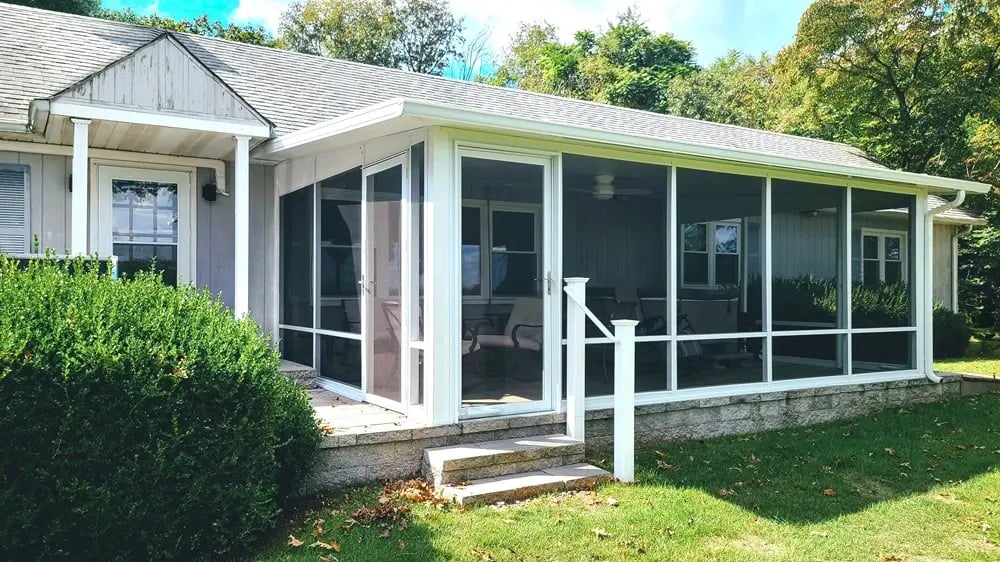
One of the biggest advantages of a sunroom is versatility.
Depending on its size, layout, and comfort level, the room may become:
- A reading area
- A breakfast room
- A casual dining space
- A family gathering room
- A home office
- An exercise area
- A plant room
- A hobby or craft space
- A playroom
- A game room
- A quiet place for morning coffee
- A place to watch birds or wildlife
The room does not have to serve only one purpose. Flexible furniture, thoughtful lighting, and well-planned traffic flow can allow it to change throughout the day.
Before finalizing the design, decide which activity matters most. A dining room may need different electrical, lighting, door, and flooring choices than an office or plant room.
2. You Can Enjoy Outdoor Views With More Protection
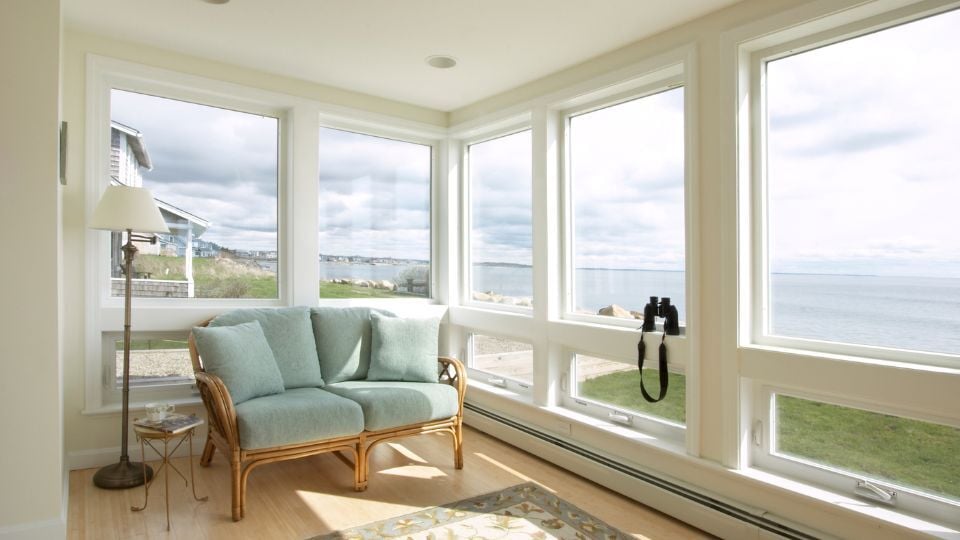
A sunroom provides backyard views while separating the household from many of the inconveniences of an open patio.
A properly enclosed room can help reduce exposure to:
- Mosquitoes and flies
- Falling leaves
- Wind
- Pollen and debris
- Light rain
- Cold drafts
- Intense direct sun
The level of protection depends on the room.
A screen room preserves fresh air but still allows outdoor temperature, humidity, pollen, and wind-driven moisture into the space. A glass-enclosed sunroom provides more separation, while a four-season room uses more insulation and higher-performing components for broader seasonal comfort.
No sunroom should be described as completely unaffected by weather. Comfort still depends on glass, insulation, orientation, shade, ventilation, heating and cooling, and local climate.
3. A Sunroom Brings More Natural Light Into the Home
Large windows can make a sunroom feel open and inviting.
Natural light may support activities such as:
- Reading
- Drawing
- Sewing
- Working
- Exercising
- Caring for plants
- Eating meals
- Spending time with family
A brighter room may reduce the need for electric lighting during some daylight hours, but homeowners should not assume that a sunroom will noticeably lower the household’s total electric bill.
Heating, cooling, lighting, appliances, room orientation, glass performance, and household habits all affect energy use. A large glass area may also increase solar heat during sunny weather or heat loss during cold weather if the room is not designed correctly.
The benefit should be described as greater access to natural light, not guaranteed energy savings.
4. You Can Choose the Comfort Level That Fits Your Lifestyle
Not every homeowner needs a fully insulated year-round room.
Joyce offers several levels of outdoor enclosure.
Screen room
A screen room may be a good fit when:
- Fresh air is a priority.
- Insects are the main concern.
- The space will be used mainly in mild weather.
- You want a lower-cost project than a glass sunroom.
- Heating and air conditioning are not needed.
Three-season sunroom
A three-season room may be appropriate when:
- Spring-through-fall use is the main goal.
- You want glass windows and screens.
- You want more protection from wind and rain.
- Full winter comfort is not essential.
- You prefer a lower project scope than a year-round room.
Four-season or year-round sunroom
A four-season room may make sense when:
- You want to use the space during more of the year.
- Greater insulation is important.
- Heating and cooling will be addressed.
- The room will function more like an everyday living space.
- You are comfortable with a higher project cost.
Joyce’s current four-season rooms may include SmartShield Glass, an insulated ClimateMaster® roof, vinyl wall systems, insulation packages, and optional on-demand heating and cooling. The exact selections depend on the approved room design.
5. A Sunroom Can Make an Underused Patio or Deck More Functional
Some sunroom projects begin with an existing patio or deck.
Enclosing a suitable outdoor structure may turn a space that is used only during good weather into a more protected area for dining, relaxing, or entertaining.
However, not every patio or deck is ready to support a sunroom.
Joyce evaluates factors such as:
- Structural condition
- Footings and supports
- Levelness
- Connection to the house
- Drainage
- Roof requirements
- Site access
- Local code requirements
An existing deck or patio may lower preparation costs when it is structurally suitable. It may increase the project cost when reinforcement, repairs, demolition, or a new foundation are needed.
A homeowner should not assume that an existing outdoor surface guarantees a simpler or less expensive project.
6. A Custom Sunroom Can Complement the Home
A sunroom should look connected to the existing house rather than added as an unrelated structure.
Important design choices include:
- Room size
- Roof shape
- Roof connection
- Window proportions
- Frame color
- Door location
- Exterior trim
- Siding
- Foundation treatment
- Interior ceiling height
- Flooring
- Views from adjoining rooms
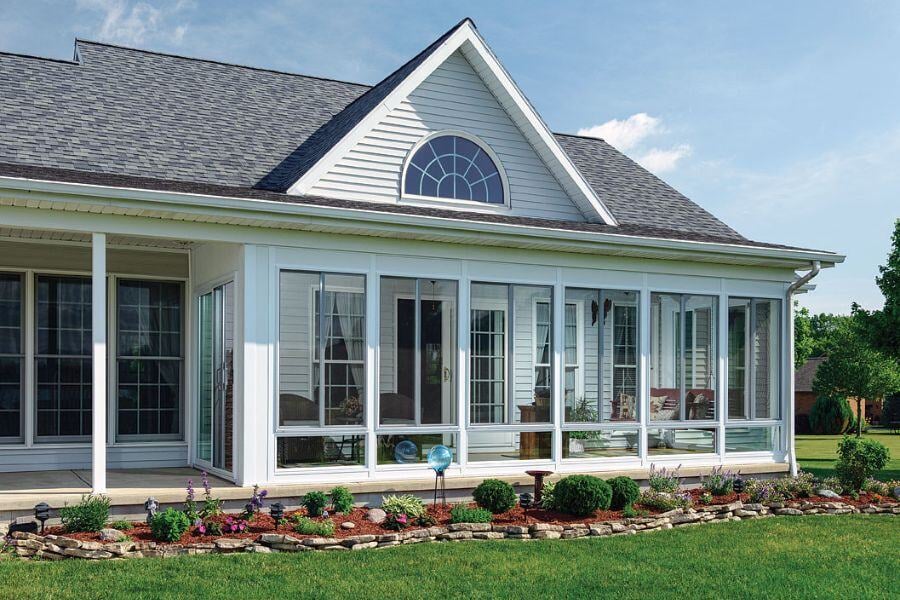
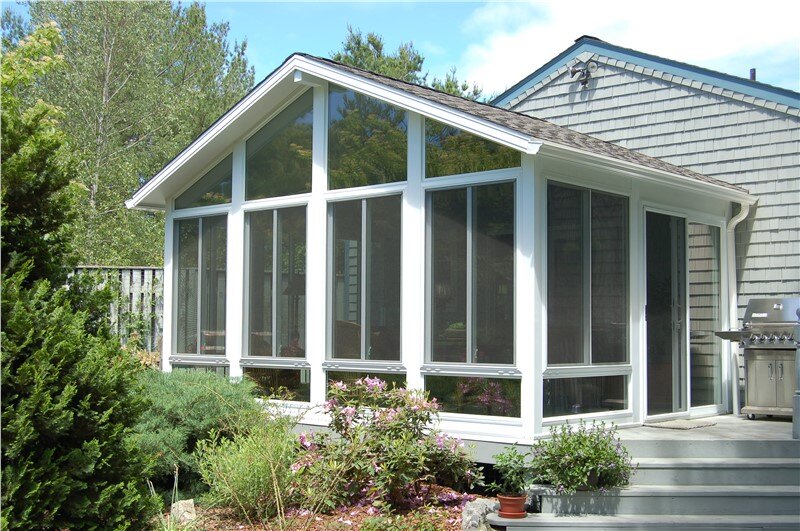
Joyce currently offers studio and gable roof styles, along with custom applications for certain homes. A studio roof uses a single slope and can blend naturally with many simple rooflines. A gable roof rises to a central peak and creates a taller, more open interior.
The best design depends on the home’s architecture, available space, roofline, property setbacks, and intended use.
Sunroom Benefits at a Glance
| Potential benefit | What it may provide | What to confirm |
|---|---|---|
| More natural light | A brighter place to relax, read, work, or gather | Glass, orientation, glare, and shade |
| Outdoor views | Greater connection to the yard and landscape | Window placement and privacy |
| More weather protection | Less exposure than an open deck or patio | Room type and seasonal limitations |
| Fewer insects | A more comfortable place to dine or relax | Screen condition and door design |
| Flexible space | Room for hobbies, work, dining, or entertaining | Size, outlets, lighting, and furniture |
| Broader seasonal use | More opportunities to use the space | Insulation, glass, heating, and cooling |
| Custom appearance | A room designed around the home | Roofline, colors, trim, and foundation |
Will a Sunroom Lower Your Energy Bills?
A sunroom should not be purchased based on a promise that it will lower the home’s electric or heating bills.
The original article suggests that spending time in a naturally lit sunroom will reduce lighting costs and that winter sunlight will warm the rest of the house enough to reduce heating use. Those claims are too broad.
A sunroom’s energy use depends on:
- Room type
- Glass package
- Insulation
- Roof construction
- Orientation
- Window size
- Air leakage
- Shade
- Heating and cooling
- Local climate
- How often the room is used
Winter sunlight may warm a south-facing room during certain hours. That same glass area can lose heat when outdoor temperatures fall. In warmer climates or on west-facing elevations, solar heat may increase cooling needs.
Homeowners should ask how the exact room has been designed for their climate rather than expecting automatic utility savings.
Related Article: Energy Efficient Windows
Can Sunlight Through a Sunroom Provide Vitamin D?
No. Sunlight passing through ordinary window glass should not be presented as a way for children or adults to produce vitamin D.
The National Institutes of Health explains that the UVB radiation needed for vitamin D production does not penetrate glass. Sunlight through a sunroom may create a bright and pleasant play area, but it does not provide the same vitamin D-producing exposure as being outdoors.
Questions about vitamin D intake, deficiency, diet, supplements, or safe sun exposure should be discussed with a qualified healthcare professional.
Can a Sunroom Improve Health or Indoor Air?
A sunroom may create an enjoyable place to relax, read, spend time with family, or look outdoors.
However, the article should not claim that adding a sunroom will:
- Prevent vitamin D deficiency
- Improve sinus problems
- Prevent skin irritation
- Improve household health
- Reduce dry air throughout the home
Those outcomes depend on individual health, indoor humidity, ventilation, HVAC operation, diet, sun exposure, and medical factors.
A sunroom can support a pleasant lifestyle. It should not be marketed as a medical or health treatment.
Does a Sunroom Add Living Space?
A sunroom adds usable space, but it may not automatically qualify as finished or conditioned living area.
The classification may depend on:
- Foundation
- Insulation
- Heating and cooling
- Ceiling height
- Electrical service
- Access from the home
- Building-code compliance
- Interior finishes
- Local appraisal standards
Use “additional usable space” unless a qualified local appraiser, building official, or real-estate professional confirms that the room can be included in finished square footage.
Related Article: Electricity in Your Sunroom
Will a Sunroom Increase Home Value?
A well-designed sunroom may improve functionality and appeal to certain buyers, but no universal return should be promised.
The potential effect depends on:
- Room quality
- Seasonal usability
- Architectural fit
- Local buyer preferences
- Condition
- Permits
- Maintenance
- Remaining yard space
- Local real-estate conditions
Plan the room mainly around how your household expects to use it. Treat any resale benefit as a possible advantage, not a guaranteed return.
What Does a Sunroom Cost?
Joyce currently publishes the following general planning ranges:
| Project type | General Joyce planning range |
|---|---|
| Patio cover | Approximately $10,000–$30,000 |
| Screen room | Approximately $25,000–$40,000 |
| Sunroom | Approximately $40,000–$90,000 |
These figures include professional design, engineering, and installation, but the final price depends on the room and property.
Pricing may be affected by:
- Room type
- Size
- Foundation
- Existing patio or deck condition
- Roof style
- Glass package
- Insulation
- Electrical work
- Doors
- Flooring
- Interior and exterior finishes
- Site access
- Permits
- Installation complexity
A custom consultation is required for exact pricing.
Related Article: Why Is a Sunroom So Expensive?
Is a Three-Season or Four-Season Sunroom Better?
Neither is automatically better.
A three-season room may be better when:
- The room will be used mainly in mild weather.
- Spring, summer, and fall use is enough.
- Lower project cost is important.
- You want a strong connection to the outdoors.
- Full heating and cooling are not priorities.
A four-season room may be better when:
- You want broader year-round use.
- Winter or summer comfort is important.
- The space will be used for daily activities.
- Greater insulation is needed.
- You want the room to feel more connected to the home.
Joyce currently describes three-season rooms as a lower-cost choice for warmer-month use and four-season rooms as more insulated spaces intended for greater comfort during changing temperatures.
Related Article: Three-Season vs Four-Season Sunroom
What Should You Consider Before Adding a Sunroom?
How will you use it?
Choose a primary purpose before designing the room.
A room for dining may need:
- Space for a table and chairs
- A convenient connection to the kitchen
- Task lighting
- Durable flooring
- Easy access to an open deck or grill
A home office may need:
- Glare control
- Outlets
- Internet access
- Heating and cooling
- Privacy
- Sound management
Which months do you want to use it?
Be realistic about seasonal expectations.
A screen room is different from a three-season room. A three-season room is different from a fully insulated year-round room.
Where will it be located?
Orientation affects:
- Morning and afternoon light
- Glare
- Solar heat
- Shade
- Privacy
- Views
- Heating and cooling needs
Is there a suitable foundation?
The room may require:
- An approved patio
- A suitable deck
- Structural reinforcement
- New footings
- A new foundation
- Drainage improvements
What approvals are required?
Local requirements may include:
- Zoning approval
- Building permits
- Structural engineering
- Electrical permits
- Property setbacks
- Homeowners association approval
- Historic-district approval
What is the full budget?
Plan for more than the basic room shell.
Possible costs include:
- Site preparation
- Foundation work
- Electrical service
- Flooring
- Heating and cooling
- Window coverings
- Furniture
- Exterior landscaping
- Permit fees
- Repairs to existing structures
Questions to Ask a Sunroom Company
Ask every company:
- Which type of room best matches how I plan to use it?
- Is the room intended for seasonal or year-round use?
- What foundation or structural preparation is required?
- Can my existing patio or deck be reused?
- Which permits and engineering services are included?
- What roof system will be used?
- Which glass package is included?
- What insulation is included?
- How will the room be heated and cooled?
- Is electrical planning included?
- What flooring and finishes are included?
- How will the room attach to the house?
- How will rainwater be flashed and drained?
- What could increase the quoted price?
- What is the full project schedule?
- What product warranty applies?
- What labor warranty applies?
- Who handles service after installation?
- Can I see completed local projects?
- Which parts of the project are excluded?
Sunroom Planning Worksheet
| Planning question | Your answer |
|---|---|
| What will the room be used for most? | |
| Which months should it be comfortable? | |
| How many people should it accommodate? | |
| Is heating or cooling required? | |
| Is there an existing patio or deck? | |
| Which backyard view matters most? | |
| Is glare or afternoon heat a concern? | |
| Are outlets, lighting, or a ceiling fan needed? | |
| Should part of the outdoor area remain open? | |
| Which roof style suits the home? | |
| What is the comfortable planning budget? | |
| Are there association or zoning restrictions? |
Why Consider a Joyce Sunroom?
Joyce Windows, Sunrooms & Baths designs, manufactures, and installs custom sunroom and enclosure systems.
Current Joyce offerings include:
- Three-season sunrooms
- Four-season sunrooms
- Patio and deck enclosures
- Screen rooms
- Patio and porch covers
- Studio and gable roof styles
- Custom room sizing
- Energy-efficient glass options
- Windows and doors
- Electrical planning
- Professional installation
Joyce sunrooms are designed to attach to a home or garage. The company does not currently build freestanding sunrooms separate from an existing structure.
Joyce has served homeowners since 1955 and currently provides sunroom services across parts of Ohio, Pennsylvania, North Carolina, and South Carolina.
_flipped.jpg?width=3246&height=2550&name=joyce_034-outside(c)_flipped.jpg)
Explore Your Sunroom Options
A sunroom can become a bright, useful part of the home when the room type, design, comfort level, and budget match the homeowner’s goals.
Begin by deciding how you will use the space and which seasons matter most. Joyce can then evaluate the property, explain the available room types, and prepare a custom design and project price.
Book a Sunroom Design Consultation
Need help establishing a budget?
Looking for styles and completed-room inspiration?
Frequently Asked Questions
Is a sunroom a good investment?
A sunroom may be a worthwhile lifestyle investment when it creates space the household will use regularly. Its financial return varies by design, quality, location, market, and buyer preferences.
What can a sunroom be used for?
Common uses include dining, reading, entertaining, working, exercising, hobbies, plants, games, and casual family gatherings.
Will a sunroom lower my electric bill?
Not necessarily. Natural light may reduce the need for lamps during some daylight hours, but heating, cooling, glass area, insulation, climate, and usage all affect total energy consumption.
Can children get vitamin D while playing in a sunroom?
Sunlight through ordinary window glass does not provide the UVB exposure needed for vitamin D production. Vitamin D concerns should be discussed with a healthcare professional.
What is the difference between a three-season and four-season sunroom?
A three-season room is mainly intended for spring-through-fall use. A four-season room includes more insulation and comfort-focused features for broader use during hot and cold weather.
Can Joyce build a sunroom on an existing deck?
Possibly. Joyce must evaluate the deck’s condition, structure, levelness, support, drainage, and compliance with local requirements. Some decks require reinforcement or replacement.
How much does a Joyce sunroom cost?
Joyce currently publishes a general sunroom planning range of approximately $40,000 to $90,000, including professional design, engineering, and installation. Exact pricing requires a site evaluation and custom design.
Does a sunroom count as finished square footage?
Not automatically. Local building, appraisal, tax, and real-estate standards determine whether the room qualifies as finished or conditioned living space.
Does Joyce build freestanding sunrooms?
No. Joyce sunrooms are designed to attach to a home or garage.
How do I get an exact sunroom price?
Schedule an in-home design consultation. Joyce will evaluate the space, discuss room types and features, and prepare project-specific pricing.

The Bottom Line
A sunroom addition can provide:
- More natural light
- Outdoor views
- Greater protection than an open patio
- Fewer insects
- A flexible room for daily activities
- More opportunities to use an outdoor area
- A design customized for the home
The value of the project depends on choosing the right room.
A screen room may be enough when fresh air and insect protection are the main priorities. A three-season room may suit spring-through-fall use. A four-season room may be worth the added scope when broader year-round comfort matters.
Avoid choosing a sunroom based on promises of guaranteed energy savings, health improvements, vitamin D exposure, or resale returns.
Choose it because the room fits your home, lifestyle, climate, and budget.
Book a Design Consultation to explore which Joyce sunroom option fits the way you want to live.
Topics:
.jpg?width=961&height=640&name=Gable%202600SL%20in%20White%20(3%20of%204).jpg)