
A sunroom can do much more than add square footage. The right design can give you a brighter place to relax, work, entertain, or simply enjoy the view without dealing with weather, bugs, or too much outdoor exposure.
That flexibility is one of the biggest reasons homeowners explore sunroom additions in the first place. A sunroom can feel like a quiet retreat, a practical overflow space, or a room your family uses every day. The key is choosing an idea that fits how you actually live.
Joyce Windows, Sunrooms & Baths designs and installs custom three-season and four-season sunrooms, patio and deck enclosures, screen rooms, and patio covers. That means homeowners can match the room type to their goals, climate, and budget instead of forcing one design to do everything.
Quick Overview
The best sunroom ideas start with function. Before choosing furniture, colors, or décor, decide how you want to use the space. Some homeowners want a bright sitting room. Others want a home office, a dining area, a playroom, or a more comfortable enclosed patio. The most successful sunroom additions balance style with comfort, light control, storage, and the right room type. For more everyday use, many homeowners compare three-season and four-season sunrooms, while others may find that a screen room, patio enclosure, or patio cover is the better fit. Joyce offers all of those options along with design consultations and a sunroom cost guide.

What Makes a Good Sunroom Idea?
A good sunroom idea is not just attractive. It works with your home, your routines, and the way you want the space to feel.
The best plans usually answer a few practical questions first:
- Will this be a mostly seasonal room or a more year-round space?
- Do you want a place for relaxing, working, dining, or entertaining?
- How much sun, shade, privacy, and airflow will the room need?
- Do you want a fully enclosed room or something more open to the outdoors?
- Will you need storage, outlets, ceiling fans, or easier furniture layouts?
Starting there makes it much easier to choose a sunroom design you will still love years from now.
Related Article: 3 Season Sunroom vs 4 Season Sunroom
1. Create A Bright Everyday Sitting Room
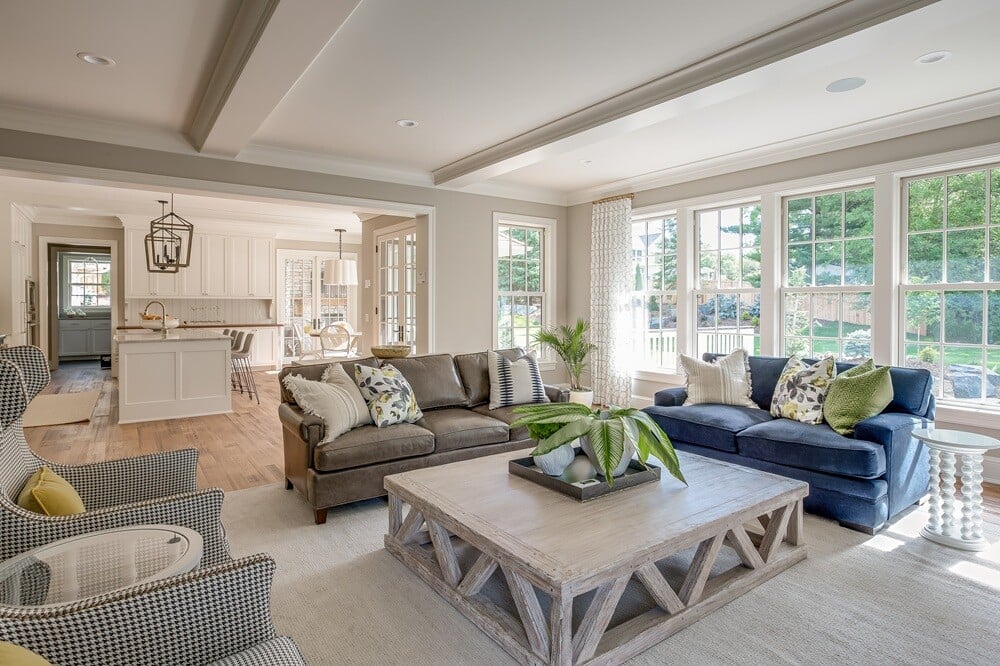
One of the most timeless sunroom ideas is also one of the simplest: use the room as an everyday lounge space.
This works especially well for homeowners who want a calm place to read, enjoy coffee, talk with family, or unwind at the end of the day. Comfortable seating, layered lighting, soft textures, and a layout that keeps the view open can make the room feel useful without overcomplicating it.
This kind of space often works well in both three-season and four-season sunrooms, depending on how often you want to use it through colder or hotter months. Joyce specifically helps homeowners compare three-season and four-season rooms based on comfort goals, climate, and budget.
Related Article: Fall Lighting Ideas
2. Turn Your Sunroom into a Home Office with Natural Light
A sunroom can make an excellent home office when you want more daylight and a better separation between work and the rest of the house.
To make the space more functional, plan for:_flipped.jpg?width=432&height=340&name=joyce_034-outside(c)_flipped.jpg)
- Glare control with shades or blinds
- A layout that leaves enough wall space for a desk
- Convenient outlets and lighting
- Storage that does not block too much glass
- Comfortable temperatures during the times you work most
Natural light is a major advantage, but it helps to plan for screen glare and heat buildup early. Joyce’s current sunroom content also emphasizes choosing the right room type and features based on how you want to use the space.
Related Article: Sunroom Design Ideas
3. Design a Casual Dining Room that Feels More Open
If your kitchen or dining room feels tight, a sunroom can become a flexible dining space for everyday meals, weekend brunches, or informal gatherings.
A dining-focused sunroom often works best when the furniture is scaled carefully so the room still feels open. Round tables, wipeable materials, and simple window treatments can help keep the room practical while letting the light stay central to the design.
This idea can work well for families who want extra gathering space without taking on a full traditional addition.

4. Build a Cozy Reading Room or Quiet Retreat
Some of the best sunroom additions are not the busiest rooms in the house. They are the most calming.
A reading room sunroom can be built around a lounge chair, built-in bench, soft rug, side table, and layered light for evenings. This kind of setup feels especially inviting when the room includes storage for books, throws, or games so the space stays uncluttered.
Joyce’s recent sunroom guidance also leans toward purpose-driven rooms that feel comfortable and livable rather than overly themed.
5. Make it a Workout or Wellness Space
A sunroom can also work as a simple exercise room, yoga space, or stretch-and-recovery area.
This idea is often best when the layout stays open and the materials are easy to maintain. Homeowners usually benefit from thinking through airflow, fan placement, flooring comfort, and how equipment will be stored when not in use.
Because sunrooms are glass-heavy spaces, comfort details matter. The U.S. Department of Energy notes that window attachments such as shades and other coverings can improve comfort and reduce glare, which is especially helpful in rooms used for workouts or screen-based routines.
6. Use Your Sunroom as a Flexible Family Room
For many households, the most practical idea is not a highly specialized room. It is a flexible room.
A family-friendly sunroom can be used for movies, games, homework, casual hangouts, or kid-friendly play during the day. This is a strong fit for homeowners who want extra living space but do not want to lock the room into a single purpose.
To make it work well, plan for:
- Easy-to-clean surfaces
- Hidden storage
- Furniture that can move easily
- Window treatments for glare control
- Enough electrical planning for lamps, chargers, and devices
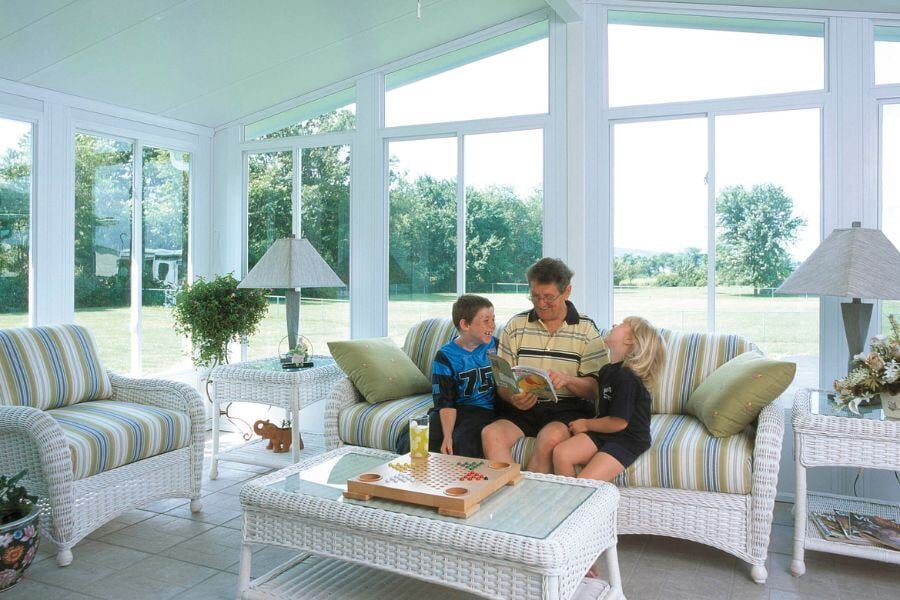
7. Enclose an Existing Patio or Deck
Sometimes the best sunroom idea is not starting from scratch. It is improving a space you already have.
Joyce offers patio and deck enclosures for homeowners who want to transform an existing covered outdoor area into a more comfortable, protected space with more glass and quicker construction than traditional framing.
This can be a smart option for homeowners who already enjoy their patio or deck but want more protection from weather, temperature swings, or bugs.
8. Choose a Screen Room for a Breezy, Open Feel
Not every homeowner wants a fully enclosed sunroom. Some want the outdoor feel without the hassle.
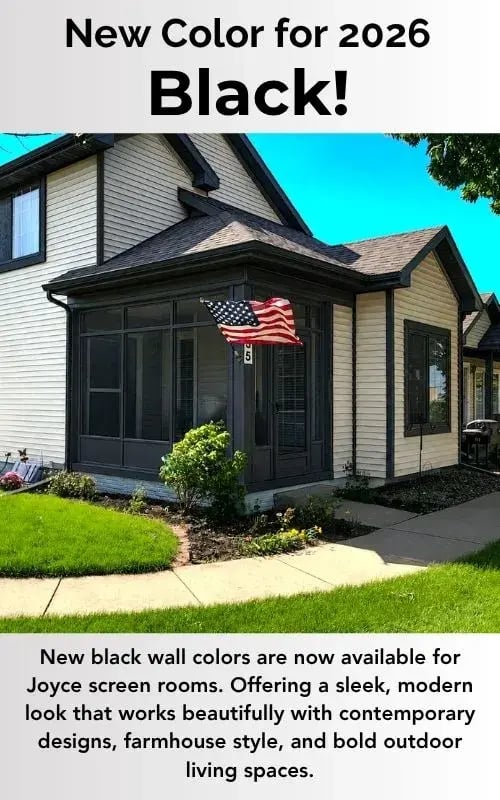
A screen room can be a great solution if your main goal is enjoying fresh air with more comfort and fewer bugs. Joyce offers screen rooms specifically for that kind of outdoor living.
This is often a good idea when:
- You want a simpler project than a year-round room
- You mainly plan to use the space in milder weather
- You want a more open connection to the outdoors
- Budget is a major factor in the decision
Related Article: Screen Room on Deck
9. Add a Patio Cover for Shade and Outdoor Comfort
Some homeowners do not need walls at all. They just need a more usable outdoor area.
A patio or porch cover can create shade, protection, and a clearer gathering space without turning the area into a full room. Joyce offers patio and porch covers for homeowners who want that middle ground between open-air living and a more enclosed addition.
This can be a strong option if your main goal is outdoor comfort rather than added enclosed square footage.
Related Article: Sunroom Patio Covers
10. Plan a Two-Zone Sunroom
One of the smartest sunroom design ideas is to give the room a main purpose and a supporting purpose.
For example:
- Lounge area + dining corner
- Home office + reading nook
- Family room + game table
- Plant space + conversation area
Joyce’s recent sunroom trend guidance highlights the value of flexible layouts with a clear primary purpose instead of trying to make the room do too many unrelated jobs at once.
Which Type of Sunroom is Right for Your Idea?
This is where many homeowners get stuck. They like the idea of a sunroom, but they are not sure which kind of structure best matches how they want to use it.
Joyce currently offers:
Three-Season Sunrooms
A strong fit if you want a bright room for spring, summer, and fall and want a lower-cost option than a more insulated room.
Four-Season Sunrooms
A better choice if you want a room designed for more year-round comfort and everyday living.
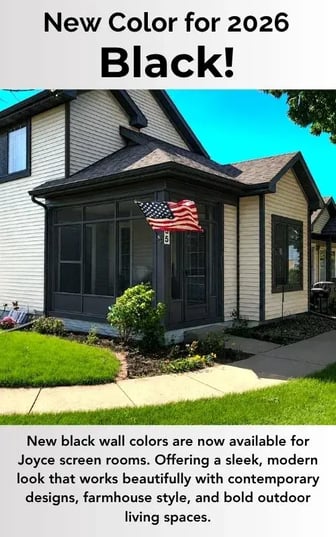
Patio and Deck Enclosures
A practical option when you already have a covered patio or deck and want to convert it into a more enclosed living space.
Screen Rooms
Best for homeowners who want fresh air and protection from bugs without fully enclosing the space.
Patio Covers
A simpler way to improve shade and outdoor usability.
What Design Details Make a Sunroom More Comfortable?
The prettiest room will still disappoint you if it is too hot, too bright, too cold, or not functional enough for real life.
A few of the details that often matter most are:
- Shade control
- Airflow
- Layout
- Storage
- Door placement
- Lighting
- Flooring
- Electrical planning
The Joyce sunroom cost guide also notes that room type, size, foundation needs, roof style, glass package, electrical work, doors, flooring, and site conditions can all affect the final project cost.
Related Article: Sunroom Decorating Ideas
How Much Do Sunroom Additions Cost?
Sunroom cost depends on the type of room, size, materials, level of customization, and installation complexity.
Joyce’s current sunroom cost guide gives these starting ranges, including installation:
- Sunrooms: about $40,000 to $90,000
- Screen rooms: about $25,000 to $40,000
- Patio covers: about $10,000 to $30,000
Those numbers are a helpful starting point, but real pricing depends on details like structure, roof design, glass package, electrical needs, finish choices, and site conditions. That is why a design consultation is still the best way to compare ideas accurately.
Related Article: Sunroom Cost Explained
Find the Sunroom Idea That Fits Your Home
The best sunroom additions are not about copying a trend. They are about creating a space you will genuinely use.
For some homeowners, that means a bright sitting room. For others, it means a dining area, office, enclosed patio, or flexible family space. The right answer depends on how you want the room to function, how often you want to use it, and what type of structure makes sense for your home.
Joyce Windows, Sunrooms & Baths designs and installs custom sunrooms, patio enclosures, screen rooms, and patio covers for homeowners across its service areas. If you want help comparing ideas, room types, and costs, the next step is to schedule a design consultation or review the current sunroom cost guide.

Frequently Asked Questions
What is the best use for a sunroom?
The best use depends on your lifestyle. Common choices include a sitting room, dining area, home office, reading room, family room, or enclosed patio.
What is the difference between a three-season and four-season sunroom?
A three-season sunroom is usually designed for comfortable use in spring, summer, and fall, while a four-season sunroom is built for more year-round use and comfort. Joyce helps homeowners compare both based on climate, goals, and budget.
Can I build a sunroom on an existing patio or deck?
Possibly. Joyce notes that some existing patios and decks can support a sunroom or enclosure, but the structure, condition, drainage, levelness, and code requirements all need to be evaluated first.
Are screen rooms cheaper than sunrooms?
Often, yes. Joyce’s pricing guide shows lower starting ranges for screen rooms than for full sunrooms, though final cost still depends on size, design, and site conditions.
How do I choose the right sunroom idea for my home?
Start with how you want to use the space. Once you know whether the room is mainly for relaxing, dining, working, or entertaining, it becomes much easier to choose the right layout and room type.