Executive Summary
Joyce’s current planning ranges for outdoor-living projects are:
| Project Type | Current Joyce Planning Range |
|---|---|
| Patio cover | $10,000–$30,000 |
| Screen room | $25,000–$40,000 |
| Three-season sunroom | Approximately $35,000–$70,000 |
| Year-round sunroom | Approximately $40,000–$90,000 |
These are ballpark planning ranges, not guaranteed quotes.
Joyce’s current published sunroom pricing includes professional design, engineering, and installation. Your final price can change based on the room size, foundation or existing deck, roof style, glass package, insulation, electrical work, doors, finishes, site conditions, local requirements, and installation complexity.
The biggest early decision is not simply “How big should my sunroom be?”
It is:
What type of outdoor-living space do I actually need?
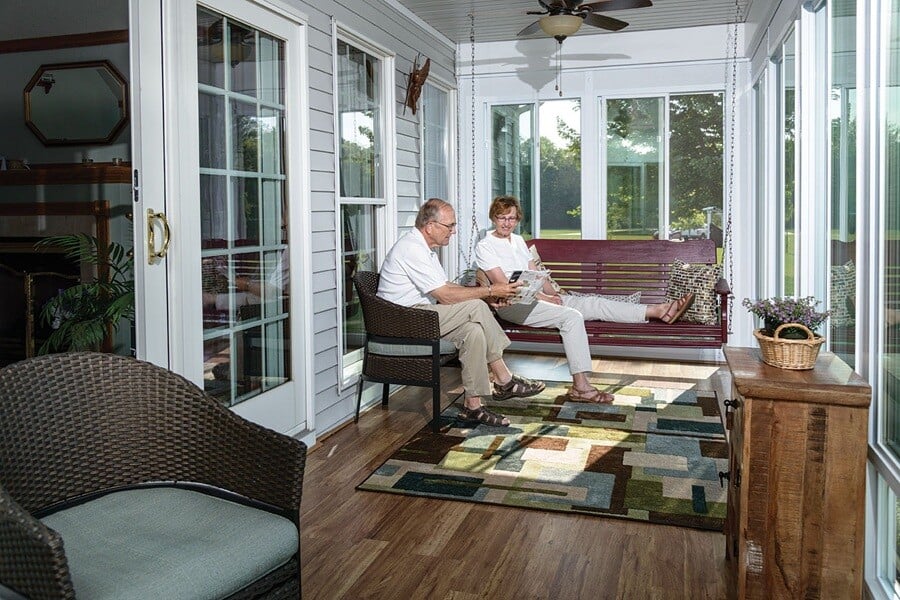
A homeowner who mainly wants shade may be better served by a patio cover. Someone who wants fresh air without bugs may prefer a screen room. A three-season room can provide an enclosed seasonal retreat, while a year-round sunroom uses more insulated components for broader comfort through changing weather.
Ready for exact pricing? Book a Joyce sunroom design consultation so the team can evaluate your home, existing structure, room goals, and project conditions.
How Much Does a Joyce Sunroom Cost in 2026?
Joyce currently uses the following planning ranges:
Patio Cover: $10,000–$30,000
A patio cover provides overhead shade and weather protection while keeping the sides open.
It is generally the lowest-cost option in Joyce’s outdoor-living lineup because it requires fewer components than a screened or glass-enclosed room.
Screen Room: $25,000–$40,000
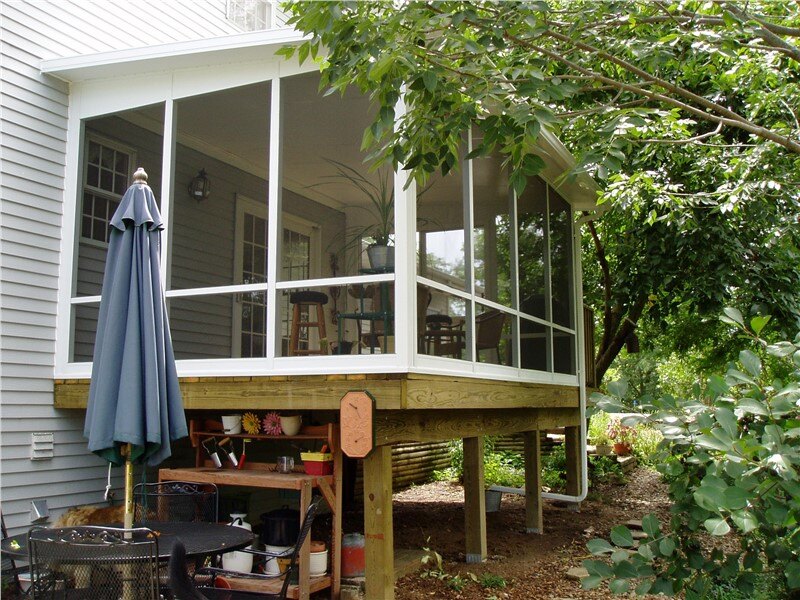
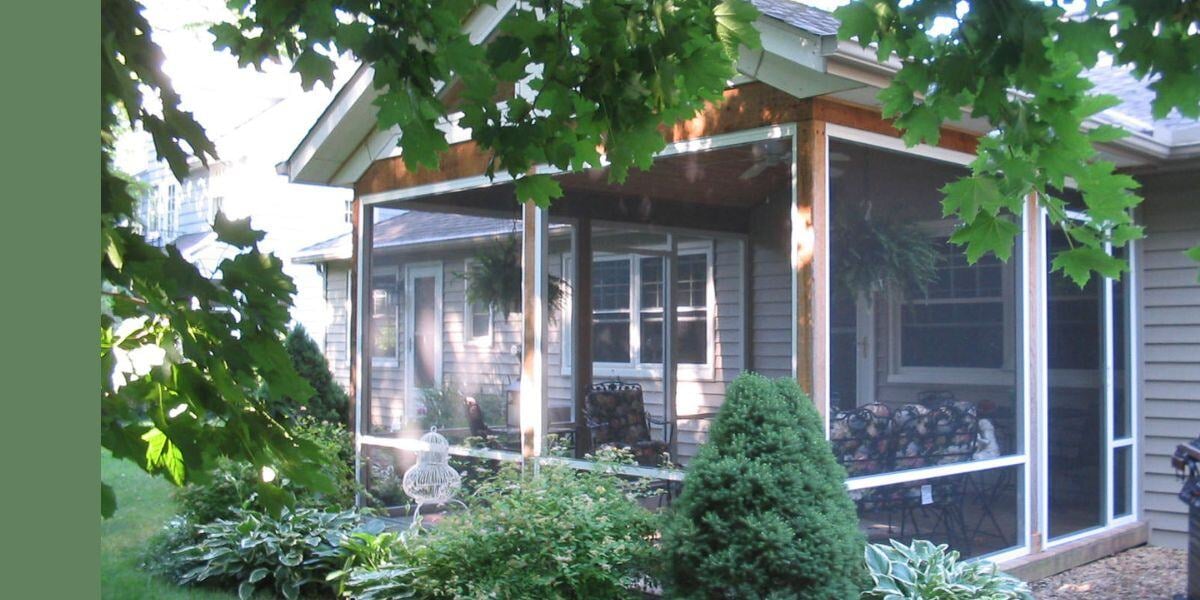
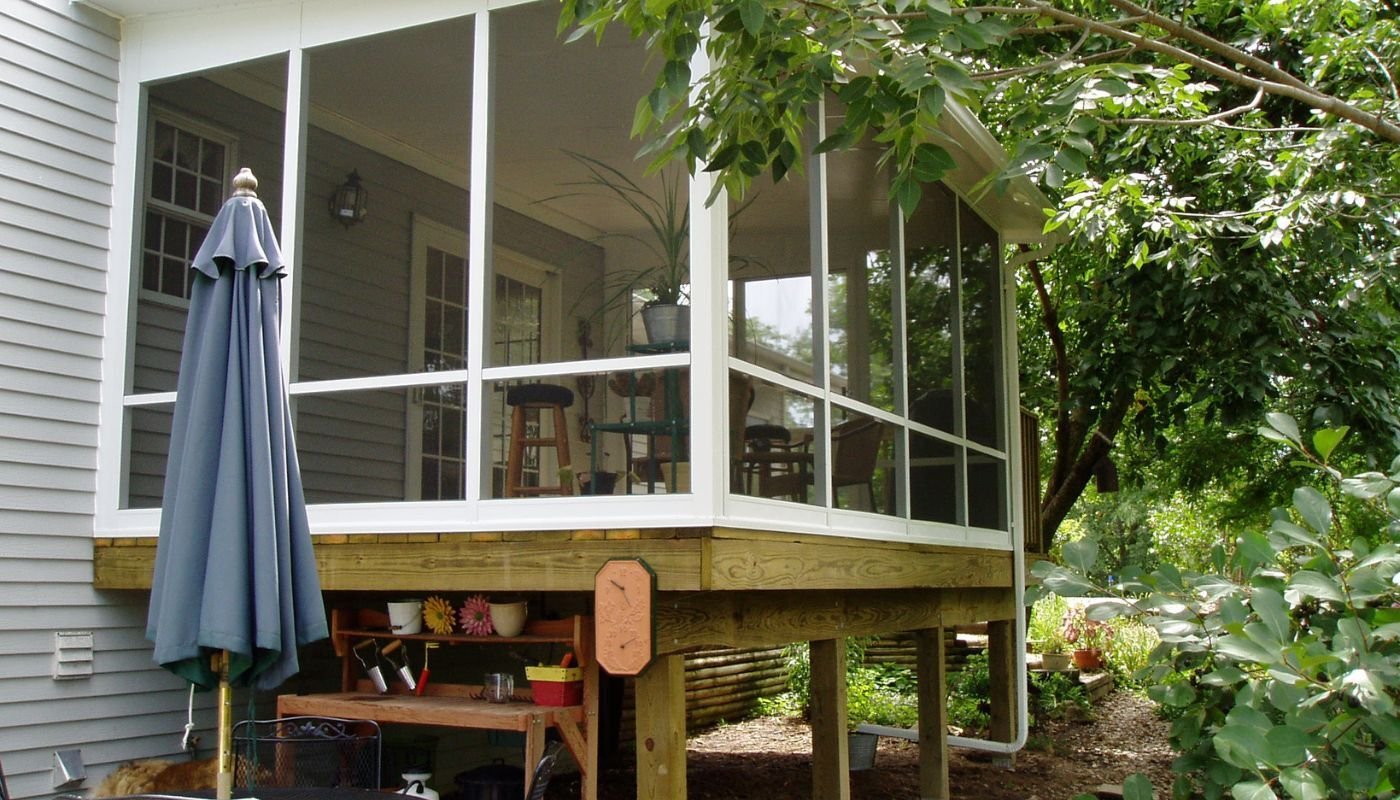
A screen room creates a protected outdoor space with screens instead of insulated glass windows.
It can provide:
- Fresh air
- Insect protection
- Shade
- Outdoor views
- A more comfortable dining or relaxing area
A screen room is often a good fit for homeowners who want a more usable porch, patio, or deck without paying for the insulated components of a full sunroom.
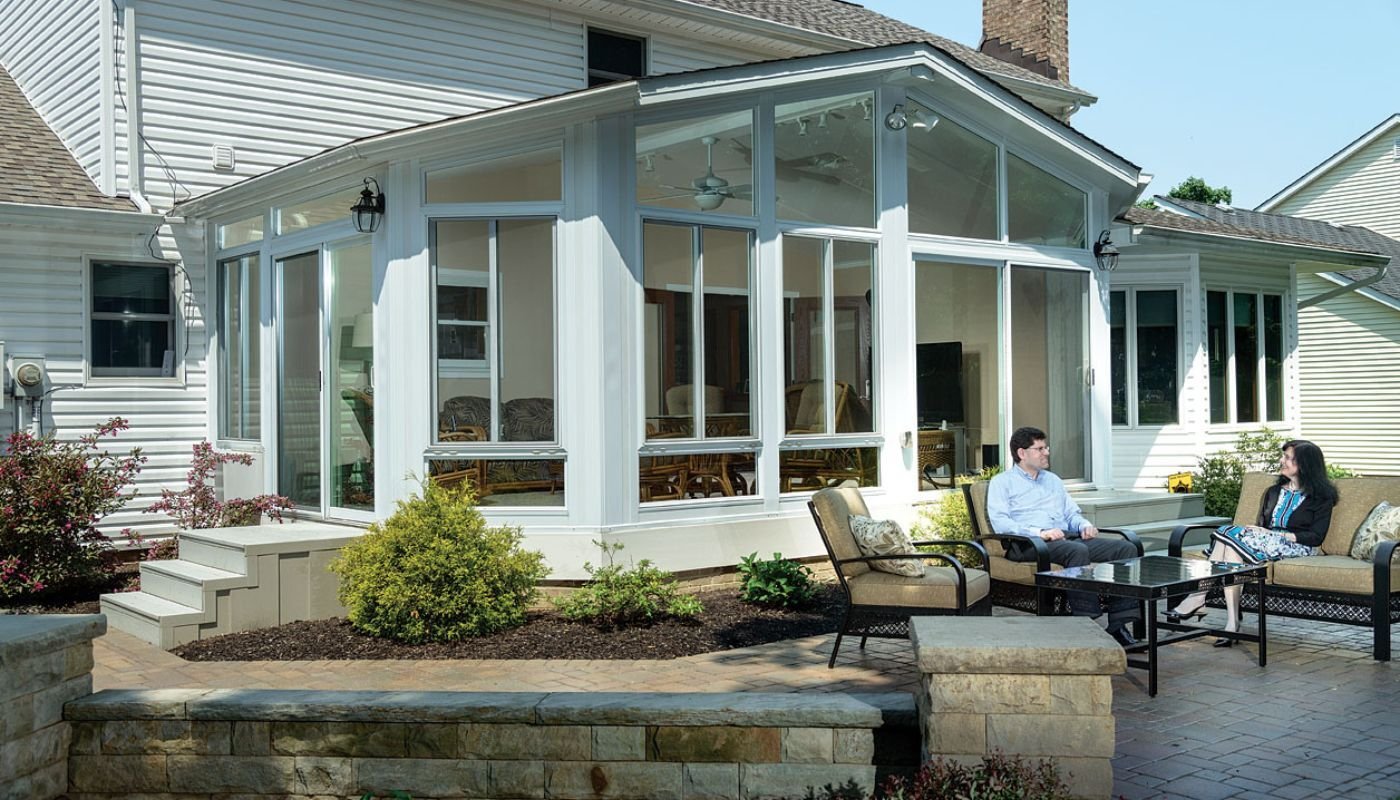
Three-Season Sunroom: Approximately $35,000–$70,000
A three-season sunroom is designed primarily for use during spring, summer, and fall.
It uses more substantial walls and windows than a screen room and provides greater protection from changing weather.
It may be a good fit when you want:
- An enclosed room
- More glass
- Protection from rain and insects
- Seasonal dining or entertaining space
- A bright reading or hobby room
- A lower investment than a year-round room
Year-Round Sunroom: Approximately $40,000–$90,000
A year-round, or four-season, sunroom uses more insulated components and higher-performance glass and roof systems.
Joyce year-round rooms may include SmartShield Glass and the ClimateMaster® roof system.
This type of room may be appropriate when you want:
- Broader use through hot and cold weather
- A home office
- A daily family room
- A dining area
- A hobby or exercise space
- More consistent comfort throughout the year
Final pricing can fall outside these ranges when the project requires unusual structural work, difficult site preparation, extensive customization, or other project-specific work.
What Is Included in Joyce Sunroom Pricing?
Joyce’s current published sunroom planning ranges include:
- Professional design
- Engineering
- Professional installation
Your specific proposal should explain what else is included.
Depending on the project, ask whether the price covers:
- Permit preparation and fees
- Foundation work
- Deck reinforcement
- Concrete work
- Site preparation
- Demolition
- Roof system
- Windows and glass
- Screens
- Doors
- Electrical work
- Lighting
- Ceiling fan preparation
- Heating or cooling equipment
- Flooring
- Interior finishing
- Exterior finishing
- Cleanup
- Inspections
- Warranty coverage
Do not assume an item is included simply because another homeowner’s project included it.
The written proposal should be the final source of truth.
.jpg?width=500&height=375&name=Smith%20Dick%20Sunroom%20(4%20of%205).jpg)
Why Do Sunroom Prices Vary So Much?
A sunroom is not simply a group of windows attached to the back of a house.
It is a permanent structure made up of several systems that have to work together.
Depending on the project, those systems can include:
- Foundation
- Structural supports
- Roof
- Walls
- Windows
- Doors
- Glass
- Insulation
- Water management
- Electrical components
- Heating and cooling
- Flooring
- Connection to the existing house
That is why two rooms with the same square footage can have very different prices.
Related Article: Why Are Sunrooms So Expensive?
The 9 Biggest Factors That Affect Sunroom Cost
1. Room Type
Room type is one of the biggest pricing decisions.
In general:
Patio cover → screen room → three-season room → year-round room
represents an increasing level of enclosure, materials, insulation, and comfort features.
Do not automatically choose the most expensive option.
Ask how many months of the year you realistically expect to use the space.
If your main goal is bug-free outdoor dining, a screen room may solve the problem.
If your goal is a daily home office in January and July, a more insulated room may make more sense.
2. Room Size
A larger room usually requires more:
- Wall material
- Glass
- Roof material
- Structural support
- Flooring
- Installation labor
But price does not increase based on square footage alone.
A simple 12-by-16-foot room may cost less than another 12-by-16 room that requires a new foundation, upgraded glass, multiple doors, a more complex roof, and difficult site access.
That is why “price per square foot” is often too simple for a custom sunroom.
3. Foundation and Structural Work
What the room sits on can have a major effect on cost.
A project may involve:
- Existing concrete
- Existing deck
- New footings
- New supports
- Structural reinforcement
- Ground preparation
- Leveling
- Drainage corrections
- A new foundation system
A sunroom needs a structure that is suitable for the weight and design of the proposed room.
Does an existing patio make a sunroom cheaper?
Sometimes.
If an existing patio is in good condition and structurally suitable, it may reduce some preparation work.
But a concrete slab that was built for an open patio was not necessarily designed to support an enclosed room.
It may need to be evaluated for:
- Condition
- Levelness
- Construction
- Structural suitability
- Drainage
- Local requirements
Do not assume that existing concrete automatically equals a ready-made sunroom foundation.
Does an existing deck lower the cost?
Possibly.
A suitable deck may reduce some construction work.
But many decks were built only for people, furniture, and normal outdoor loads.
A sunroom adds:
- Walls
- Windows
- Glass
- Roof
- Permanent structural weight
- Weather loads
The deck may need reinforcement, new supports, new footings, or partial rebuilding.
An existing deck saves money only when it is actually suitable for the proposed room.
4. Roof Style
The roof affects appearance, structure, interior volume, and price.
Joyce commonly offers studio and gable roof styles.
Studio Roof
A studio roof uses a simpler single-slope design.
When appropriate for the home, it may be more economical than a more complex roof.
Gable Roof
A gable roof slopes upward toward a center peak.
It can create:
- More ceiling height
- A more open interior
- A stronger architectural feature
Its more involved structure may also increase the project price.
Roof cost can also change based on:
- Span
- Height
- Existing roofline
- Attachment to the home
- Custom transitions
- Structural requirements
5. Glass Package
Glass makes up a large part of most sunrooms.
The glass package can affect both price and comfort.
Higher-performance glass may use:
- Multiple panes
- Insulating air spaces
- Low-E coatings
- Insulating gas
- Other performance features
A seasonal room does not necessarily require the same glass package as a room intended for broader year-round use.
That is one reason year-round sunrooms generally cost more.
Homeowners should ask:
- How many panes of glass are included?
- Is Low-E glass included?
- Is insulating gas used?
- What glass package is appropriate for my climate?
- Which windows open?
- Are screens included?
- What changes when I upgrade the glass?
6. Insulation and Comfort Level
A room designed for broad year-round use may require stronger thermal performance from:
- Roof
- Glass
- Walls
- Floor
- Doors
Joyce’s year-round rooms use more insulated components than seasonal rooms, including supported configurations with SmartShield Glass and the ClimateMaster roof system.
That added performance contributes to the higher project cost.
A year-round room should not automatically be assumed to stay at exactly the same temperature as the main house.
Comfort still depends on:
- Outdoor temperature
- Sun exposure
- Room orientation
- Glass package
- Roof insulation
- Floor system
- Room size
- Heating and cooling
- How the room connects to the home
7. Electrical, Heating, and Cooling
Electrical needs can vary dramatically.
A basic screen room may need very little.
A year-round room used as a home office or family room may require:
- Outlets
- Lighting
- Ceiling fan
- Television connections
- Internet equipment
- Heating
- Cooling
Plan those needs before construction.
Adding electrical features after the room is finished can be more complicated.
Related Article: Heating A Sunroom
Is HVAC included?
Do not assume it is.
Some projects may use a dedicated heating and cooling system, while others use different comfort strategies.
Ask exactly:
- What equipment is included?
- Who installs it?
- Is electrical service included?
- Does another contractor need to be involved?
- Is the equipment part of the quoted price?
8. Doors, Flooring, Colors, and Finishes
Customization can create meaningful price differences.
Options may include:
- Entry doors
- Patio doors
- Number of doors
- Window configurations
- Grid patterns
- Frame colors
- Wall colors
- Flooring
- Ceiling finishes
- Interior trim
- Exterior trim
- Decorative features
These choices can make the room feel much more personal.
They can also raise the project price.
If the budget is limited, prioritize function first.
A practical order is:
- Structure and foundation
- Appropriate room type
- Roof and water management
- Glass and insulation
- Doors and ventilation
- Electrical needs
- Decorative upgrades
You can often simplify a cosmetic choice.
You should not simplify the structure simply to save money.
Related Article: Top Sunroom Flooring
9. Site Conditions and Local Requirements
Sunroom pricing can also change because of the property itself.
Factors may include:
- Narrow access
- Sloped ground
- Drainage
- Existing landscaping
- Difficult demolition
- Existing deck condition
- Existing patio condition
- Roof attachment
- Local permit requirements
- Snow-load requirements
- Wind-load requirements
- Inspection requirements
A project in Ohio may have different structural considerations from a project in North Carolina or South Carolina.
That is one reason the property must be evaluated before Joyce can provide exact pricing.
Why Can Two Same-Size Sunrooms Cost Different Amounts?
Imagine two homeowners each want a 12-by-16-foot room.
Project A
- Existing structure is suitable
- Three-season room
- Studio roof
- Standard glass package
- One standard door
- Straightforward site access
- Basic electrical needs
Project B
- New structural work required
- Year-round room
- Gable roof
- Higher-performance glass
- Additional doors
- More electrical work
- Difficult access
- Upgraded finishes
Both rooms are 12 by 16 feet.
They are not the same project.
This is why asking only:
“How much does a 12-by-16 sunroom cost?”
cannot produce a reliable answer.
Is a Three-Season Sunroom Cheaper Than a Four-Season Sunroom?
Generally, yes.
Joyce’s current planning ranges are:
- Three-season: approximately $35,000–$70,000
- Year-round: approximately $40,000–$90,000
A three-season room is primarily intended for spring, summer, and fall.
A year-round room typically requires more:
- Insulation
- Glass performance
- Roof performance
- Floor planning
- Heating and cooling consideration
The price ranges overlap because a large, highly customized three-season room can cost more than a smaller, simpler year-round room.
Room type matters, but it is not the only cost factor.
Related Article: Three vs Four Season Sunroom
Is a Screen Room Cheaper Than a Sunroom?
Usually.
Joyce currently publishes:
- Screen room: $25,000–$40,000
- Three-season room: approximately $35,000–$70,000
- Year-round room: approximately $40,000–$90,000
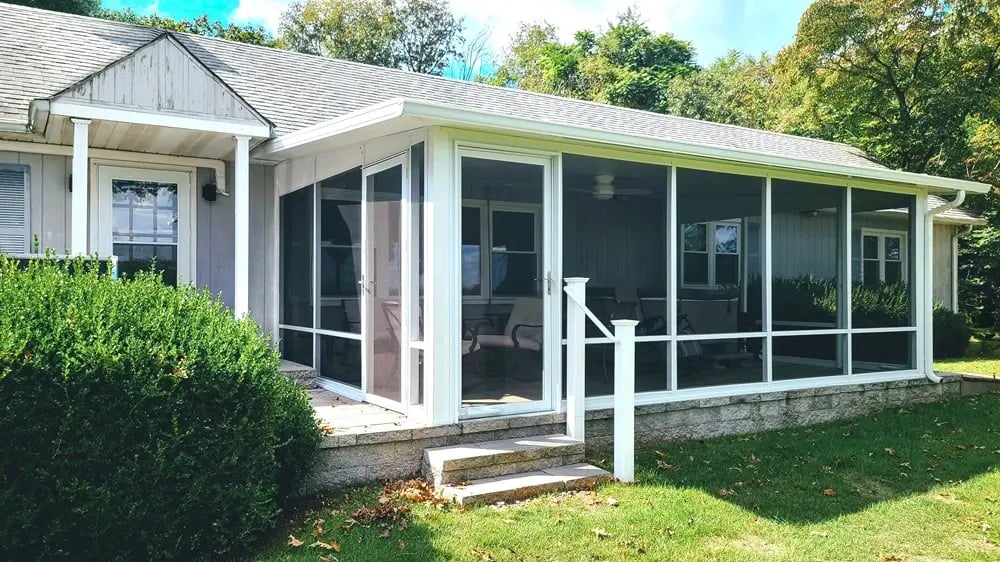
A screen room uses screened wall openings instead of the more substantial glass and insulated systems used in sunrooms.
That can make it a better value when the homeowner primarily wants:
- Bug protection
- Fresh air
- Shade
- Seasonal outdoor living
Paying for year-round insulation is unnecessary when the real goal is simply to eat dinner outside without mosquitoes.
Related Article: Benefits of a Screen Room
Is a Patio Cover Cheaper Than a Screen Room?
Generally, yes.
A Joyce patio cover currently ranges from approximately $10,000 to $30,000.
A screen room currently ranges from approximately $25,000 to $40,000.
A patio cover provides overhead protection while leaving the sides open.
A screen room adds screened wall systems.
The right choice depends on what problem you want to solve.
Choose a patio cover when: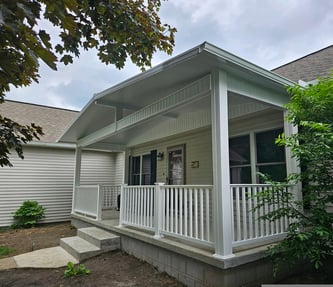
You mainly want:
- Shade
- Rain protection
- Open-air use
Choose a screen room when:
You also want:
- Insect protection
- Enclosed sides
- A more protected seasonal space
Can You Save Money on a Sunroom?
Yes, but focus on simplifying the design rather than cutting essential construction.
Choose the room type you actually need
Do not pay for year-round performance if you only plan to use the room seasonally.
Keep the footprint reasonable
A slightly smaller room may still provide enough space for the way you intend to use it.
Consider a simpler roof
Where it fits the home, a studio roof may be less complex than a custom gable application.
Limit decorative upgrades
Spend first on the parts that affect function and durability.
Use a suitable existing deck or patio
This can help only after the structure has been professionally evaluated.
Plan electrical needs early
Deciding outlet, lighting, and ceiling-fan locations during design can prevent later changes.
Where Should You Not Cut Costs?
Be cautious about reducing project scope in areas involving:
- Structural engineering
- Foundation
- Attachment to the home
- Roof construction
- Water management
- Local code requirements
- Installation quality
Those are the parts of the project that help the room perform correctly.
Choosing a simpler grid pattern is one thing.
Building on an unsuitable foundation is another.
Is a Sunroom Cheaper Than a Traditional Home Addition?
Sometimes, but the comparison is not automatic.
A traditional framed addition and a manufactured sunroom may use different:
- Foundations
- Wall systems
- Roof systems
- Glass areas
- Interior finishes
- HVAC systems
- Construction methods
They may also be designed to solve different needs.
Instead of asking which is always cheaper, compare projects that accomplish the same goal.
If your priority is a bright, glass-filled room with expansive outdoor views, compare the cost of creating that type of space using the options available for your home.
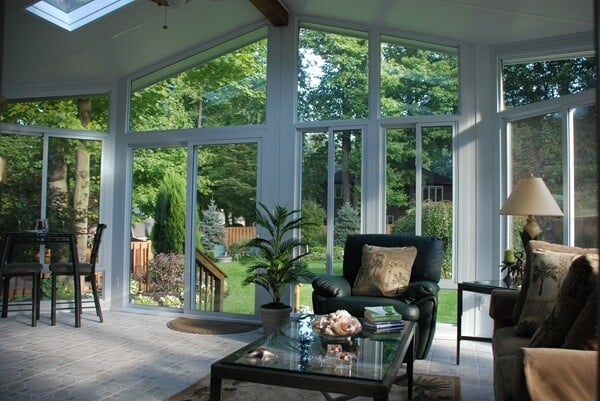
Does a Sunroom Add Value to a Home?
A sunroom can add usable space, natural light, and lifestyle value, but Joyce should not promise a universal resale return.
Real estate value can depend on:
- Local market
- Room quality
- Permit status
- Room classification
- Condition
- Design
- Buyer preferences
If resale value is a major part of your decision, speak with a local real estate professional who understands your market.
Choose the room primarily because it fits how you plan to use your home.
Can a Joyce Sunroom Be Financed?
Yes.
Joyce offers financing options for qualifying homeowners.
Available terms may depend on:
- Project price
- Credit approval
- Current lender programs
- Down payment
- Current promotions
Financing terms change, so an evergreen price guide should not rely on one promotional payment or interest offer.
When comparing financing, review:
- Cash price
- Amount financed
- Interest rate
- Loan term
- Monthly payment
- Total of payments
- Fees
- Promotional conditions
A lower monthly payment does not always mean a lower total project cost.
How Do You Compare Two Sunroom Quotes?
Do not compare only the bottom-line price.
Use the same checklist for every contractor.
| Item | Quote A | Quote B |
|---|---|---|
| Room type | ||
| Room dimensions | ||
| Foundation | ||
| Structural work | ||
| Roof style | ||
| Glass package | ||
| Wall system | ||
| Number of windows | ||
| Number of doors | ||
| Insulation | ||
| Flooring | ||
| Electrical | ||
| Heating/cooling | ||
| Engineering | ||
| Permits | ||
| Site preparation | ||
| Demolition | ||
| Cleanup | ||
| Product warranty | ||
| Labor warranty | ||
| Total cash price | ||
| Financing terms |
Questions to Ask Before Signing a Sunroom Contract
About the Room
- Is this a patio cover, screen room, three-season room, or year-round room?
- What makes this construction appropriate for the seasons I want to use it?
- What are the exact dimensions?
- Which windows open?
- Are screens included?
About the Foundation
- What will the room sit on?
- Has my existing deck or patio been evaluated?
- Is structural reinforcement included?
- What happens if the existing structure is not suitable?
About the Roof
- What roof style is included?
- How will the roof attach to the house?
- What insulation system is used?
- How will water be managed?
About Glass
- What glass package is included?
- Is Low-E glass included?
- Is insulating gas used?
- What changes if I upgrade the glass?
About Electrical and Comfort
- How many outlets are included?
- Is lighting included?
- Is a ceiling-fan location included?
- Is heating or cooling included?
- Does another contractor need to be involved?
About Pricing
- What does the price include?
- What is excluded?
- Which selections could increase the price?
- What happens if site conditions differ from what was expected?
- Are permit costs included?
- Are inspections included?
About Warranty and Service
- What product warranty applies?
- What labor warranty applies?
- Who handles service after installation?
A useful quote should answer more questions than it creates.
Why Choose Joyce for a Custom Sunroom?
Joyce Windows, Sunrooms & Baths designs, manufactures, and installs custom sunrooms through a factory-direct process.
Current outdoor-living options include:
- Three-season sunrooms
- Four-season sunrooms
- Patio and deck enclosures
- Screen rooms
- Patio and porch covers
- Studio roofs
- Gable roofs
- Custom glass and design options
Joyce manufactures its own sunroom systems and coordinates the project from design through installation.
Joyce was founded in 1955 and remains a third-generation, family-owned home improvement company headquartered in Berea, Ohio.
The company currently serves supported communities in Ohio, Pennsylvania, North Carolina, and South Carolina.
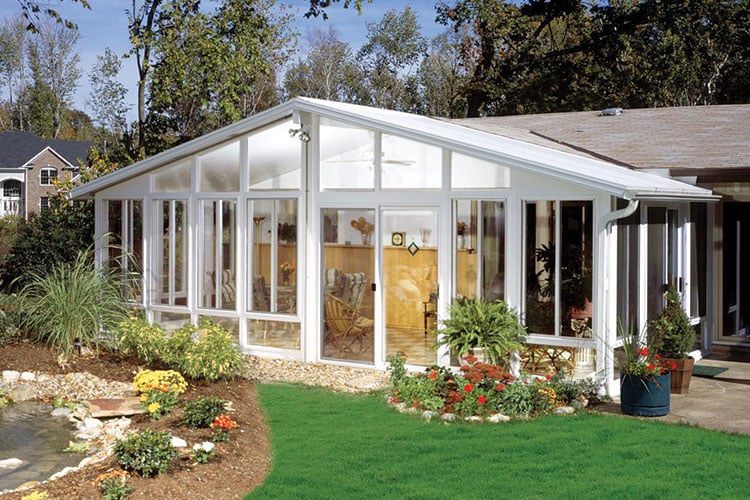
How Do You Get an Exact Joyce Sunroom Price?
The planning ranges in this guide can help you decide whether a Joyce project fits the budget you had in mind.
The next step is an in-home design consultation.
During the consultation, Joyce can evaluate:
- Your home
- Existing deck or patio
- Site access
- Room dimensions
- Three-season versus year-round use
- Roof options
- Glass options
- Doors
- Electrical needs
- Heating and cooling
- Finish selections
- Structural requirements
That information allows Joyce to move from a broad planning range to a project-specific proposal.
Book a Sunroom Design Consultation
Have your home evaluated and receive exact recommendations and pricing based on your property and goals.
Download the Joyce Sunroom Brochure
Explore three-season and four-season rooms, patio enclosures, screen rooms, roof styles, and design options before your appointment.

Frequently Asked Questions
How much does a Joyce sunroom cost?
Joyce currently lists three-season sunrooms at approximately $35,000–$70,000 and year-round sunrooms at approximately $40,000–$90,000. Final price depends on the room size, structure, foundation, roof, glass, electrical work, finishes, site conditions, and installation.
How much does a Joyce patio cover cost?
Joyce’s current planning range for patio covers is approximately $10,000–$30,000.
How much does a Joyce screen room cost?
Joyce currently lists screen rooms at approximately $25,000–$40,000.
Is a three-season sunroom cheaper than a four-season sunroom?
Usually. A three-season room generally requires fewer insulated components than a year-round room, although large or heavily customized seasonal rooms can overlap in price with smaller year-round rooms.
What is included in Joyce sunroom pricing?
Joyce’s current published ranges include professional design, engineering, and installation. Your project proposal should clarify whether permits, foundation work, site preparation, electrical, doors, finishes, cleanup, and other project-specific items are included.
Does an existing deck make a sunroom cheaper?
Sometimes. A deck may reduce preparation work if it is structurally suitable for the proposed room. If reinforcement, new footings, or rebuilding are needed, the savings may be smaller.
Does an existing patio make a sunroom cheaper?
Possibly. The patio must first be evaluated for condition, levelness, drainage, structural suitability, and local requirements.
Why are year-round sunrooms more expensive?
They typically use more insulated components, higher-performance glass, a more robust roof and floor strategy, and additional comfort planning for broader use through hot and cold weather.
Does sunroom pricing include HVAC?
Do not assume it does. Heating and cooling requirements vary by project. Ask whether the proposed system and installation are included in the quote.
Can I finance a Joyce sunroom?
Yes. Financing options may be available for qualifying homeowners depending on current programs, credit approval, project cost, and other terms.
Does Joyce build stand-alone sunrooms?
No. Joyce currently states that its sunrooms are designed to attach to a home or garage rather than stand alone separately from the house.
How do I get an exact sunroom price?
Schedule an in-home design consultation. Joyce will evaluate the home, site, existing structure, room type, size, glass, roof, electrical needs, and other project details before preparing exact pricing.
Final Takeaway
Joyce’s current 2026 planning ranges are:
Patio cover: $10,000–$30,000
Screen room: $25,000–$40,000
Three-season sunroom: approximately $35,000–$70,000
Year-round sunroom: approximately $40,000–$90,000
Those numbers are useful for early planning, but they are not quotes.
The real cost depends on:
- Room type
- Size
- Foundation
- Existing deck or patio
- Roof design
- Glass
- Insulation
- Electrical work
- Heating and cooling
- Doors
- Flooring
- Custom finishes
- Site conditions
- Local requirements
- Installation complexity
The most important step is choosing the right room for the way you plan to use it.
Do not pay for year-round performance when a screen room solves the problem.
Do not choose a seasonal room when you expect it to function as everyday living space through winter and summer.
Ready for a project-specific number? Book a Joyce sunroom design consultation to compare options and receive exact pricing for your home.