
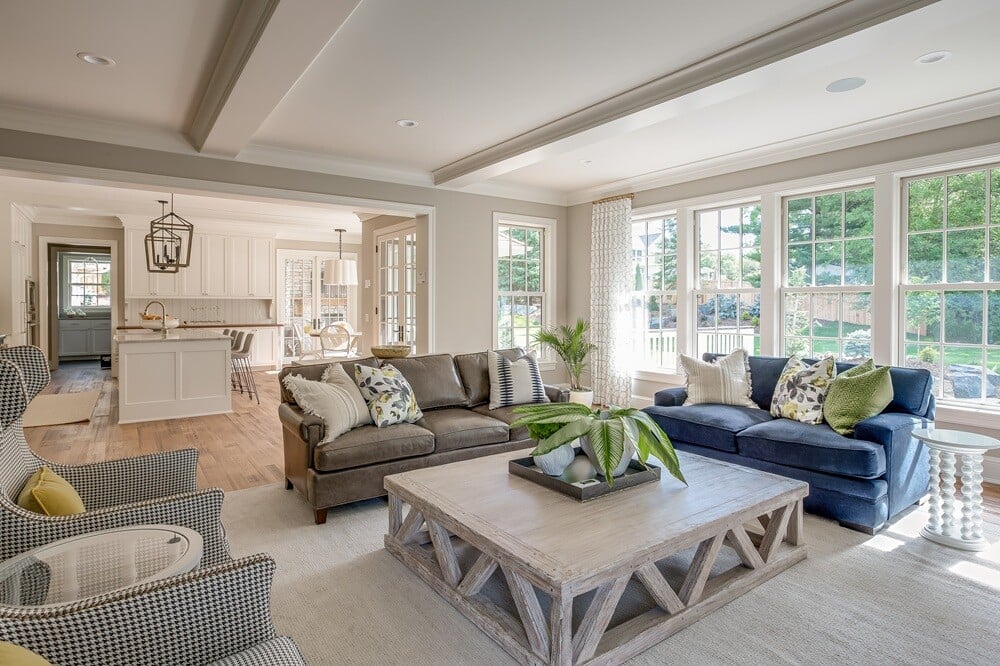
Replacement windows are becoming a more visible part of home design.
Homeowners are asking for brighter rooms, cleaner sightlines, darker exterior colors, warmer interior finishes, stronger energy performance, and products that require less routine upkeep.
But a popular feature is not automatically the right feature for every house.
The best replacement window should fit the home’s architecture, climate, room orientation, ventilation needs, comfort concerns, maintenance preferences, and budget.
Here are six window trends homeowners are asking about in 2026—and what to consider before choosing them.
What Are the Biggest Window Trends in 2026?
Homeowners are showing interest in:
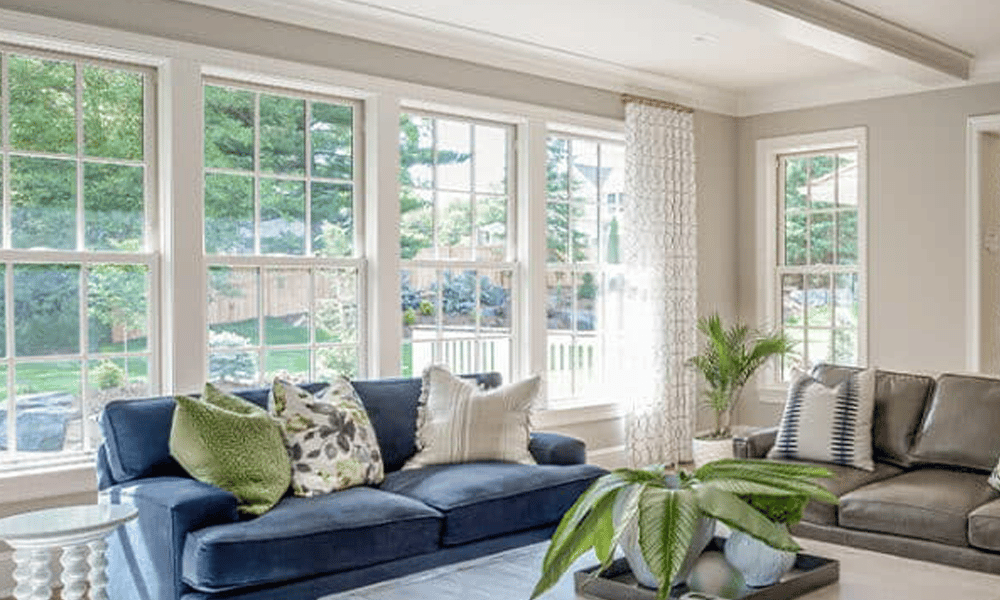
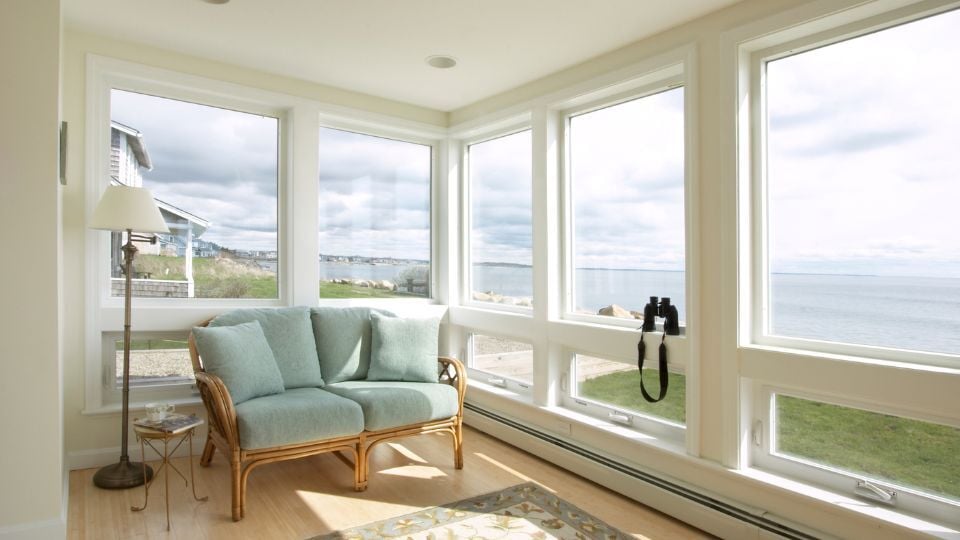
- Larger glass areas and clearer views
- Stronger whole-window energy performance
- Triple-pane glass for selected homes and rooms
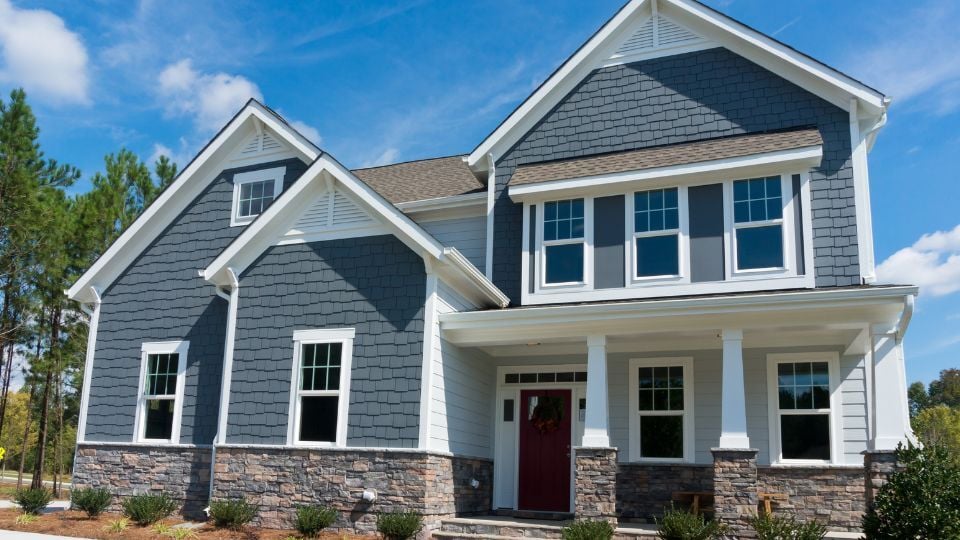
- Black, bronze, earth-tone, and woodgrain finishes
- Clean designs with simpler grid patterns
- Durable, low-maintenance custom windows
Do not choose a window based on appearance or pane count alone.
Compare:
- NFRC-certified U-factor
- Solar heat gain coefficient
- Visible transmittance
- Air-leakage performance
- Window style
- Glass package
- Frame construction
- Installation
- Warranty
- Total installed price
Joyce Windows, Sunrooms & Baths manufactures custom replacement windows and offers multiple styles, glass packages, colors, grids, and professionally installed options.
Trend 1: Larger Glass Areas and More Natural Light
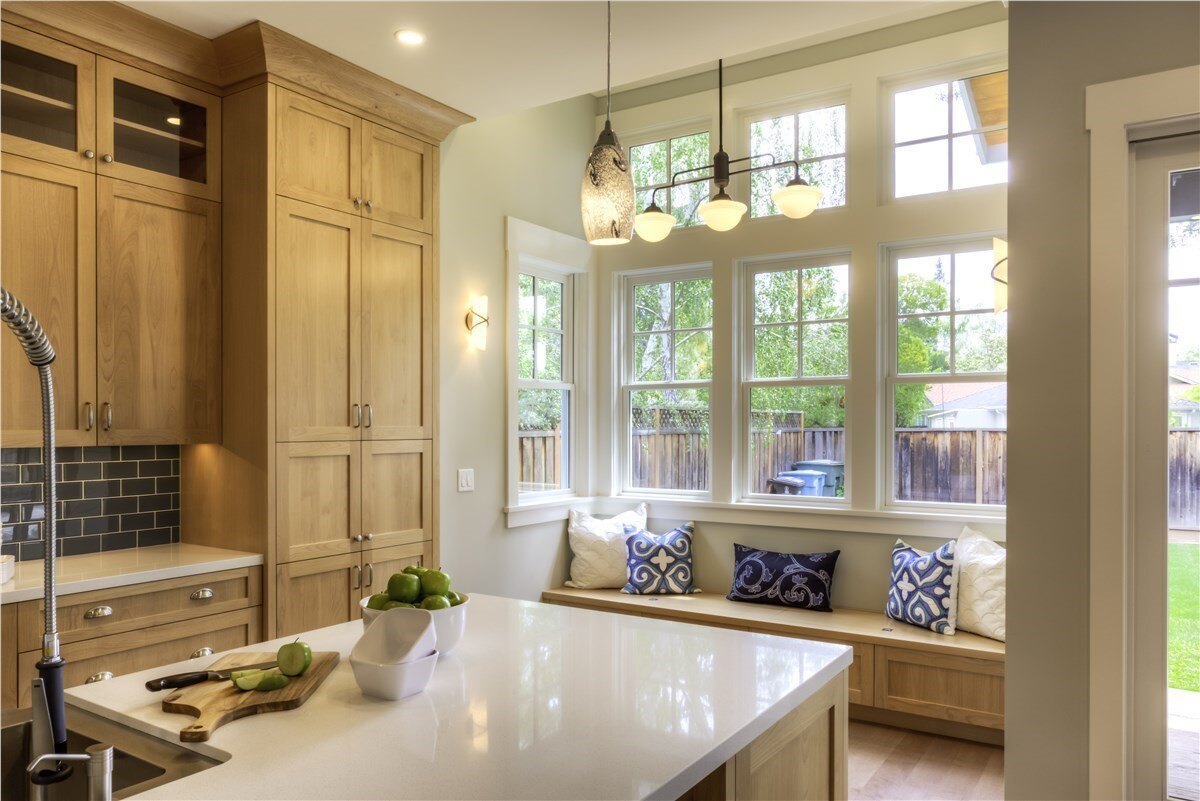
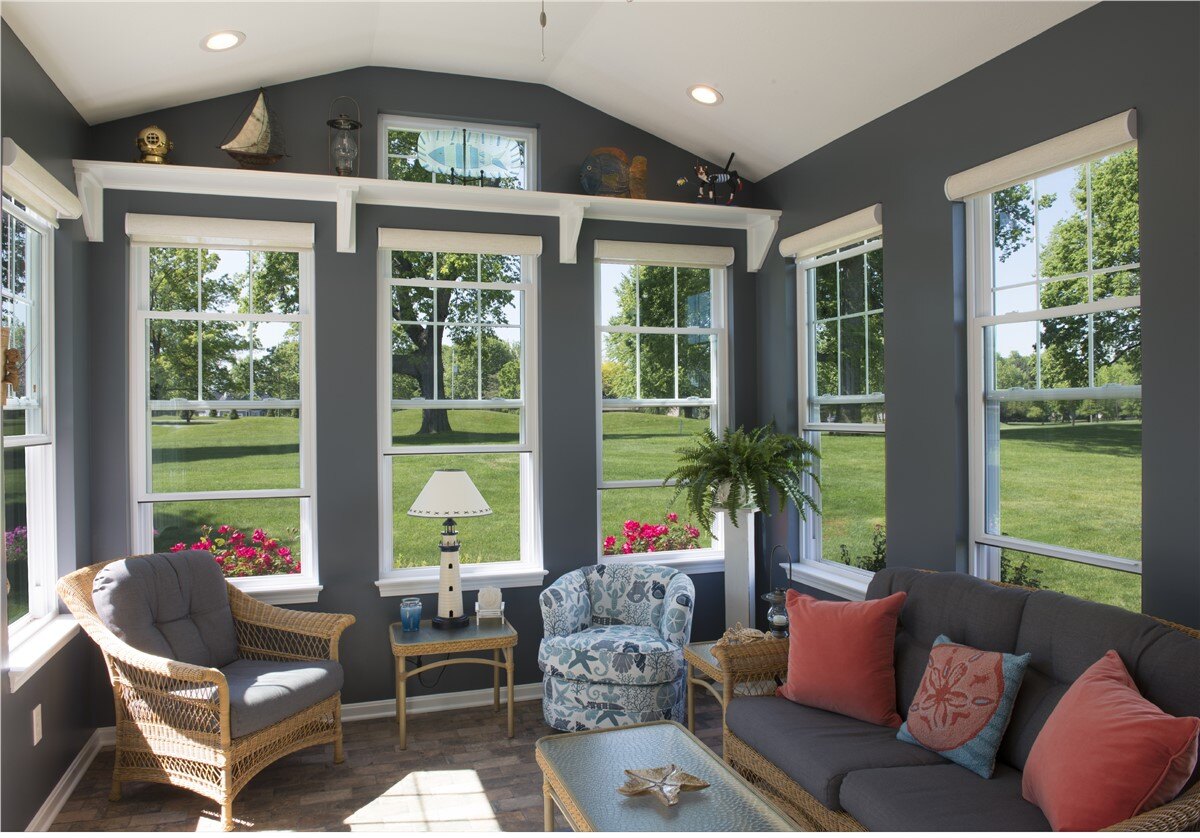
Many homeowners want windows that bring in more daylight and create a stronger connection to the outdoors.
Popular design requests include:
- Larger picture windows
- Wider combinations of fixed and operating windows
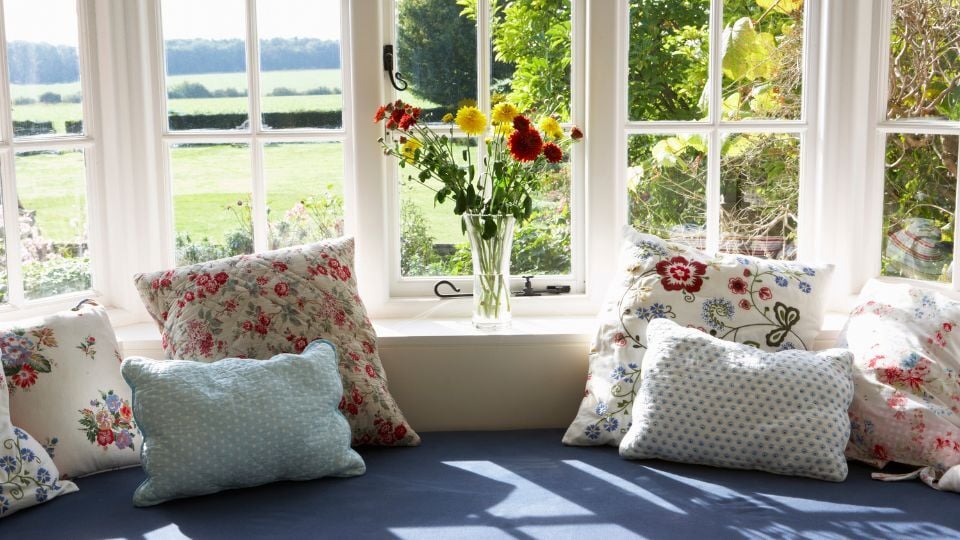
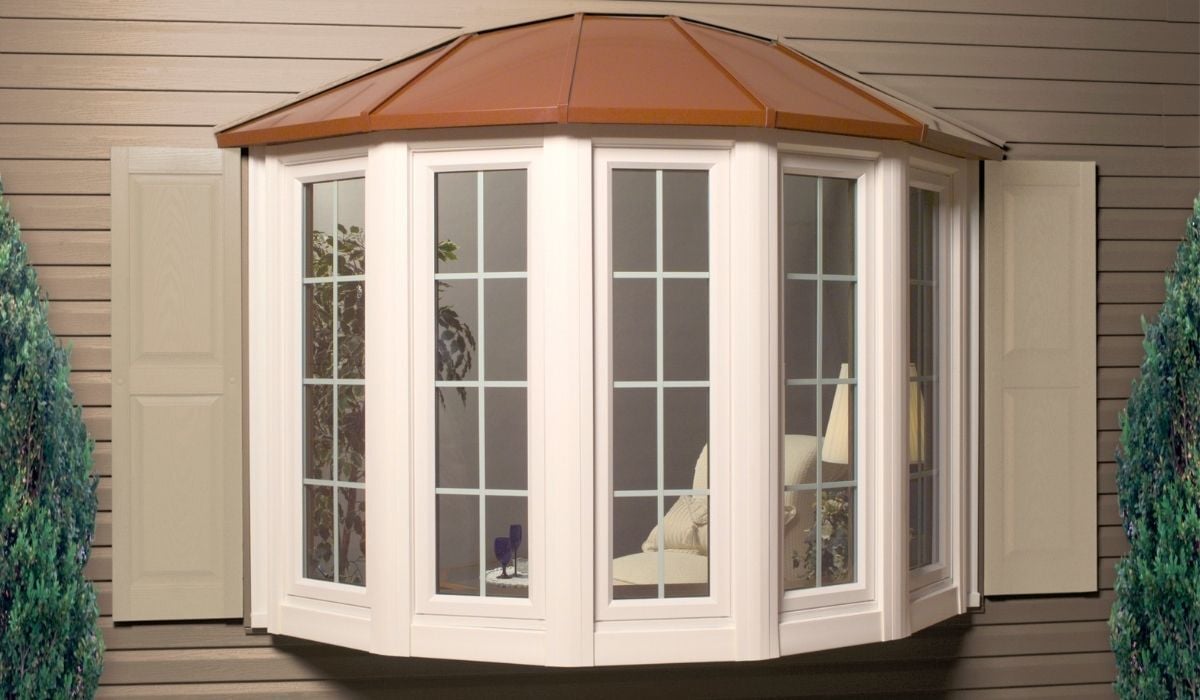
- Bay and bow windows
- Fewer visual divisions
- Simpler grids
- Cleaner sightlines
Joyce currently offers picture, casement, awning, double-hung, sliding, bay, bow, garden, and specialty-shaped windows.
Does More Glass Make a Window Less Energy Efficient?
Not necessarily, but more glass changes the performance equation.
A larger glazed area can affect:
- Heat loss
- Solar heat gain
- Glare
- Visible light
- UV exposure
- Interior surface temperature
- Room comfort
Modern glass packages, coatings, gas fills, spacers, frames, and seals can support strong performance in larger windows. The exact result should be evaluated through the whole-window NFRC ratings for the proposed style, size, and glass package.
A large picture window and a smaller operating window may not have the same U-factor or air-leakage performance even when they use similar glass.
Related Article: Energy-Efficient Windows
Where Larger Windows Work Well
Larger glass areas may be useful in:
- Living rooms
- Dining rooms
- Great rooms
- Rooms facing attractive views
- Dark spaces that need more daylight
- Areas where ventilation is provided by nearby operating windows
Questions to Ask
- Will the opening need structural changes?
- How will the larger window affect furniture placement?
- Which direction does the window face?
- Will afternoon sun create glare or overheating?
- Is an operating section needed for ventilation?
- What are the NFRC ratings for the exact configuration?
- Will tempered or other safety glass be required?
A larger window is a design and construction decision—not simply a larger version of the old unit.
Trend 2: Whole-Window Performance Matters More Than One Feature
Homeowners are increasingly asking about efficiency, drafts, room comfort, and glass performance.
That is useful, but terms such as “low-E,” “argon,” “foam-filled,” and “triple-pane” do not tell the complete story by themselves.
NFRC independently verifies whole-product energy-performance ratings for windows, doors, and skylights.
Ratings to Compare
| Rating | What it measures | General comparison |
|---|---|---|
| U-factor | How readily heat passes through the complete window | Lower generally means better insulation |
| Solar heat gain coefficient | How much solar heat enters | Lower means less solar heat gain |
| Visible transmittance | How much visible light passes through | Higher generally means more daylight |
| Air leakage | Air passing through the window assembly | Lower generally means less leakage |
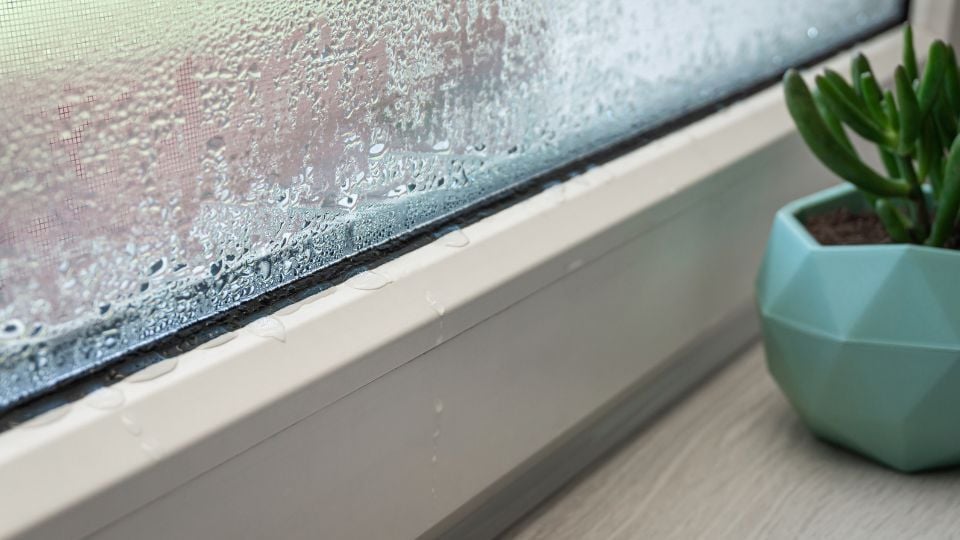
| Condensation rating | Resistance to interior surface condensation | Higher generally indicates greater resistance |
ENERGY STAR window requirements use U-factor and, where applicable, solar heat gain coefficient values based on climate zone.
Why Climate Matters
Joyce serves homeowners across several climates.
For Ohio and Pennsylvania homes, priorities may include:
- Lower heat transfer
- Reduced drafts
- Better cold-weather glass temperatures
- Reliable operation through seasonal changes
For North Carolina and South Carolina homes, priorities may include:
- Solar heat control
- Cooling-season comfort
- Lower air leakage
- UV reduction
- Moisture-aware installation
The same glass package may not be the best choice for every state, room, or window direction.
Trend 3: Triple-Pane Windows Are Getting More Attention
Triple-pane windows use three panes of glass and two enclosed spaces.
They can provide stronger insulating performance than some double-pane configurations, but the actual benefit depends on the complete window.
Joyce currently offers triple-pane options within its Eloquence collection.
When Triple-Pane Windows May Be Worth Considering
Triple-pane glass may be useful when:
- Winter comfort is a major concern.
- Rooms feel cold near the glass.
- The home is in a demanding climate.
- The homeowner wants stronger insulating performance.
- Outdoor noise is a concern and the complete glass design supports better sound control.
- The difference in whole-window ratings justifies the added price.
When Double-Pane May Be Enough
A well-designed double-pane window may be appropriate when:
- It meets the home’s performance goals.
- The climate is less demanding.
- The project budget is a major consideration.
- The proposed whole-window ratings are already strong.
- The added weight or cost of triple-pane glass provides limited practical benefit.
Do Not Treat Pane Count as the Rating
Compare:
- U-factor
- SHGC
- Visible transmittance
- Air leakage
- Glass thickness
- Pane spacing
- Low-E coating
- Gas fill
- Spacer
- Window style
- Price
The current article says triple-pane efficiency is “becoming the standard.” A safer statement is that more homeowners are asking about triple-pane options, particularly when comfort and lower heat transfer are priorities.
Trend 4: Black, Bronze, and Earth-Tone Window Colors
White remains a common and versatile window color, but homeowners are exploring darker and warmer finishes.
Joyce currently offers standard exterior colors including white, beige, and black, plus a broader palette through its Prizm exterior acrylic coating system. Interior options include classic colors and woodgrain finishes.
Popular Design Directions
Homeowners may consider:
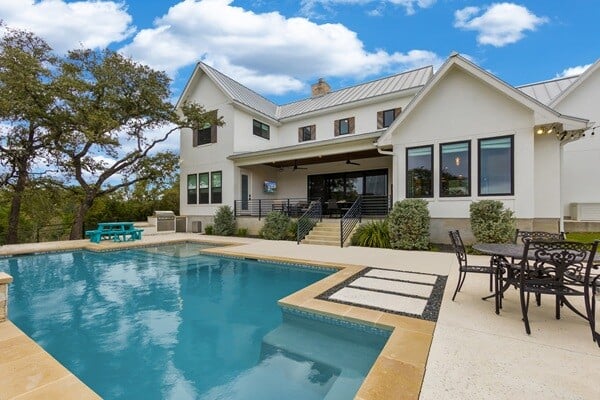
- Matte or soft black
- Dark bronze
- Medium bronze
- Warm gray
- Taupe
- Deep green
- Earth-tone neutrals
- Interior woodgrain
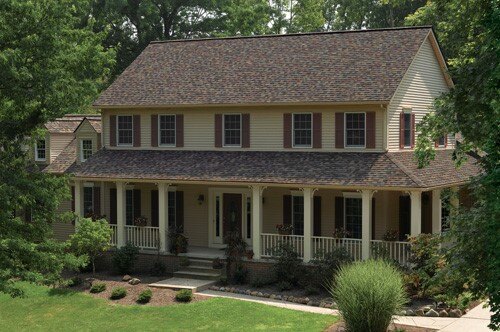
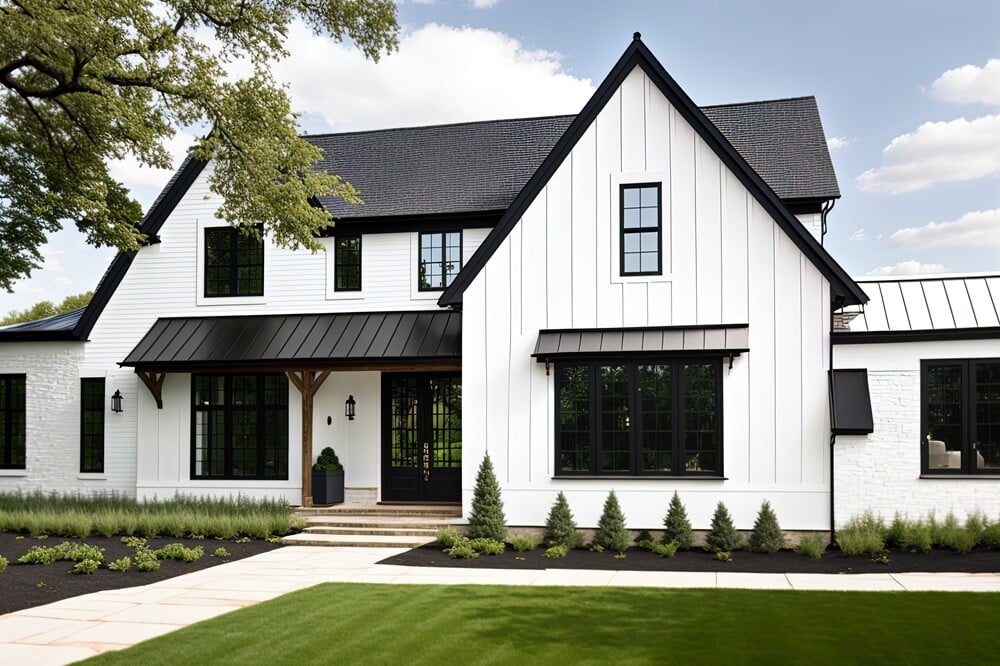
These colors can create contrast, highlight window openings, or coordinate with siding, brick, stone, roofing, shutters, and doors.
Are Black Windows Right for Every Home?
No.
Black windows may work well with:
- Modern exteriors
- White or light siding
- Brick
- Stone
- Dark roofing
- Strong architectural lines
They may feel too visually heavy on:
- Small façades
- Homes with many narrow windows
- Exteriors already using several strong colors
- Traditional homes where high contrast conflicts with existing details
Interior and Exterior Colors Do Not Have to Match
A homeowner may prefer:
- Dark exterior and white interior
- Bronze exterior and woodgrain interior
- Matching black inside and out
- A custom exterior with a neutral interior
Review full-size samples in natural light. Colors shown on screens may look different from factory-applied finishes.
Verify Finish and Warranty Claims
Joyce’s current color article makes broad lifetime fade and peel claims. Those statements should be checked against the exact finish system and current written warranty before being repeated in an evergreen trends article.
Related Article: Specialty Windows
Trend 5: Simpler Grids and Cleaner Sightlines
Homeowners seeking a modern look often request fewer decorative divisions.
Popular approaches may include:
- No grids
- Grids only on the front elevation
- Colonial grids on traditional homes
- Prairie-style patterns
- Simpler perimeter patterns
- Different grid designs on different parts of the home
Should You Remove Every Grid?
Not automatically.
Grid patterns can support the architecture of:
- Colonial homes
- Cape Cod homes
- Craftsman homes
- Farmhouses
- Traditional brick homes
- Historic-inspired designs
A no-grid picture window may suit a scenic view, while double-hung windows on the front of the house may still look more appropriate with grids.
Compare Grid Construction
Ask whether the design uses:
- Grids between the glass
- Removable interior grids
- Simulated divided lites
- Applied exterior and interior bars
The appearance, cleaning, cost, and construction differ.
Trend 6: Durable, Low-Maintenance Custom Windows
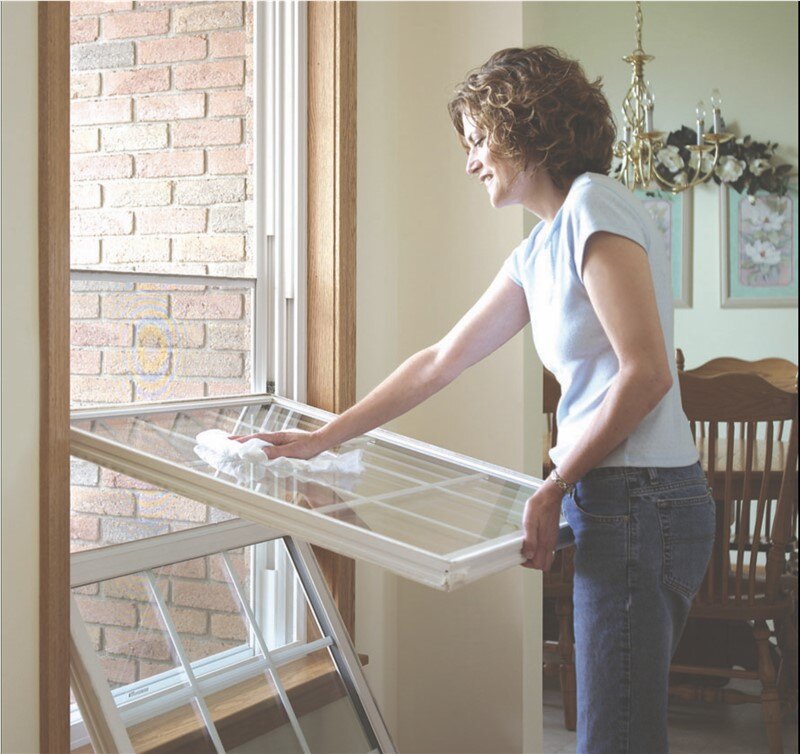
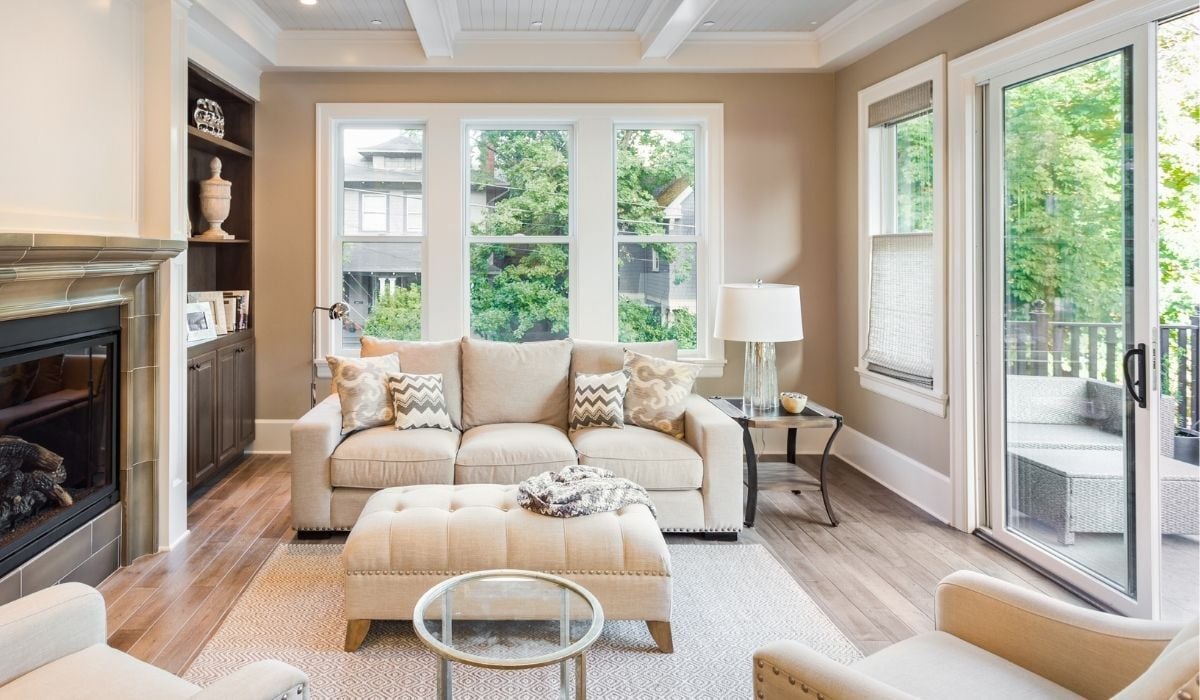
Homeowners are looking for windows that operate reliably, resist moisture, maintain their appearance, and require less routine work than older windows.
Joyce primarily offers custom vinyl replacement windows. Its current site emphasizes custom sizing, durable frame construction, multiple window styles, insulated glass options, and professional installation.
What Does Low Maintenance Mean?
Low-maintenance windows may avoid: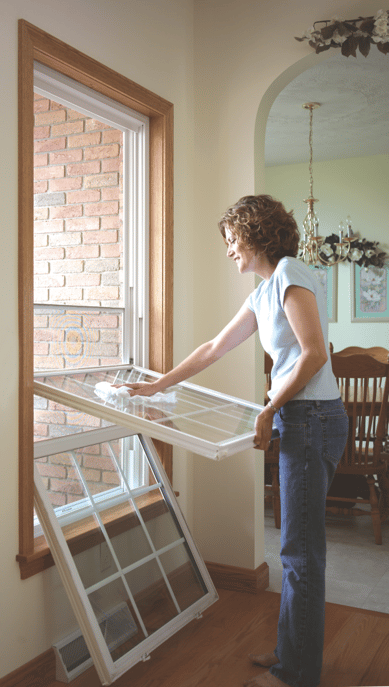
- Regular scraping
- Exterior repainting
- Frequent glazing repair
- Wood rot concerns
- Difficult storm-window maintenance
They still require:
- Glass cleaning
- Track cleaning
- Drainage-path inspection
- Hardware care
- Weatherstripping inspection
- Screen care
- Prompt service when operation changes
Low maintenance does not mean maintenance-free.
Why Custom Sizing Matters
A custom window is built around the measured opening rather than selected only from stock sizes.
This can support:
- A more appropriate fit
- Consistent appearance
- Better operation
- Reduced need to alter the opening
- Project-specific style and glass choices
Installation quality still matters. A custom window can perform poorly if it is not set, insulated, sealed, and adjusted correctly.
Additional Trend: Mixing Fixed and Operating Windows
Homeowners often want broad views without giving up ventilation.
One practical solution is combining:
- Picture windows with casements
- Picture windows with double-hung units
- Fixed center panels with operating side units
- Specialty shapes above operating windows
- Bay or bow windows with selected ventilating sections
This allows the design to balance:
- Natural light
- Ventilation
- Clear views
- Energy performance
- Cost
- Cleaning
- Emergency-egress needs where applicable
Additional Trend: Replacing Windows in Phases
A whole-home window project is not the only option.
Joyce currently says homeowners may replace a smaller group of windows or complete the home in stages, often beginning with the windows creating the greatest comfort, efficiency, or operation concerns.
A phased approach may prioritize:
- Damaged or leaking windows
- Bedrooms with comfort problems
- Frequently used living areas
- Windows that no longer open or lock correctly
- Street-facing windows where appearance matters
- Remaining windows in a later phase
Ask whether colors, glass packages, hardware, and product collections are likely to remain available across phases.
How Should You Evaluate a Window Trend?
Use this checklist.
Start With the Problem
Is the goal to:
- Reduce drafts?
- Improve comfort?
- Add daylight?
- Improve ventilation?
- Update the exterior?
- Make windows easier to operate?
- Reduce maintenance?
- Improve a view?
- Replace damaged units?
Compare the Exact Product
Ask for:
- Joyce collection
- Window style
- Frame color
- Interior finish
- Grid pattern
- Glass package
- U-factor
- SHGC
- Visible transmittance
- Air-leakage rating
- Hardware
- Warranty
Review the Installation
Ask:
- Is this insert or full-frame replacement?
- What will be removed?
- How will the perimeter be insulated?
- How will exterior water be managed?
- What interior and exterior trim is included?
- What happens if damage is found?
- Who completes the final inspection?
Review Cost and Tradeoffs
A trendy choice may affect:
- Product price
- Custom finish cost
- Glass cost
- Structural work
- Installation
- Delivery time
- Replacement-part availability
- Future color matching
Choose the feature because it solves a problem or supports the home—not simply because it is popular.
What Do Joyce Replacement Windows Offer?
Joyce Windows, Sunrooms & Baths currently offers:
- Custom replacement windows
- Eloquence, Heritage, and specialty collections
- Double-hung windows
- Sliding windows
- Picture windows
- Casement windows
- Awning windows
- Bay and bow windows
- Garden windows
- Specialty shapes
- Double- and triple-pane options depending on collection
- Multiple glass packages
- Exterior colors
- Interior woodgrain finishes
- Grid options
- Factory manufacturing
- Professional installation
- A Window Pricing Calculator
Joyce manufactures its own replacement windows and provides design guidance, custom measurements, installation, and service.
Frequently Asked Questions About 2026 Window Trends
Are black windows still popular in 2026?
Black remains a common high-contrast design choice, while bronze, earth tones, custom exterior colors, and woodgrain interiors are also receiving interest. The best color depends on the house and surrounding materials.
Are triple-pane windows becoming standard?
Triple-pane options are receiving more attention, but they are not necessary for every home. Compare whole-window ratings, climate, comfort needs, weight, and cost.
Do larger windows lose more energy?
A larger glass area can change heat transfer and solar gain, but modern glass and frame systems may still provide strong performance. Review the NFRC ratings for the exact window.
Which window rating is most important?
No single rating answers every question. U-factor, SHGC, visible transmittance, air leakage, climate, window style, and installation all matter.
Are no-grid windows more modern?
No-grid designs often create cleaner sightlines, but grids may better support traditional architecture. Choose the pattern that fits the home.
Are vinyl windows still popular?
Vinyl remains widely used for replacement windows because it can offer durable, moisture-resistant, low-maintenance frame construction. Product design and installation quality still vary.
Should every window in the house match?
Exterior consistency is usually important, but different rooms may need different styles, operating features, or glass packages. A coordinated plan can allow useful variation.
Can Joyce make black or custom-colored windows?
Joyce currently offers standard white, beige, and black exteriors along with a broader Prizm exterior-color system and interior woodgrain options.
Does Joyce offer triple-pane windows?
Joyce currently promotes triple-pane configurations within its Eloquence collection. Confirm availability and ratings for the exact style and size.
How much do replacement windows cost?
Cost depends on quantity, style, size, collection, glass package, colors, grids, installation, and custom details. Joyce’s calculator provides a ballpark range before exact measurements.
Choose Features That Will Matter After the Trend Changes
Window trends can provide useful ideas.
Larger glass may improve a view. A dark exterior can sharpen curb appeal. Triple-pane glass may improve comfort in the right home. Simpler grids can create a cleaner look.
But the most successful project will still depend on:
- The home
- Climate
- Exact window
- Whole-product ratings
- Installation
- Maintenance
- Warranty
- Budget
Joyce Windows, Sunrooms & Baths can help you compare current styles, colors, glass packages, energy ratings, and project costs without choosing a feature simply because it is trending.

Topics: