Choosing replacement windows gets easier when you stop asking which material is “best” and start asking which one fits your home, budget, and maintenance preferences.
For many homeowners, the real choice comes down to this: do you want the classic look of wood, or do you want a lower-maintenance option that is often easier on the budget? Both can work. The better fit depends on what matters most to you.
Quick Overview
If low maintenance, lower upfront cost, and easier long-term upkeep are higher on your list, vinyl windows are often the better fit.
If preserving a traditional look is your top priority and you are comfortable with more upkeep, wood windows may still appeal to you.
Start With Your Priorities, Not Just The Material
Window decisions usually feel overwhelming when every option sounds important. A simpler way to compare materials is to rank your priorities first.
Ask yourself:
- Is budget your biggest concern?
- Do you want the least amount of maintenance possible?
- Are you trying to match the character of an older home?
- Do you want a window that looks updated and performs well without adding more upkeep to your routine?
When you answer those questions honestly, the right choice usually becomes clearer.
When Vinyl Windows Make More Sense
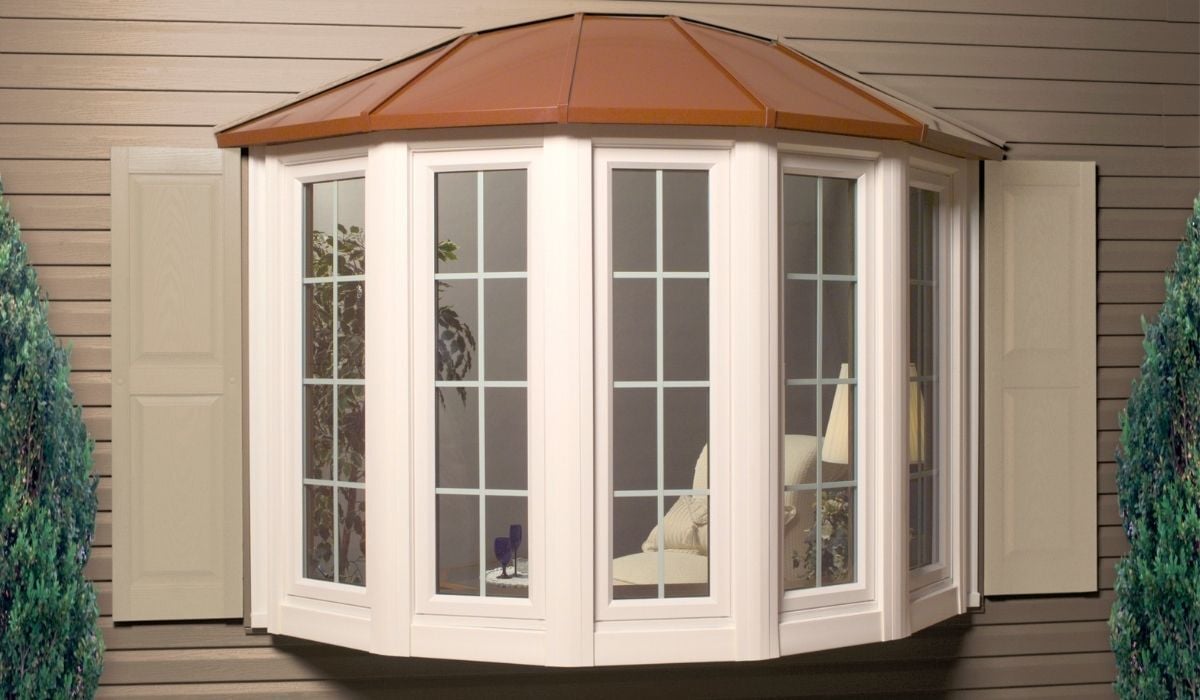
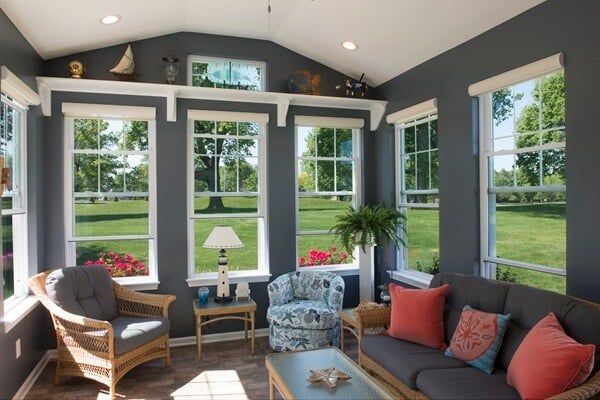
Vinyl windows are often the better fit for homeowners who want practical value.
They are a strong option when your priorities include:
- lower upfront cost
- less ongoing maintenance
- durable materials
- energy-efficient performance
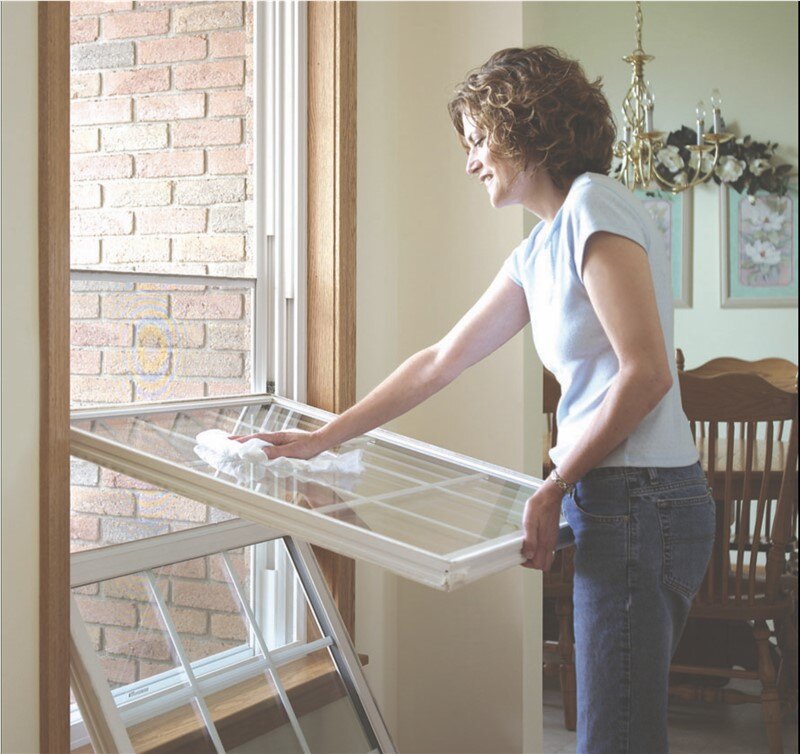
- easier cleaning and everyday use
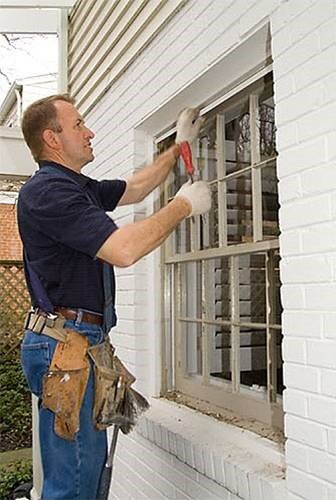
Modern replacement windows are also designed for a tighter fit and better seal, which can help reduce drafts and improve comfort when older windows are no longer performing well.
When Wood Windows May Still Appeal To You
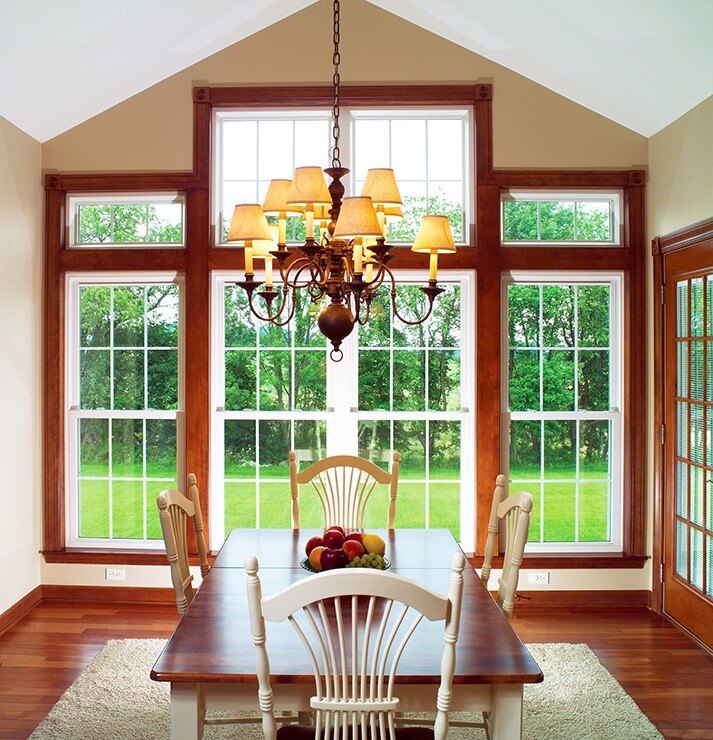
Wood windows are often chosen for appearance first.
They can make sense for homeowners who:
- want a more traditional look
- are restoring an older home
- care most about matching existing architectural details
- are comfortable with more hands-on upkeep over time
That does not automatically make wood the wrong choice. It just means the decision often comes with more maintenance responsibility, which should be part of the comparison from the start.
Cost: What Matters Beyond the Sticker Price
Upfront price matters, but it is not the only number worth thinking about.
A lower purchase price can matter a lot if you are replacing several windows at once. Long-term upkeep matters too. A window that needs less attention year after year may fit better for homeowners who want fewer recurring chores and fewer maintenance-related costs.
That is one reason many homeowners lean toward vinyl when they are balancing budget, convenience, and overall value.

Maintenance: One of the Biggest Decision-Makers
For a lot of homeowners, maintenance becomes the deciding factor.
If you do not want to think about scraping, repainting, resealing, or protecting window material over time, vinyl usually feels easier to live with. It is often the better fit for busy households, rental properties, and homeowners who want to reduce exterior upkeep.
If you enjoy preserving original details or do not mind the extra care that can come with traditional materials, wood may still fit your goals.

Appearance: Traditional Character vs. Everyday Practicality
Appearance matters, but it helps to define what that really means for your home.
Some homeowners want a classic, traditional look. Others want clean lines, updated color options, and a style that feels fresh without adding extra work.
This is where the “best” option becomes personal. A homeowner focused on curb appeal with minimal upkeep may prefer vinyl. A homeowner focused on historic character may prefer wood.
The right answer is not universal. It depends on the look you want and how much work you want that look to require.
Related Article: Energy Efficient Windows
Performance and Comfort Matter Too
Older windows often create the same set of complaints:
- drafts in colder months
- rooms that heat up too fast
- higher heating and cooling strain
- windows that are harder to open, close, or clean
Modern replacement windows are built to address those problems with better sealing, improved fit, insulated glass options, and styles designed for easier use. That matters just as much as the frame material.
A Simple Way to Make the Final Decision
If you are stuck between vinyl and wood, use this quick filter:
- lower maintenance
- strong everyday value
- a more budget-friendly starting point
- a simpler ownership experience
Choose wood if you want:
- a more traditional appearance
- material authenticity as a top priority
- to preserve a classic architectural style
- a window you are willing to maintain more actively

What Many Homeowners Do Next
Once homeowners narrow the material choice, the next step is usually comparing styles, pricing, and installation plans.
That is where it helps to look at the full project, not just the frame material. The right window should fit your home, match your goals, and make the space more comfortable to live in.
Ready to Compare Your Options?
If vinyl windows are rising to the top of your list, the next step is to compare styles, estimate cost, and see what fits your home best.
A design consultation can help you sort through material choices, window styles, and budget priorities without overcomplicating the process.





_flipped.jpg?width=3246&height=2550&name=joyce_%23034-outside(c)_flipped.jpg)