
Vinyl and wood can both be used to make attractive, energy-efficient replacement windows. The better choice depends on what matters most to you.
Vinyl windows are often the practical choice for homeowners who want lower routine maintenance, strong energy performance, and a more manageable project cost. Wood windows may appeal more to homeowners who want an authentic natural-wood interior, detailed traditional styling, or a material that can be refinished.
The frame material is only one part of the decision. Before choosing, compare the complete window’s glass package, certified energy ratings, construction, warranty, installation, maintenance needs, and total project price.
Are Vinyl or Wood Windows Better?
Vinyl windows are often better when you prioritize:
- Lower routine maintenance
- No regular painting or staining
- Strong value for the project budget
- Energy-efficient frame construction
- Custom colors, grids, and window styles
- Easier care in changing weather
- A factory-direct replacement window option from Joyce
Wood windows may be better when you prioritize:
- The appearance and feel of real wood
- A traditional or historic interior
- The ability to stain or repaint the interior
- Detailed architectural authenticity
- A premium material and are comfortable with ongoing upkeep
Neither material is automatically more energy efficient in every configuration. Compare the National Fenestration Rating Council label for the exact window, including its U-factor, solar heat gain coefficient, visible transmittance, and other available ratings.
Joyce Windows, Sunrooms & Baths manufactures custom vinyl replacement windows designed around comfort, durability, energy efficiency, and style. Joyce does not currently position wood windows as one of its primary manufactured replacement-window collections.
Want to see what new windows could cost?

What Is the Main Difference Between Vinyl and Wood Windows?
The main difference is the material used to construct the window frame and sash.
Vinyl windows use rigid polyvinyl chloride, commonly called PVC. Quality vinyl window frames may contain multiple internal chambers, reinforcement, insulation, and welded corners.
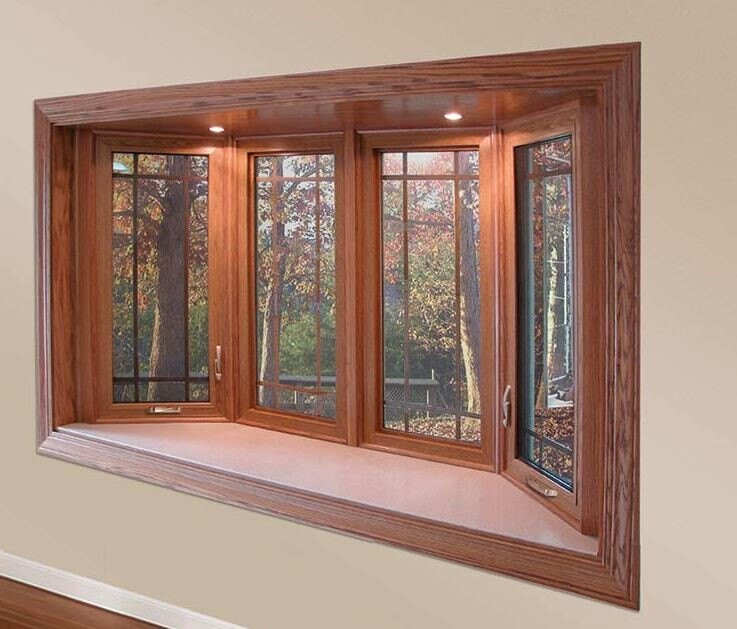
Wood windows use natural wood in the frame and sash. Some have exposed wood on both the interior and exterior. Others use protective aluminum, vinyl, or fiberglass cladding over the exterior while leaving wood visible inside.
These construction differences affect:
- Maintenance
- Appearance
- Price
- Moisture resistance
- Finish options
- Repair and refinishing
- Long-term care
- Product availability
The material name alone does not reveal the window’s quality. An entry-level product and a premium product made from the same general material can perform very differently.
Vinyl vs. Wood Windows at a Glance
| Factor | Vinyl windows | Wood windows |
|---|---|---|
| Routine maintenance | Generally low | Requires more regular inspection and finish care |
| Painting and staining | Usually not needed | Often required over the window’s life |
| Moisture concerns | Does not rot like wood | Can swell, decay, or deteriorate if unprotected |
| Interior appearance | Smooth or wood-look finishes | Authentic natural grain and texture |
| Color changes later | Usually limited | Can often be repainted or restained |
| Initial project cost | Often lower | Often higher, especially for premium products |
| Energy performance | Can be very strong | Can also be very strong |
| Style options | Broad and continually expanding | Strong for traditional and architectural designs |
| Scratch repair | Depends on finish and damage | Wood may be sanded or refinished |
| Best suited for | Low-maintenance replacement projects | Premium or historically sensitive applications |
This table describes common differences, not guarantees. Product design, coatings, cladding, quality, climate, installation, and maintenance can change the comparison.
Are Vinyl or Wood Windows More Energy Efficient?
Both materials can be part of an energy-efficient window.
The U.S. Department of Energy notes that vinyl, wood, fiberglass, and some composite frames generally provide better thermal resistance than metal frames. However, the frame is only one part of the complete window.
Energy performance also depends on:
- The number of glass panes
- Low-E coatings
- Gas fills
- Spacers
- Frame construction
- Weather seals
- Window style
- Product size
- Air leakage
- Installation quality
- The home’s climate and orientation
A well-designed vinyl window can outperform a poorly configured wood window. A high-performance wood window can outperform a basic vinyl product.
Related Article: Energy-Efficient Windows
Compare the NFRC Label
The National Fenestration Rating Council independently verifies energy-performance ratings for complete windows, doors, and skylights.
Important ratings may include:
- U-factor: How well the complete product limits heat loss. Lower numbers generally indicate better insulating performance.
- Solar heat gain coefficient: How much solar heat passes through the window. The appropriate number depends on climate, orientation, and the room.
- Visible transmittance: How much visible light comes through the product.
- Air leakage: How much air passes through the window assembly, when listed.
- Condensation resistance: How well the product resists interior surface condensation, when available.
Compare ratings for the exact size, style, glass package, and configuration you are buying. Do not assume every window from one material or manufacturer has the same performance.
Which Window Material Requires Less Maintenance?
Vinyl generally requires less routine maintenance than exposed wood.
Vinyl Window Maintenance
Typical vinyl-window care may include:
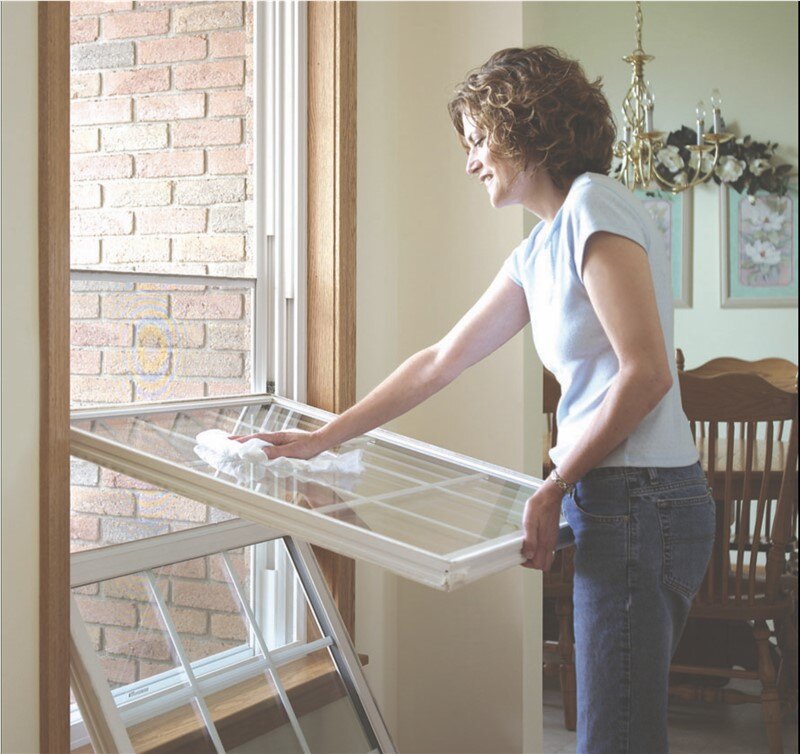
- Washing frames with mild soap and water
- Cleaning glass
- Vacuuming tracks
- Clearing drainage openings
- Inspecting weather seals
- Lubricating approved hardware
- Checking locks and operation
- Scheduling service when a sash becomes difficult to move
Vinyl should be described as low-maintenance, not maintenance-free. Hardware, screens, seals, glass, drainage paths, and moving parts still need care.
Related Article: Benefits of Vinyl Windows
Wood Window Maintenance
Wood windows may require:
- Cleaning
- Inspection for peeling or failed finish
- Repainting or restaining
- Sealing exposed surfaces
- Checking for moisture intrusion
- Repairing minor surface damage
- Monitoring joints and exterior cladding
- Addressing swelling, decay, or insect damage
Maintenance needs depend on whether the exterior wood is exposed or protected by cladding.
Homeowners who enjoy caring for natural materials may consider this upkeep worthwhile. Those who want fewer recurring exterior projects may prefer vinyl.
Which Looks Better: Vinyl or Wood?
Appearance is subjective.
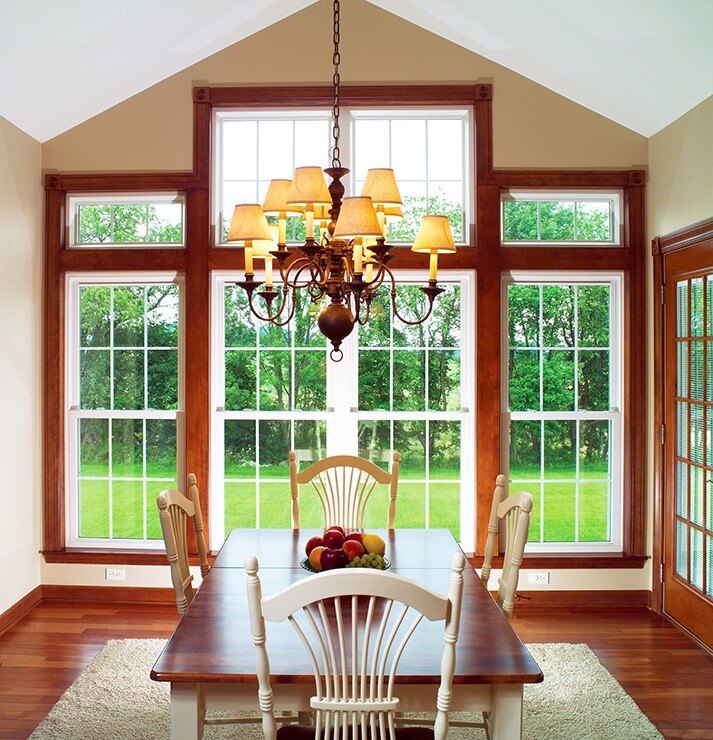
Wood has a natural grain, warmth, and depth that many homeowners associate with traditional craftsmanship. It can be especially appealing in historic homes, detailed interiors, or rooms where the windows are a major architectural feature.
Vinyl once had a reputation for being available only in basic white frames. Modern vinyl replacement windows can offer:
- Interior and exterior color options
- Wood-look finishes
- Decorative grids
- Custom hardware
- Multiple frame profiles
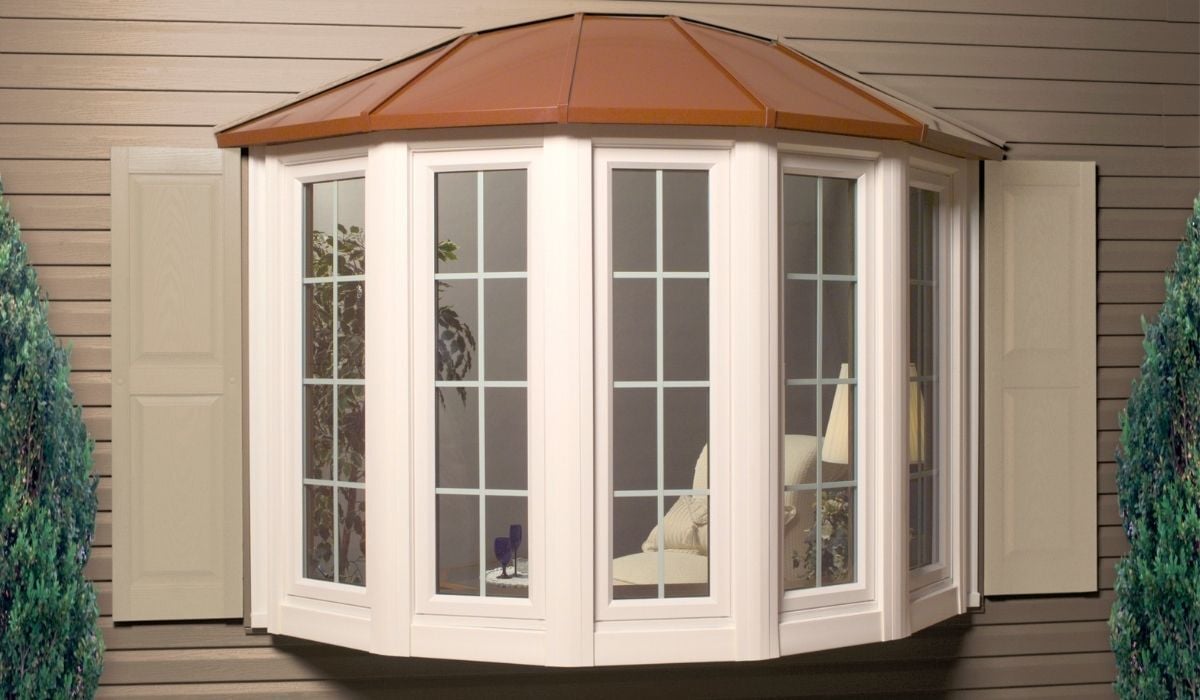
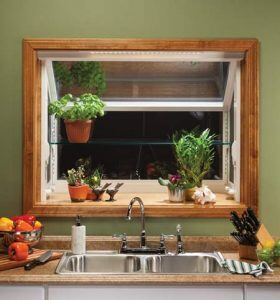
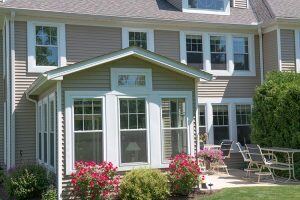
- Double-hung, slider, casement, awning, picture, bay, bow, garden, and specialty shapes
Wood may still provide the most authentic natural finish, but vinyl offers far more design flexibility than older products did.
Consider the Entire Home
Ask:
- What material are the existing interior trim and doors?
- Is the home traditional, transitional, or contemporary?
- Do you want the windows to blend in or stand out?
- Are there historic-district or homeowners association requirements?
- Will different window materials be visible in the same room?
- Do you want to change the interior finish later?
The best-looking window is one that fits the home’s architecture and remains practical for the homeowner to care for.
Do Wood Windows Last Longer Than Vinyl Windows?
Material alone does not determine lifespan.
A window’s useful life depends on:
- Product quality
- Frame and sash construction
- Glass seals
- Hardware
- Climate
- Sun exposure
- Moisture
- Installation
- Maintenance
- Frequency of use
- Availability of service and replacement parts
Well-maintained wood windows can last for many years and may be repairable or refinishable. Neglected wood can deteriorate when moisture reaches unprotected areas.
Quality vinyl does not rot, but the complete window can still experience worn weather seals, failed insulated glass, damaged hardware, movement, or installation-related problems.
Avoid choosing a window based only on a generalized lifespan claim. Review the written warranty, maintenance instructions, construction details, and local service process.
Do Vinyl Windows Warp, Crack, or Fade?
Vinyl quality varies.
A well-designed vinyl window should account for normal expansion and contraction as temperatures change. Product formulation, reinforcement, frame design, color, sun exposure, installation, and manufacturing quality all affect long-term performance.
Ask:
- How is the sash or frame reinforced?
- Are the corners mechanically fastened or welded?
- Which exterior colors are available?
- How does the manufacturer address expansion and contraction?
- What does the warranty say about cracking, warping, or finish problems?
- Who provides local service?
- Are replacement parts available?
Do not assume every vinyl window performs the same way.
Can Wood Windows Rot?
Wood can decay when moisture repeatedly reaches unprotected material.
Possible risk factors include:
- Failed paint or stain
- Damaged exterior cladding
- Poor flashing
- Water trapped near the sill
- Condensation
- Roof or siding leaks
- Failed caulk
- Improper installation
- Neglected maintenance
Wood-window owners should inspect the sash, sill, joints, trim, and exterior finish regularly. Soft areas, peeling coatings, dark staining, or recurring moisture should be investigated early.
Properly protected and maintained wood can remain attractive for a long time. The tradeoff is the additional attention it requires.
Which Costs More: Vinyl or Wood Windows?
Wood windows commonly carry a higher initial price than vinyl, particularly when they use premium wood species, custom finishes, exterior cladding, or detailed architectural features.
However, no universal price multiplier applies to every project.
The complete cost depends on:
- Window brand and collection
- Material and construction
- Window size
- Window style
- Glass package
- Interior and exterior finish
- Grids
- Hardware
- Specialty shapes
- Existing opening condition
- Installation difficulty
- Trim and finishing
- Project size
- Warranty and service coverage
A basic wood product should not be compared with a premium vinyl window—or vice versa—based only on frame material.

Consider Long-Term Ownership Costs
The lower purchase price is not the only financial factor.
For wood windows, consider possible future expenses for:
- Painting or staining
- Exterior finish repair
- Moisture-damage repair
- Professional maintenance
- Specialty restoration
For vinyl windows, consider:
- Hardware or screen service
- Glass-seal coverage
- Finish limitations
- Whether damaged frame sections can be repaired
- Warranty exclusions
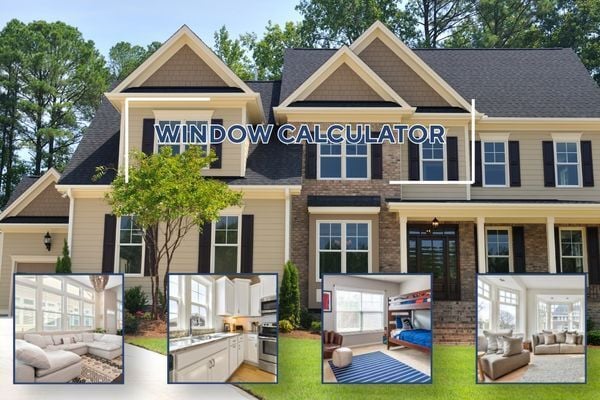
Joyce’s Window Cost Calculator provides a ballpark range based on the number of windows, styles, glass package, colors, grids, and installation needs. An in-home measurement is still required for exact pricing.
Are Vinyl Windows Better in Wet or Humid Climates?
Vinyl does not absorb water or rot like exposed wood, which can make it a practical frame material in rainy or humid conditions.
However, moisture performance still depends on the complete installation.
Even a moisture-resistant frame can experience problems when:
- Flashing is incorrect
- The opening leaks
- Drainage is blocked
- Exterior sealants fail
- Condensation is not managed
- Water reaches surrounding wood framing
In Ohio and Pennsylvania, homeowners may be especially concerned with winter heat loss, drafts, and changing temperatures. In North Carolina and South Carolina, solar heat, humidity, cooling-season comfort, and UV exposure may receive more attention.
The glass package and installation should be selected for the home’s actual climate rather than using the same configuration everywhere.
Are Wood Windows Better for Historic Homes?
Sometimes.
Authentic wood may be preferred or required when:
- The home is in a regulated historic district
- Original windows are being restored
- Existing trim and millwork must be matched
- A specific divided-light profile is required
- Preservation guidelines restrict replacement materials
Before ordering windows, check with the applicable historic commission, homeowners association, or local building authority.
Some modern vinyl or composite products can reproduce traditional colors, grids, and proportions, but they may not satisfy every preservation requirement.
Can Vinyl Windows Look Like Wood?
Yes, some vinyl windows offer interior laminates, textured finishes, or wood-look colors.
These options can create a warmer appearance without requiring the same maintenance as exposed natural wood. However, the result is a manufactured finish rather than real wood grain.
Review full-size samples in the home’s natural light. Small color chips may not show how the finish will look beside flooring, trim, cabinetry, and furniture.
Which Material Offers Better Value?
Value depends on your goals.
Vinyl May Offer Better Value When:
- You want energy-efficient replacement windows without a premium natural-wood price.
- You prefer lower routine maintenance.
- You plan to replace several windows at once.
- You want custom sizing and broad style options.
- You do not need authentic stain-grade wood.
- You value factory and installation support from one company.
Wood May Offer Better Value When:
- Authentic natural wood is central to the home’s design.
- You are restoring a historic or high-end property.
- You want the option to repaint or restain the interior.
- You accept higher initial and maintenance costs.
- Matching existing millwork matters more than minimizing upkeep.
The “best value” is not necessarily the lowest bid. It is the product that meets the home’s performance, design, maintenance, service, and budget needs over time.
What Should You Compare Before Buying Replacement Windows?
Ask each company to provide details for the exact proposed window.
Product Performance
- What are the NFRC ratings?
- Which glass package is included?
- Is the rating for the exact window style and size?
- What frame insulation or reinforcement is used?
- How is air leakage addressed?
Materials and Maintenance
- What maintenance is required?
- Can the frame be painted?
- How should the finish be cleaned?
- What causes warranty exclusions?
- Are repair parts available?
Installation
- Who performs the installation?
- Is the opening measured before manufacturing?
- How is insulation installed around the frame?
- How are water management and exterior sealing handled?
- What happens if hidden damage is found?
Warranty and Service
- What is covered for the frame, glass, hardware, screen, finish, and labor?
- Is the warranty transferable?
- Who handles service?
- Are there trip or labor charges?
- How long are replacement parts expected to remain available?
Price
- Is installation included?
- Are trim and finishing included?
- Are permits included?
- What can change after the contract is signed?
- Is financing available?
- Can the project be completed in phases?
This comparison is more useful than asking only whether wood or vinyl is “better.”
Related Article: Best Replacement Window Types
Why Joyce Focuses on Vinyl Replacement Windows
Joyce Windows, Sunrooms & Baths manufactures custom replacement windows in its own factory. Its current collections include Eloquence, Heritage, and specialty-window options designed around energy efficiency, durability, comfort, and style.
Joyce vinyl replacement windows are available in styles such as:
- Double-hung
- Slider
- Casement
- Awning
- Picture
- Bay
- Bow
- Garden
- Custom shapes
Joyce’s factory-direct model means the company helps guide product selection, manufacturing, professional installation, and service rather than acting only as a reseller.
Available glass packages, finishes, grids, hardware, reinforcement, insulation, and warranty coverage depend on the selected collection and written project documents.

Frequently Asked Questions About Vinyl and Wood Windows
Are vinyl windows cheaper than wood windows?
Vinyl windows often have a lower initial price, but the difference depends on the brand, collection, size, style, glass, finish, installation, and customization. Compare complete written proposals rather than relying on a universal percentage.
Are vinyl windows more energy efficient than wood?
Not automatically. Both materials can be used in energy-efficient products. Compare the complete window’s NFRC ratings, glass package, frame design, seals, and installation.
Do vinyl windows require maintenance?
Yes, but generally less than exposed wood. Vinyl frames still need cleaning, and the glass, tracks, drainage openings, screens, weather seals, locks, and hardware should be inspected.
Do wood windows require painting?
Many exposed wood windows require periodic painting, staining, or sealing. Exterior-clad wood products may need less finish maintenance, but they still require inspection and care.
Can vinyl windows look like wood?
Some vinyl products offer wood-look laminates, textures, or interior colors. These can provide a warmer appearance but are not the same as natural stain-grade wood.
Do wood windows rot?
Wood can rot when moisture reaches inadequately protected material. Proper finishing, flashing, installation, drainage, and routine maintenance reduce the risk.
Which type lasts longer?
There is no universal answer. Lifespan depends on product quality, climate, installation, use, maintenance, glass seals, hardware, and service—not only the frame material.
Are wood windows better for historic houses?
They may be preferred or required in some historic districts. Verify local preservation rules before selecting a replacement product.
Does Joyce install wood replacement windows?
Joyce’s current replacement-window collections primarily feature custom vinyl windows. Confirm any project-specific alternatives directly with Joyce before stating that a wood product is available.
How much do Joyce replacement windows cost?
Pricing depends on the quantity, window styles, sizes, glass package, colors, grids, collection, and installation conditions. The Joyce Window Cost Calculator provides a ballpark range before an in-home measurement.
Choose Based on the Complete Window, Not One Material
Wood windows offer natural beauty, refinishing flexibility, and traditional character. Vinyl windows offer lower routine maintenance, broad design options, moisture resistance, and strong value for many replacement projects.
The best decision comes from comparing complete products with similar styles and performance—not broad claims about the materials alone.
Review the NFRC ratings, inspect full-size samples, understand the maintenance requirements, read the warranty, and compare the complete installed price.
Joyce Windows, Sunrooms & Baths can help you explore custom vinyl replacement-window styles, glass packages, colors, grids, pricing, and installation options for your home.

Topics:




_flipped.jpg?width=3246&height=2550&name=joyce_%23034-outside(c)_flipped.jpg)