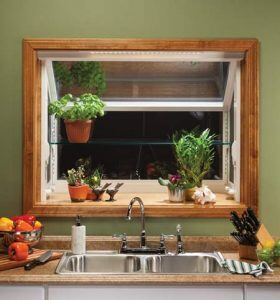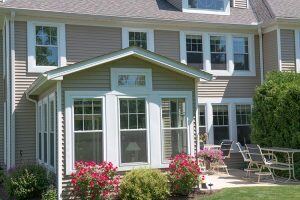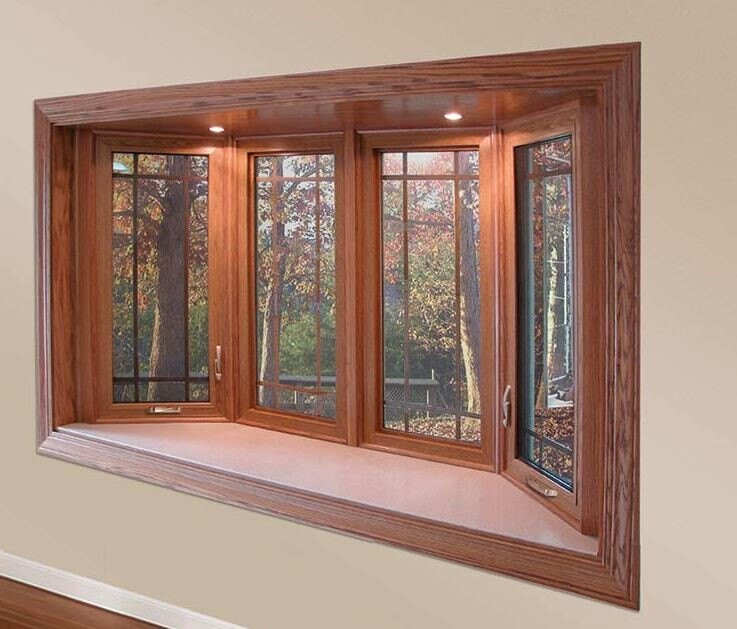


Windows bring natural light, ventilation, and outdoor views into your home. They can also play an important role in home safety.
An operable window may provide a secondary escape route during a fire or other emergency. At the same time, an open window can create a fall hazard, especially for young children.
The goal is not simply to keep every window closed. It is to make sure your windows are secure during everyday use while remaining accessible when they are part of your family’s emergency plan.

How Do You Make Windows Safer?
To improve window safety at home:
- Keep beds, chairs, toy boxes, and other climbable furniture away from windows.
- Never rely on an insect screen to prevent a fall.
- Use appropriate window guards or opening-control devices where needed.
- Make sure fall-prevention devices can be released when a window is required for emergency escape.
- Test bedroom and basement escape windows to confirm they open properly.
- Do not paint, nail, or permanently block an emergency window shut.
- Include windows in your family’s fire escape plan.
- Repair or replace windows that are difficult to open, close, lock, or operate.
The U.S. Consumer Product Safety Commission recommends window guards or stops to help prevent children from falling from windows. The National Fire Protection Association also recommends identifying two ways out of each room, which may include a door and a window.
Why Is Window Safety Important?
Windows have two very different safety functions.
First, they must help keep people—particularly children—from accidentally falling. Second, certain windows may need to provide an accessible path out of the home during an emergency.
That creates an important balance. A window should not be left unsecured during normal use, but safety devices should not trap someone inside a bedroom during a fire.
Homeowners should consider:
- Who uses the room
- Whether young children live in or visit the home
- How high the window is above the ground
- Whether the window is part of an escape plan
- Whether it opens and locks correctly
- Whether furniture provides easy access to the opening
- Whether local building and fire codes apply
When you are uncertain whether a window qualifies as an emergency escape opening, consult your local building department, fire department, or a qualified professional.
Can a Window Be Used as a Fire Escape?
A window may serve as a secondary escape or rescue opening, especially in a bedroom, basement sleeping room, or another area where the primary exit is blocked.
The National Fire Protection Association recommends walking through your home, identifying possible exits, and marking two ways out of each room. Household members should know how to reach and operate those exits before an emergency occurs.
A potential escape window should:
- Open without excessive force
- Have an operable lock
- Not be painted or nailed shut
- Be free from furniture and stored items
- Have a screen that can be removed quickly
- Lead to a safe exterior area
- Meet applicable local code requirements
Do not assume that every bedroom window qualifies as an emergency escape and rescue opening. Building-code requirements can address the opening’s location, operation, dimensions, and access to the exterior.
What About Second-Story Windows?
A second-floor bedroom may need additional escape planning. Some households keep an emergency escape ladder in an accessible location near the window.
Choose equipment designed for its intended use, follow the manufacturer’s instructions, and make sure family members understand the plan. Do not improvise an escape ladder during an emergency.
How Can You Prevent Children From Falling Through Windows?
Young children are often drawn to windows but may not understand the danger of an open opening.
The Consumer Product Safety Commission recommends moving furniture away from windows and using appropriate guards or stops. It also warns that window screens are not designed to prevent falls.
Move Furniture Away From Windows
Keep cribs, beds, chairs, benches, toy boxes, and other climbable items away from windows. A child may use them to reach a sill or open window.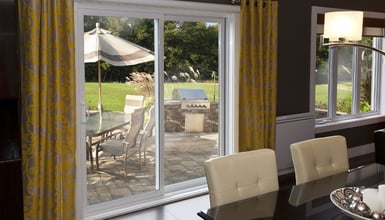
This is especially important in:
- Bedrooms
- Playrooms
- Living rooms
- Upper-floor rooms
- Rooms with low windowsills
Never Depend on an Insect Screen
An insect screen is designed to keep insects out. It is not a fall-prevention barrier and may give way when pressure is applied.
Even when a screen looks secure, supervise young children and use a suitable fall-prevention method where needed.
Consider Window Guards or Opening-Control Devices
Window guards, window stops, and opening-control devices can limit access to an open window.
The correct option depends on the window, its location, and whether it is used for emergency escape. Devices installed on escape windows should not prevent occupants from opening the window when they need to get out.
Follow the device manufacturer’s instructions and applicable local rules. Renters should speak with their landlord or property manager before installing permanent hardware.
Open Double-Hung Windows From the Top When Practical
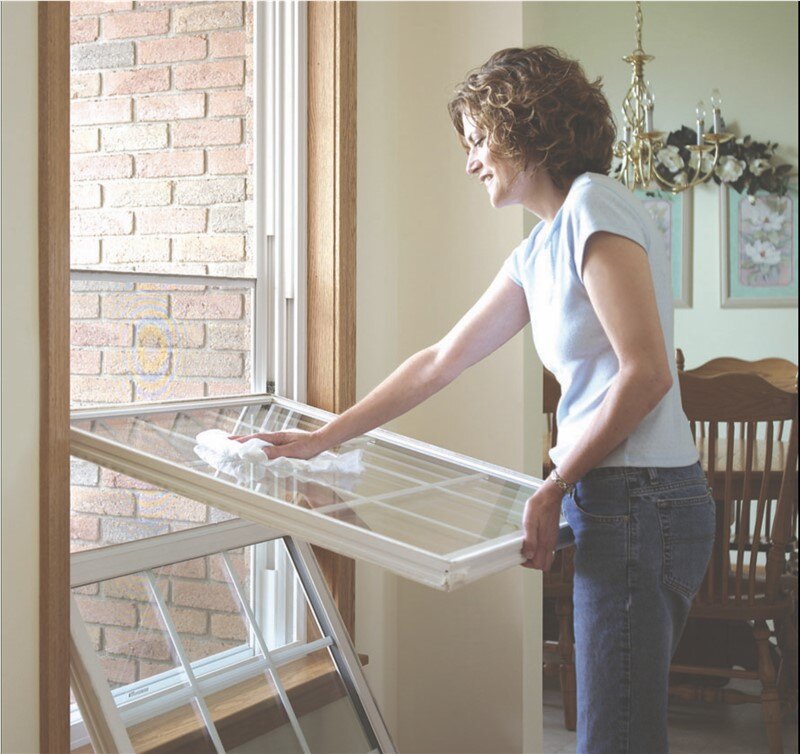
A double-hung window has an upper and lower sash that can move vertically. When the window’s design and condition allow it, opening the upper sash for ventilation may keep the opening farther from a young child’s reach.
This does not replace supervision or a properly selected safety device.
Do Window Locks Improve Home Security?
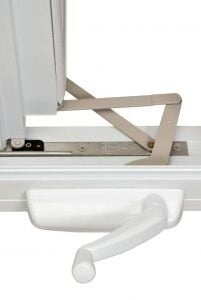
A functioning lock helps keep a closed window securely latched. Check locks throughout the home, including windows in bedrooms, basements, garages, and less visible areas.
Look for:
- Loose or missing locks
- Sashes that do not meet evenly
- Frames that are warped or damaged
- Windows that can be forced open without releasing the lock
- Hardware that is difficult to operate
- Cracked glass
- Signs of water damage or deterioration around the opening
A lock is only one part of window security. The condition of the sash, frame, glass, and installation also matters.
Avoid permanently fastening a window shut when it may be needed during an emergency.
When Can an Old Window Become a Safety Concern?
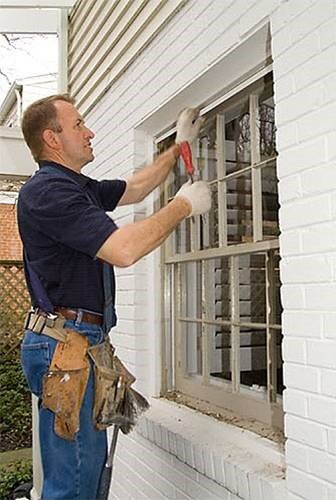
An older window is not automatically unsafe. However, age, damage, poor installation, or years of deferred maintenance can make a window difficult to operate.
Warning signs include:
- The window is painted or swollen shut
- The sash drops unexpectedly
- The window will not remain open
- The lock no longer engages
- The frame is cracked or deteriorated
- The glass is loose or damaged
- The opening has been blocked by an air conditioner
- A bedroom window cannot be opened easily
- A screen or storm window cannot be removed
- Condensation or water damage has affected the surrounding materials
A window that cannot be opened, closed, or locked properly deserves prompt attention.
Some concerns may be resolved with maintenance or repair. More extensive damage, poor fit, or repeated operating problems may indicate that replacement should be considered.
Related Article: Signs for New Windows
Window Safety Inspection Table
| Area to Inspect | What to Check | Why It Matters |
|---|---|---|
| Window operation | Opens and closes without excessive force | May affect everyday use and emergency access |
| Locks | Latches fully and stays secure | Helps prevent unintended opening and improve security |
| Screens | Fits properly but is not treated as a fall barrier | Screens do not prevent children from falling |
| Furniture placement | No climbable furniture beneath the window | Reduces a child’s access to the opening |
| Safety devices | Correctly installed and appropriate for the location | Helps limit unsafe openings |
| Escape access | No storage, furniture, bars, or air conditioner blocks the exit | Keeps a planned route accessible |
| Glass and frame | No broken glass, loose parts, rot, or serious deterioration | Damaged components may create injury or operating risks |
| Family plan | Everyone knows two possible exits | Improves emergency preparedness |
A Room-by-Room Window Safety Checklist
Walk through your home and answer the following questions.
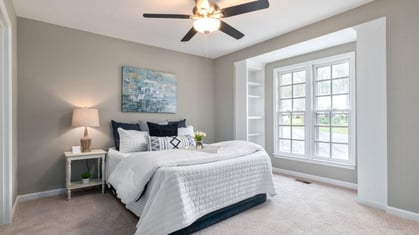
Bedrooms
- Can each planned escape window be opened?
- Is the window blocked by furniture or an air conditioner?
- Can the screen be removed?
- Is an escape ladder needed for an upper floor?
- Does the window lock correctly?
Children’s Rooms and Play Areas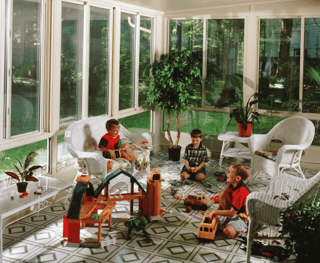
- Is climbable furniture positioned away from windows?
- Are windows closed and locked when not in use?
- Are appropriate guards or opening-control devices installed?
- Do caregivers understand that screens do not prevent falls?
Basement Rooms
- Is the window easy to reach?
- Does the opening lead to a clear exterior area?
- Is the window well clear of debris?
- Can the cover or screen be opened from inside?
- Has local code compliance been confirmed?
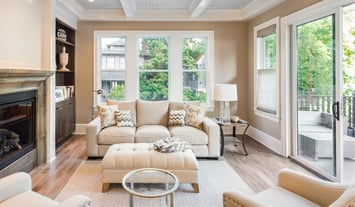
Living Areas
- Are low windows secure?
- Are cords from blinds or shades managed safely?
- Are locks and frames in good working condition?
- Can frequently used windows be operated without sticking?
Should You Replace a Window for Safety Reasons?
Window replacement may be worth considering when an existing window:
- Cannot be opened or closed reliably
- Will not lock
- Has serious frame or sash damage
- Drops unexpectedly
- Has broken or loose glass
- No longer fits the opening correctly
- Cannot be repaired economically
- Creates repeated concerns about operation, comfort, or performance
Replacement alone does not automatically make a room safe or code-compliant. The window style, opening dimensions, installation, fall-prevention needs, and intended use must all be considered.
For example, a large-looking window may still have a limited clear opening. A secure lock may help during everyday use but must not make a planned escape window impossible to operate.
Discuss how each room is used with your window professional, and verify local requirements when a window is expected to serve as an emergency escape and rescue opening.
Related Article: Replacement Window Types and Cost
What Should You Ask a Window Contractor?
Before replacing windows, ask:
- Which window style will be easiest for this household to operate?
- Will the proposed window affect the available clear opening?
- Is this opening expected to serve as an emergency exit?
- Who is responsible for checking applicable local code requirements?
- What locking hardware is included?
- Are opening-control or fall-prevention options available?
- How should the window be maintained?
- What product and labor warranty coverage applies?
- Who should I contact if the window becomes difficult to operate?
- Will the installer demonstrate the locks, screens, and sash operation?
These questions help homeowners compare more than appearance and price.
Related Article: Finding the Right Contractor
Joyce’s Practical Approach to Window Selection
Joyce Windows, Sunrooms & Baths manufactures custom replacement windows designed around durability, comfort, energy efficiency, and everyday function. Available styles include double-hung, slider, casement, awning, picture, bay, bow, garden, and custom-shaped windows.
Joyce also provides professional installation and ongoing service support. Product and warranty coverage varies by the selected window, options, project agreement, and written warranty documents.
Wondering what new windows could cost?
Get an Instant Window Cost Estimate
Need help comparing window styles?
Book a Design Consultation
Frequently Asked Questions About Window Safety
Do window screens prevent children from falling?
No. Insect screens are designed to keep insects out, not to support a person’s weight or prevent a fall.
Should I install window guards on every window?
Not necessarily. The correct safety method depends on the room, window height, household, and whether the opening is needed for emergency escape. Use products designed for the intended purpose and follow local requirements.
Can window guards block a fire escape?
A guard or control device can create a problem if it prevents an emergency window from opening. Devices used on escape windows should allow the appropriate release and must comply with applicable requirements.
Is it safer to open a double-hung window from the top?
Opening the upper sash may place the opening farther from a young child’s reach. It does not replace supervision, locks, or an appropriate fall-prevention device.
What should I do if a bedroom window is painted shut?
Do not ignore it. A window included in your family’s escape plan needs to operate properly. Ask a qualified professional whether the window can be safely restored or should be replaced.
Can a window air conditioner block an emergency exit?
Yes. A window air conditioner may prevent a window from being used as an escape route. Review the room’s full escape plan and identify another compliant route where necessary.
Do all bedroom windows have to meet the same egress requirements?
Requirements vary by building code, jurisdiction, construction date, room type, and project scope. Contact your local building department or another qualified authority for guidance specific to your home.
Are replacement windows more secure than old windows?
New windows may provide improved operation, fit, hardware, and locking compared with a damaged or poorly functioning window. Security depends on the complete product, installation, glass, hardware, and proper use.
Create a Window Safety Plan Today
Window safety is about balancing fall prevention, security, and emergency access.
Start by walking through every room. Test the windows, check the locks, move climbable furniture, and identify any opening that may be needed during an emergency. Make sure every household member understands the escape plan.
When a window is damaged, stuck, difficult to lock, or no longer fits the needs of the room, a professional evaluation can help you decide whether repair or replacement is the better next step.
Joyce Windows, Sunrooms & Baths helps homeowners compare custom window styles, energy-efficient options, installation needs, and project costs without making the process more stressful.

Topics:



_flipped.jpg?width=3246&height=2550&name=joyce_%23034-outside(c)_flipped.jpg)