
When homeowners compare replacement window styles, casement windows often stand out for one simple reason: they are easy to live with.
A casement window is hinged on the side and opens outward with a crank. That design gives it a different feel than double-hung or sliding windows. It can be easier to operate, better for ventilation in certain rooms, and a strong fit when you want a clearer view with less visual interruption.
Joyce Windows, Sunrooms & Baths includes casement windows among its replacement window styles and describes them as side-hinged windows that open outward with a crank to provide excellent ventilation and a clear view. Joyce also positions its replacement windows around custom fit, energy efficiency, and factory-direct manufacturing.
Quick Overview
Casement windows are a popular replacement window choice because they are easy to open, offer strong ventilation, and can seal tightly when closed. Joyce highlights four main advantages: easy operation, energy efficiency, airflow, and value. Joyce’s window page also describes casement windows as outward-opening, side-hinged windows with a crank, and it positions Joyce windows around custom manufacturing, energy efficiency, and a ballpark pricing calculator. Casement windows are often especially useful above sinks, countertops, furniture, or in other places where lifting a sash would be less convenient. They are not always the best fit in every location, especially where outward-opening windows could interfere with outdoor traffic or exterior features, but they can be an excellent option in the right rooms.

What Is A Casement Window?
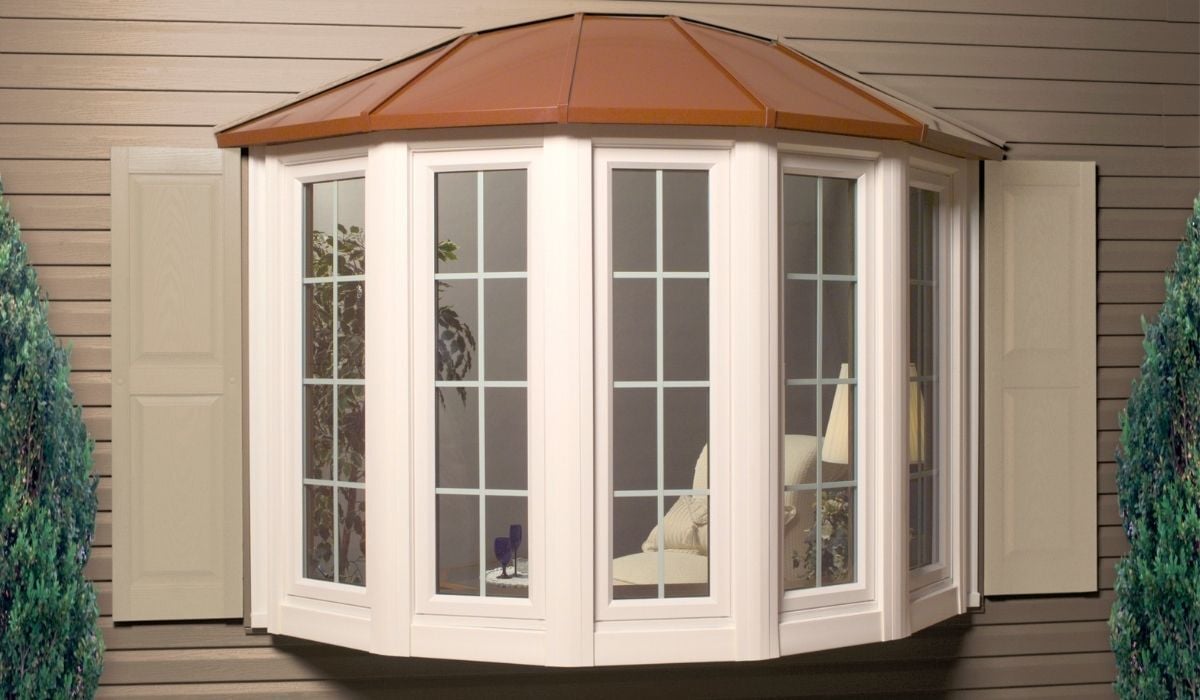
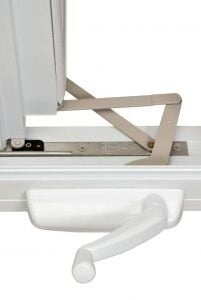
A casement window is a window that is hinged at the side and opens outward, usually with a crank handle.
Joyce’s window page describes its casement windows this way and emphasizes two of the biggest reasons homeowners choose them: excellent ventilation and a clear view. That combination makes them especially appealing when you want the window to feel functional without giving up natural light or openness.
Related Article: Casement Windows
Why Do Homeowners Choose Casement Windows?
Many homeowners are not just shopping for a window style. They are trying to solve a problem.
Sometimes that problem is a hard-to-reach window over a kitchen sink. Sometimes it is a room that feels stuffy. Sometimes it is an older window that no longer seals well or is frustrating to open and close.
Four main benefits that still matter: easy operation, energy efficiency, ventilation, and affordability.
Those are still the right themes. The bigger opportunity is to explain how those benefits show up in daily life and where they matter most.
Related Article: Benefits of Casement Windows
1. Easy Operation In Hard-To-Reach Places
One of the biggest advantages of casement windows is that they are often easier to open than windows with a lifting sash.
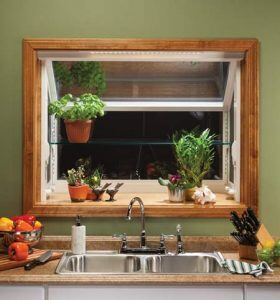
Casement windows are operated with a hand crank and can work especially well above countertops, furniture, and higher wall placements. That makes them a practical option in places where pulling up a double-hung sash or reaching across a deep surface would be less convenient.
This is one reason casement windows are often considered for:
- Kitchen windows above sinks
- Windows behind counters or furniture
- Home offices or bedrooms where easy operation matters
- Areas where a homeowner wants smoother opening and closing
2. Strong Ventilation And Better Airflow
Ventilation is one of the clearest reasons to consider casement windows.
Because the sash opens outward instead of sliding only partway open, The full window opening can help bring in airflow. Casement windows as providing excellent ventilation. In practical terms, that can make a room feel fresher and more comfortable, especially in seasons when you want natural airflow instead of always relying on HVAC.
This can be especially helpful in: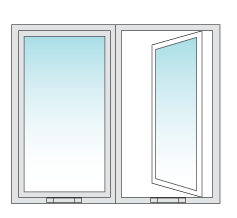
- Kitchens
- Bathrooms
- Bedrooms
- Sun-facing rooms that get stuffy
- Areas where homeowners like to bring in a breeze
3. A Tight Seal That Can Support Energy Efficiency
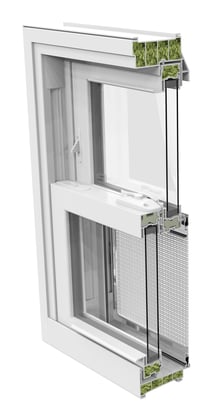 Energy efficiency is another major reason homeowners consider casement windows.
Casement windows are widely considered one of the more energy-efficient window styles because the sash presses against the frame when closed, helping create a very tight seal. Joyce’s broader replacement window page also positions its windows around energy efficiency, improved insulation, and reduced drafts, and explains that Joyce windows are custom made for the home.
That does not mean every casement window will outperform every other style in every installation. But it does explain why homeowners who are dealing with drafty old windows often include casements in the conversation, especially when comfort and room-to-room consistency matter.
4. Clear Views With Less Visual Interruption
Casement windows are also appealing from a design standpoint.
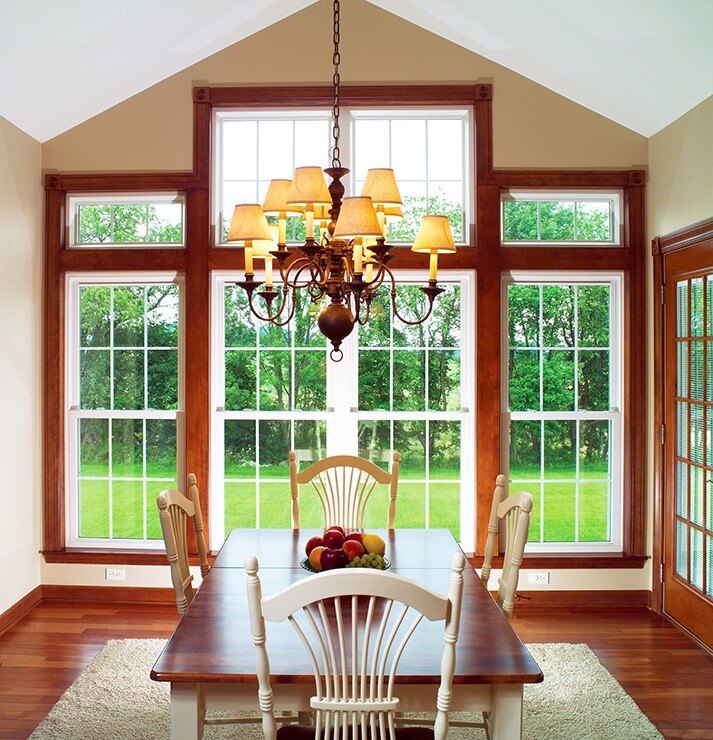
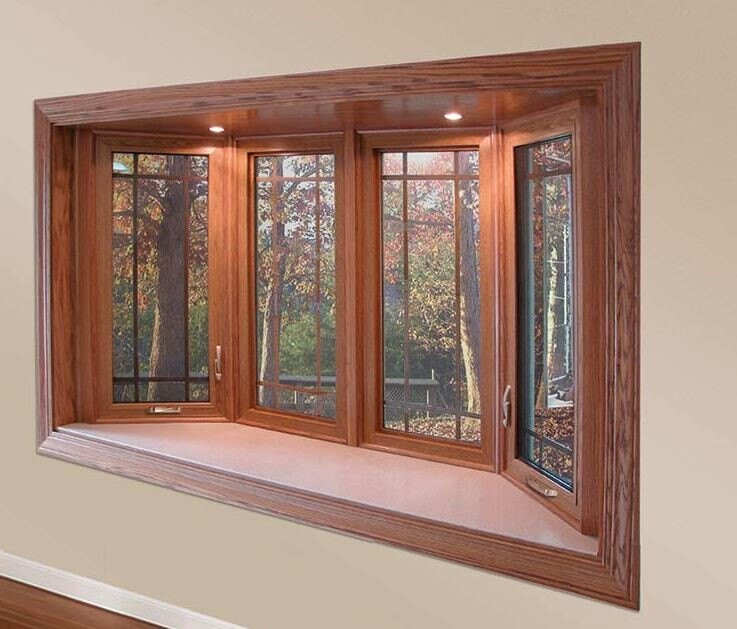
They provide a clear view, which is an important advantage for homeowners who want a more open look to the outdoors. Compared with some other window types, the design can feel simpler and less visually busy, especially when placed where sightlines matter.
This can make casement windows a good fit for:
- Backyard-facing rooms
- Sitting areas
- Breakfast nooks
- Home offices
- Places where natural light and view are part of the goal
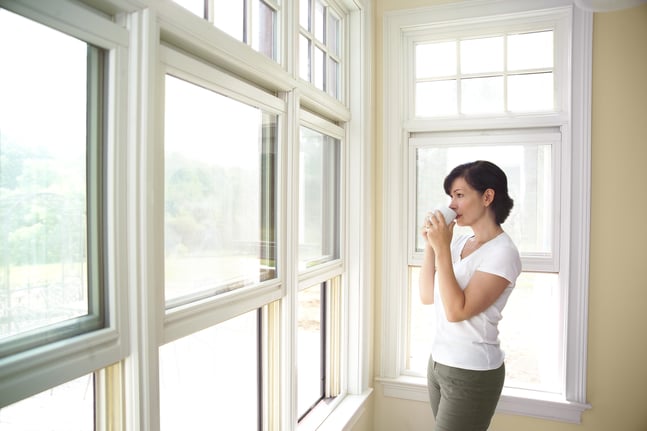
5. A Good Fit For Rooms That Need Function First
Some window choices are mostly about appearance. Casement windows tend to be strongest when function matters first.
They are a practical option for homeowners who want ease of use, airflow, and value. That is still a smart way to look at them. If the current window is awkward to reach, frustrating to operate, or not giving the room enough fresh air, a casement window may solve multiple problems at once.
Are Casement Windows Right For Every Room?
Not always.
Casement windows may not be the best option in areas with high foot traffic outside the home. That is an important point because the sash opens outward. In some spots, that can conflict with walkways, patios, landscaping, or other exterior activity.
That means casement windows are often a better fit when:
- There is enough clearance outside
- The main goal is ventilation or easy operation
- The window location benefits from a crank
- You want a cleaner view
They may be less ideal when:
- The exterior area is heavily trafficked
- The opening sash could interfere with outdoor movement
- Another window style better suits the room layout
How Do Casement Windows Compare To Other Window Styles?
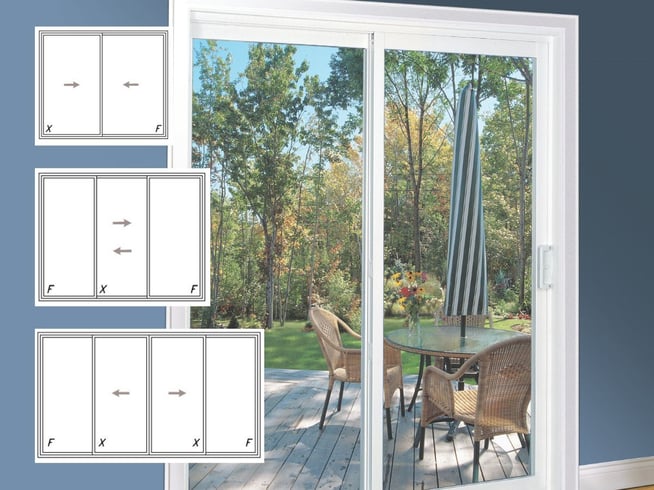
Joyce’s current window page groups casement windows alongside double-hung, slider, picture, and awning windows, which is helpful because it shows they are one option in a broader replacement-window plan. The right choice often depends on how you want the window to function. Joyce describes double-hung windows as easy to clean and ventilate from inside, sliders as wide-view windows that open horizontally, picture windows as fixed windows for unobstructed views, and awning windows as top-hinged windows that can allow ventilation during light rain.
Related Article: Replacement Windows
That means:
- Choose casement windows when easy cranking, strong airflow, and a clear view matter most
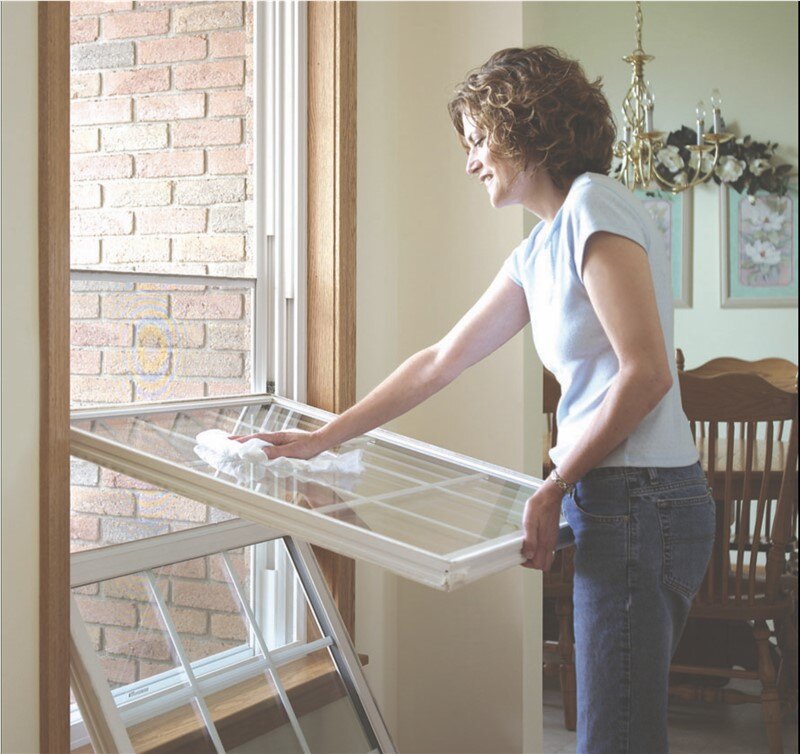
- Choose double-hung windows when you want a more traditional style with interior cleaning convenience
- Choose sliders when horizontal operation and wide openings fit the space better
- Choose picture windows when light and view matter more than ventilation
- Choose awning windows when you want ventilation with a top-hinged design
Are Casement Windows Affordable?
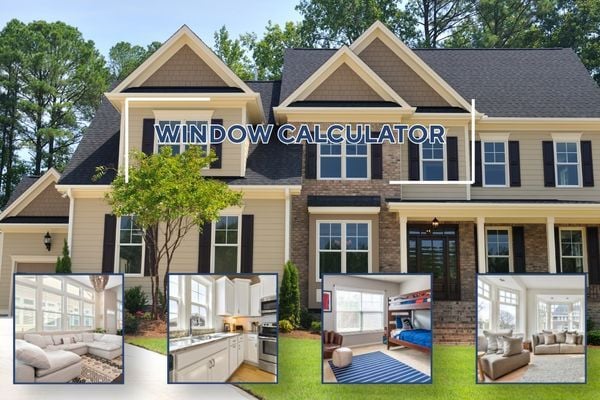
Casement windows are a strong balance of functionality, performance, and affordability. Joyce’s window page does not publish a fixed price for casement windows specifically, but it does explain that replacement window cost depends on the number of windows, style, size, collection, glass package, color, installation needs, and customization options. Joyce also offers a Window Pricing Calculator so homeowners can get a ballpark price range before scheduling a consultation.
That is a more helpful modern framing than calling any one style simply “cheap” or “expensive.” The better question is whether the style delivers the function and comfort you want for the rooms you are upgrading.
Related Article: Window Pricing Explained
Why Homeowners Consider Joyce For Replacement Windows
Joyce’s replacement-window page positions the company around factory-direct manufacturing, custom-made windows, energy-efficient options, expert installation, and a ballpark pricing tool. Joyce also says “factory direct” means it manufactures its own windows instead of acting only as a reseller, which helps it control quality, customization, service, and installation from start to finish.
For homeowners comparing casement windows, that matters because style is only part of the decision. The broader experience, including fit, installation, customization, and how well the window performs over time, matters just as much.
The Bottom Line On Casement Windows
Casement windows are a strong choice when you want a window that is easy to operate, good at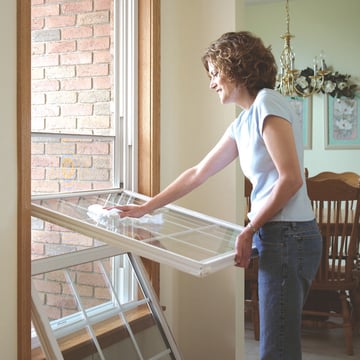 bringing in fresh air, supportive of energy efficiency, and clean-looking from both inside and out.
They are especially useful in places where lifting a sash would be inconvenient, such as above a sink or counter. They are not ideal for every location, especially where the outward swing could interfere with exterior traffic, but in the right room they can be one of the most practical and comfortable window styles available.
Joyce Windows, Sunrooms & Baths includes casement windows in its replacement-window lineup and offers custom-made, factory-direct windows along with a Window Pricing Calculator and design consultations for homeowners who want to compare styles and costs.

Frequently Asked Questions
What Are The Main Benefits Of Casement Windows?
The main benefits Joyce highlights are easy operation, energy efficiency, strong ventilation, and good value. Joyce’s current product page also notes that casement windows provide a clear view.
Where Do Casement Windows Work Best?
They often work well above sinks, countertops, furniture, and other harder-to-reach spots because the crank can be easier to use than lifting a sash.
Are Casement Windows Energy Efficient?
They can be. Joyce’s original article says the sash presses against the frame when closed, helping create a tighter seal, and Joyce’s current replacement-window page positions its custom windows around improved insulation, reduced drafts, and energy efficiency.
Are Casement Windows Better Than Double-Hung Windows?
Not in every case. They are simply better for different needs. Casement windows are often appealing when airflow and easy operation matter most, while double-hung windows may be a better fit when traditional style and interior cleaning access are bigger priorities.
How Much Do Casement Windows Cost?
Joyce does not list a flat price for casement windows alone on the main replacement-window page. It says replacement window pricing depends on style, size, collection, glass package, installation needs, and other customization factors, and it offers a Window Pricing Calculator for a ballpark estimate.





_flipped.jpg?width=3246&height=2550&name=joyce_%23034-outside(c)_flipped.jpg)