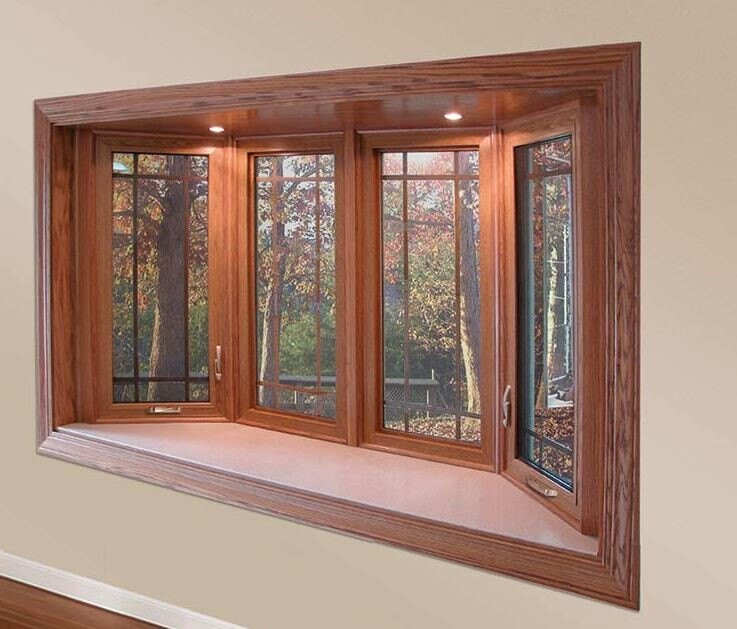

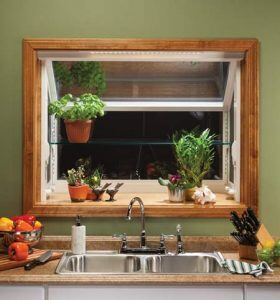
Garden windows are not just for herbs over the kitchen sink. They can brighten small rooms, create display space, support indoor plants, and make everyday areas feel more open and inviting.
Garden windows are one of the easiest ways to add character and natural light to a room without changing the entire layout. Their shelf-like design extends outward from the home, which creates extra display space while bringing in sunlight from multiple angles. On Joyce’s specialty windows page, garden windows are positioned as a bright, plant-friendly option that adds charm and dimension to a home.
Most people picture a garden window above a kitchen sink. That is a popular spot, but it is far from the only good one. If your goal is to make a room feel brighter, more useful, or a little more special, a garden window can do more than you might expect.
What is a Garden Window?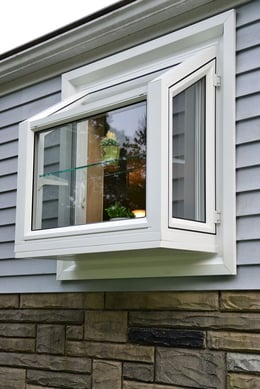
A garden window is a window that projects outward from the wall and typically includes glass on the front, sides, and top. The result is a window that brings in more light and creates a small interior ledge or nook. The original blog describes it as a box-like window with a wider sill designed to support plants and year-round growing, while Joyce’s current specialty windows page highlights the same idea in simpler terms: a bright, sun-filled space that adds charm and dimension.
That combination of light and usable shelf space is what makes garden windows versatile.
Related Article: Benefits of Garden Windows
1. Turn a kitchen window into a mini indoor garden
The kitchen is still one of the best places for a garden window. It gives herbs, small plants, and decorative items a sunny place to live while making the room feel more open.
This works especially well if you want:
- fresh herbs close to where you cook
- a brighter sink area
- a cleaner alternative to cluttering counters with plant pots
- a focal point that feels both practical and decorative
A garden window can make an everyday workspace feel less flat and more personal.
2. Make a small room feel larger
One of the strongest ideas in the original article is that garden windows can help visually open up tighter areas like foyers, utility rooms, mud rooms, home offices, bathrooms, stair landings, and porches. Because these windows bring in light from more than one direction and extend beyond the wall line, they can help a compact space feel less boxed in.
This is especially useful in rooms that do not need a large window wall but still need a little more life and light.
3. Add charm to a breakfast nook or dining area
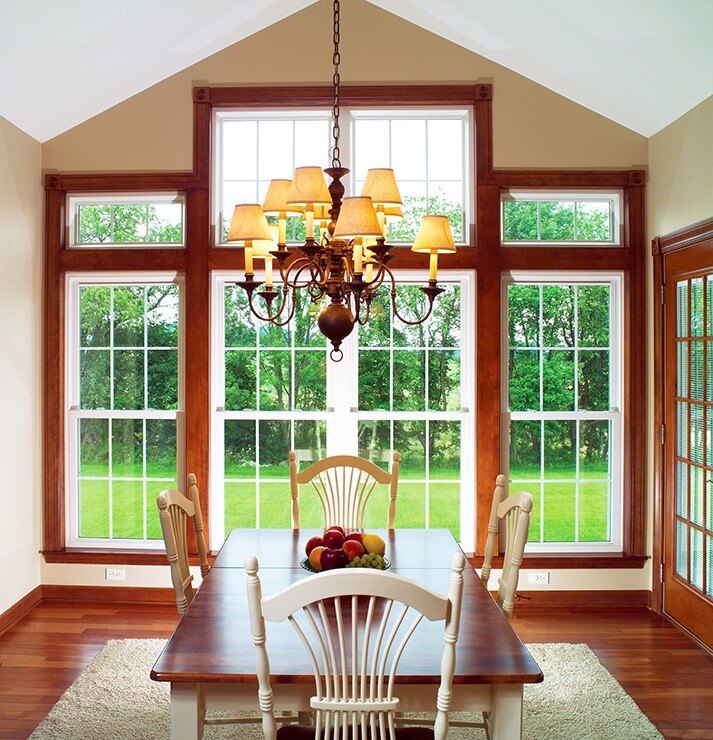
A garden window can give a breakfast nook or dining space a more relaxed, sunroom-like feel without the scale of a larger addition. The original post points to this as a lower-cost way to enjoy more of the outdoors visually while staying inside.
In practical terms, that means you can use the extra space for:
- small potted plants
- seasonal centerpieces
- candles or lanterns
- simple décor that changes through the year
It is a small architectural detail that can make a casual dining area feel more finished.
4. Create a calmer bedroom corner
Bedrooms are not the first place most homeowners think about for a garden window, but they can work surprisingly well there. The original article highlights bedroom use for houseplants, a tabletop fountain, or even a pet bed.
That makes sense because a garden window can create a quiet little destination inside the room. It can soften the space, add light, and give you one spot for a few meaningful items instead of scattering them around the room.
5. Use one as a built-in display space in a living room
A garden window can also act like a natural display shelf. The original post describes using one in a living room as a kind of shadowbox for seasonal decorating, including spring flowers, pumpkins, gourds, or a small holiday tree.
That is a strong idea because it gives seasonal décor a home of its own. Instead of rearranging furniture or clearing tabletops, you can keep the rest of the room simpler and let the window do the visual work.

6. Bring more life into hobby spaces and flexible-use rooms
Garden windows can be a smart fit for rooms that do not always get much design attention, like:
- laundry rooms
- mud rooms
- hobby rooms
- home offices
- workshops with finished interior space
These rooms often feel more functional than inviting. Extra light and display space can make them feel better to spend time in, even when the room is still doing a practical job.
7. Think beyond the main house
The original article also points to outdoor or outbuilding uses, including sheds, garages, workshops, guest cottages, barns, and even man caves. In some cases, a garden window can add more light to a work area. In others, it can help create a small greenhouse-like growing space.
That idea will not fit every property, but it is helpful because it expands the conversation beyond standard indoor placement.
How Far Does a Garden Window Extend?
Joyce’s specialty windows FAQ notes that most garden windows extend about 12 to 24 inches from the exterior wall, depending on design. That depth is part of what makes them useful for plants and décor, but it is also something homeowners should think about when deciding where one belongs.
A garden window works best when the room has the wall space and exterior clearance to support it comfortably.
Is a Garden Window the Right Fit for your Home?
A garden window can be a great choice if you want more natural light, a more interesting focal point, and a little extra usable space without moving walls. Joyce’s specialty windows page frames these windows as a good fit for homeowners who want to increase views and light, make a room feel more expansive, and add something more unique than a standard flat window.
It may be a strong option if you are trying to solve one of these problems:
- a room feels flat or dark
- you want a better place for indoor plants
- you want a small architectural upgrade with practical use
- you like specialty windows that change how a room feels, not just how it looks
Ready to Explore Specialty Windows?
Garden windows are one of those upgrades that can be both useful and memorable. They bring in light, create display space, and give ordinary rooms a little more personality.
If you are comparing specialty window options, the next step is to look at what fits your wall space, your goals, and your budget. Joyce offers specialty windows, a window pricing calculator, and design consultations for homeowners across Ohio, Pennsylvania, North Carolina, and South Carolina.
Related Article: Specialty Windows

Frequently Asked Questions
Are garden windows only for kitchens?
No. While they are commonly used above kitchen sinks, the original article also highlights foyers, utility rooms, mud rooms, home offices, bathrooms, stair landings, porches, bedrooms, living rooms, garages, sheds, and workshops as possible locations.
What is the main benefit of a garden window?
The biggest benefit is the combination of extra natural light and added display or plant space. Joyce’s specialty windows page describes garden windows as bright, sun-filled windows that add charm and dimension, and the original article emphasizes year-round gardening and extra light.
How far does a garden window stick out from the house?
Most extend about 12 to 24 inches from the exterior wall, though the exact amount depends on the design.
Are garden windows part of specialty windows?
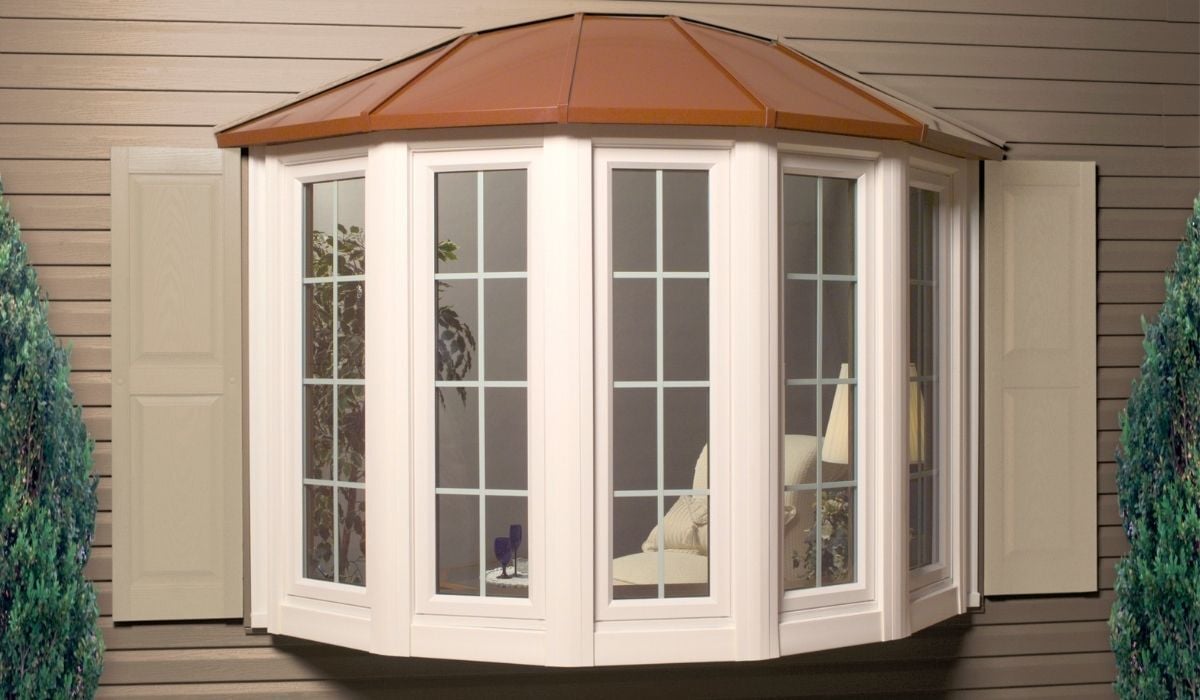
Yes. Joyce groups garden windows under its specialty windows category, alongside bay, bow, and shaped window options.





_flipped.jpg?width=3246&height=2550&name=joyce_%23034-outside(c)_flipped.jpg)