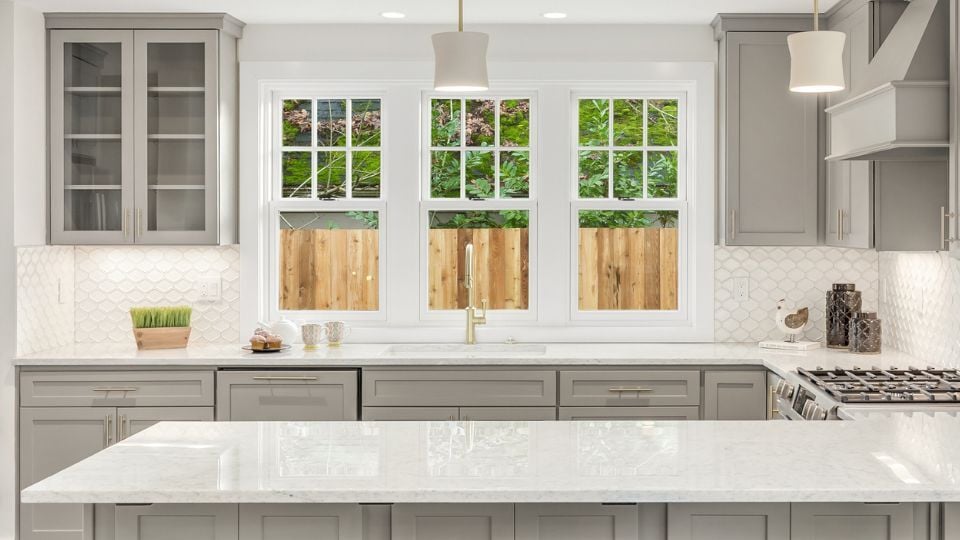
Shopping for replacement windows can feel like learning a new language.
A contractor may talk about sashes, jambs, mullions, glazing, low-E coatings, U-factor, grids, inserts, and full-frame installation—all during the same conversation.
You do not need to memorize every technical term. You only need to understand the words that affect how the window looks, opens, performs, is installed, and is covered by the warranty.
This guide explains common window terminology in plain language so you can compare products and proposals with more confidence.
The Most Important Window Terms to Know
Start with these terms:
- Frame: The fixed structure surrounding the window.
- Sash: The framed section that holds the glass.
- Glazing: The glass system inside the window.
- Sill: The lowest horizontal part of the window frame.
- Jamb: The vertical side of the window frame.
- Mullion: A structural member joining or separating complete window units.
- Muntin or grid: A bar or decorative element that divides the appearance of the glass.
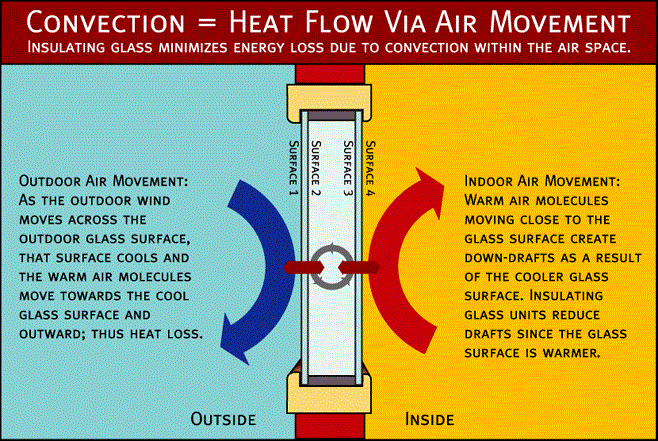
- Low-E glass: Glass with a thin coating designed to manage heat transfer.
- Insulated glass unit: Two or more panes sealed together with a space between them.
- U-factor: A rating of how readily heat passes through the complete window; lower is generally better.
- Solar heat gain coefficient: A rating of how much solar heat enters; the right level depends on climate and sun exposure.
- Air leakage: A measure of air passing through the window assembly; lower is generally better.
- Insert replacement: A new window installed within much of the existing frame.
- Full-frame replacement: Removal of the old window down to the rough opening before installing the new unit.
The most useful comparison is not one feature by itself. Review the exact window style, glass package, NFRC ratings, installation scope, warranty, and total installed price.

What Are the Main Parts of a Window?
Frame
The frame is the fixed structure around the window. It holds the sash, glass, hardware, and other operating components in place.
The main frame sections include the head, jambs, and sill.
Head
The head is the top horizontal part of the window frame.
It is sometimes casually called the header, although “header” may also refer to a structural framing member above the opening. To avoid confusion, ask whether the speaker means the window-frame head or the structural header inside the wall.
Jamb
The jamb is a vertical side of the window frame.
A typical rectangular window has a left jamb and a right jamb. Hardware, tracks, balances, or weatherstripping may be installed along the jambs, depending on the window style.
Sill
The sill is the lowest horizontal part of the window frame.
Its design helps support the window and manage water. A sill should not be confused with the interior stool, which is the finished ledge sometimes casually called the windowsill.
Stool
The stool is the interior horizontal ledge at the bottom of many window openings.
It is part of the interior trim rather than the manufactured window in many installations.
Apron
The apron is the trim installed on the wall directly beneath the stool.
Casing
Casing is the decorative trim around the interior or exterior of a window opening.
A proposal should explain whether new casing is included, reused, repaired, or excluded.
Sash
The sash is the framed section that holds the glass.
Depending on the style, a window may have:
- One fixed sash
- One operating sash
- Two operating sashes
- Several fixed or operating sections
In a double-hung window, both the upper and lower sashes move vertically. In a single-hung window, usually only the lower sash moves.
Rail
A rail is a horizontal part of a sash.
Common examples include:
- Top rail
- Bottom rail
- Meeting rail
Stile
A stile is a vertical part of a sash.
Rails and stiles form the basic framed structure around the glass.
Meeting Rail
The meeting rails are the horizontal sash sections that come together when a double-hung or single-hung window is closed.
The lock is often mounted at this location.
Lift
A lift, or sash lift, is a handle used to raise or lower a movable sash.
Check Rail
“Check rail” is another term sometimes used for the meeting-rail area of a hung window.
Because terminology can vary by manufacturer, ask the consultant to point to the exact part on a sample.
What Do Glazing and Glass Terms Mean?
Glazing
Glazing refers to the glass or transparent material installed in a window.
It can also refer to the process or materials used to secure the glass.
Pane
A pane is one sheet of glass.
A double-pane window generally has two panes within one insulated glass unit. A triple-pane window generally has three.
Insulated Glass Unit
An insulated glass unit, often shortened to IGU, contains two or more panes sealed together with a space between them.
That space may contain air or an insulating gas.
Double-Pane Glass
Double-pane glass uses two panes separated by a sealed space.
Its energy performance depends on the complete glass package, including coatings, gas fill, spacer, pane spacing, frame, and installation.
Triple-Pane Glass
Triple-pane glass uses three panes and two enclosed spaces.
It may provide stronger insulating performance in some configurations, but it can also add cost and weight. Compare the actual whole-window ratings rather than assuming that an extra pane is always necessary.
Low-E Glass
Low-E means low emissivity.
A low-E coating is a thin layer applied to a glass surface to manage infrared heat transfer while allowing visible light through.
Different coatings provide different levels of solar control, visible light, exterior reflectivity, and color appearance.

Argon Gas
Argon is a colorless, odorless gas commonly placed between panes in an insulated glass unit.
It can improve the insulating performance of a properly designed glass package because it transfers heat less readily than ordinary air.
Argon is one part of the system. It should not be treated as proof that one window is automatically better than another.
Krypton Gas
Krypton is another insulating gas that may be used between panes, often in narrower glazing spaces.
Its use and benefit depend on the complete glass design.
Gas Fill
Gas fill is the general term for argon, krypton, or another gas placed between panes to reduce heat transfer.
Spacer
The spacer separates the panes around the edge of an insulated glass unit.
It helps maintain the correct distance between panes and works with the sealants that enclose the air or gas space.
Warm-Edge Spacer
A warm-edge spacer is designed to reduce heat transfer around the perimeter of the glass compared with more conductive traditional spacer designs.
Ask how the spacer contributes to the complete window’s NFRC rating rather than judging it only by its brand name.
Tempered Glass
Tempered glass is heat-treated safety glass designed to break into relatively small pieces instead of large, sharp shards.
It may be required in certain locations under applicable building rules, such as some doors, bathrooms, or glass near walking surfaces. Requirements depend on the opening and local code.
Laminated Glass
Laminated glass contains an inner layer that helps hold broken glass together.
It may be selected for sound control, impact resistance, security, or other project-specific needs.
Obscure or Privacy Glass
Obscure glass uses a textured or patterned surface to reduce visibility while still allowing light into the room.
It is commonly considered for bathrooms, entry areas, or other spaces where privacy matters.
What Is the Difference Between a Muntin, Mullion, and Grid?
These terms are often confused.
Muntin
Historically, a muntin was a narrow framing member that held separate panes of glass within one sash.
In modern insulated windows, homeowners may use “muntin” more broadly for bars that create the appearance of divided panes.
Mullion
A mullion is a larger structural or connecting member between separate window units.
For example, the connection between two complete windows installed side by side may be called a mullion.
Grid or Grille
A grid, also called a grille, is the decorative pattern that divides the visual appearance of the glass.
Grid configurations may include:
- Grids between the glass
- Removable interior grids
- Simulated divided lites
- Exterior and interior applied bars
Ask which configuration is included because appearance, cleaning, cost, and construction differ.
Lite or Light
A lite is a pane or visually divided section of glass.
A “six-over-six” double-hung window has the appearance of six lites in the upper sash and six in the lower sash.
“Lite” is a common industry spelling when referring to glass.
What Do Common Window-Style Terms Mean?
Joyce currently offers styles including double-hung, slider, picture, casement, awning, bay, bow, garden, and custom-shaped windows.
Double-Hung Window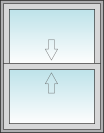
A double-hung window has two vertically moving sashes.
Both the upper and lower sash can open, allowing different ventilation options. Many modern designs also tilt inward for cleaning.
Single-Hung Window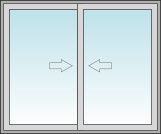
A single-hung window generally has a fixed upper sash and an operable lower sash.
It may resemble a double-hung window when closed, but only one sash typically moves.
Sliding Window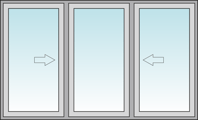
A sliding or slider window opens horizontally along a track.
Depending on the configuration, one or more sashes may operate.
Casement Window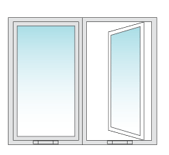
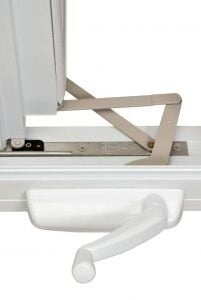
A casement window is hinged on one side and opens outward, usually with a crank.
When closed, the sash is pulled against the weatherstripping by the hardware.
Awning Window
An awning window is hinged at the top and opens outward from the bottom.
Its shape may allow ventilation during some light-rain conditions, depending on wind and exposure.
Hopper Window
A hopper window is typically hinged at the bottom and opens inward from the top.
It is often used in basements or compact spaces.
Picture Window
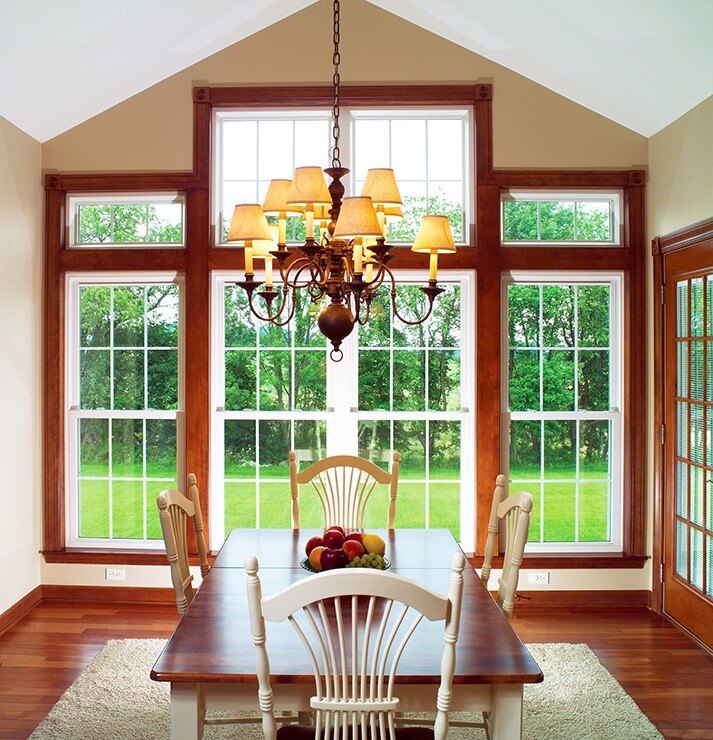
A picture window is fixed and does not open.
Because it has no operating sash, it is primarily used for views and natural light.

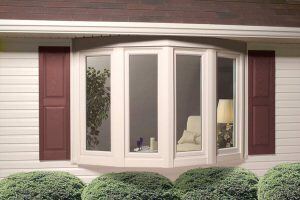
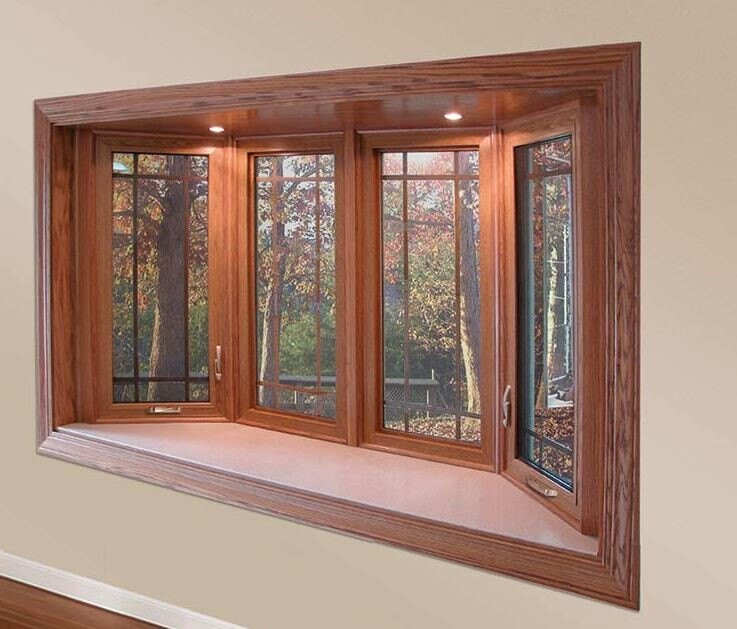
Bay Window
A bay window projects outward from the home and usually combines three window sections.
The center section is often larger, with two angled side windows.
Bow Window
A bow window also projects outward but generally uses four or more sections to create a more rounded appearance.
Garden Window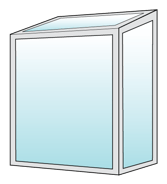
A garden window projects outward and usually includes glass on the front, sides, and top.
It creates a small shelf-like area often used for plants or decorative items.
Specialty or Geometric Window
A specialty window uses a custom shape, such as:
- Circle
- Half-round
- Arch
- Triangle
- Trapezoid
- Octagon
These windows may be fixed or combined with operating units.
Egress Window
An egress window is an opening intended to meet applicable emergency escape and rescue requirements.
A window’s overall size does not by itself confirm that it qualifies. Clear opening dimensions, sill height, operation, location, and local requirements must be reviewed.
What Do Energy-Performance Terms Mean?
The National Fenestration Rating Council independently verifies whole-product energy-performance ratings for residential windows, doors, and skylights. Its program evaluates U-factor, solar heat gain coefficient, visible transmittance, air leakage, and condensation performance.
NFRC Label
The NFRC label displays standardized ratings for a complete window configuration.
Use the label to compare similar window styles and glass packages rather than comparing isolated claims from different manufacturers.
U-Factor
U-factor measures how readily heat passes through the complete window.
A lower U-factor generally indicates better resistance to heat transfer.
The original article correctly noted that U-factor may refer to the glass alone or the whole product. For homeowner comparisons, use the whole-window NFRC rating.
R-Value
R-value measures resistance to heat flow.
A higher R-value indicates greater resistance.
R-value is widely used for insulation, but homeowners will usually see U-factor rather than R-value on an NFRC window label. Avoid converting one to the other unless the figures describe the same exact assembly and conditions.
Solar Heat Gain Coefficient
Solar heat gain coefficient, or SHGC, measures how much solar heat enters through the complete window.
A lower number means less solar heat gain. The best level depends on climate, window direction, shade, and room use.
Visible Transmittance
Visible transmittance, or VT, indicates how much visible light passes through the window.
A higher rating generally means more daylight, although frame size, grids, coatings, and glass tint also affect the view.
Air Leakage
Air leakage measures how much air passes through the window assembly under standardized test conditions.
A lower number generally indicates less air leakage.
This rating does not measure air leaking around a poorly installed frame, which is one reason installation quality still matters.
Condensation Rating or Index
This rating describes resistance to interior surface condensation under specified conditions.
It does not guarantee that condensation will never occur. Indoor humidity, outdoor temperatures, air movement, and household conditions still affect moisture on glass.
ENERGY STAR
ENERGY STAR qualification applies to specific products and climate-zone requirements.
Do not assume every configuration from one brand qualifies. Confirm the exact proposed window and region.
What Do Frame and Construction Terms Mean?
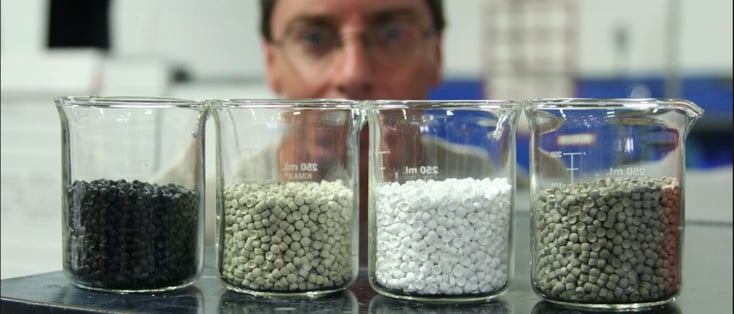
Vinyl Window
A vinyl window uses rigid PVC for much of the frame and sash construction.
Vinyl is commonly selected for low routine maintenance, moisture resistance, and insulating frame designs.
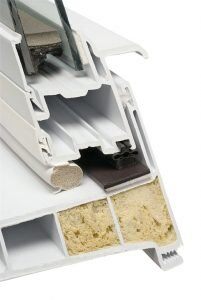
Multi-Chambered Frame
A multi-chambered frame contains several internal air spaces created by the frame profile.
The arrangement may support structure, drainage, insulation, or hardware.
The number of chambers alone does not determine quality. Compare the complete product’s construction and certified performance.
Fusion-Welded Frame
Fusion-welded corners are formed by heating and joining vinyl frame or sash sections.
Ask which components are welded and how other structural parts are reinforced.
Reinforcement
Reinforcement is material added to selected areas of a frame or sash for structural support.
It may be made from metal, composite material, or another approved component.
Weatherstripping
Weatherstripping seals the movable joints between the sash and frame.
Worn, damaged, or poorly aligned weatherstripping can contribute to drafts or water concerns.
Weep Hole
A weep hole is part of a drainage path that allows water to leave the window system.
Weep openings should not be painted, caulked, or blocked.
Balance
A balance is a mechanism that helps hold and move a hung-window sash.
Common balance designs include block-and-tackle, constant-force, and coil systems.
Operator
An operator is the crank or mechanism used to open and close a casement or awning window.
Keeper
A keeper is the part of a lock that receives the latch or locking component.
Cam Lock
A cam lock is a common rotating sash lock used on hung or sliding windows.
Multi-Point Lock
A multi-point lock secures the sash at several locations when operated.
Availability depends on the window style and product collection.
What Do Replacement and Installation Terms Mean?
Replacement Window
A replacement window is manufactured to fit an existing opening after an old window is removed or modified.
The term does not identify the exact installation method.
Insert Replacement
An insert replacement places a new window inside much of the existing frame.
This approach may reduce disturbance to surrounding finishes, but it can also reduce the visible glass area and may not be appropriate when the old frame is damaged or improperly installed.
Full-Frame Replacement
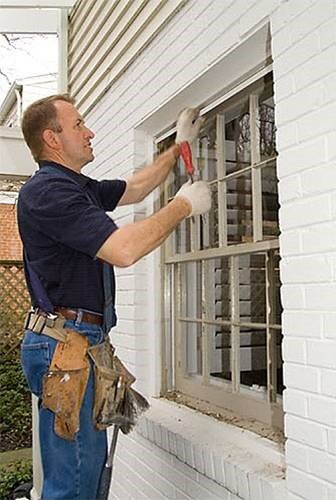
A full-frame replacement removes the existing window down to the rough opening.
It allows greater access to inspect the opening, insulation, flashing, and surrounding conditions. It may require more interior and exterior finishing.
Rough Opening
The rough opening is the framed wall opening that receives the window.
Shim
A shim is a thin piece of material used to position and support a window so it is level, square, and properly aligned.
Flashing
Flashing is material installed to help direct water away from the opening and protect the wall assembly.
Sealant
Sealant is used at selected joints to limit air and water entry.
Sealant should not be treated as a substitute for correct flashing, drainage, or installation.
Perimeter Insulation
Perimeter insulation fills appropriate gaps between the window frame and rough opening.
The product and method should be compatible with the window and installation system.
Plumb, Level, and Square
- Plumb means vertically aligned.
- Level means horizontally aligned.
- Square means the opening has correct angles and equal diagonal measurements.
Poor alignment can affect operation, sealing, and appearance.
Capping or Cladding
Capping covers selected exterior trim with formed metal or another protective material.
The proposal should explain which existing surfaces are covered and how water will be managed.
Coil Stock
Coil stock is a roll of thin metal commonly formed on-site for exterior trim or capping.
Tear-Out
Tear-out refers to removing the existing window or surrounding materials.
Ask exactly how much will be removed.
Lead-Safe Work Practices
Homes built before 1978 may require lead-safe renovation practices when painted surfaces are disturbed.
The contractor should explain whether the project falls under applicable requirements and how the work area will be contained and cleaned.
What Do Proposal and Warranty Terms Mean?
Window Collection
A collection is a manufacturer’s defined product line.
Different collections may use different frames, glass packages, hardware, finishes, features, and warranties.
Joyce currently offers Eloquence, Heritage, and specialty-window options.
Standard Feature
A standard feature is included in the quoted base configuration.
Upgrade or Option
An upgrade is an additional selection that may affect cost, performance, appearance, or delivery.
Allowance
An allowance is a budget amount set aside for an item that has not been fully selected or priced.
Ask how a higher or lower final selection will affect the contract.
Change Order
A change order is a written modification to the original scope or price.
Changes should be documented and approved before the additional work proceeds.
Product Warranty
A product warranty covers specified components according to the manufacturer’s written terms.
Frame, glass, hardware, screens, finishes, and labor may have different coverage.
Labor or Installation Warranty
A labor warranty addresses specified installation work.
It is separate from the manufacturer’s product warranty unless the written documents say otherwise.
Transferable Warranty
A transferable warranty may pass to a future owner under certain conditions.
Transfer deadlines, fees, registration, or reduced coverage may apply.
Prorated Warranty
A prorated warranty provides less coverage as the product ages.
Read the written terms instead of relying only on the word “lifetime.”
How Should You Use Window Terminology During a Consultation?
You do not need to demonstrate expert knowledge.
Use the terms to ask clear questions:
- Which part of the window are you referring to?
- Is this feature standard or an upgrade?
- Does this rating apply to the whole window or only the glass?
- Can I see the NFRC label for this exact configuration?
- Which sash or panel operates?
- Are the grids between the glass or attached to the surface?
- Is this an insert or full-frame installation?
- What trim and finishing are included?
- How will the opening be insulated and sealed?
- What happens if damage is found after removal?
- Which warranty covers the glass, hardware, frame, and labor?
- Who provides service after installation?
A reputable consultant should be willing to point to the components on a sample and explain them without relying on jargon.
What Makes Joyce Replacement Windows Different?
Joyce Windows, Sunrooms & Baths manufactures custom replacement windows and provides professional installation.
Joyce currently offers:
- Double-hung windows
- Sliding windows
- Casement windows
- Awning windows
- Picture windows
- Bay and bow windows
- Garden windows
- Custom-shaped windows
- Eloquence and Heritage collections
- Energy-efficient glass options
- Custom colors and grids
- Professional installation
- A Window Cost Calculator
Joyce’s factory-direct model allows one company to help guide product selection, manufacturing, installation, and service. Exact features, glass packages, ratings, finishes, and warranty coverage depend on the selected collection and project documents.

Frequently Asked Questions About Window Terminology
What is the difference between a window frame and sash?
The frame is the fixed structure installed in the opening. The sash is the framed section that holds the glass and may be fixed or movable.
What is the difference between a muntin and a mullion?
A muntin historically separates panes within one sash. A mullion is a larger member connecting or separating complete window units.
Is glazing the same as glass?
Glazing commonly refers to the glass system, including one or more panes. It can also describe the process or materials used to secure glass in the sash.
What does low-E mean?
Low-E means low emissivity. A low-E coating is applied to glass to help manage infrared heat transfer while allowing visible light through.
Is a lower U-factor better?
A lower whole-window U-factor generally indicates better resistance to heat transfer. Compare similar styles and exact configurations.
What is SHGC?
Solar heat gain coefficient measures how much solar heat enters through the complete window. A lower rating means less solar heat gain.
What does “double-hung” mean?
A double-hung window has two sashes that move vertically. Both the upper and lower sash can generally be opened.
What is the difference between an insert and full-frame replacement?
An insert fits inside much of the existing frame. A full-frame replacement removes the old window down to the rough opening.
What is an insulated glass unit?
An insulated glass unit contains two or more panes sealed together with an air- or gas-filled space between them.
What does “lifetime warranty” mean?
There is no universal meaning. Read the written warranty to learn which components are covered, for how long, whether coverage is prorated, and whether labor is included.
What is the NFRC label?
It is an independent performance label showing standardized ratings such as U-factor, solar heat gain coefficient, visible transmittance, air leakage, and condensation performance.
How much do Joyce replacement windows cost?
Cost depends on window quantity, style, size, collection, glass package, colors, grids, installation, and customization. Joyce’s calculator provides a ballpark project range before exact in-home measurements.
Learn the Terms, Then Compare the Complete Window
Knowing the difference between a sash and a frame can make a consultation easier. Understanding U-factor, SHGC, glazing, spacers, and installation terms can help you compare products more fairly.
You still do not need to choose a window based on jargon.
Ask for the exact configuration, review the NFRC label, inspect a full-size sample, understand the installation scope, and read the written warranty.
Joyce Windows, Sunrooms & Baths can help you compare custom replacement-window styles, glass packages, colors, grids, installation options, and project costs in clear language.