
Blinds between the glass can give replacement windows and patio doors a clean, uncluttered appearance. Because the blinds are enclosed between panes of glass, they stay protected from dust, pets, children, and everyday handling.
That convenience can be appealing, but built-in blinds are not the right choice for every home. Before selecting them, compare the complete window’s energy ratings, warranty coverage, operating mechanism, repair options, and cost.
Are Blinds Between the Glass Worth It?
Blinds between the glass may be worth considering when easy cleaning, privacy, and a streamlined appearance are your main priorities.
They may not be the best fit when you want:
- The widest choice of colors and styles
- Window treatments that are easy to replace
- Maximum control over future decorating decisions
- A simpler window assembly with fewer moving parts
The best choice depends on the specific product—not just the fact that it has built-in blinds. Compare the window’s NFRC ratings, glass package, warranty, controls, and service process before making a decision.
Planning a window replacement project?
Get an Instant Window Cost Estimate to see a realistic ballpark range based on your window styles, options, and installation needs.
What Are Blinds Between the Glass?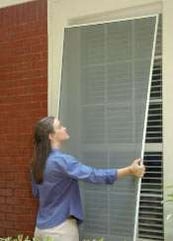
Blinds between the glass, sometimes called integrated or built-in blinds, are installed inside a window or patio door glazing system. A slider, knob, or magnetic control allows you to raise, lower, or tilt the blinds without touching the slats directly.
Because the blinds are protected by glass, they are less exposed to dust, bending, tangled cords, and accidental damage. Manufacturers commonly promote these systems as a convenient way to control light and privacy while reducing routine cleaning.
Built-in blinds are available on selected windows and patio doors from certain manufacturers. Availability, operation, glass construction, and warranty coverage vary by product.
What Are the Benefits of Blinds Between the Glass?
They Create a Clean, Streamlined Appearance
Traditional blinds require brackets, headrails, cords, or wands. Blinds enclosed inside the glass keep those components out of the room and create a more finished appearance.
This can be especially helpful on patio doors, kitchen windows, and other openings where standard window coverings may feel bulky or get in the way.
They Require Less Routine Cleaning
Dust, cooking residue, pet hair, and fingerprints cannot easily reach blinds that are enclosed behind glass. You will still need to clean the window glass and frame, but you generally will not need to dust each individual slat.
They Are Protected From Everyday Damage
Exposed blinds can be bent, pulled, or damaged by children, pets, furniture, or frequent use. Enclosing the blinds protects the slats and eliminates loose cords inside the room.
They Provide Convenient Privacy and Light Control
Depending on the product, you may be able to tilt the slats or raise and lower the blind using an exterior control. This allows you to adjust privacy and daylight without installing a separate window treatment.
They Do Not Interfere With Curtains or Drapes
Built-in blinds leave the interior window area less crowded. Homeowners can still add curtains or decorative side panels without having a blind headrail competing for space.
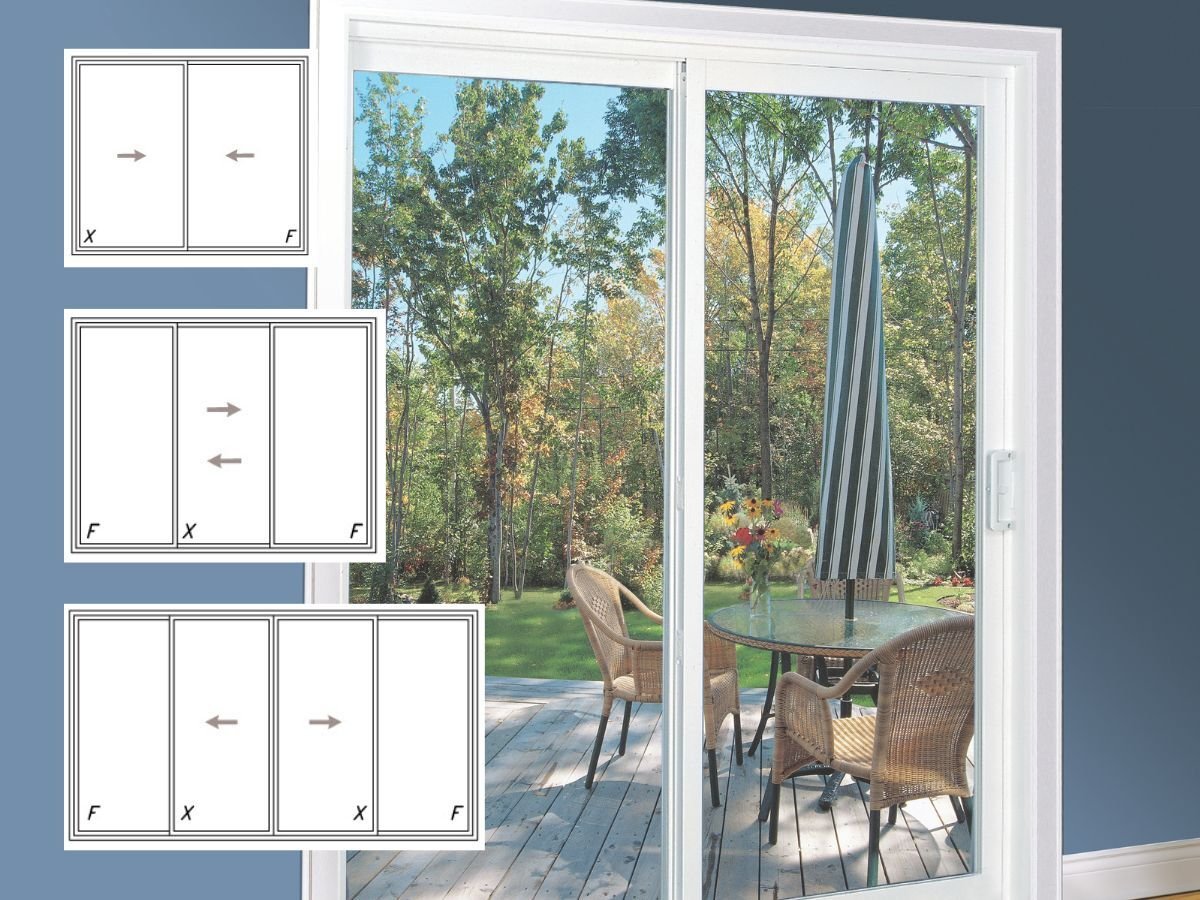
What Are the Drawbacks of Blinds Between the Glass?
Repairs May Be More Complicated
A standard blind can usually be removed and replaced without changing the window. When a built-in blind or its operating mechanism stops working, service may involve the glass panel or another product-specific component.
Before purchasing, ask:
- Can the blind mechanism be repaired?
- Can the glass or blind panel be replaced separately?
- Who performs the service?
- Is labor included?
- How long will replacement components remain available?
Warranty Coverage Can Differ From Standard Glass Coverage
Do not assume that the blinds, controls, insulated glass, and window frame all have the same warranty period.
For example, some manufacturers publish separate coverage for blinds or shades sealed between insulating glass. This makes it important to read the warranty for the exact product and configuration you are considering rather than relying on a general window warranty.
Related Article: Cleaning and Warranty
Design Choices May Be Limited
Traditional blinds, shades, and curtains are available in a broad range of fabrics, colors, textures, and operating styles. Built-in options may have a smaller selection.
They are also less flexible when your decorating preferences change. Replacing a standard shade is relatively simple; changing an integrated blind may not be.
Related Article: Joyce Replacement Window Types
The Upgrade May Increase the Project Cost
Built-in blinds can add to the price of a window or patio door. The exact difference depends on the manufacturer, window style, glass construction, operating system, size, and installation requirements.
Consider whether the convenience is worth the additional cost for every opening. Some homeowners may choose integrated blinds only for a frequently used patio door or a hard-to-clean window.
They Do Not Automatically Make a Window More Energy Efficient
The presence of built-in blinds does not, by itself, tell you how efficiently the complete window will perform.
Energy performance depends on factors such as:
- The number of glass panes
- Low-emissivity, or low-E, coatings
- Gas fills
- Frame construction
- Spacers and seals
- Window size and style
- Installation quality
The U.S. Department of Energy identifies insulated glass, gas fills, low-E coatings, frames, and spacers as important parts of an energy-efficient window system.
Use the window’s National Fenestration Rating Council label to compare products. NFRC ratings provide independently verified information about characteristics such as U-factor, solar heat gain coefficient, and visible transmittance.

Blinds Between the Glass vs. Traditional Blinds
| Feature | Blinds Between the Glass | Traditional Blinds or Shades |
|---|---|---|
| Cleaning | Protected from most dust and handling | Requires regular dusting or washing |
| Damage risk | Protected behind glass | Can bend, tear, tangle, or break |
| Style selection | Usually more limited | Broad range of colors and materials |
| Replacement | May require specialized service | Usually easy to remove and replace |
| Privacy control | Built into the window or door | Depends on the selected treatment |
| Decorating flexibility | Lower | Higher |
| Upfront cost | May add to product cost | Varies widely by treatment |
| Energy performance | Depends on the complete rated window | Some insulating treatments may improve performance when used properly |
How Should You Compare Replacement Windows With Built-In Blinds?
1. Review the NFRC Label
Compare the whole-window ratings rather than relying on broad terms such as “energy efficient.”
Depending on your climate and priorities, useful ratings may include:
- U-factor: How well the window resists heat loss
- Solar heat gain coefficient: How much solar heat passes through the window
- Visible transmittance: How much visible light passes through the glass
2. Test the Blind Controls
Operate the display model several times. Raise and lower the blind, tilt the slats, and notice whether the controls feel smooth and easy to reach.
Ask whether the mechanism uses a slider, cord-free control, magnet, or motorized system.
3. Read the Exact Warranty
Request the warranty in writing and check separate coverage for:
- The frame

- Insulated glass
- Glass seals
- Blind slats
- Operating controls
- Hardware
- Labor
- Transfer to a future homeowner
4. Ask What Happens if the Blind Stops Working
Find out whether the mechanism can be serviced in your home or whether a glass panel must be ordered and replaced.
Also ask who handles the claim: the installer, dealer, or manufacturer.
5. Compare the Complete Project Price
Do not compare only the cost of the blind option. Compare the full installed project, including the window collection, glass package, color, grids, hardware, removal, disposal, and installation.
Joyce Windows, Sunrooms & Baths offers a replacement window cost calculator that provides a ballpark project range based on the number of windows, styles, glass options, colors, and installation needs. The calculator is a planning tool rather than a final quote.

Who May Benefit Most From Built-In Blinds?
Blinds between the glass may be especially useful for:
- Patio doors that are opened and closed frequently
- Kitchens where exposed treatments collect residue
- Homes with pets or young children
- Narrow spaces where a standard blind would interfere with furniture
- Homeowners who prioritize easy cleaning
- Rooms where quick privacy control matters
When Might Traditional Window Treatments Be Better?
Traditional blinds or shades may be a better choice when:
- You frequently update your interior design
- You want fabric, cellular, woven, or decorative treatments
- You prefer treatments that can be replaced independently
- You want to choose from a larger range of colors
- You need a highly insulating window covering
- You want the simplest possible repair process
The Department of Energy notes that certain insulating window attachments, including cellular shades, can improve a home’s energy performance when they are selected and used properly.
What Joyce Recommends Comparing Before Window Replacement
Joyce replacement windows are custom-made to fit each home and are designed around energy efficiency, durability, comfort, and style. Joyce manufactures its own windows and provides professional installation, allowing one team to help guide the project from product selection through installation.
A design consultation can help you compare window styles, glass packages, colors, grids, energy ratings, and available accessories for your home.
Ready to explore your options?

Frequently Asked Questions About Blinds Between the Glass
Do blinds between the glass get dusty?
Because the blinds are enclosed, they are protected from most household dust, pet hair, fingerprints, and cooking residue. The window glass and frame will still require normal cleaning.
Can blinds between the glass break?
Yes. The slats, operating mechanism, or control can develop a problem like any moving component. Ask how the specific system is repaired and what the warranty covers.
Can built-in blinds be replaced?
That depends on the product. Some systems may allow a panel or component to be serviced or replaced, while others may require more extensive work. Confirm the service process before purchasing.
Are windows with built-in blinds energy efficient?
They can be, but the blinds alone do not determine energy performance. Compare the complete window’s NFRC ratings, glass package, frame, seals, and installation requirements.
Are built-in blinds safe for homes with children and pets?
They eliminate exposed blind cords and protect the slats behind glass, which may make them a practical option for homes with children or pets. Homeowners should still follow all product safety and operating instructions.
Do built-in blinds come in different colors?
Available colors depend on the manufacturer and product line. The selection is often smaller than the range offered by conventional window treatments.
Are blinds between the glass available on Joyce replacement windows?
Available options can vary by window collection and project. Ask a Joyce design consultant which glass, privacy, and window-treatment options are currently available for the window style you are considering.
Make the Right Choice for Your Home
Blinds between the glass offer clear benefits: less cleaning, protected slats, convenient privacy, and a streamlined appearance. Their tradeoffs may include higher cost, fewer design choices, specialized repairs, and separate warranty terms.
Before deciding, compare the entire window system. Review its certified energy ratings, test the controls, read the warranty, and understand how future service would work.
Joyce Windows, Sunrooms & Baths helps homeowners compare custom replacement window options without making the process more complicated than it needs to be.
Get an Instant Window Cost Estimate
or
Book a Design Consultation
Topics: