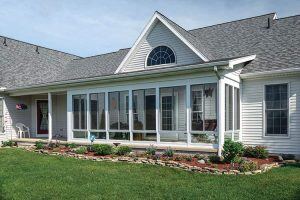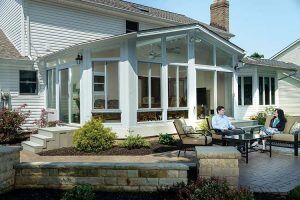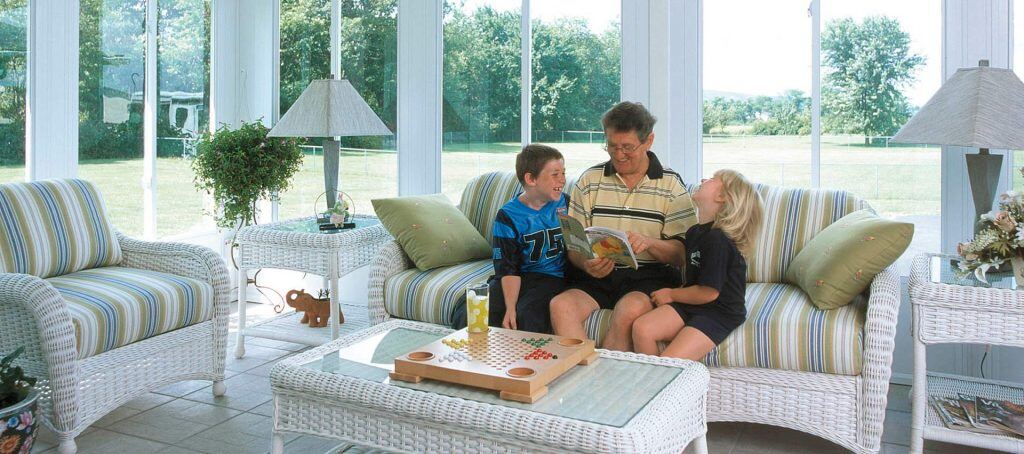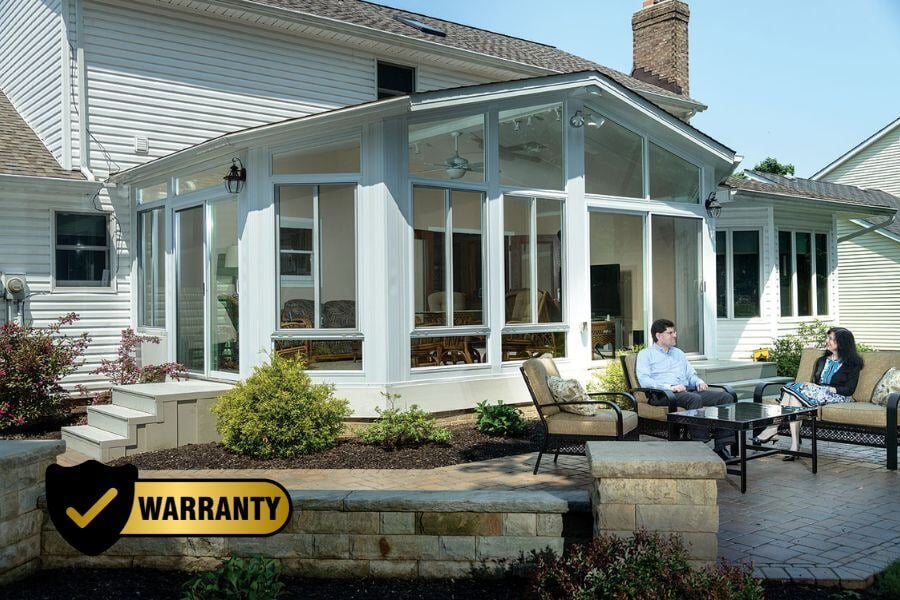
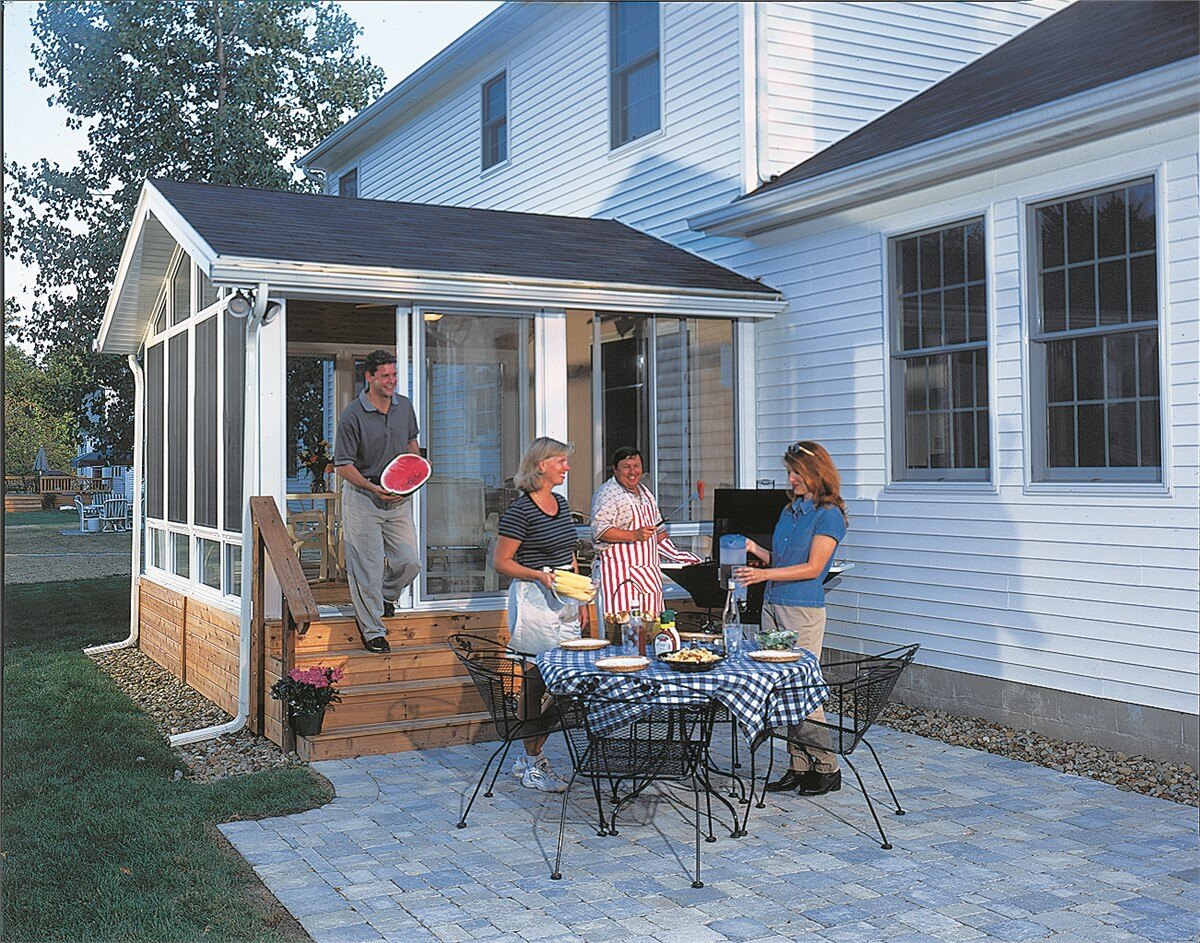
You do not need a parking lot or a crowded stadium to enjoy the fun of tailgating. A sunroom can give you the best parts of game day at home: more light, more room to gather, a stronger connection to the outdoors, and protection from weather when the forecast does not cooperate. For homeowners who love hosting, a sunroom can become one of the most useful spaces in the house during football season and beyond. Joyce's sunrooms are positioned around comfort, usable living space, and flexible everyday use, which makes this topic a natural fit for homeowners exploring how they would actually use the room.
Quick Overview
A sunroom can make game day easier by giving you a bright, comfortable place to host friends, watch the game, serve food, and still feel connected to the outdoors. The best setups focus on seating, screen placement, glare control, snack stations, and easy flow to an outdoor grill or patio. Joyce offers custom three-season and four-season sunrooms, plus patio enclosures and screen rooms, so homeowners can choose a space that fits how they want to relax, entertain, and use the room through the year.
Why a Sunroom Works So Well for Game Day
A good game day space needs more than a TV. It needs enough room for people to spread out, a comfortable place to sit, and a layout that makes food, conversation, and viewing feel easy. That is where a sunroom stands out. Joyce describes sunrooms as a way to bring in more light, more comfort, and more usable living space, and also highlights their flexibility for dining, hobbies, family use, and everyday living. That same flexibility makes a sunroom a natural place for casual hosting during football season.
Unlike a backyard setup, a sunroom helps you avoid rain, wind, and temperature swings while still keeping that open, social feel. The original article leans into that idea, describing the sunroom as a way to enjoy outdoor vibes with indoor comfort. That is a good foundation, but the post works better when it expands beyond atmosphere and helps homeowners picture how the room actually functions on game day.
1. Start With the Viewing Setup
The TV or projector should be the anchor of the room. Arrange seating around the screen so guests can watch comfortably without twisting or crowding into one corner. The original post mentions using curtains or shades to reduce glare, which is one of the most practical tips in the article and worth keeping in the rewrite.
A stronger version of this section should also tell readers to think about traffic flow. Leave space for people to move between the seating area, snack table, and patio door without crossing directly in front of the screen every few minutes. That gives the article more real-world value and makes it feel less like a generic decor post.
2. Build a Seating Layout for Conversation and Comfort
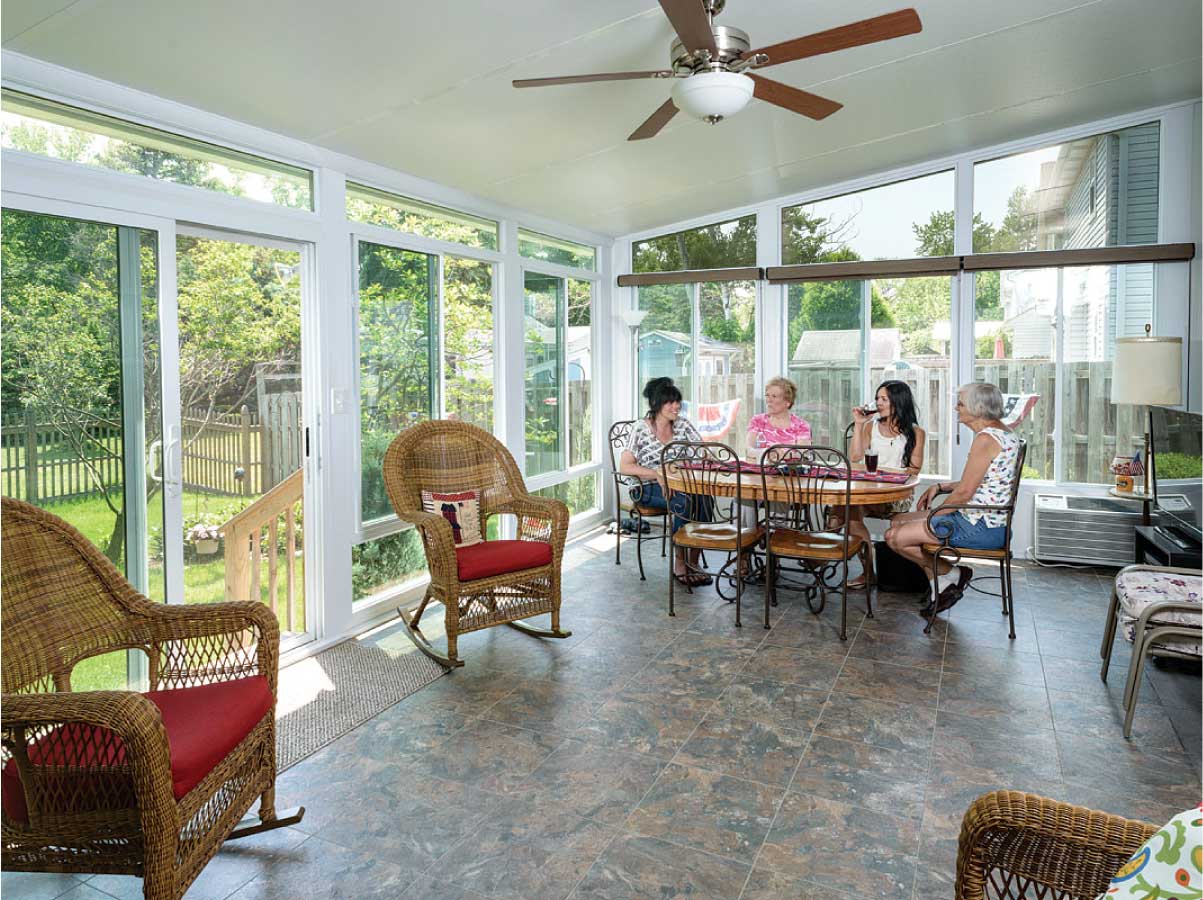
One reason a sunroom works so well for hosting is that it can feel more relaxed than a formal living room. Joyce’s three-season and four-season sunroom guidance emphasizes gathering space, comfort, and daily use, which supports framing the room as a casual entertaining zone.
For game day, mix permanent seating with flexible seating. A sofa or sectional can anchor the room, while lightweight chairs, stools, or folding chairs can help when more guests arrive. The original article touches on this idea, but the rewrite should make it more useful by encouraging readers to set up zones: one area for watching the game, one for food and drinks, and one for conversation during halftime or commercial breaks.
3. Add a Simple Food and Drink Station
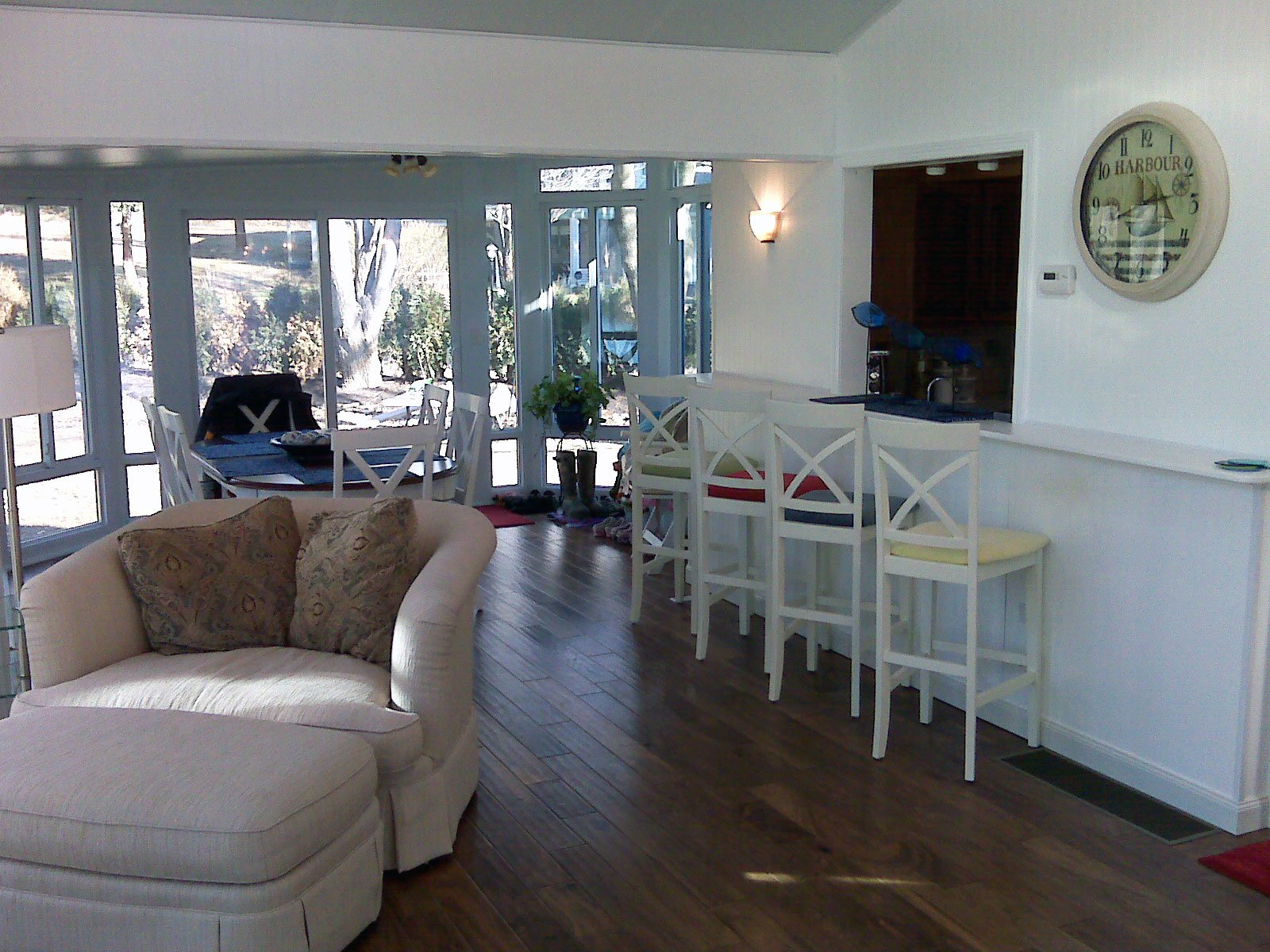
Food is a big part of tailgating, and the original article already points readers toward grill-friendly favorites, buffet-style serving, and warmers or slow cookers. That should stay, but the revised version should make the advice easier to picture. A narrow buffet table, console, or bar cart can turn one side of the sunroom into a dedicated serving area so guests can help themselves without crowding the main seating space.
This is also a strong place to connect back to outdoor access. Joyce highlights patio and deck enclosures and other outdoor-adjacent room types, which supports the idea of a sunroom as a bridge between indoor comfort and outdoor entertaining. For homeowners who like to grill, that connection can be one of the biggest practical advantages.
4. Lean Into the Tailgating Feel Without Overdoing It
The existing post suggests team banners, flags, and tablecloths in team colors. That is fine, but the rewrite should position decor as simple and easy to copy rather than over-the-top. A few team-color accents, serving trays, pillows, or a seasonal centerpiece can create a festive feel without making the room look cluttered or temporary.
This also helps the post align better with homeowners who are considering a sunroom as a long-term investment. They are not just looking for party ideas. They want to know whether the room can support entertaining while still feeling like a comfortable everyday part of the home.
5. Choose the Right Sunroom Type for How You Host
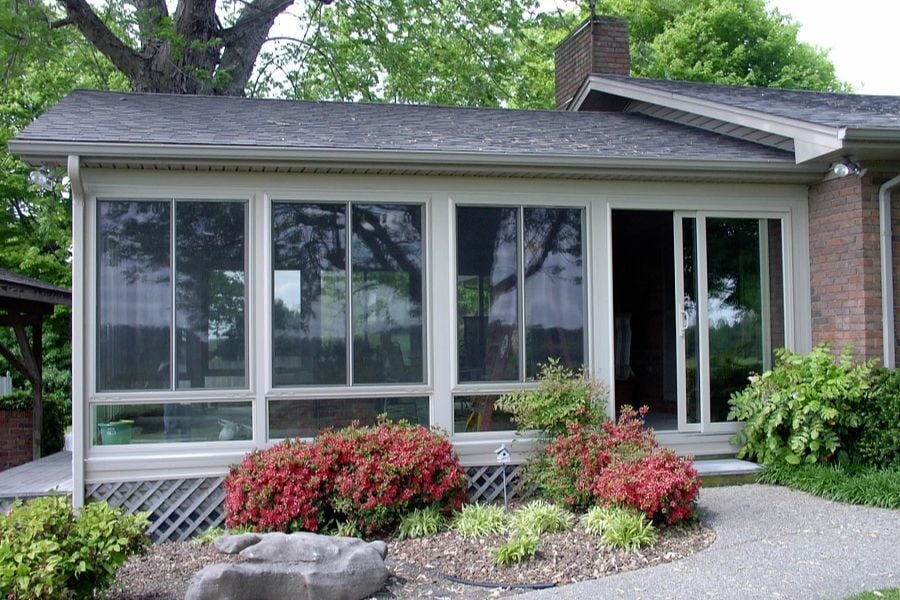
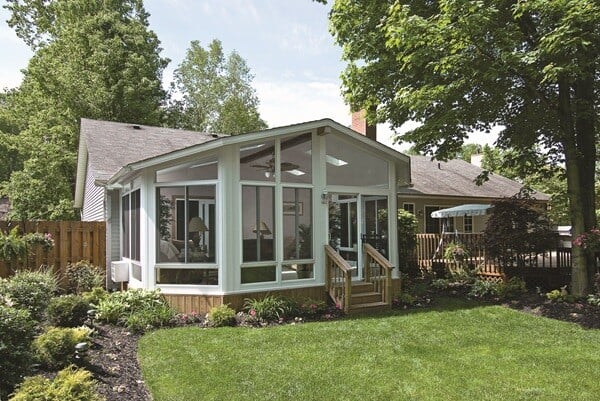
This is the biggest content gap in the current article. Joyce’s sunroom page clearly explains the difference between three-season and four-season rooms, and that distinction is useful for readers. A three-season sunroom is positioned as a bright room for spring, summer, and fall, with a stronger connection to the outdoors and a comfortable gathering space for warmer months. A four-season sunroom is positioned as a room you can use all year, with more insulation, more comfort in changing temperatures, and more flexibility for everyday living.
For football hosting, that means a three-season room may be a great fit for early-season entertaining and milder fall weather, while a four-season room may be the better option for homeowners who want to host throughout the season in a more insulated, all-year space. Adding this comparison makes the post more useful for both search and conversion because it helps readers connect the lifestyle idea to an actual product decision.
6. Make the Room Work Beyond Football Season
Another missing piece in the current post is long-term value. A good sunroom article should not stop at one activity. Joyce specifically frames sunrooms as spaces for relaxing, dining, hobbies, family use, and everyday living. That gives the rewrite a chance to show homeowners that game day is only one example of how the room can be used.
You can position the room as a game day hub in the fall, then a bright reading room, dining space, hobby room, or casual entertaining area through the rest of the year. That wider framing helps the article support higher-intent readers who may be comparing whether a sunroom is worth the investment.
Why Homeowners Choose Joyce for Sunrooms
Joyce designs, manufactures, and installs its own sunrooms, giving homeowners a factory-direct experience from start to finish. Joyce has served homeowners since 1955.
Ready to create a space for game day, everyday relaxing, and year-round enjoyment? Book a Design Consultation to explore custom three-season and four-season sunrooms, patio enclosures, and screen rooms from Joyce.
Still gathering ideas? View the Joyce Sunrooms Gallery to see how homeowners are using custom sunrooms as bright, comfortable spaces for entertaining and daily living.

Frequently Asked Questions
Is a sunroom a good place to watch football games at home?
Yes. A sunroom can give you more room to gather, natural light, and a comfortable connection to the outdoors while still protecting guests from weather. Joyce also positions sunrooms as flexible living areas for relaxing, dining, and family use.
Is a three-season or four-season sunroom better for entertaining?
It depends on when and how you plan to use the room. Joyce's three-season rooms are for spring, summer, and fall use, while four-season rooms are designed for year-round comfort and more flexibility in changing temperatures.
Can a sunroom connect to my patio or deck setup?
Yes. Joyce offers patio and deck enclosures, screen rooms, and patio covers in addition to traditional sunrooms, which supports a smoother connection between indoor hosting and outdoor living.
How do I get sunroom pricing?
The best way to get accurate pricing is through a design consultation where room type, layout, and features can be reviewed based on your home and goals.

Topics:





.jpg?width=961&height=640&name=Gable%202600SL%20in%20White%20(3%20of%204).jpg)